Each of Lisbon's neighborhoods has a distinct personality and character, from the medieval labyrinth of Alfama to the bohemian streets of Bairro Alto. Exploring these bairros reveals authentic local life, traditional shops, neighborhood tasquerias, and the soul of the city beyond major monuments.
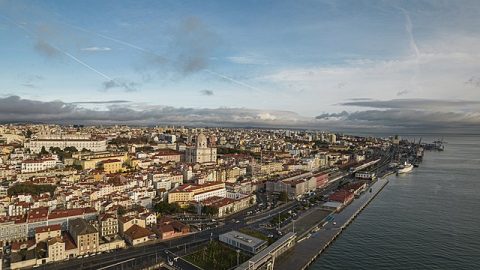
Alfama
Lisbon's oldest neighborhood, Alfama survived the 1755 earthquake largely intact, preserving its Moorish medieval layout of narrow winding streets, hidden squares, and whitewashed houses with colorful tiles. This is the birthplace of fado music, with traditional taverns offering nightly performances. Wander through steep alleys past laundry hanging from windows, neighborhood bars where locals play cards, and small shops selling sardines and cork products. Key spots include Miradouro de Santa Luzia viewpoint, the Flea Market (Feira da Ladra), and São Vicente de Fora monastery. Best explored by getting wonderfully lost.
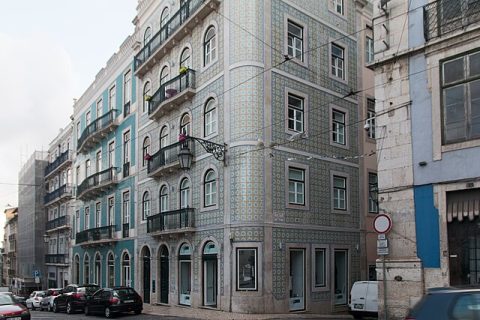
Bairro Alto
The bohemian heart of Lisbon, Bairro Alto transforms from a quiet residential area by day into the city's nightlife epicenter after dark. This 16th-century neighborhood features a grid of narrow streets packed with bars, restaurants, and fado houses. The area has a creative, alternative vibe with street art, vintage shops, and tattoo parlors. During the day, explore traditional shops and have lunch at small restaurants. After 10 PM, join the crowds spilling onto streets with drinks. The neighborhood also houses the São Roque Church and The Bica funicular is closed; replacement bus 22B connects Rua de São Paulo with Largo do Calhariz.
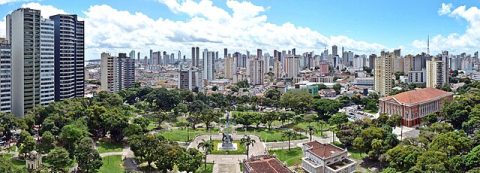
Belém
Located along the Tagus River west of downtown, Belém is Lisbon's monumental district celebrating Portugal's Age of Discovery. This riverside area houses the city's most important historical monuments including Jerónimos Monastery, Belém Tower, and Monument to the Discoveries. Beyond monuments, Belém is famous for pastéis de Belém - the original custard tarts made since 1837 at Pastéis de Belém bakery using a secret recipe. The neighborhood features beautiful gardens, museums including MAAT and Berardo Collection, and waterfront promenades. Plan half to full day to explore properly.
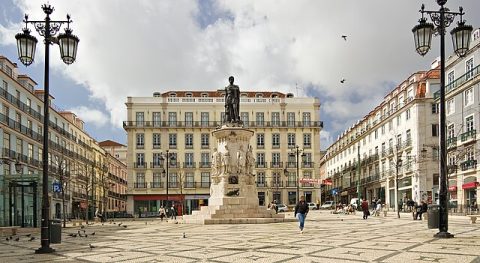
Chiado
Lisbon's most elegant and cultural neighborhood, Chiado is synonymous with literature, arts, and sophistication. Historic literary cafés like A Brasileira (with its bronze statue of poet Fernando Pessoa) attracted intellectuals for centuries. The area features beautiful 18th and 19th-century buildings housing bookshops, theaters, art galleries, and upscale boutiques. Key sites include the São Carlos National Theatre, the ruins of Carmo Convent, and Bertrand Bookshop (world's oldest operating bookstore since 1732). The neighborhood seamlessly blends traditional charm with contemporary fashion and dining. Perfect for a refined afternoon of culture and shopping.
LX Factory
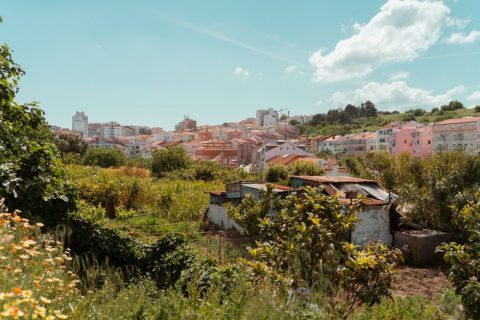
A creative urban space housed in a former industrial complex beneath the 25 de Abril Bridge. This hip area has been transformed into a cultural hub featuring artist studios, design shops, bookstores, cafés, and restaurants. The main street is lined with shipping containers converted into boutiques selling crafts, vintage items, and local designer goods. Sunday markets attract crowds browsing street food and handmade products. The complex hosts exhibitions, concerts, and cultural events. Ler Devagar bookshop with its unique industrial aesthetic is a highlight. Essential stop for creative travelers and Instagram-worthy photos.
Parque das Nações
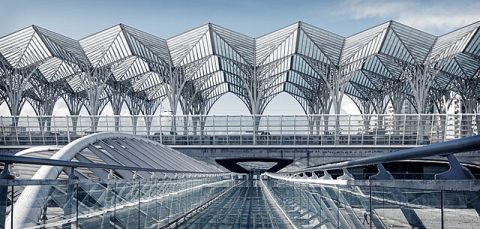
Lisbon's modern waterfront district was developed for Expo 98 and showcases contemporary architecture and urban planning. The area features the striking Vasco da Gama Bridge (Europe's longest), the futuristic Oriente Station designed by Santiago Calatrava, and the Oceanário - one of the world's largest aquariums. The waterfront promenade offers restaurants, gardens, cable car rides, and the Vasco da Gama Tower. It's a contrast to historic Lisbon, showing the city's modern ambitions. Great for families with kids, with open spaces, playgrounds, and science center. Easily accessible by metro.
Tips for Neighborhoods & Districts
- Wear comfortable shoes - Lisbon's hills and cobblestones are challenging
- Get lost in Alfama without a map - it's the best way to discover hidden corners
- Visit Bairro Alto during the day to see it without crowds, then return at night
- Take tram 28 through several neighborhoods for an authentic experience
- Each neighborhood has distinct character - spend time in each rather than rushing