Lisbon's squares and streets form the beating heart of the city, where locals and visitors gather to socialize, shop, and soak in the atmosphere. From grand neoclassical plazas to narrow cobblestone lanes lined with cafés, these public spaces tell stories of commerce, revolution, and daily life across the centuries.
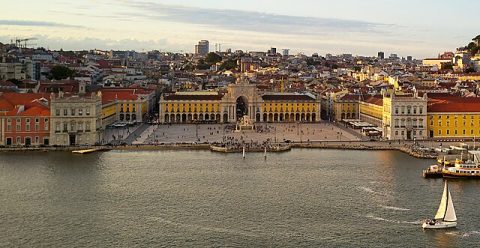
Praça do Comércio (Commerce Square)
One of Europe's most magnificent squares, this vast waterfront plaza opens directly onto the Tagus River with its iconic yellow arcaded buildings. Built after the 1755 earthquake, the square symbolized Lisbon's rebirth with the grand Arco da Rua Augusta triumphal arch as its centerpiece. The square has witnessed major historical events including King Carlos I's assassination in 1908. Today it's a vibrant gathering place with restaurants under the arcades, the Lisboa Story Centre museum, and regular events. Climb the arch for spectacular views down Rua Augusta to the castle.
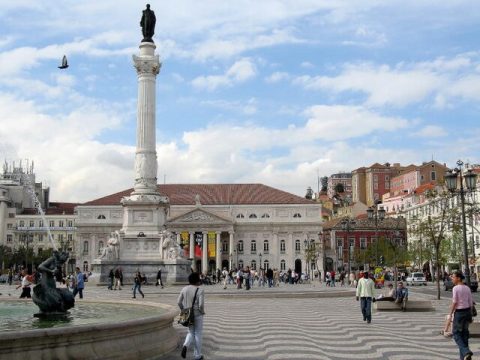
Rossio Square (Praça Dom Pedro IV)
Lisbon's main square since the Middle Ages, Rossio is the city's traditional meeting point paved with distinctive wave-pattern Portuguese cobblestones. The square features two baroque fountains and a monument to King Pedro IV on a tall column. Surrounding the square are historic cafés including the famous Café Nicola, the National Theatre, and beautiful buildings with ornate facades. The square has been the stage for bullfights, public executions, celebrations, and revolutions. The magnificent Rossio train station with its neo-Manueline horseshoe arches is at the north end.
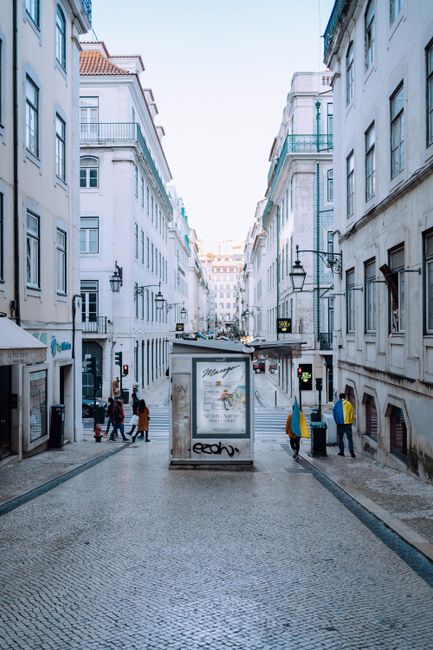
Rua Augusta
Lisbon's most famous pedestrian shopping street runs from Rossio Square to Praça do Comércio, passing through the triumphal arch. This lively boulevard is paved with traditional Portuguese cobblestones in geometric patterns and lined with shops, cafés, restaurants, and street performers. The street was rebuilt after the 1755 earthquake as part of the Pombaline downtown reconstruction. Today it perfectly blends historical architecture with modern commerce. Stop for ginjinha (cherry liqueur) at tiny traditional bars or browse international brands and Portuguese souvenirs.
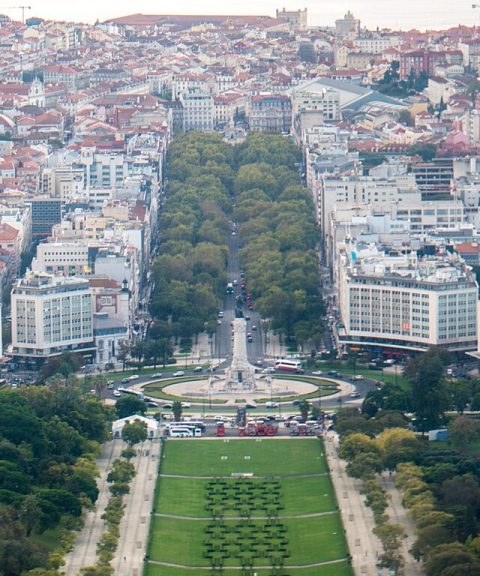
Avenida da Liberdade
Often called Lisbon's Champs-Élysées, this grand 1.2km boulevard connects the downtown to Marquês de Pombal Square. Built between 1879 and 1886 on the site of the former Passeio Público park, the avenue features wide sidewalks with wave-pattern cobblestones, fountains, statues, and leafy trees. Today it's lined with luxury boutiques including Prada, Louis Vuitton, and Burberry, historic hotels, theaters, and upscale restaurants. The beautiful Art Nouveau and Art Deco buildings showcase early 20th-century architecture. Walking the full length gives you a sense of Lisbon's elegant, cosmopolitan character.
Tips for Squares & Streets
- Visit Praça do Comércio at sunset for golden light reflecting off the yellow buildings
- Watch for pickpockets on crowded Rua Augusta, especially near street performers
- Try ginjinha at A Ginjinha bar near Rossio - a true Lisbon tradition
- Rossio Square's wave pattern was designed to discourage cavalry charges during protests
- Free walking tours often start from these central squares