Craiova's architectural heritage showcases the distinctive Brâncovenesc style, a unique blend of Romanian traditional, Byzantine, and Venetian elements that transformed the city during the 17th-18th centuries. The city's monuments reflect its historical importance as a former capital and the seat of powerful bans (military governors).
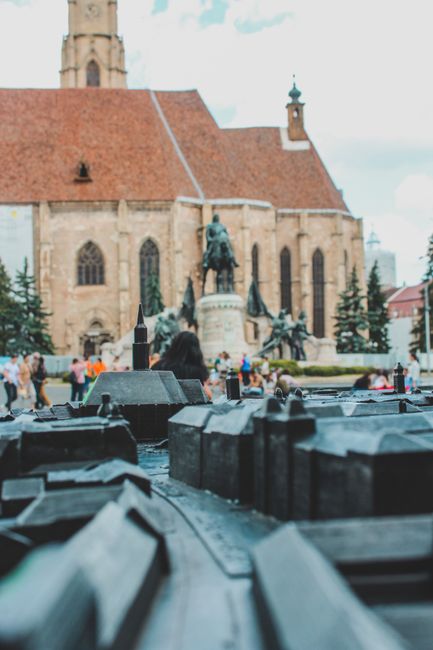
Piața Mihai Viteazul (Michael the Brave Square)
The central square of Craiova and the city's beating heart, dominated by the majestic equestrian statue of Mihai Viteazul (Michael the Brave), the ban of Craiova who achieved the first unification of the Romanian principalities in 1600. This peaceful square allows visitors to admire its classical architecture and surrounding historic buildings. The square serves as a gathering point for locals and offers excellent photo opportunities, especially during evening illuminations. Nearby cafés and restaurants provide perfect vantage points to observe daily life.
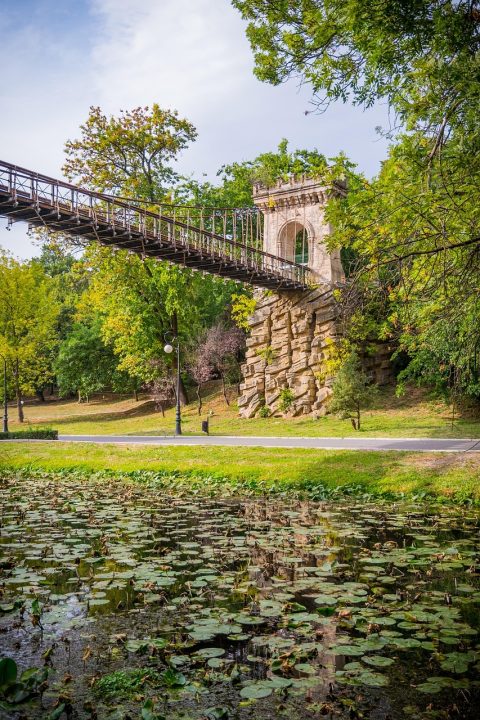
Monumentul Nicolae Romanescu
An iconic landmark honoring Nicolae P. Romanescu, the visionary mayor responsible for creating the city's magnificent park between 1901-1903. The monument celebrates his contributions to urban development and landscape architecture. Located within or near the park that bears his name, this tribute serves as a reminder of the progressive leadership that shaped modern Craiova. The monument area provides context about the Belle Époque era when the park was constructed and the international recognition it received.
Tips for Landmarks & Monuments
- Golden Hour Photography: Visit Piața Mihai Viteazul during sunset for stunning photographs with beautiful lighting on the statue and surrounding buildings
- Combine Attractions: The central square is within walking distance of major museums and the Old Town, making it easy to explore multiple sites in one visit
- Evening Atmosphere: The square comes alive in the evening with locals gathering, restaurants opening their terraces, and beautiful illumination
- Historical Context: Download information about Michael the Brave before visiting to fully appreciate the historical significance of the monument