Craiova's religious architecture spans from medieval times to the present, with most structures dating to the medieval period. Churches showcase the distinctive Brâncovenesc architectural style and preserve centuries of religious art, including remarkable frescoes and murals by celebrated Romanian artists.
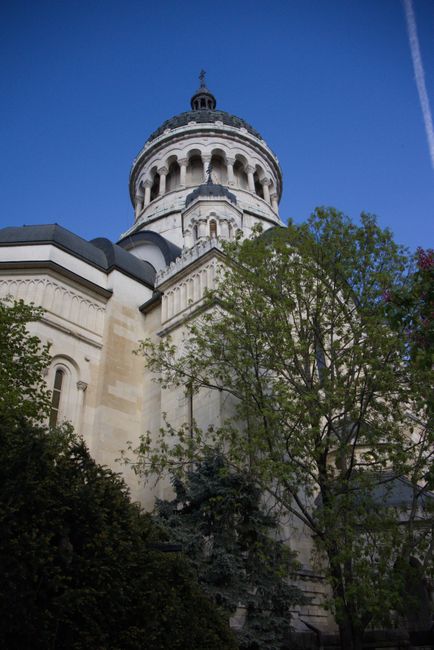
St. Demetrius Cathedral (Biserica Domnească Sfântul Dumitru)
The most beautiful and historically significant church in Craiova, serving as the city's main Orthodox cathedral. This impressive medieval structure represents the pinnacle of religious architecture in Oltenia, featuring distinctive Brâncovenesc style elements. The cathedral has witnessed centuries of Romanian history and religious tradition, serving as a spiritual anchor for the community. Its impressive facade, ornate interiors, and historical importance make it an essential stop for understanding Craiova's cultural and spiritual heritage. The cathedral hosts important religious ceremonies and maintains active worship services.
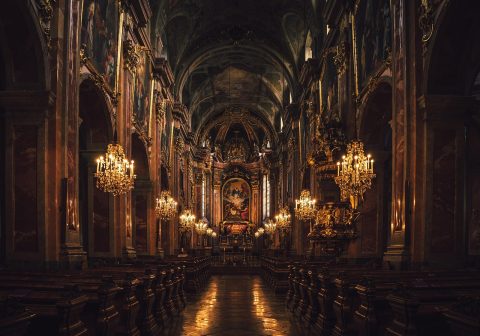
St. Ilie Church
Built in 1720 and restored according to architect Springler's drawings, this church houses remarkable murals painted by Gheorghe Tattarescu, the celebrated father of Romanian neoclassicism. The church represents an important chapter in Romanian religious art and architecture. Its well-preserved frescoes demonstrate the evolution of Byzantine-influenced Romanian ecclesiastical painting during the 18th-19th centuries. The interior artwork showcases Tattarescu's masterful technique and his significant contribution to Romanian cultural heritage.
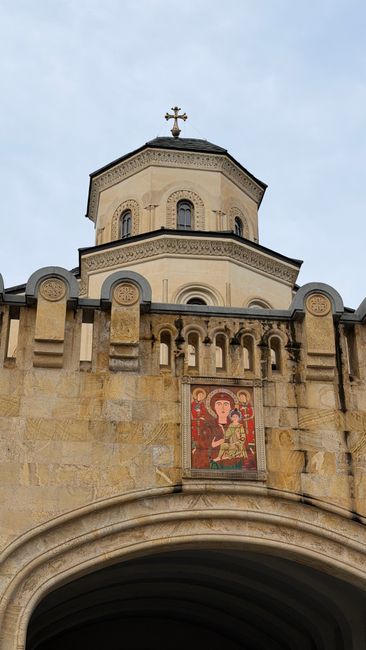
Madona Dudu Church
Renowned for its exceptional mural paintings completed by famous Romanian painter Gheorghe Tattarescu (1818-1894). This medieval church represents an important example of religious art preservation in Craiova. The church's name itself carries historical and cultural significance within the local community. The interior frescoes demonstrate the Byzantine influence on Romanian Orthodox religious art and showcase the technical mastery of 19th-century restoration work. The church also houses part of the Museum of Oltenia's archaeology department, making it a dual cultural attraction.
Tips for Religious Sites
- Respectful Attire: Dress modestly when visiting churches - covered shoulders and knees required; women should bring a headscarf
- Service Times: Visit outside of service hours (typically early morning and evening) to explore freely without disturbing worship
- Photography Restrictions: Ask permission before photographing interiors; flash photography usually prohibited
- Silent Observation: Maintain quiet and respectful behavior inside all religious sites
- Free Entry: All churches offer free admission; donations are appreciated
- Guided Context: Consider hiring a local guide who can explain the religious artwork and historical significance
- Combined Visit: Visit Cosuna Monastery when you have extra time or combine it with other suburban attractions