Things to do in Craiova
Craiova's architectural heritage showcases the distinctive Brâncovenesc style, a unique blend of Romanian traditional, Byzantine, and Venetian elements that transformed the city during the 17th-18th centuries. The city's monuments reflect its historical importance as a former capital and the seat of powerful bans (military governors).
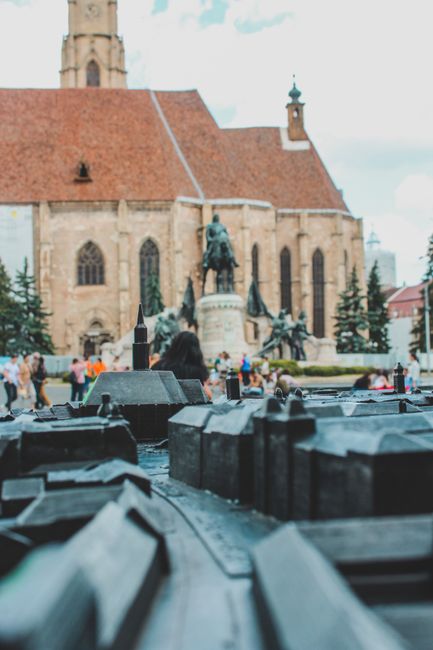
The central square of Craiova and the city's beating heart, dominated by the majestic equestrian statue of Mihai Viteazul (Michael the Brave), the ban of Craiova who achieved the first unification of the Romanian principalities in 1600. This peaceful square allows visitors to admire its classical architecture and surrounding historic buildings. The square serves as a gathering point for locals and offers excellent photo opportunities, especially during evening illuminations. Nearby cafés and restaurants provide perfect vantage points to observe daily life.
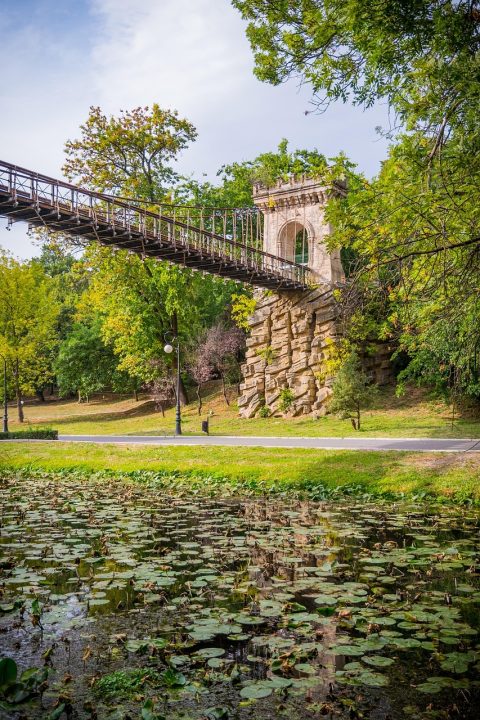
An iconic landmark honoring Nicolae P. Romanescu, the visionary mayor responsible for creating the city's magnificent park between 1901-1903. The monument celebrates his contributions to urban development and landscape architecture. Located within or near the park that bears his name, this tribute serves as a reminder of the progressive leadership that shaped modern Craiova. The monument area provides context about the Belle Époque era when the park was constructed and the international recognition it received.
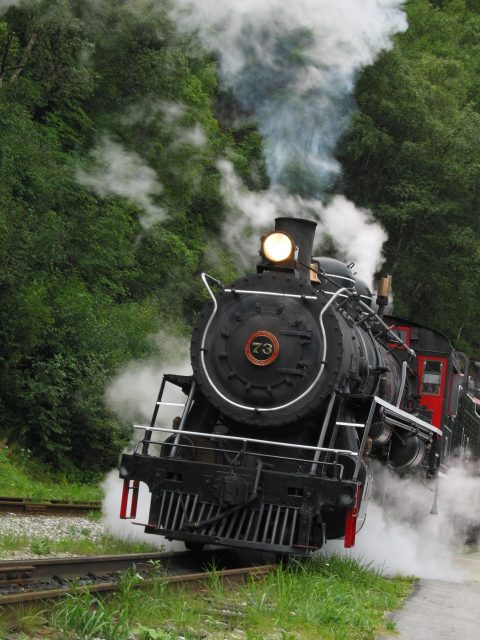
A fascinating tribute to Romania's railway heritage and Craiova's industrial legacy, particularly the Electroputere factory that manufactured the majority of train locomotives used throughout Romania. This preserved steam locomotive serves as a tangible connection to the city's industrial golden age. The monument commemorates Craiova's pivotal role in Romania's transportation development and technological advancement during the 20th century, making it a must-visit for railway enthusiasts and history buffs.
Tips for Landmarks & Monuments
- Golden Hour Photography: Visit Piața Mihai Viteazul during sunset for stunning photographs with beautiful lighting on the statue and surrounding buildings
- Combine Attractions: The central square is within walking distance of major museums and the Old Town, making it easy to explore multiple sites in one visit
- Evening Atmosphere: The square comes alive in the evening with locals gathering, restaurants opening their terraces, and beautiful illumination
- Historical Context: Download information about Michael the Brave before visiting to fully appreciate the historical significance of the monument
Craiova's museum scene is anchored by spectacular institutions housed in architectural masterpieces. The city takes pride in its connection to Constantin Brâncuși, the world-renowned sculptor who studied at Craiova Art School, and showcases impressive collections from Romanian and European masters.
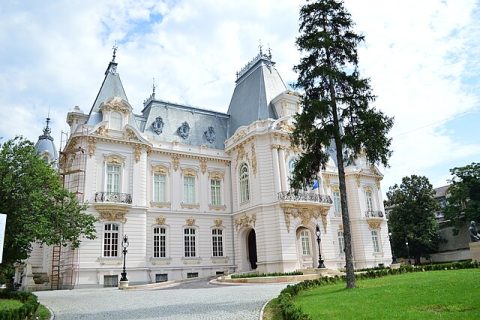
Housed in the breathtaking Dinu Mihail Palace (1896), a Neo-Baroque architectural masterpiece designed by French architect Paul Gottereau, this is Craiova's crown jewel. The palace itself is a work of art featuring Carrara marble staircases, Murano crystal chandeliers, Lyon silk walls, Venetian mirrors, and gilded stucco. The museum's main attraction is the gallery dedicated to Constantin Brâncuși, displaying six of his early sculptures including iconic works like The Kiss (1907), Vitellius (1898), Woman Torso (1909), The Vainglory (1905), and Boy's Head (1906). The collection also features masterpieces by renowned Romanian painters including Craiova-born Theodor Aman, Nicolae Grigorescu, Ștefan Luchian, Nicolae Tonitza, and Ion Țuculescu, alongside Flemish, Italian, and French artists. The sumptuous 36-room palace adds extraordinary value to the viewing experience, making art appreciation inseparable from architectural wonder.
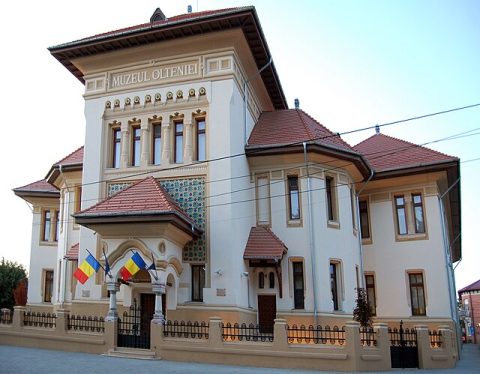
A comprehensive regional museum established in 1915 that showcases the history and culture of southwestern Romania from prehistoric times to the modern era. Housed in the historic Casa Baniei (Baniei House, built in 1699), one of the oldest non-religious buildings in Craiova and Romania. The museum features multiple departments located in different historic buildings: ethnography (15th-century building on Matei Basarab Street), natural history (Popa Street), and archaeology (Madona Dudu Street). Collections include artifacts donated since 1908, traditional crafts, farming implements, wooden and ceramic sculptures, vases, plates, rugs, and a fascinating collection of traditional Oltenia costumes. Great attention has been paid to presenting traditional trades and agricultural occupations unique to the region. Audio guides available in English at no extra cost. One ticket grants access to all museum locations in Craiova.

A stunning historical palace that serves as both a museum and architectural monument showcasing Romania's rich artistic heritage. This beautifully preserved building features impressive period interiors and hosts cultural exhibitions. The palace represents the wealth and taste of Craiova's aristocratic families during the Belle Époque era. Visitors can explore elegant rooms decorated with period furniture, art collections, and architectural details that transport them to the golden age of Romanian high society.
Tips for Museums & Galleries
- Combo Ticket Advantage: Purchase a ticket at one museum to gain access to ALL museums in Craiova - exceptional value at approximately 15 lei per person
- Brâncuși Room Priority: At the Art Museum, head straight to the Brâncuși gallery first when it's less crowded, then explore other rooms
- Audio Guide: Take advantage of free English audio guides at the Museum of Oltenia for enhanced understanding
- Photography: The Dinu Mihail Palace interior is extraordinarily photogenic - the marble staircase and crystal chandeliers are highlights
- Timing: Visit museums in the morning (9-11 AM) or late afternoon to avoid midday tourist groups
- Dress Code: Some museums maintain cooler temperatures; bring a light jacket
Craiova's religious architecture spans from medieval times to the present, with most structures dating to the medieval period. Churches showcase the distinctive Brâncovenesc architectural style and preserve centuries of religious art, including remarkable frescoes and murals by celebrated Romanian artists.
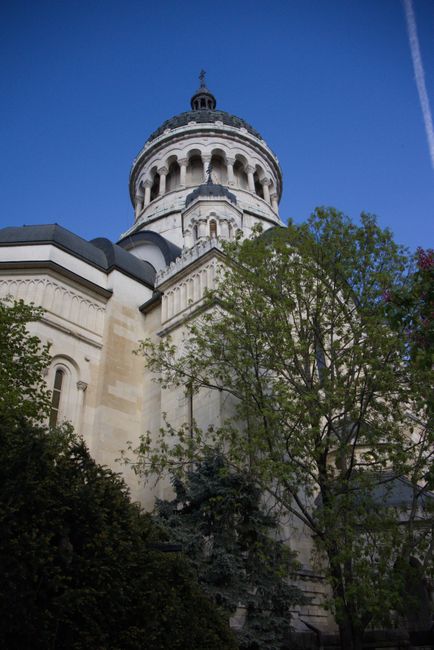
The most beautiful and historically significant church in Craiova, serving as the city's main Orthodox cathedral. This impressive medieval structure represents the pinnacle of religious architecture in Oltenia, featuring distinctive Brâncovenesc style elements. The cathedral has witnessed centuries of Romanian history and religious tradition, serving as a spiritual anchor for the community. Its impressive facade, ornate interiors, and historical importance make it an essential stop for understanding Craiova's cultural and spiritual heritage. The cathedral hosts important religious ceremonies and maintains active worship services.
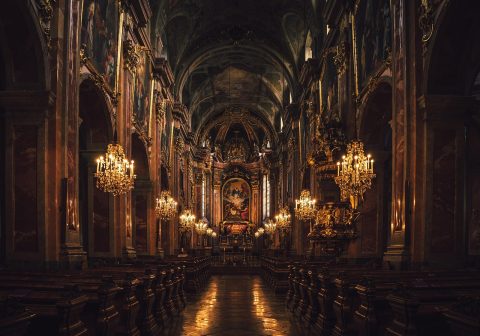
Built in 1720 and restored according to architect Springler's drawings, this church houses remarkable murals painted by Gheorghe Tattarescu, the celebrated father of Romanian neoclassicism. The church represents an important chapter in Romanian religious art and architecture. Its well-preserved frescoes demonstrate the evolution of Byzantine-influenced Romanian ecclesiastical painting during the 18th-19th centuries. The interior artwork showcases Tattarescu's masterful technique and his significant contribution to Romanian cultural heritage.
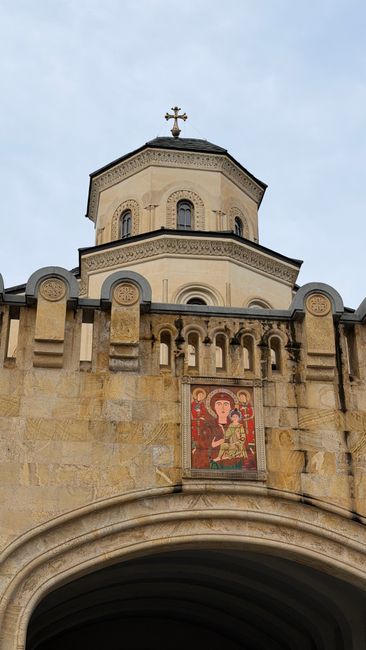
Renowned for its exceptional mural paintings completed by famous Romanian painter Gheorghe Tattarescu (1818-1894). This medieval church represents an important example of religious art preservation in Craiova. The church's name itself carries historical and cultural significance within the local community. The interior frescoes demonstrate the Byzantine influence on Romanian Orthodox religious art and showcase the technical mastery of 19th-century restoration work. The church also houses part of the Museum of Oltenia's archaeology department, making it a dual cultural attraction.
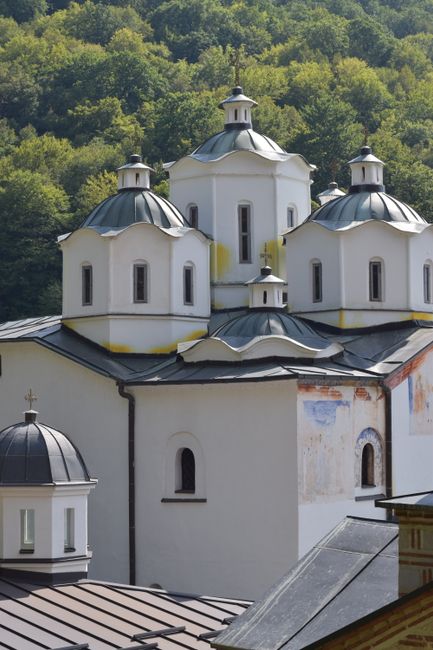
The oldest building preserved in Craiova, dating from the 15th century. Located approximately 3.5 km (2.1 miles) outside the city center, this fascinating medieval monastery offers a peaceful retreat and a glimpse into early Romanian Orthodox architecture. The monastery complex provides insight into monastic life during the medieval period and represents the earliest phase of ecclesiastical construction in the region. Its survival through centuries of turbulent history makes it an invaluable cultural treasure. The peaceful surroundings offer a contemplative atmosphere away from the city bustle.
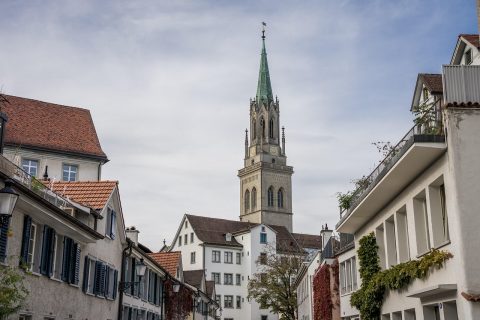
Craiova hosts numerous other important medieval churches that collectively showcase the city's rich religious heritage. These structures represent various periods of Orthodox architecture and contain valuable religious art and historical artifacts. Each church has unique architectural features and historical connections to the boyars (nobility) who once ruled the region. Visiting multiple churches provides a comprehensive understanding of how religious architecture evolved in Oltenia from the medieval period through the Brâncovenesc era.
Tips for Religious Sites
- Respectful Attire: Dress modestly when visiting churches - covered shoulders and knees required; women should bring a headscarf
- Service Times: Visit outside of service hours (typically early morning and evening) to explore freely without disturbing worship
- Photography Restrictions: Ask permission before photographing interiors; flash photography usually prohibited
- Silent Observation: Maintain quiet and respectful behavior inside all religious sites
- Free Entry: All churches offer free admission; donations are appreciated
- Guided Context: Consider hiring a local guide who can explain the religious artwork and historical significance
- Combined Visit: Visit Cosuna Monastery when you have extra time or combine it with other suburban attractions
Craiova's architectural landscape reflects its history as a seat of power for influential boyars and as a former regional capital. The city showcases the evolution of Romanian architecture from medieval fortifications to Belle Époque elegance and the distinctive Brâncovenesc style.
Dating back to 1699 and commissioned by Constantin Brâncoveanu, this is one of the oldest lay buildings in Romania and the oldest non-religious building preserved in Craiova. The structure now houses part of the Museum of Oltenia and serves as an important historical and architectural monument. As the residence of the bans (military governors) of Craiova, the building represents the power and administrative structure of Wallachia during the late 17th century. The bans had the right to coin money stamped with their effigies, giving origin to the Romanian word 'bani' (centimes/money). The building's architecture demonstrates early Brâncovenesc style elements and provides insight into boyar lifestyle during this transformative period in Romanian history.
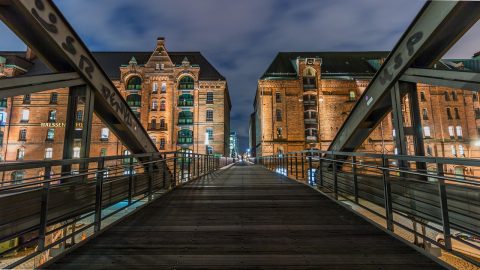
As the former capital of Oltenia, Craiova contains numerous historic residences associated with the boyars who governed the region. These structures showcase the Brâncovenesc style that emerged between the late 17th and early 18th centuries, combining Romanian traditional art with Byzantine and Venetian influences. Many palaces have been converted to museums, cultural centers, or administrative buildings while preserving their architectural integrity. Exploring these buildings provides understanding of the social hierarchy, artistic tastes, and political power dynamics of historical Oltenia. The architectural details reveal the cultural exchange between Romanian, Ottoman, and Western European influences.
Tips for Ancient & Historical Sites
- Architectural Walking Tour: Create a self-guided walking route connecting the major historic buildings in the Old Town
- Photo Opportunities: The exteriors of boyar houses are particularly photogenic - capture architectural details like carved doorways and decorative elements
- Historical Context: Research the boyar system and Brâncovenesc style before visiting to appreciate the architectural significance
- Museum Access: Many historic buildings now house museum collections, allowing you to explore both architecture and exhibits
Craiova is blessed with spectacular green spaces, crowned by one of Europe's largest urban parks. These meticulously designed landscapes offer respite from urban exploration and showcase award-winning landscape architecture from the Belle Époque era.
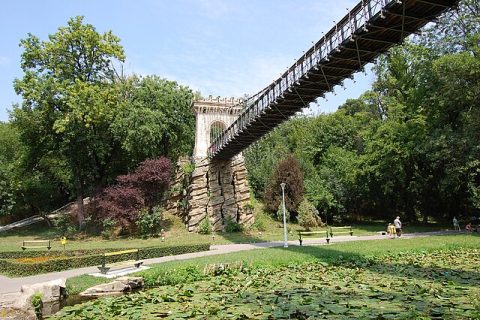
An absolute must-visit masterpiece of landscape architecture, designed by French architect Édouard Redont and constructed between 1901-1903. This magnificent park covers approximately 96 hectares (237 acres) with 35 km (22 miles) of walkways and paths, making it the second-largest park in Romania and third-largest in Europe. The park's design won the gold medal at the 1900 World Fair, recognizing its innovative landscape architecture. Features include ornamental plantations, artificial lakes, waterbodies, a hippodrome (Romania's largest racetrack), Zoo Craiova, Craiova Botanical Garden, walkways, hills, and numerous recreational areas. The park is perfect for walking, jogging, cycling (bike rentals available), picnicking, and family activities. The picturesque artificial lake adds tremendous charm and provides opportunities for relaxation and photography. Entry is completely free, making it accessible to everyone. The park remains beautiful even in winter, though spring and summer showcase its full floral glory.
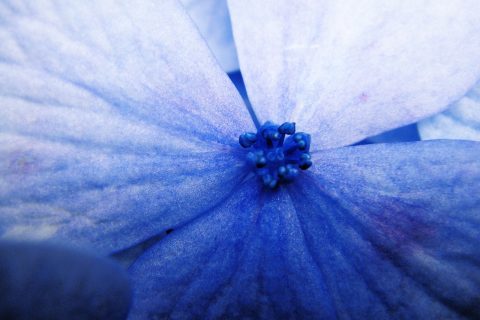
Established in 1952, this lovely green oasis spreads over a large area in the heart of Craiova. As a science-based organization, the garden preserves different plant species collected from various regions across Romania, serving as an educational resource for University of Craiova students studying botany and related subjects. The garden features several paved walkways perfect for walking, jogging, and cycling. Visitors can view an artificial lake and hills that contribute to the garden's serene atmosphere. The botanical garden serves dual purposes: scientific research and public recreation, making it popular with both locals and tourists. The diverse plant collections provide insight into Romania's rich flora, while the peaceful environment offers perfect escape from urban bustle.
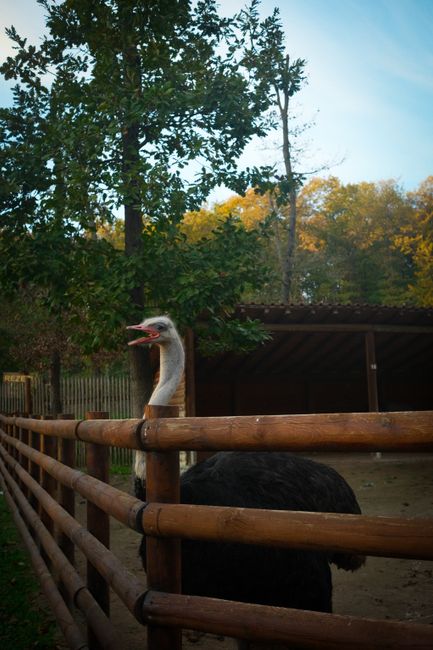
Located within Nicolae Romanescu Park, Zoo Craiova is home to a variety of animals, making it an excellent family-friendly attraction. The zoo provides an educational experience about wildlife conservation while entertaining visitors of all ages. Children and animal enthusiasts particularly enjoy the diverse collection of species. The zoo's integration within the larger park allows visitors to combine wildlife observation with outdoor recreation. Entry is free, making it an excellent value for families.
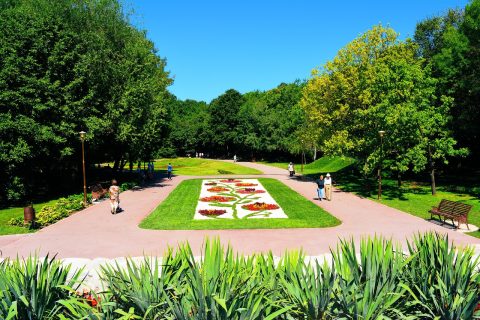
A beautiful green space perfect for relaxation and recreation amidst stunning natural surroundings. This park offers cultural experiences alongside natural beauty, providing locals and visitors with a peaceful urban retreat. The park features walking paths, seating areas, and seasonal plantings that create an inviting atmosphere for outdoor leisure activities.
Tips for Parks & Gardens
- Bike Rentals: Rent bikes at Nicolae Romanescu Park to cover more ground and fully explore its 35km of pathways
- Picnic Planning: Bring picnic supplies or purchase snacks nearby - both parks offer perfect picnic spots near the lakes
- Best Times: Visit early morning for peaceful walks and bird watching, or late afternoon for golden-hour photography
- Seasonal Beauty: Spring (April-May) showcases blooming flowers; autumn (September-October) offers stunning foliage colors
- Combined Visit: The Botanical Garden and Zoo are within Romanescu Park - plan 3-4 hours to experience all three
- Free Admission: All parks and the zoo offer free entry - perfect for budget-conscious travelers
- Photography: The artificial lakes provide stunning reflections for photography, especially during sunrise and sunset
Craiova's urban fabric blends historic charm with modern vibrancy, centered around pedestrian-friendly squares and the atmospheric Old Town (Centru Vechi) district.
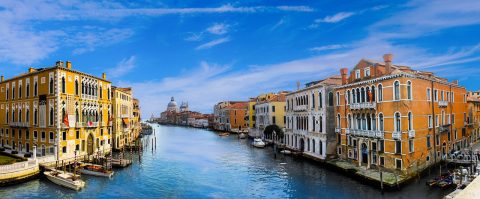
The atmospheric historic center of Craiova features charming pedestrian streets lined with restaurants, cafés, shops, and cultural venues. The Old Town showcases well-preserved architecture from various periods, creating an ideal environment for leisurely strolling, dining, and experiencing local culture. Street terraces come alive in the evening, offering perfect people-watching opportunities. The district hosts various cultural events, outdoor exhibitions, and seasonal markets. Notable establishments include Cofetaria Minerva (beautifully decorated café with excellent cakes) and numerous restaurants serving traditional Romanian cuisine. The Old Town connects easily with major attractions including Piața Mihai Viteazul, the Art Museum, and other historic sites.
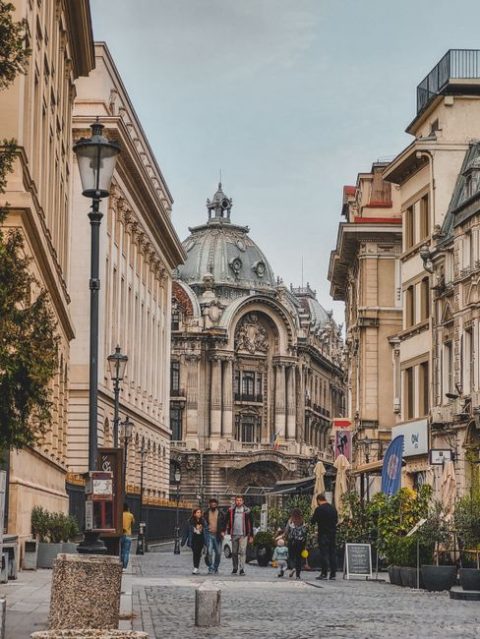
One of Craiova's main boulevards, hosting several important attractions including the Art Museum (Dinu Mihail Palace). This elegant street showcases the city's Belle Époque architectural heritage and serves as a primary axis for urban exploration. The boulevard connects major city districts and provides easy pedestrian access to cultural institutions, shopping areas, and dining establishments.
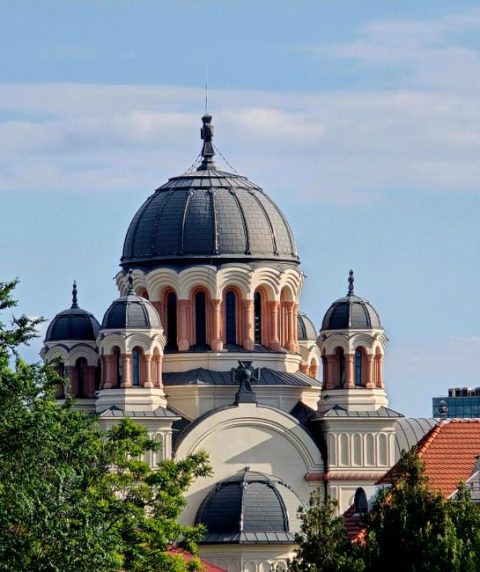
A vibrant square that captures the essence of Romanian culture and history. This public space serves as a gathering point for locals and visitors, offering glimpses into daily life in Craiova. The square hosts seasonal events and provides access to surrounding neighborhoods and commercial areas.
Tips for Neighborhoods & Districts
- Evening Exploration: The Old Town is particularly charming after 6 PM when restaurants open terraces and locals gather
- Café Culture: Stop at Cofetaria Minerva for coffee and desserts in beautifully decorated surroundings (note: service can be slow)
- Walking Route: Create a circuit from Piața Mihai Viteazul through the Old Town to Calea Unirii, hitting major attractions
- Restaurant Row: The Old Town offers the highest concentration of dining options - perfect for comparing menus before choosing
- Weekend Vibes: Squares and streets are liveliest on Friday and Saturday evenings
Craiova enhances its public spaces with artistic fountains and installations that combine aesthetic beauty with entertainment value.
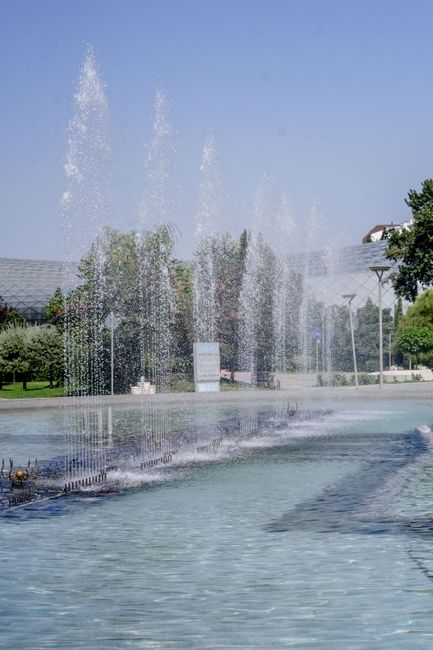
A mesmerizing spectacle where water, light, and music create an enchanting display that captivates visitors day and night. This modern attraction combines synchronized water jets with colorful LED lighting and musical accompaniment to produce dynamic shows. The fountain represents contemporary urban design and provides free entertainment for all ages. Evening performances are particularly spectacular when the lighting effects are most visible. The fountain area includes seating and viewing spaces, making it a popular gathering spot for locals and tourists. Seasonal programming varies, with extended shows during summer months and special presentations during holidays.
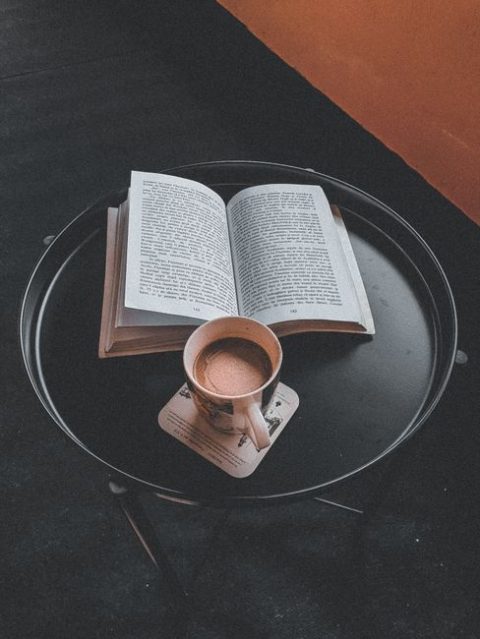
An enchanting tourist destination offering serene beauty perfect for relaxation and cultural experiences. This fountain features artistic design and provides a peaceful spot for contemplation. The name 'Fantana Ielelor' (Fountain of the Fairies) evokes Romanian folklore and adds mystical charm to the location.

A remarkable solar clock blending history, art, and vibrant local culture. This unique timepiece demonstrates astronomical principles while serving as an artistic landmark. The solar clock represents Craiova's appreciation for both scientific heritage and public art, creating an educational attraction that engages curious visitors.
Tips for Fountains & Public Art
- Musical Fountain Schedule: Check locally for show times - typically multiple evening performances during summer
- Best Viewing: Arrive 15 minutes early to secure good viewing positions, especially on weekends
- Photography: Bring a camera capable of night photography to capture the light displays
- Combined Visit: The Musical Fountain is near the city center - combine with Old Town exploration
Craiova maintains a vibrant cultural scene with world-class venues hosting theater, opera, classical music, and international festivals.
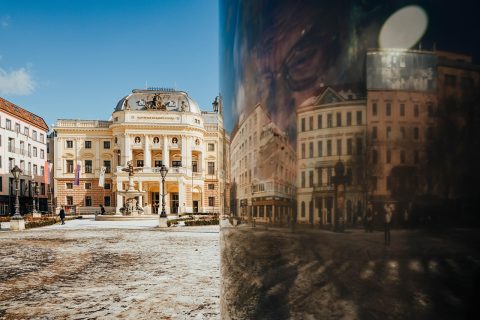
Located just 2 kilometers from the city center, this renowned destination draws theater enthusiasts and artists globally. The theater hosts the prestigious International Shakespeare Festival every two years, attracting talented performers and showcasing Romanian and international theatrical excellence. The well-arranged hall provides suitable settings for various events, featuring impressive performances by esteemed names in Romanian theater. As Craiova's only major theater, it serves as the default venue for significant productions, offering an authentic old theater atmosphere. The building itself represents important cultural heritage and architectural value.
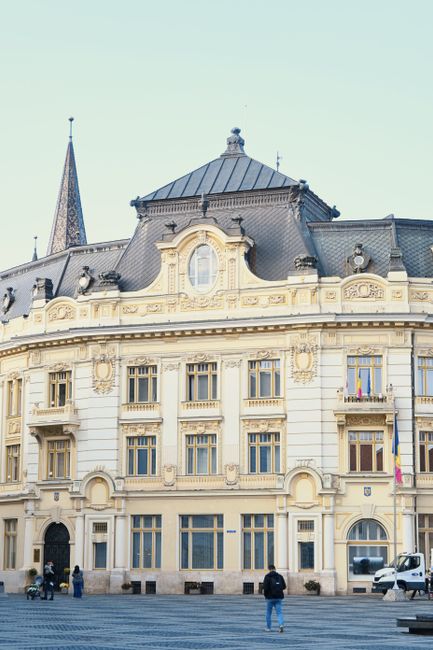
A significant cultural institution presenting opera and ballet performances of exceptional quality. The opera house showcases both classic repertoire and contemporary works, featuring talented Romanian singers, dancers, and musicians. The venue's elegant interior and professional productions make it a highlight of Craiova's cultural calendar. Regular performances include beloved operas like La Traviata, Carmen, and The Magic Flute, alongside ballet classics. The affordable ticket prices (compared to Western European opera houses) make world-class performances accessible to broader audiences.
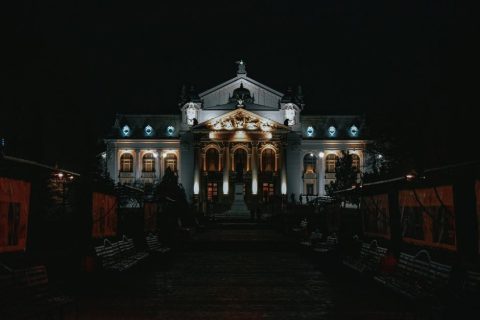
Craiova's premier venue for classical music, hosting concerts, recitals, and musical performances by regional and international artists. The philharmonic orchestra maintains high artistic standards and presents diverse programming throughout the season. The elegant concert hall provides excellent acoustics and an intimate atmosphere for experiencing live classical music. The institution plays a vital role in preserving and promoting Romania's musical heritage while introducing audiences to contemporary composers and international repertoire.
Tips for Nightlife & Entertainment
- Advance Booking: Purchase tickets online or at the box office at least 2-3 days before performances, especially for popular shows
- Dress Code: Smart casual to formal attire recommended for opera and theater; locals tend to dress up for performances
- Shakespeare Festival: If visiting during festival years (even-numbered years), book accommodations and tickets months in advance
- Affordable Culture: Ticket prices are remarkably affordable (15-50 lei typically) compared to Western Europe - excellent value
- Language Barrier: Theater performances are in Romanian, but opera and ballet transcend language barriers
- Schedule Check: Visit venue websites before your trip to see what's playing during your visit
Craiova's strategic location in Oltenia provides access to fascinating nearby destinations including monasteries, natural wonders, and historic sites within easy driving distance.
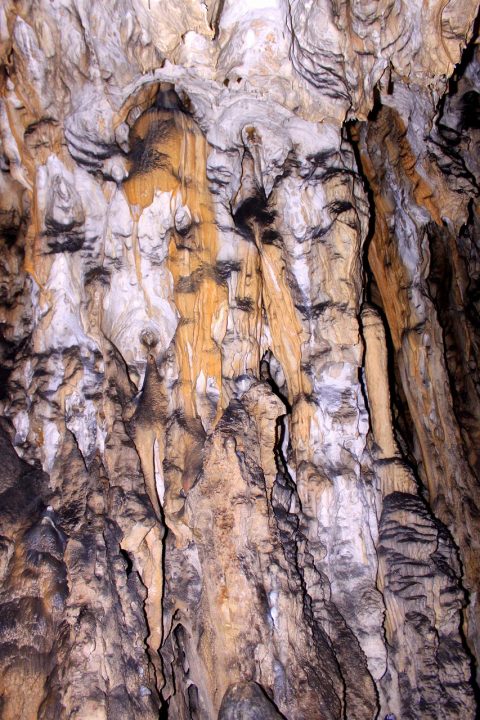
Located approximately 68 km (42 miles) north of Craiova, this stunning medieval monastery nestles in a spectacular mountainous setting. The monastery dates back centuries and features beautiful frescoes and traditional architecture. Adjacent to the monastery, the Polovragi Cave (Peștera Polovragi) offers an exciting natural attraction with impressive stalactite and stalagmite formations. The cave extends approximately 11,500 meters, though only a portion is accessible to tourists. The combination of spiritual heritage and natural wonder makes this an unforgettable day trip. The scenic drive through the Oltenia countryside adds to the experience, showcasing rural Romanian landscapes.
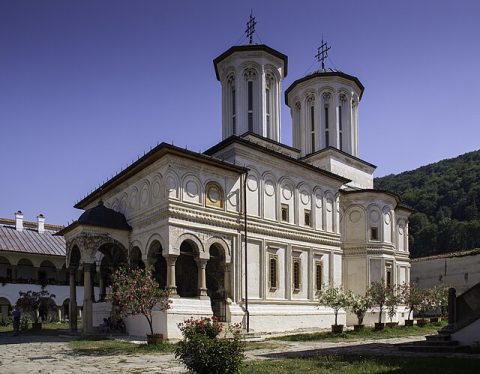
Located approximately 90 km from Craiova, Horezu Monastery is a UNESCO World Heritage Site and masterpiece of Brâncovenesc architecture. Founded in 1690 by Prince Constantin Brâncoveanu, this architectural ensemble represents the pinnacle of the Brâncovenesc style, harmoniously blending Byzantine architecture with Romanian folk art elements and Western Renaissance influences. The monastery complex features stunning exterior frescoes, ornate carved stone decorations, and beautiful interior paintings. The site is also famous for Horezu ceramics, a traditional pottery craft inscribed on UNESCO's Intangible Cultural Heritage list. Visitors can purchase authentic handmade pottery directly from local artisans. The monastery remains an active religious community and important pilgrimage destination.
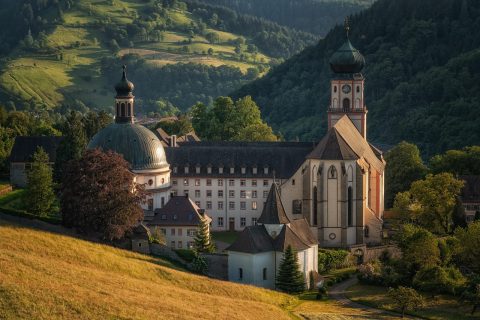
One of Romania's most important medieval monasteries, located about 40 km northwest of Craiova. Founded in 1375-1378 by Saint Nicodim of Tismana with support from Wallachia's ruler Radu I, this monastery represents a significant spiritual and architectural landmark. The complex features well-preserved medieval structures, beautiful frescoes, and peaceful grounds perfect for contemplation. Tismana Monastery played a crucial role in Romanian Orthodox monasticism and continues to function as an active religious community. The monastery is surrounded by forested hills, creating a serene atmosphere that has attracted pilgrims for over six centuries.
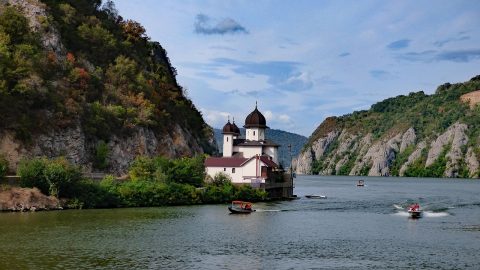
The spectacular Iron Gates gorge where the Danube River cuts through the Carpathian and Balkan mountains lies approximately 130 km south of Craiova. This dramatic natural wonder represents the border between Romania and Serbia and features towering cliffs, the famous rock sculpture of Decebalus (Europe's tallest rock sculpture), and the impressive Iron Gates Dam. The region offers boat tours, hiking opportunities, and visits to historic sites including Trajan's Plaque and archaeological remains. The scenic drive along the Danube provides stunning views and passes through charming riverside towns. This full-day excursion combines natural beauty, engineering marvels, and ancient history.
Tips for Day Trips & Excursions
- Car Rental Essential: Most day trips require a rental car as public transportation options are limited or time-consuming
- Early Departure: Leave Craiova by 8-9 AM to maximize time at destinations
- Pack Essentials: Bring water, snacks, comfortable walking shoes, and appropriate clothing for monastery visits (covered shoulders/knees)
- Cave Tours: Polovragi Cave requires guided tours; bring a light jacket as caves are cool year-round
- Photography: Check monastery policies before photographing interiors; exteriors are generally permitted
- Ceramics Shopping: Near Horezu, purchase authentic traditional pottery directly from artisans' workshops
- Combine Destinations: Polovragi and Tismana monasteries can be visited in a single long day trip as they're relatively close
- GPS Essential: Rural roads can be confusing; ensure you have reliable GPS navigation
Organized tours and activities provide structured ways to explore Craiova's attractions with expert guidance and local insights.
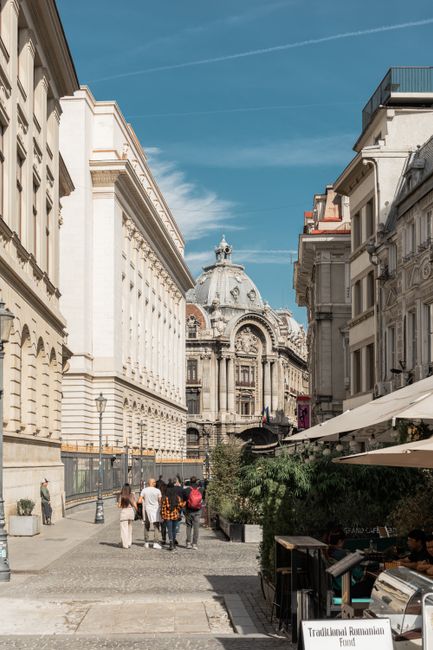
Guided walking tours provide comprehensive introductions to Craiova's historic center, architectural heritage, and cultural landmarks. Knowledgeable local guides share stories, historical context, and insider recommendations while leading visitors through the Old Town, major squares, and significant buildings. Tours typically cover the evolution of Craiova from medieval times through the Belle Époque to the present day. Walking tours offer opportunities to ask questions, discover hidden details, and gain deeper appreciation for the city's layered history. Some tours include stops at cafés or traditional restaurants for tastings of local specialties.
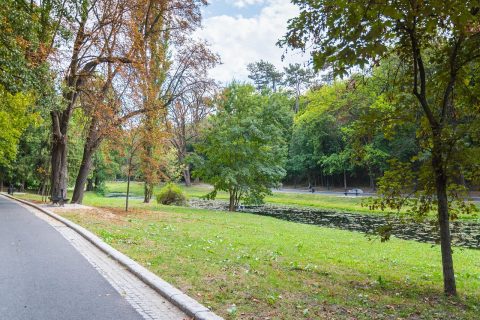
Brâncovenesc Architecture Tour
Specialized tours focusing on Craiova's outstanding examples of Brâncovenesc architectural style, the unique Romanian synthesis of Byzantine, Venetian, and traditional Romanian elements. Expert guides explain the historical context of this 17th-18th century architectural movement initiated by Prince Constantin Brâncoveanu. Tours visit key buildings including churches, boyar houses, and museums, highlighting distinctive features like ornate carved stone decorations, elegant proportions, and harmonious integration of various artistic traditions. Ideal for architecture enthusiasts and those seeking deeper understanding of Romanian cultural heritage.
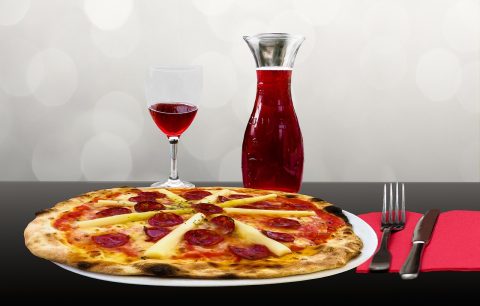
Food and Wine Experiences
Culinary tours introduce visitors to Oltenia's rich gastronomic traditions, including local dishes, traditional cooking methods, and regional wines. Experiences may include visits to local markets, traditional restaurants, and wine cellars. Participants taste authentic Romanian specialties while learning about food culture, seasonal ingredients, and family recipes passed through generations. Some tours include hands-on cooking classes where visitors learn to prepare traditional dishes. Wine tastings feature Romanian varieties including whites from the nearby Drăgășani wine region.
Tips for Tours & Activities
- Advance Booking: Contact tour operators or hotels 2-3 days in advance, especially during peak season
- Private vs Group: Private tours offer customization and flexibility; group tours are more economical
- English Availability: Confirm English-speaking guides when booking; not all tours offer English options
- Comfortable Footwear: Walking tours cover significant distances on cobblestone streets
- Tipping Culture: Tip guides 10-15% for excellent service (around 20-50 lei per person)
Real, highly-rated Restaurants in Craiova, sourced from Google Places (rating above 4★).

Restaurant The Wave is a highly-rated restaurant in Craiova, rated 5★ from 130 reviews. Located at Strada Brazda lui Novac 79E, 200690 Craiova, Romania.
Opening Hours
- Monday: 10:00 AM – 10:00 PM
- Tuesday: 10:00 AM – 10:00 PM
- Wednesday: 10:00 AM – 10:00 PM
- Thursday: 10:00 AM – 10:00 PM
- Friday: 10:00 AM – 10:00 PM
- Saturday: 10:00 AM – 10:00 PM
- Sunday: 10:00 AM – 10:00 PM

Nolla Brunch is a highly-rated restaurant in Craiova, rated 4.9★ from 308 reviews. Located at Strada Alexandru Macedonski 2, 200383 Craiova, Romania.
Opening Hours
- Monday: 9:00 AM – 3:00 PM
- Tuesday: Closed
- Wednesday: Closed
- Thursday: 9:00 AM – 3:00 PM
- Friday: 9:00 AM – 3:00 PM
- Saturday: 10:00 AM – 4:00 PM
- Sunday: 10:00 AM – 4:00 PM

Trattoria 64 is a highly-rated restaurant in Craiova, rated 4.9★ from 84 reviews. Located at Bulevardul Carol I 64, 200063 Craiova, Romania.
Opening Hours
- Monday: 9:00 AM – 11:00 PM
- Tuesday: 9:00 AM – 11:00 PM
- Wednesday: 9:00 AM – 11:00 PM
- Thursday: 9:00 AM – 11:00 PM
- Friday: 9:00 AM – 11:30 PM
- Saturday: 10:00 AM – 11:30 PM
- Sunday: 10:00 AM – 11:00 PM
Explore Craiova on the Map
Seasonal Guide to Craiova
Best Overall: May-June and September-October - Pleasant temperatures (18-25°C/64-77°F), fewer tourists, parks in full bloom or autumn colors, comfortable for walking and sightseeing.
Spring (March-May)
Spring is excellent for visiting, especially April-May. Nicolae Romanescu Park and the Botanical Garden showcase spectacular blooms. Temperatures range from 10-22°C (50-72°F). Occasional rain showers require flexible planning. Easter celebrations bring special religious services and cultural events.
Summer (June-August)
Peak tourist season with warm to hot temperatures (25-35°C/77-95°F). July and August can be quite hot with occasional heatwaves. Parks provide shade and refreshment. Musical fountain shows are most frequent. Outdoor terraces in Old Town are lively. The International Shakespeare Festival (even-numbered years) attracts visitors. Book accommodations in advance. Stay hydrated and wear sun protection.
Autumn (September-November)
September and early October are ideal - comfortable temperatures (15-25°C/59-77°F), beautiful fall foliage in parks, harvest season with fresh produce, fewer crowds than summer. Cultural venues resume full programming. Late autumn (November) becomes cooler and rainier.
Winter (December-February)
Cold temperatures (−5 to 5°C/23-41°F) with occasional snow. Christmas markets and decorations in December create festive atmosphere. Museums and indoor attractions remain open. Opera and theater season in full swing. Parks are less appealing but still accessible. Accommodation prices are lowest. Fewer tourists mean intimate experiences at museums.
Events to Consider
- International Shakespeare Festival (even years, usually April): Book well in advance
- Nicolae Romanescu Park Anniversary (May): Special events celebrating the park
- Christmas Market (December): Holiday festivities in city center
- Opera and Theater Season (October-May): Best programming during cooler months
Getting to Craiova
By Air
Craiova International Airport (CRA) - Located approximately 7 km (4.3 miles) east of the city center. The airport offers limited international connections with flights primarily to/from Italy (Milan, Rome, Turin, Bologna) via Wizz Air and other budget carriers, plus seasonal routes. Airport to City: Taxi (15-20 lei, approximately €3-4), private transfer, or car rental available at terminal. Travel time: 15-20 minutes.
Alternative: Bucharest Henri Coandă Airport (OTP) - Romania's main international hub, located 230 km (143 miles) from Craiova. Direct trains (3-3.5 hours) and buses connect Bucharest to Craiova. Many visitors fly to Bucharest and continue by ground transportation.
By Train
Craiova Railway Station (Gara Craiova) offers connections throughout Romania. From Bucharest: Direct trains (Intercity and Regio) take 3-3.5 hours with tickets costing 40-80 lei (€8-16) depending on class and train type. Modern Intercity trains are most comfortable. Booking: Purchase tickets at the station or online via CFR (Romanian Railways) website. International connections available via Bucharest.
By Bus/Coach
Multiple bus companies connect Craiova with major Romanian cities and international destinations. Buses typically depart from the central bus station. From Bucharest: Buses take 3.5-4.5 hours, cost 30-50 lei (€6-10). Companies include FlixBus and Romanian operators. Generally less comfortable than trains but sometimes cheaper.
By Car
Craiova is accessible via DN6/E70 (European route). From Bucharest: Approximately 230 km (143 miles) via A1 motorway and DN6, taking 2.5-3 hours depending on traffic. Roads are generally good condition. Paid highway sections require vignette (rovinieta). GPS recommended for navigation. Parking available in city center (paid zones) and at hotels.
Getting Around Craiova
On Foot
The best way to explore central Craiova. Old Town, major museums, squares, and monuments are within walking distance. Pedestrian-friendly streets make exploring pleasant. Comfortable shoes essential for cobblestone streets.
Public Transportation
Buses and Trams: Extensive network covers the entire city. Single tickets cost approximately 2-3 lei, available from kiosks or onboard (slightly more expensive). Day passes available. Useful for reaching Nicolae Romanescu Park (15-20 minutes from center). Service from early morning to late evening. Routes and schedules displayed at stops. Limited English information; ask locals or hotel staff for assistance.
Taxi & Ride-Sharing
Taxis: Affordable and widely available. Official taxis have meters and company markings. Expect to pay 1.5-3 lei per kilometer. Use reputable companies or ask hotels to call taxis. Uber and Bolt: Available in Craiova, often cheaper and more convenient than traditional taxis. Apps work in English.
Car Rental
Recommended for day trips to monasteries and natural attractions. International companies (Europecar, Budget, Sixt) have offices at the airport and in the city. Romanian driver's license or International Driving Permit required. Daily rates: €25-50 depending on vehicle class. Fuel prices reasonable. Parking in center can be challenging during business hours.
Bicycle
Bike rentals available at Nicolae Romanescu Park. City center has limited dedicated bike lanes but traffic is manageable. Parks are ideal for cycling. Consider bikes for exploring extensive park pathways (35 km within Romanescu Park alone).
✈️ Airport Transfer
Craiova International Airport (CRA) to city center:
- Taxi: About 15 minutes to the city center, roughly 30-40 RON on the meter
- Private transfer: Pre-booked car service to any city hotel in around 15 minutes, typically 80-100 RON
- Local bus: Infrequent public bus service connects the airport to central Craiova in about 25 minutes for around 3 RON
What to Buy in Craiova
Traditional Crafts & Souvenirs
Horezu Ceramics: If taking a day trip to Horezu Monastery, purchase authentic traditional pottery featuring distinctive red-brown clay with white, green, and blue decorative patterns. These UNESCO-recognized ceramics represent Romania's finest pottery tradition. Buy directly from artisan workshops near the monastery for authentic pieces and fair prices.
Traditional Textiles: Hand-embroidered tablecloths, blouses (ii românești), and woven rugs featuring Oltenia regional patterns. Available at craft shops and markets. These items showcase centuries-old textile traditions.
Wooden Crafts: Hand-carved wooden spoons, bowls, decorative items featuring traditional Romanian motifs. Look for items made from local hardwoods.
Religious Items: Icons, candles, crosses, and religious artwork available at churches and monastery shops. Proceeds often support religious communities.
Food & Drink
Romanian Wines: The nearby Drăgășani wine region produces excellent whites (Tămâioasă Românească, Crâmpoșie) and reds. Purchase from wine shops or directly from wineries during excursions. Affordable and high quality.
Palincă/Țuică: Traditional Romanian fruit brandy (especially plum). Strong (40-50% alcohol) and distinctive. Buy from reputable producers; small bottles make great gifts for spirits enthusiasts.
Honey and Bee Products: Romanian honey, especially acacia and forest varieties, is exceptional. Available at markets and specialty shops.
Traditional Sweets: Cozonac (sweet bread), halva, rahat (Turkish delight), slatko (fruit preserves). Perfect edible souvenirs. Visit Cofetaria Minerva for excellent cakes and pastries.
Shopping Areas
Old Town (Centru Vechi): Boutique shops, souvenir stores, art galleries. Best for unique items and browsing while exploring historic center.
Shopping Centers: Electroputere Mall, Craiova Mall, and Mercur Center offer modern retail experiences with Romanian and international brands, supermarkets, electronics, and food courts.
Markets: Traditional markets offer fresh produce, local products, and occasional craft vendors. Experience authentic Romanian market culture.
Museum Shops
Art Museum and Museum of Oltenia have small shops selling books, postcards, reproductions, and locally-made crafts. Proceeds support museums.
Shopping Tips
- Bargaining: Not customary in established stores; may be acceptable at outdoor markets for non-food items
- VAT Refund: Non-EU visitors can claim VAT refund on purchases over certain amount; keep receipts
- Cash vs Card: Cards accepted in malls and larger stores; markets and small shops prefer cash (Romanian lei)
- Authenticity: For traditional crafts, purchase from reputable sources or directly from artisans to ensure quality
- Customs Regulations: Check your country's customs limits for alcohol, food items, and valuable purchases
Annual Events & Festivals
Major Cultural Events
International Shakespeare Festival - Held biennially (every two years) in even-numbered years, typically in April. Romania's most prestigious theater festival, hosted by Marin Sorescu National Theater. Features world-class theater companies performing Shakespeare's works and classical drama. Attracts international performers and theater enthusiasts from across Europe. Planning tip: Book accommodations and tickets several months in advance as the festival draws large crowds.
Nicolae Romanescu Park Anniversary Celebrations - May. Special events celebrating the park's history and landscape architecture. Activities include guided historical tours, outdoor concerts, exhibitions, and family-friendly programs. Free admission to special events.
Summer Music Festivals - June-August. Various outdoor concerts and music events in parks and public squares. Musical fountain shows run most frequently during summer evenings. Check local cultural calendar for specific dates and performers.
Opera and Theater Season Opening - September/October. Cultural venues launch new seasons with gala performances and special events. Excellent opportunity to experience high-quality Romanian opera and theater.
Christmas Market and Winter Festivities - December. The city center transforms with festive decorations, Christmas market stalls selling crafts and food, seasonal performances, and New Year's Eve celebrations. Piața Mihai Viteazul becomes focal point for holiday activities.
Religious Celebrations
Easter (Paști) - Dates vary (March/April based on Orthodox calendar). Romania's most important religious holiday. Churches hold special midnight services (Înviere/Resurrection), processions, and blessings. Traditional Easter foods include cozonac (sweet bread), pască (Easter cake), and painted eggs. Experience authentic Romanian religious traditions.
Christmas (Crăciun) - December 25. Religious services in all churches. Traditional customs include carol singing (colinde), festive meals, and family gatherings.
Saint Demetrius Day (Sf. Dumitru) - October 26. Patron saint celebration at St. Demetrius Cathedral. Special religious services and local festivities.
National Holidays
- New Year's Day - January 1
- Day after New Year - January 2
- Unification Day (Union of Romanian Principalities) - January 24
- Orthodox Good Friday and Easter Monday - Dates vary
- Labor Day - May 1
- Children's Day - June 1 (public holiday)
- Assumption of Mary (Adormirea Maicii Domnului) - August 15
- St. Andrew's Day - November 30 (patron saint of Romania)
- National Day - December 1 (Great Union Day)
- Christmas - December 25-26
Note: During national holidays, most businesses, banks, and some museums close. Restaurants, cafés, and tourist attractions typically remain open. Public transportation may run on reduced schedules.
5 Detailed Day-by-Day Sample Itineraries
Day 1: Classic Craiova - Art, History & Architecture
Morning (9:00-12:30): Start with breakfast at a café near Piața Mihai Viteazul. Visit Craiova Art Museum (Dinu Mihail Palace) when it opens at 10:00. Spend 2-2.5 hours exploring the spectacular palace rooms, Brâncuși sculptures, and Romanian art collections. Don't miss the marble staircase and Murano crystal chandeliers.
Lunch (12:30-14:00): Walk to the Old Town (Centru Vechi) for lunch at a traditional Romanian restaurant. Try sarmale or mici with mămăligă.
Afternoon (14:00-17:00): Explore the Old Town pedestrian streets, browsing shops and admiring architecture. Visit St. Demetrius Cathedral (30 minutes). Continue to Museum of Oltenia (Casa Baniei and other locations). With your combo museum ticket, you can enter multiple sites. Explore ethnography and history exhibits for 1.5 hours.
Evening (17:00-20:00): Return to Piața Mihai Viteazul for photos during golden hour. Stop at Cofetaria Minerva for coffee and cakes in the beautifully decorated interior. Dinner at an Old Town restaurant with outdoor terrace. If it's summer, catch the Musical Fountain evening show.
Day 2: Green Craiova - Parks & Relaxation
Morning (9:00-12:30): Take bus or taxi to Nicolae Romanescu Park. Rent bikes at the entrance (or walk). Spend 3+ hours exploring the 35 km of pathways, artificial lakes, ornamental plantations, and scenic viewpoints. Visit the Zoo Craiova (free entry) and Botanical Garden within the park.
Lunch (12:30-14:00): Picnic in the park (bring supplies) or eat at a park café. Enjoy the serene lakeside atmosphere.
Afternoon (14:00-16:30): Continue exploring the park. The hippodrome area and hills offer great views. Photography enthusiasts will find countless opportunities, especially near water reflections.
Late Afternoon (16:30-18:00): Return to city center. Visit Jean Mihail Palace or another museum you missed on Day 1.
Evening (18:00-20:30): Explore Calea Unirii boulevard. Dinner at a restaurant near Piața Ierusalim. Experience local nightlife or attend a performance at the Romanian Opera or Filarmonica Oltenia (check schedules and book tickets in advance).
Day 3: Spiritual Craiova - Churches & Contemplation
Morning (9:00-12:00): Begin at St. Ilie Church to admire Gheorghe Tattarescu's murals (30 minutes). Continue to Madona Dudu Church, also featuring Tattarescu's artwork and housing part of the archaeology museum (45 minutes). Visit St. Nicolas Church or Stirbei Church to see additional examples of medieval religious architecture (30-40 minutes each).
Lunch (12:00-13:30): Light lunch at an Old Town café or restaurant.
Afternoon (13:30-17:00): Take taxi or drive to Cosuna Monastery (3.5 km outside city). Spend 45-60 minutes at Romania's oldest building in Craiova, enjoying the peaceful monastery grounds and medieval architecture. Return to city center. Visit any museums or attractions you haven't yet seen, or revisit favorites.
Evening (17:00-20:00): Attend evening service at St. Demetrius Cathedral if interested in experiencing Orthodox worship (typically 17:00-18:30). Dinner at upscale restaurant. Evening stroll through illuminated city center.
Day 4: Day Trip - Polovragi Monastery & Cave
Early Morning (8:00-10:00): Pick up rental car or join organized tour. Drive 68 km north to Polovragi (approximately 1.5 hours). Enjoy scenic Oltenia countryside views.
Morning (10:00-12:00): Visit Polovragi Monastery, exploring the medieval buildings, frescoes, and mountain setting. Learn about the monastery's history and significance (45 minutes). Tour Polovragi Cave with guide - bring jacket as caves are cool (1 hour). Marvel at stalactites and stalagmites formations.
Lunch (12:00-13:30): Lunch at nearby restaurant or pack picnic to enjoy in the scenic area.
Afternoon (13:30-15:30): Optional: Continue to Tismana Monastery (another 30 km) to visit this important 14th-century religious site. Alternatively, spend more time hiking in the Polovragi area.
Late Afternoon/Evening (15:30-18:00): Return drive to Craiova (1.5-2 hours depending on stops).
Evening (18:00-20:00): Relaxed dinner in Craiova. Rest after full day of travel.
Day 5: Cultural Immersion & UNESCO Day Trip
Full Day Option A - Horezu Monastery (UNESCO Site):
Early Morning (7:30-9:30): Early departure for Horezu Monastery (90 km, approximately 2 hours drive). Scenic route through rural Oltenia.
Morning (9:30-12:00): Explore Horezu Monastery UNESCO World Heritage Site. Admire the pinnacle of Brâncovenesc architecture, stunning frescoes, and carved stone decorations (1.5 hours). Visit local artisan workshops to see Horezu ceramics being made and purchase authentic pieces (1 hour). These UNESCO-recognized traditional crafts make exceptional souvenirs.
Lunch (12:00-13:30): Lunch at local restaurant featuring Oltenia specialties.
Afternoon (13:30-15:30): Optional: Visit nearby Hurezi Monastery or explore the Horezu town. Alternatively, begin return journey with stops at scenic viewpoints.
Late Afternoon/Evening (15:30-18:00): Return to Craiova (2 hours).
Evening (18:00-21:00): Farewell dinner at Craiova's best restaurant. Attend evening performance at Marin Sorescu National Theater or Romanian Opera if scheduled (book in advance).
Full Day Option B - Craiova Cultural Deep Dive (No Day Trip):
Morning (9:00-12:00): Attend morning performance at Marin Sorescu National Theater if matinee available, or visit any museums you want to revisit with more time. Consider the Museum of Oltenia departments you didn't fully explore (ethnography, natural history). Take a guided Brâncovenesc Architecture Tour if available (book in advance).
Lunch (12:00-14:00): Culinary experience at highly-rated restaurant. Try regional Oltenia specialties you haven't yet tasted.
Afternoon (14:00-17:00): Food and wine tour or cooking class if available (book in advance). Alternatively, visit local markets to experience authentic Romanian market culture. Shop for souvenirs, crafts, and food items to take home. Explore neighborhoods beyond the tourist center for authentic local atmosphere.
Evening (17:00-21:00): Sunset at Nicolae Romanescu Park for final photos by the lake. Farewell dinner with traditional Romanian music if available. Final evening stroll through the Old Town, perhaps stopping for drinks at a favorite café discovered during your visit. Attend opera or philharmonic concert (check schedules, book ahead).
Itinerary Tips
- Flexibility: These itineraries are suggestions; adjust based on your interests, energy levels, and weather
- Museum Days: Check museum closing days (typically Mondays); plan accordingly
- Booking Essential: Reserve theater/opera tickets, tours, and rental cars in advance
- Weather Backup: Have indoor alternatives ready for rainy days (museums, theaters, shopping centers)
- Walking Distance: Central attractions are walkable; wear comfortable shoes
- Pace Yourself: Romanian meals can be leisurely; don't over-schedule
- Local Rhythm: Shops may close 13:00-14:00 for lunch; restaurants get busy 19:00-21:00
Best Instagram & Photography Locations
Top Photo Spots with Timing Tips
1. Nicolae Romanescu Park - Artificial Lake Reflections
Best time: Early morning (6:00-8:00) or late afternoon (17:00-19:00)
The park's artificial lakes provide stunning mirror-like reflections of surrounding trees and sky. Morning mist adds ethereal quality; golden hour offers warm, magical lighting. Walk along the lake shores to find the best angles. The ornamental plantations create colorful frames, especially during spring blooms and autumn foliage. Bring wide-angle lens for landscape shots. Instagram tip: Capture the tree-lined pathways leading to the water for dramatic perspective.
2. Craiova Art Museum (Dinu Mihail Palace) - Grand Staircase
Best time: Midday (11:00-14:00) when natural light streams through windows
The palace's Carrara marble staircase with Murano crystal chandeliers is extraordinarily photogenic. Natural light from large windows creates dramatic illumination. Shoot from bottom looking up to capture the curved staircase and sparkling chandelier. The gilded details, mirrors, and ornate ceiling provide opulent backdrops. Photography note: Check museum policy; interior photography usually permitted without flash. Instagram tip: Include architectural details in close-ups - mirrors, stucco work, silk walls.
3. Piața Mihai Viteazul - Michael the Brave Statue
Best time: Sunset (18:00-20:00 in summer) for golden light
The dramatic equestrian statue dominates the central square. Shoot from low angle to emphasize the monument's power and scale. Evening illumination makes the statue glow against darkening sky. The surrounding classical buildings frame the composition beautifully. Instagram tip: Capture the statue with Old Town architecture in background; use fountain in foreground for depth.
4. Old Town (Centru Vechi) - Pedestrian Streets
Best time: Blue hour (20:00-21:00 in summer) for street lighting
Charming pedestrian streets with café terraces and historic buildings create quintessential European atmosphere. Evening when restaurants illuminate terraces and string lights glow. Capture the bustling café culture, architectural details, and street life. Look for interesting doorways, window displays, and decorative elements. Instagram tip: Shoot down narrow streets for vanishing point perspective; include people enjoying outdoor dining for life and color.
5. Musical Fountain - Water & Light Show
Best time: Evening during programmed shows (check schedule)
The synchronized water jets with colorful LED lighting create spectacular displays. Use long exposure (1-2 seconds) to capture water movement as silky streams. Tripod recommended for sharp images. Multiple colors cycle through performance - be ready to capture your favorites. Photography tip: Shoot from fountain edge or elevated position if available. Experiment with shutter speeds. Instagram tip: Create video boomerangs or time-lapses of the show.
6. St. Demetrius Cathedral - Exterior Architecture
Best time: Morning (9:00-11:00) for front-lit facade
The cathedral's impressive Brâncovenesc architecture showcases ornate details and harmonious proportions. Morning light illuminates the facade without harsh shadows. Shoot straight-on to capture symmetry, or from angles to show dimensional depth. Photography note: Respectful behavior required; ask before photographing during services. Interior photography may be restricted. Instagram tip: Capture architectural details - carved stone, frescoes visible from exterior, crosses and religious elements.
7. Nicolae Romanescu Park - Tree-Lined Pathways
Best time: Autumn (September-October) for fall colors; Spring (April-May) for blossoms
The park's 35 km of pathways include spectacular tree-lined allées creating natural tunnels. Autumn foliage provides explosion of reds, oranges, and golds. Spring brings fresh green leaves and flowering trees. Shoot down the center of paths for symmetry and depth. Instagram tip: Position a person (yourself or travel companion) in the distance for scale and storytelling; use leading lines to draw eye through image.
8. Casa Baniei (Baniei House) - Medieval Architecture
Best time: Late morning to early afternoon (10:00-14:00)
As one of Romania's oldest lay buildings, Casa Baniei offers authentic medieval architecture. The historic facade, traditional proportions, and aged materials create atmospheric images. Capture architectural details that showcase 17th-century construction. Instagram tip: Include historical context in caption about the building's significance as the Ban's residence.
9. Botanical Garden - Seasonal Blooms
Best time: Spring morning (8:00-10:00) for dew-covered flowers
The diverse plant collections provide endless macro photography opportunities. Different sections bloom throughout seasons. Morning dew adds sparkle to flowers and leaves. Soft morning light prevents harsh shadows. Photography tip: Bring macro lens or use camera's close-up mode; experiment with shallow depth of field for dreamy bokeh backgrounds. Instagram tip: Create flat-lay compositions with collected leaves and flowers (don't pick protected species).
10. Jean Mihail Palace - Belle Époque Elegance
Best time: Midday for well-lit interiors
This stunning palace showcases Belle Époque luxury with period furniture and elegant rooms. Interior architectural photography captures the wealth and taste of aristocratic Craiova. Check photography policies before entering. Instagram tip: Focus on details - ornate furniture, decorative elements, period room arrangements.
Photography Tips for Craiova
- Golden Hour Planning: Summer golden hour is 18:00-20:00; winter 15:30-17:00. Plan accordingly.
- Blue Hour Magic: The 20-30 minutes after sunset offer rich blue skies with artificial lighting - perfect for urban scenes
- Weather Apps: Check weather and sunrise/sunset times; clouds can enhance landscapes
- Respectful Photography: Always ask permission before photographing people; be respectful in churches
- Museum Policies: Verify photography rules; most museums allow photos without flash
- Drone Regulations: Check Romanian drone laws before flying; restricted near churches and government buildings
- Crowds: Visit popular spots early morning or weekday afternoons to avoid crowds
- Equipment: Bring wide-angle lens for architecture/landscapes; 50mm for portraits/details; tripod for low light
- Backup: Carry extra batteries and memory cards; charge devices overnight
- Instagram Hashtags: Use #Craiova #Romania #VisitRomania #ExploreCraiova #RomanianArchitecture #BrancusiArt #NicolaeRomanescuPark
Electrical Information for Romania
Voltage and Frequency
Voltage: 230V
Frequency: 50Hz
Romania uses the standard European electrical system. If your devices are designed for different voltage (e.g., 110V in USA), you'll need a voltage converter or transformer in addition to a plug adapter.
Plug Types
Type C (Europlug): Two round pins - the standard European plug, most common in Romania. Compatible with most European devices.
Type F (Schuko): Two round pins with two earth clips on the sides - German-style plug, also widely used in Romania. Provides grounding for higher-power appliances.
Both plug types C and F are interchangeable in Romania - Type C plugs fit into Type F sockets and vice versa.
Do You Need an Adapter?
If you're traveling from:
- Europe (most countries): No adapter needed - same plug types
- UK: Yes - UK uses Type G plugs (three rectangular pins)
- USA/Canada: Yes - North America uses Type A/B plugs (flat pins) and different voltage (110V)
- Australia/New Zealand: Yes - uses Type I plugs (angled flat pins)
- Asia: Depends on country - many Asian countries use different plug types
Where to Buy Adapters
- Before Travel: Purchase universal travel adapters at electronics stores or online before your trip
- Airport: Craiova International Airport has small shops selling adapters (limited selection, higher prices)
- In Craiova: Electronics stores in shopping malls (Electroputere Mall, Craiova Mall) sell adapters and converters
- Hotels: Some hotels provide adapters for guests - ask at reception
Voltage Converters
Most modern electronics (phones, laptops, cameras, tablets) have dual-voltage power supplies (110-240V) and only need a plug adapter. Check your device's power brick or label - if it says "INPUT: 110-240V," you only need an adapter.
Devices that may need voltage converters:
- Hair dryers (unless specifically dual-voltage)
- Hair straighteners/curling irons
- Older electronics not designed for international use
- Some small appliances
Warning: Using 110V-only device with 230V without converter will damage or destroy the device and could cause fire. Always check voltage compatibility!
Charging Your Devices
USB charging is universal - bring USB cables for phones and tablets. Many hotels, cafés, and restaurants offer USB charging ports or outlets. Power banks are useful for day trips.
Hotel Rooms
Most hotel rooms in Craiova have sufficient outlets for charging devices. Higher-end hotels may have international outlets or provide adapters. Ask at check-in if you need additional adapters or have questions about outlets in your room.
Culinary Guide to Craiova & Oltenia
Must-Try Traditional Dishes
Sarmale (Stuffed Cabbage Rolls): Romania's quintessential dish - cabbage leaves stuffed with minced pork and rice, slow-cooked with tomato sauce and spices. Traditionally served with mămăligă (polenta) and smântână (sour cream). The ultimate comfort food, especially popular during winter and holidays. Every family claims their recipe is the best. In Oltenia, sarmale are particularly savory and generously portioned.
Mici (Mititei): Small grilled skinless sausages made from ground meat (beef, lamb, pork mixture) heavily seasoned with garlic, black pepper, and secret spice blends. Served with mustard, bread, and often French fries. Perfect for casual meals or street food. Best enjoyed fresh off the grill with cold beer.
Ciorbă (Sour Soup): Romanian sour soups are distinctive and beloved. Ciorbă de burtă (tripe soup with garlic and sour cream) is a national treasure - don't let the ingredient list deter you; it's delicious and considered a hangover cure. Ciorbă de legume (vegetable soup) offers lighter option. The characteristic sour taste comes from borș (fermented wheat bran) or lemon juice.
Mămăligă: Traditional Romanian polenta made from yellow corn flour. Serves as bread substitute and accompanies most traditional meals. Creamy when fresh, firms up as it cools. Often served with cheese and sour cream, or as side dish with stews and meat dishes. Essential part of Romanian peasant cuisine.
Tocană: Rich meat stew (pork, beef, or chicken) slow-cooked with onions, tomatoes, and spices. Simple but deeply flavorful. Served with mămăligă and pickles. Oltenia versions tend to be heartier and spicier than other regions.
Ardei Umpluți (Stuffed Peppers): Bell peppers stuffed with meat and rice mixture, baked in tomato sauce. Similar to sarmale but with peppers instead of cabbage. Colorful and flavorful. Summer specialty when peppers are in season.
Plăcintă: Traditional pastry pie with various fillings - cheese (brânză), apples, pumpkin, or cherries. Can be sweet or savory. Flaky layers of dough encase flavorful fillings. Perfect for breakfast or snacks. Found in bakeries and restaurants.
Salată de Boeuf (Romanian Potato Salad): Festive potato salad with vegetables and mayonnaise, typically including diced potatoes, carrots, pickles, peas, and sometimes chicken or bologna. Traditionally served during Christmas and celebrations. Rich and satisfying.
Oltenia Regional Specialties
Tochitură Oltenească: Regional pork stew specific to Oltenia, featuring pork chunks cooked with sausages, bacon, and spices. Served with mămăligă, fried eggs, and fresh cheese. Hearty, rich, and utterly satisfying. Showcases Oltenia's agricultural abundance.
Drob de Miel: Traditional Easter dish of lamb offal pâté mixed with spring onions, herbs, and eggs, wrapped in caul fat and baked. Seasonal delicacy with distinctive flavor. If visiting during Easter, don't miss this tradition.
Cheese & Dairy
Brânză de Burduf: Strong, salty sheep cheese aged in pine bark, traditional to Romanian mountain regions. Intense flavor. Served as appetizer or with mămăligă.
Telemea: Brined white cheese similar to feta but milder. Made from sheep or cow milk. Essential ingredient in many Romanian dishes. Crumbled over salads or served as appetizer.
Cașcaval: Semi-hard yellow cheese, Romania's most popular cheese. Mild flavor, good for sandwiches or fried (cașcaval pane). Available everywhere.
Desserts & Sweets
Cozonac: Traditional sweet bread filled with walnuts, cocoa, or Turkish delight. Braided, slightly sweet dough creates beautiful loaves. Holiday specialty but available year-round in bakeries. Perfect with morning coffee.
Papanași: Beloved Romanian dessert of fried doughnuts made from cottage cheese dough, served with sour cream and jam (usually sour cherry or blueberry). Rich, indulgent, and absolutely delicious. A must-try dessert.
Clătite (Crêpes): Thin Romanian pancakes with sweet or savory fillings - chocolate, jam, cheese, or ice cream. Popular dessert or snack. Found in restaurants and specialized crêperies.
Prăjitură (Cakes): Romanians excel at layered cakes. Try Amandine (chocolate and almond cake), Cremșnit (custard cream cake), or Savarina (rum-soaked sponge cake). Visit Cofetaria Minerva in Craiova's Old Town for exceptional cakes in beautiful setting.
Beverages
Țuică/Palincă: Traditional Romanian fruit brandy (usually plum), strong (40-50% alcohol) and distinctive. Țuică is considered the "softer" version; palincă is double-distilled and stronger. Served as digestif or aperitif. Part of Romanian hospitality tradition.
Romanian Wine: Romania has ancient winemaking traditions. Drăgășani wine region near Craiova produces excellent whites including Tămâioasă Românească (aromatic sweet wine) and Crâmpoșie (dry white). Try local wines at restaurants - excellent quality at affordable prices.
Romanian Beer: Popular brands include Ursus, Timișoreana, Ciuc, and Silva. Light lagers perfect for summer. Craft beer scene is growing with microbreweries offering more variety.
Socată: Traditional elderflower cordial, refreshing non-alcoholic drink. Slightly fizzy, floral, and sweet. Summer refreshment.
Compot: Homemade fruit juice made by boiling fruits with sugar. Served cold. Common in Romanian households and traditional restaurants.
Where to Eat in Craiova
Traditional Romanian Restaurants: Old Town (Centru Vechi) concentrates the best dining options. Look for restaurants advertising "bucătărie tradițională românească" (traditional Romanian cuisine). Expect generous portions and reasonable prices.
Cofetaria Minerva: Historic café in Old Town famous for beautifully decorated Art Nouveau interior and excellent cakes. Perfect for coffee, desserts, and light meals. Note: service can be slow; relax and enjoy the atmosphere.
Restaurant Recommendations: Ask locals or hotel staff for current favorites - restaurant quality and ownership change. Generally, busy restaurants with Romanian clientele indicate good food and fair prices.
Dining Tips
- Meal Times: Lunch 12:00-15:00; Dinner 18:00-22:00. Romanians typically eat dinner later (19:00-20:00)
- Portions: Romanian portions are generous - consider sharing or ordering conservatively
- Tipping: 10% is standard for good service; round up for excellent service to 15%
- Cash vs Card: Most restaurants accept cards, but smaller establishments and markets prefer cash (Romanian lei)
- Menu Language: Upscale restaurants have English menus; traditional places may not - learn key dish names or use translation app
- Water: Tap water is safe to drink; request "apă de la robinet" for free tap water or order bottled water ("apă minerală")
- Bread: Often brought automatically and charged separately (a few lei); you can decline
- Vegetarian Options: Traditional Romanian cuisine is meat-heavy; vegetarian options improving in cities but may be limited
- Food Allergies: Communicate allergies clearly; English-speaking staff may not be available everywhere
- Market Shopping: Visit local markets for fresh produce, cheese, bread, and authentic food experiences
Tourist Passes
Combined Museum Ticket
The most valuable ticket option in Craiova allows access to multiple museums with a single purchase. When you buy a ticket at one municipal museum (such as the Art Museum or Museum of Oltenia), it grants entry to ALL participating museums in Craiova for that day. This typically includes: Craiova Art Museum (Dinu Mihail Palace), Museum of Oltenia (Casa Baniei and all departments including ethnography, natural history, and archaeology), Jean Mihail Palace, and other municipal cultural institutions. Exceptional value at approximately 15 lei (€3) per person. Perfect for culture enthusiasts planning to visit multiple museums. Purchase at the first museum you visit and present the ticket at subsequent museums. The ticket represents one of the best cultural bargains in Romania, making world-class art and history accessible to all visitors.
www.muzeuldeartacraiova.roFree Park Entry
Unlike many European cities, Craiova offers completely free entry to all public parks, including the magnificent Nicolae Romanescu Park, Botanical Garden, and Zoo Craiova. No tickets, passes, or entry fees required. This generous public access policy means visitors can enjoy hours of outdoor recreation, natural beauty, and wildlife observation without spending anything. The free entry makes Craiova particularly attractive for budget-conscious travelers and families. Simply arrive during opening hours and enjoy these spectacular green spaces. Note: While entry is free, some activities within parks (such as bike rentals) have separate fees.