Sibiu's architectural treasures showcase centuries of Saxon heritage, with fortifications, towers, and iconic squares that earned the city its European Capital of Culture title in 2007. The remarkably preserved medieval center, still partially enclosed by 12th-century walls, features distinctive architecture including the famous 'houses with eyes' - unique dormer windows that give buildings a watchful appearance.
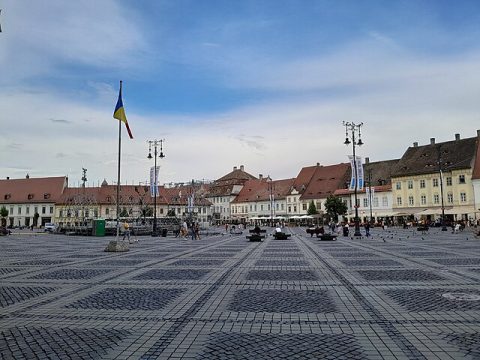
Piața Mare (Great Square)
The beating heart of Sibiu, this magnificent square has been the city's central gathering place since 1366. It's one of Transylvania's largest squares and hosts major festivals including Romania's renowned Christmas Market. The square is surrounded by elegant bourgeois houses, the Brukenthal Palace, and the iconic Council Tower. Beautifully renovated in 2007, it showcases stunning architecture and serves as the perfect starting point for exploring the Old Town. The square comes alive with outdoor cafés, cultural events, and street performers, offering an authentic taste of Transylvanian life.
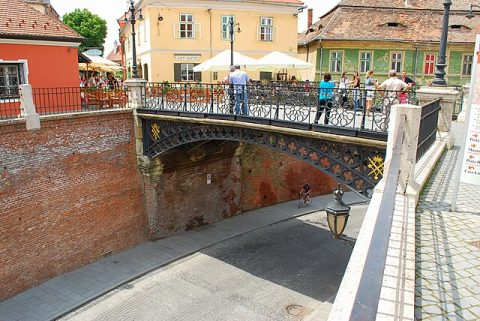
Bridge of Lies (Podul Minciunilor)
Romania's first cast-iron bridge, built in 1859, crosses Ocnei Street, linking two parts of the Small Square. According to legend, the bridge would creak or collapse if someone told a lie while crossing it. This charming pedestrian bridge, adorned with beautiful ironwork details, offers picturesque views and photo opportunities. Medieval merchants would swear oaths here, making it a historic commercial hub. The bridge spans impressive brick embankments and has become one of Sibiu's most photographed landmarks. Popular folklore also suggests the bridge was a favorite meeting place for young lovers who would test each other's honesty.
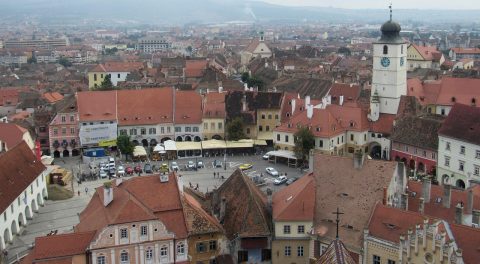
Piața Mică (Small Square)
Despite its name, this 'Small Square' is actually quite spacious with an irregular, charming shape. Lined with 14th to 16th-century merchants' houses featuring shaded arcades and the iconic 'eyes of Sibiu' dormer windows, the square exudes medieval atmosphere. A spiraling cobblestone street descends from the center to the Lower Town. The square hosts craft markets and outdoor dining, creating a vibrant yet intimate atmosphere. Connected to the Great Square through the Council Tower passage, it served as a secondary marketplace and artisan hub during medieval times.
Passage of the Stairs (Pasajul Scărilor)
This atmospheric covered stairway connects Upper Town with Lower Town, passing beneath the imposing Lutheran Cathedral. The narrow passage features elegant flying buttresses and creates a dramatic architectural experience. Historic stone steps descend past centuries-old walls, offering a glimpse into Sibiu's medieval urban planning where wealthy families and clergy lived above, while craftsmen and merchants worked below. At the bottom, you'll find the Golden Barrel (Butoiul de Aur) building, long billed as one of Romania's oldest inns. This essential thoroughfare captures the essence of old Transylvania.
Houses with Eyes
One of Sibiu's most distinctive features, these unique dormer windows create the impression that buildings are watching over the streets. Originally designed as ventilation for attic spaces where Saxon merchants stored perishable goods like grain and meat, these half-moon windows became a defining architectural characteristic. Found throughout the Old Town, particularly around the Small Square and Nicolae Bălcescu Street, they add a mysterious and whimsical charm to the cityscape. These 'eyes' have become a symbol of Sibiu, representing the city's watchful preservation of its heritage and creating countless photo opportunities for visitors.
Medieval Fortifications & Towers
Sibiu's medieval defensive system, developed from the 13th century, grew into four successive rings of walls, towers and bastions. The most visited today are the Stairs' Tower (Turnul Scărilor) and the Carpenters' Tower (Turnul Dulgherilor).
The Stairs' Tower stands approximately 20 metres (66 ft) tall and guards the covered staircase connecting Sibiu's Upper Town with Lower Town — a passage that has existed since the 13th century. The tower is one of the most photographed landmarks in the city.
The Carpenters' Tower belongs to the third ring of fortifications and was restored in 1967. It is named after the carpenters' guild responsible for its defence during the medieval period.
Together with the Council Tower and surviving wall sections along Cetăţii Street, these fortifications offer rare insight into medieval Saxon military architecture. Some sections of the ramparts remain accessible to visitors.
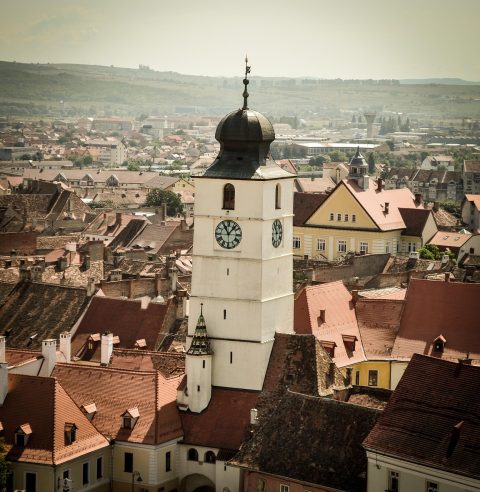
Council Tower (Turnul Sfatului)
Closed for about two years for rehabilitation (announced 2026) — the tower cannot be climbed. Standing sentinel between the Great and Small Squares, this seven-storey tower is Sibiu's enduring symbol. Built in the 13th century as part of the city's second ring of fortifications, it served as a watchtower and gateway. When open, its observation deck gives panoramic views over the Old Town's rooftops and the Făgăraș Mountains; meanwhile, the Lutheran Cathedral tower is the best climb in town. The tower features two lion reliefs carved in the late 16th century on its south side.
Tips for Landmarks & Monuments
- Best Photo Times: Early morning (7-9 AM) and golden hour (one hour before sunset) offer the best lighting for photographing the squares and towers with fewer crowds
- Walking Tour: Start at Piața Mare, climb Council Tower for orientation, explore Piața Mică, cross Bridge of Lies, and descend through Passage of Stairs - allows you to experience Upper and Lower Town efficiently
- Tour schedules vary; confirm departures with the tour operator before relying on a daily tour, providing excellent historical context and hidden stories
- Comfortable Footwear: Cobblestone streets throughout the Old Town require sturdy, comfortable shoes - heels are not recommended