Things to do in Sibiu
Sibiu's architectural treasures showcase centuries of Saxon heritage, with fortifications, towers, and iconic squares that earned the city its European Capital of Culture title in 2007. The remarkably preserved medieval center, still partially enclosed by 12th-century walls, features distinctive architecture including the famous 'houses with eyes' - unique dormer windows that give buildings a watchful appearance.
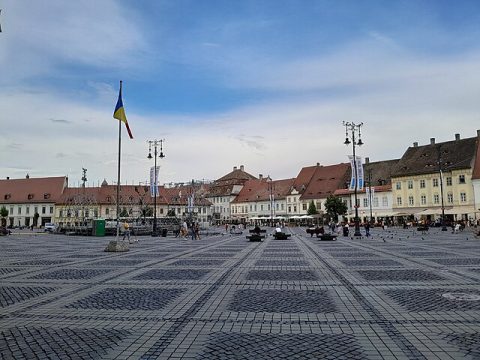
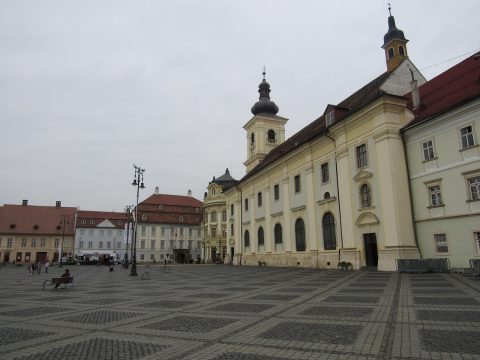
The beating heart of Sibiu, this magnificent square has been the city's central gathering place since 1366. Measuring 142 by 92 meters, it's one of Transylvania's largest squares and hosts major festivals including Romania's renowned Christmas Market. The square is surrounded by elegant bourgeois houses, the Brukenthal Palace, and the iconic Council Tower. Beautifully renovated in 2007, it showcases stunning architecture and serves as the perfect starting point for exploring the Old Town. The square comes alive with outdoor cafés, cultural events, and street performers, offering an authentic taste of Transylvanian life.
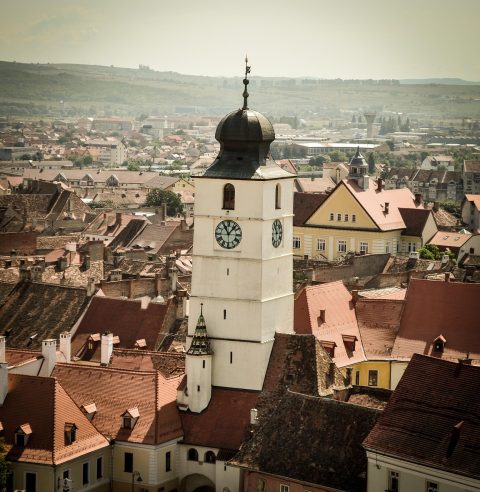
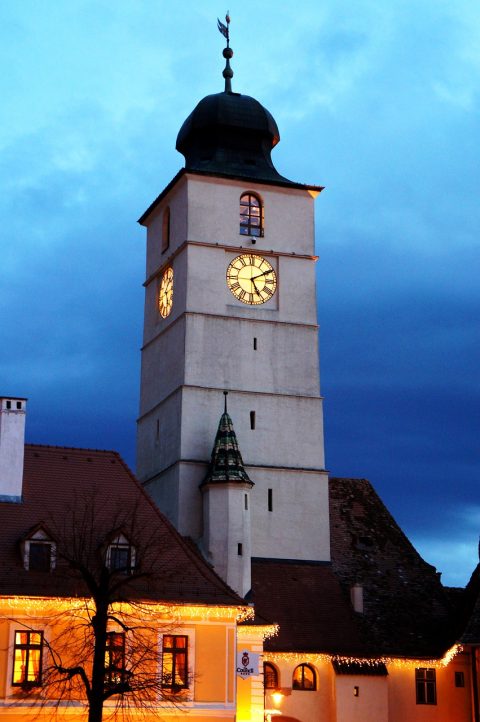
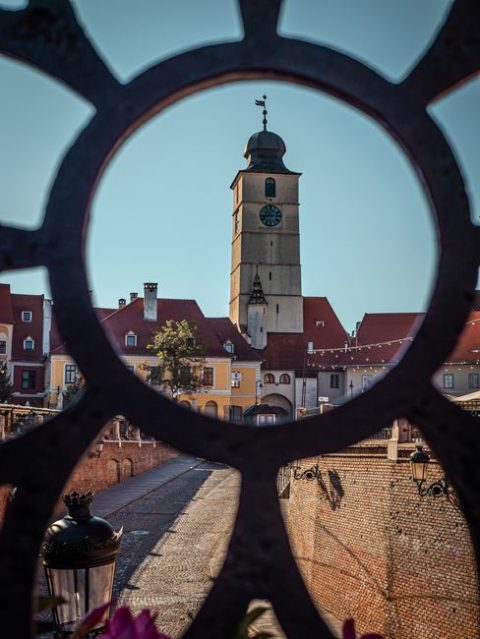
Standing sentinel between the Great and Small Squares, this seven-storey tower is Sibiu's enduring symbol. Built in the late 13th century as part of the city's second ring of fortifications, it served as a watchtower and gateway. Climb 141 steps to reach the observation deck for breathtaking panoramic views over the Old Town's terracotta rooftops and the distant Făgăraș Mountains. The tower features two lion reliefs carved in the late 16th century on its south side. At just 2 LEI entrance fee (less than $0.50), this is one of Europe's best bargain viewpoints. Open daily 10:00-20:00, the tower offers magnificent sunset vistas.
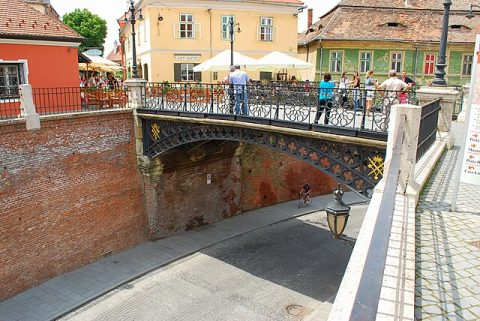
Romania's first cast-iron bridge, built in 1859, connects the Small Square with the Lower Town. According to legend, the bridge would creak or collapse if someone told a lie while crossing it. This charming pedestrian bridge, adorned with beautiful ironwork details, offers picturesque views and photo opportunities. Medieval merchants would swear oaths here, making it a historic commercial hub. The bridge spans impressive brick embankments and has become one of Sibiu's most photographed landmarks. Popular folklore also suggests the bridge was a favorite meeting place for young lovers who would test each other's honesty.
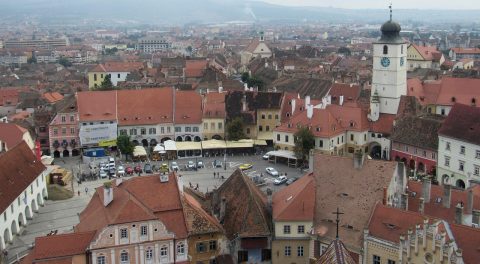
Despite its name, this 'Small Square' is actually quite spacious with an irregular, charming shape. Lined with 14th to 16th-century merchants' houses featuring shaded arcades and the iconic 'eyes of Sibiu' dormer windows, the square exudes medieval atmosphere. A spiraling cobblestone street descends from the center to the Lower Town. The square hosts craft markets and outdoor dining, creating a vibrant yet intimate atmosphere. Connected to the Great Square through the Council Tower passage, it served as a secondary marketplace and artisan hub during medieval times.
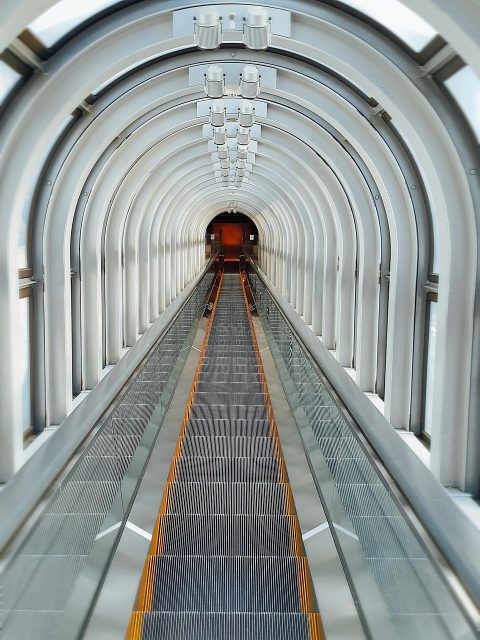
This atmospheric covered stairway connects Upper Town with Lower Town, passing beneath the imposing Lutheran Cathedral. The narrow passage features elegant flying buttresses and creates a dramatic architectural experience. Historic stone steps descend past centuries-old walls, offering a glimpse into Sibiu's medieval urban planning where wealthy families and clergy lived above, while craftsmen and merchants worked below. At the bottom, you'll find the Golden Barrel (Butoiul de Aur), Romania's oldest restaurant. This essential thoroughfare captures the essence of old Transylvania.
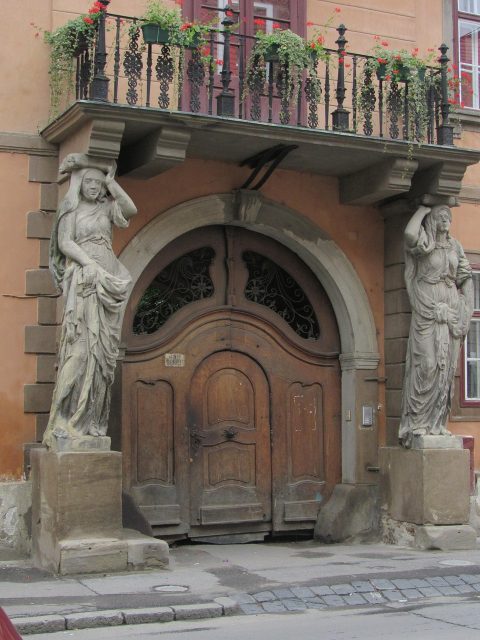
One of Sibiu's most distinctive features, these unique dormer windows create the impression that buildings are watching over the streets. Originally designed as ventilation for attic spaces where Saxon merchants stored perishable goods like grain and meat, these half-moon windows became a defining architectural characteristic. Found throughout the Old Town, particularly around the Small Square and Nicolae Bălcescu Street, they add a mysterious and whimsical charm to the cityscape. These 'eyes' have become a symbol of Sibiu, representing the city's watchful preservation of its heritage and creating countless photo opportunities for visitors.
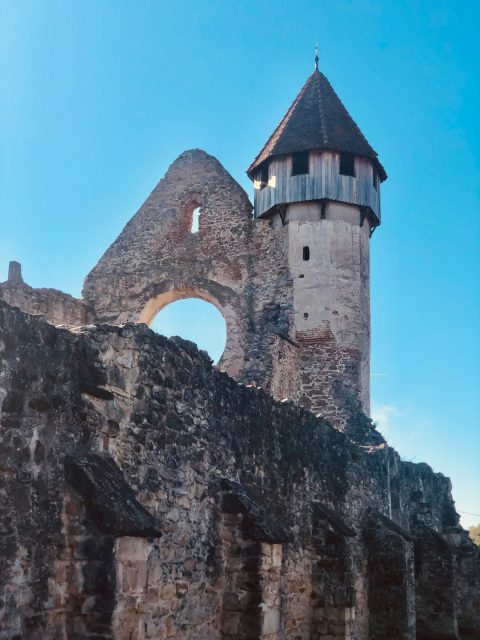
Sibiu's medieval defensive system, dating from the 12th century, encircled the city with three concentric rings of walls, towers, and bastions. The most visited today are the Stairs' Tower (Turnul Scărilor) and the Carpenters' Tower (Turnul Dulgherilor).
The Stairs' Tower stands approximately 20 metres (66 ft) tall and guards the covered staircase connecting Sibiu's Upper Town with Lower Town — a passage that has existed since the 13th century. The tower is one of the most photographed landmarks in the city.
The Carpenters' Tower was originally built in the 14th century as part of the second ring of fortifications, and underwent a significant restoration in 1920. It is named after the carpenters' guild responsible for its defence during the medieval period.
Together with the Council Tower and surviving wall sections along Cetăţii Street, these fortifications offer rare insight into medieval Saxon military architecture. Some sections of the ramparts remain accessible to visitors.
Tips for Landmarks & Monuments
- Best Photo Times: Early morning (7-9 AM) and golden hour (one hour before sunset) offer the best lighting for photographing the squares and towers with fewer crowds
- Walking Tour: Start at Piața Mare, climb Council Tower for orientation, explore Piața Mică, cross Bridge of Lies, and descend through Passage of Stairs - allows you to experience Upper and Lower Town efficiently
- Free Tours: Tip-based walking tours depart from the Great Square daily, providing excellent historical context and hidden stories
- Comfortable Footwear: Cobblestone streets throughout the Old Town require sturdy, comfortable shoes - heels are not recommended
Sibiu boasts Romania's oldest museum and one of Europe's largest open-air ethnographic collections. The city's museum complex rivals major European cultural centers, featuring everything from Old Masters paintings to traditional folk architecture, hunting trophies to pharmaceutical history.
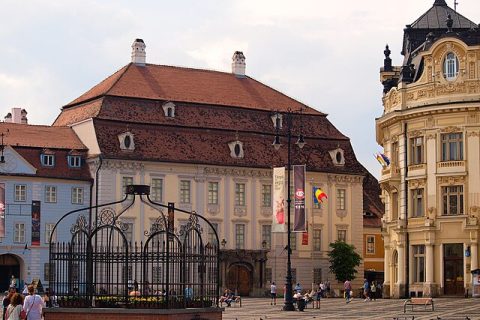
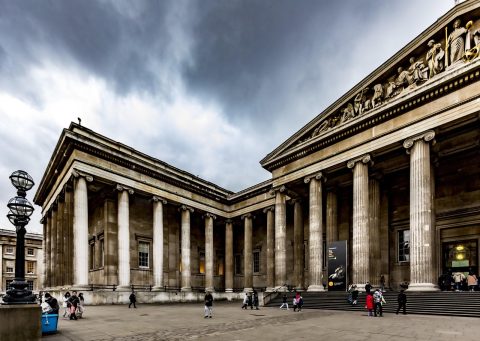
Romania's oldest museum (opened 1817) and one of Europe's first public museums, second only to the Louvre and British Museum. Founded by Baron Samuel von Brukenthal, Governor of Transylvania, the museum complex spans six locations. The main palace houses the European Art Gallery with approximately 1,200 works including pieces by Van Eyck, Memling, and Titian - the only Romanian museum with such masterpieces. Additional branches include the Museum of Natural History, History Museum, Pharmacy Museum (where homeopathy was invented), Hunting Museum, and Contemporary Art Gallery. The Brukenthal Library contains 300,000 volumes including the illuminated 16th-century Brukenthal Breviary. Winner of the European Union Prize for Cultural Heritage.
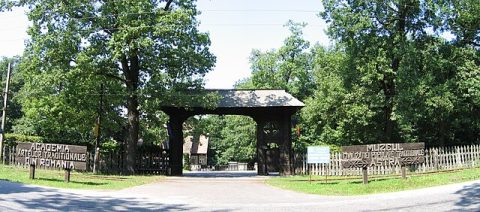
The largest open-air museum in Europe, covering 96 hectares (0.96 square kilometers) in Dumbrava Forest, 3km south of the city center. Over 300 authentic buildings showcase traditional Romanian folk civilization from the pre-industrial era, including houses, churches, windmills, watermills, workshops, and technical installations from all Romanian regions. The museum features 10km of walking paths around two artificial lakes, six thematic groups, and a modern wood sculpture exhibition. Highly awarded for its preservation of rural heritage, ASTRA offers a comprehensive journey through Romanian village life, traditional crafts, and folk technology. Plan several hours to fully explore this remarkable outdoor collection. Entry: 35 RON.
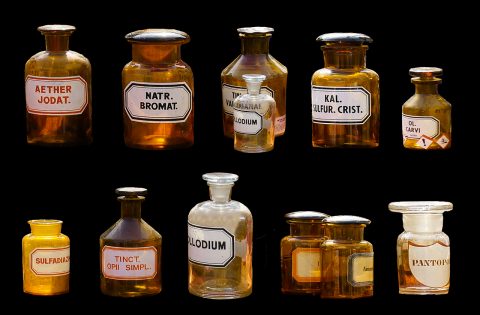
Located in a historic 1569 building housing Sibiu's first pharmacy, this fascinating museum showcases over 6,000 ancient medical instruments and dispensing tools. The basement is where Samuel Hahnemann invented homeopathy in 1797, making it a pilgrimage site for alternative medicine history. The museum recreates an 18th-century apothecary with Viennese-style wooden counters, glass jars, and pharmaceutical equipment. Features two laboratories, a homeopathic sector, and documentation area with valuable collections of wooden pharmaceutical jars. The reconstructed shop atmosphere provides unique insight into Transylvanian medical practices when Sibiu had more chemists than anywhere else in the region.
Housed in the Altemberger House, considered Transylvania's most important non-religious Gothic architecture ensemble. The museum presents Southern Transylvania's history from Neolithic and Roman periods through the Middle Ages and Baroque era. Collections include prehistoric artifacts, medieval relics, minerals, ecological displays, and paleontology exhibits. Originally focused on Hermannstadt (Sibiu's German name) and surroundings, it now reflects the entire Southern Transylvania region. The Gothic building itself, with foundation elements from the 13th century, is an architectural treasure worth exploring.
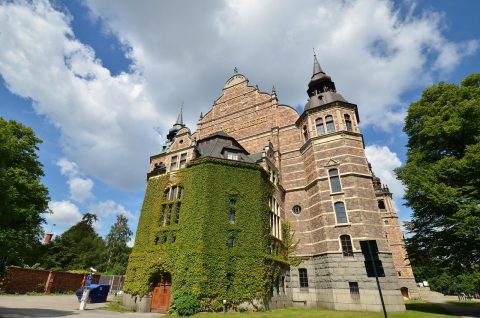
Dedicated to presenting the Transylvanian Saxon contribution to Romanian culture, this specialized museum features over 2,700 ceramic pieces, 4,000 textile and costume objects, and 400 wooden, metal, or bone artifacts including 150 painted furniture items. The collection includes a permanent exposition of decorative tiles. Named after Emil Sigerus, the museum fills an important gap by documenting the Saxon ethnic group's role in Transylvanian civilization. Located in the Small Square adjacent to the Franz Binder Museum, it offers insight into the German-speaking community that shaped Sibiu's character.
Tips for Museums & Galleries
- Museum Pass: Consider purchasing combo tickets for Brukenthal complex branches to save money if visiting multiple sites
- ASTRA Transport: Take Bus #13 or taxi/Bolt to ASTRA Museum; wear comfortable walking shoes as the site is extensive
- Timing: Visit ASTRA in the morning when it's less crowded and cooler, save city museums for afternoons or rainy days
- Photography: Check individual museum policies; most allow photos without flash except for temporary exhibitions
- Guided Tours: English-speaking guides available at major museums enhance understanding of collections' historical context
Sibiu's diverse religious architecture reflects centuries of coexistence between Lutheran, Orthodox, and Catholic communities. The city's churches range from imposing Gothic cathedrals to intimate medieval chapels, each telling stories of faith, power, and artistic achievement.
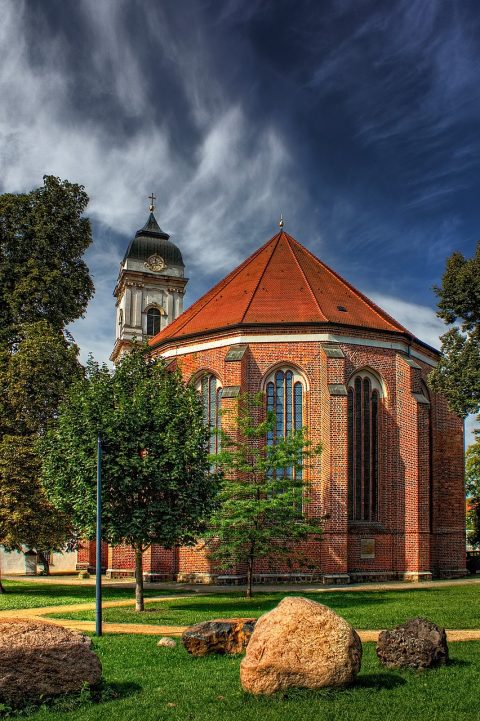
One of Transylvania's largest and most impressive Gothic churches, built between 1371 and 1520. The cathedral's 73.34-meter tower (seven levels with four corner turrets) was once the city's tallest building; the turrets signified Sibiu's right to impose death sentences (ius gladii). Houses two magnificent organs: the 1914-1915 Sauer Organ with 78 registers (largest in Transylvania) and the 1748 Hahn Organ. Features 67 funerary slabs including that of Baron Samuel von Brukenthal and Mihnea Vodă cel Rău (son of Vlad the Impaler). Climb 192 steps for panoramic city views. Located in Huet Square, the cathedral showcases beautiful frescoes, Gothic stonework, and remarkable epitaphs. According to legend, Sibiu attempted to build the tallest tower in Transylvania but was outwitted by Bistrița.
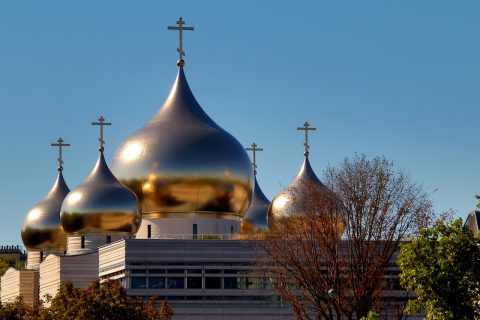
An impressive Romanian Orthodox cathedral distinguished by its round Byzantine architecture in red and yellow brick. Built with generous proportions, the exterior features distinctive domes and architectural elements typical of Orthodox ecclesiastical design. The interior showcases a high painted vault with beautiful dome frescoes and an ornate iconostasis covered with religious icons and carvings. Located on Mitropoliei Street, the cathedral has been renovated multiple times over the years, maintaining its role as an important spiritual center for Sibiu's Orthodox community. The cathedral serves as an architectural counterpoint to the Gothic Lutheran Cathedral, representing the city's religious diversity.
Dating from 1726, this Baroque church in the Great Square is one of Sibiu's few Catholic churches. After the Reformation swept through the city, most of the population converted to Lutheran denominations, leaving Catholics without a dedicated place of worship for many years. The church's elegant Baroque architecture and ornate interior provide a contrast to the Gothic Lutheran Cathedral. Its prominent location in Piața Mare makes it easily accessible, and its historical significance reflects the complex religious transformations that shaped Transylvanian society during the Reformation period.
Tips for Religious Sites
- Dress Code: Modest clothing recommended for all religious sites; shoulders and knees should be covered
- Service Times: Check mass/service schedules if you wish to observe religious ceremonies; tourist visits may be restricted during services
- Tower Climbs: Lutheran Cathedral tower climb requires reasonable fitness; stairs are narrow and steep but views are spectacular
- Organ Concerts: The Lutheran Cathedral occasionally hosts organ concerts - check schedules for this unique musical experience
- Photography: Generally allowed but be respectful; avoid flash and photography during services
Sibiu's pedestrian-friendly squares and historic streets form the backbone of the medieval cityscape. These interconnected public spaces served as marketplaces, gathering points, and commercial hubs for centuries, each with distinct character and architectural treasures.
Surrounded by Gothic buildings from the 1400s-1700s, this square is dominated by the Lutheran Cathedral and marks the site of Sibiu's earliest fortifications from the 1100s. The northern section features the Stairs Tower guarding the passage to Lower Town. Notable buildings include the red-painted Parochial House (nos. 1-2) built from the 13th century with a marvelous Gothic stone portal, and the Baroque Samuel von Brukenthal Gymnasium (no. 5) completed in 1776, the city's only totally German school. The square's intimate atmosphere and architectural harmony make it a favorite among photographers and history enthusiasts.
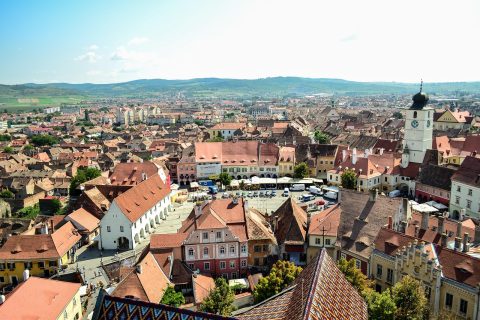
Sibiu's main pedestrian shopping street connecting Union Square with Great Square. This wide, convivial artery was historically the link between the marketplace and the now-defunct Cisnădie Gate at the city's southern entrance. Today it's lined with boutiques, souvenir shops, cafés, and bakeries including spots selling covrigi (traditional Romanian pretzels). The street showcases the famous 'houses with eyes' architecture and offers excellent shopping opportunities for local crafts, clothing, and decorations. Perfect for leisurely strolling, people-watching, and experiencing modern Sibiu's commercial vitality within a historic setting.
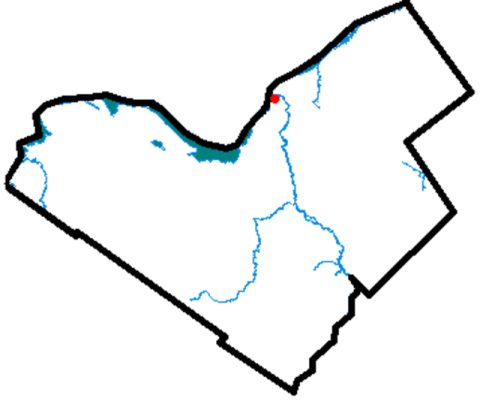
Nestled between the Cibin River and Upper Town, this area was historically home to merchants and craftsmen, contrasting with the Upper Town's wealthy families and clergy. The Lower Town features charming rustic two-story buildings with medieval authenticity, narrow cobbled lanes, and artisan workshops. Accessible through Huet Square gate or the Passage of Stairs, it offers a more intimate, residential atmosphere. The area includes the Golden Barrel (Butoiul de Aur), Romania's oldest restaurant, and provides unique perspectives of the Lutheran Cathedral looming above. Less touristed than Upper Town, it rewards exploration with authentic glimpses of old Sibiu life.
Tips for Squares & Streets
- Walking Circuit: Create a loop visiting all major squares: Piața Mare → Council Tower → Piața Mică → Bridge of Lies → Lower Town → Piața Huet → Passage of Stairs back to start
- Shopping Hours: Most shops on Nicolae Bălcescu open 10:00-20:00; some close Sundays
- Café Culture: Each square has excellent outdoor cafés - perfect for resting between sights while soaking in the atmosphere
- Evening Ambiance: Squares are beautifully lit at night, creating romantic atmospheres ideal for evening strolls
While Sibiu is primarily known for its medieval architecture, several green spaces provide respite from urban exploration and showcase the natural beauty surrounding the city at the foothills of the Făgăraș Mountains.
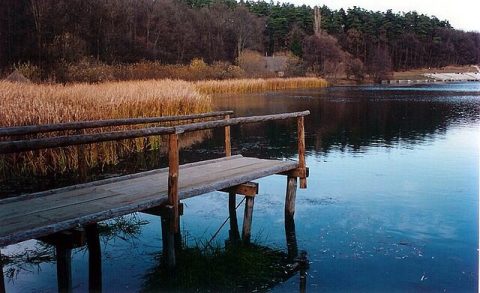
A lovely forested park area located 3km south of Sibiu's center, serving as the home of the ASTRA Open-Air Museum. The park encompasses the Dumbrava Forest with two artificial lakes connected by over 10km of walking paths. Beyond the museum, the park offers opportunities for hiking, picnicking, and outdoor recreation. The natural setting provides a peaceful escape from the city while remaining easily accessible by car, bus, or tram. Sub Arini Park section hosts the annual Focus Open-Air Music Festival in summer. The green space is popular with locals for weekend walks and family outings.
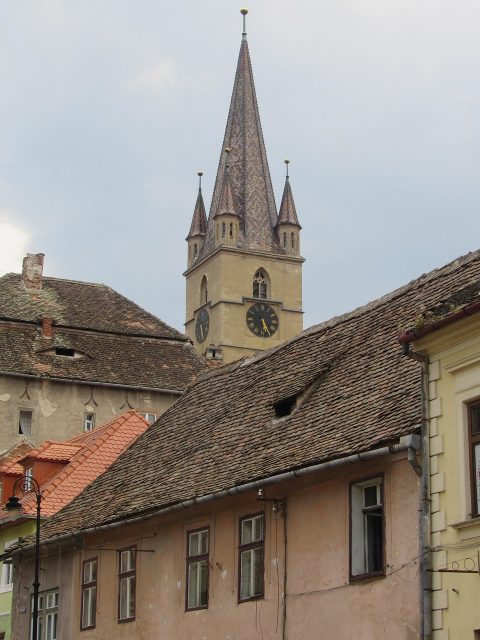
The Cibin River flows along the edge of the Lower Town, offering pleasant riverside walking paths and green spaces. This area provides a quieter alternative to the bustling squares, with opportunities to observe local life away from tourist crowds. The promenade connects various parts of the Lower Town and offers views of the Upper Town rising above. Popular with joggers, cyclists, and families, the riverside areas provide a refreshing natural element within the urban environment. Several bridges cross the river, each offering different perspectives of Sibiu's architecture.
Tips for Parks & Gardens
- Combine Activities: Visit ASTRA Museum and enjoy the surrounding Dumbrava Park in a single trip
- Seasonal Visits: Spring and autumn offer the most pleasant weather for park visits; summer can be warm but provides shade under forest canopy
- Picnic Provisions: Pick up supplies from local markets before heading to parks - perfect for outdoor dining
- Active Recreation: Consider renting bikes for exploring larger park areas more efficiently
Sibiu's central Transylvania location makes it an ideal base for exploring Romania's most famous attractions. From dramatic mountain roads to medieval castles and fortified churches, the surrounding region offers extraordinary day trip opportunities.
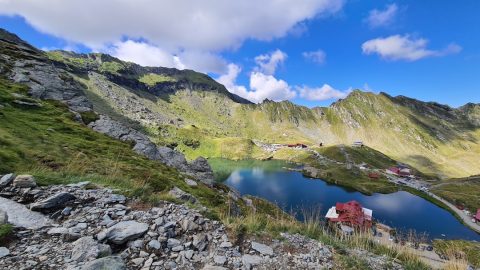
Named the world's best driving road by Top Gear's Jeremy Clarkson, this spectacular highway crosses the mighty Făgăraș Mountains with breathtaking twists and turns. The road reaches its highest point at Bâlea Lake (2,042m elevation), offering stunning alpine scenery, fresh mountain air, and hiking opportunities. In winter, the famous Bâlea Ice Hotel operates here. The dramatic portion is open only July 1 - October 30; outside these dates, a cable car provides access to Bâlea Lake. The journey includes stops at Cârța Monastery (12th-century Cistercian foundation) and traditional villages. This thrilling day trip combines engineering marvel with natural beauty. Distance: ~90km from Sibiu.
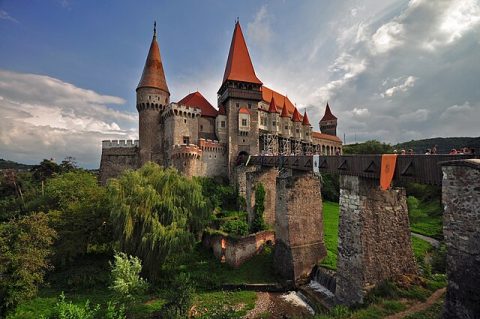
The largest castle in Eastern Europe and best preserved in Europe, Corvin (Hunyadi) Castle is a stunning Gothic-Renaissance fortress with a fascinating history. Built for the powerful Hunyadi family who ruled Transylvania and fought the Ottoman Empire, the castle features impressive towers, a drawbridge, inner courtyards, and atmospheric dungeons. Its history is more compelling than Bran Castle, with authentic medieval stories and urban legends rooted in truth rather than vampire myths. The castle's dramatic architecture has made it a filming location and tourist favorite. Distance: ~120km from Sibiu. Entry: 45 RON. Often combined with Alba Iulia Citadel visit.
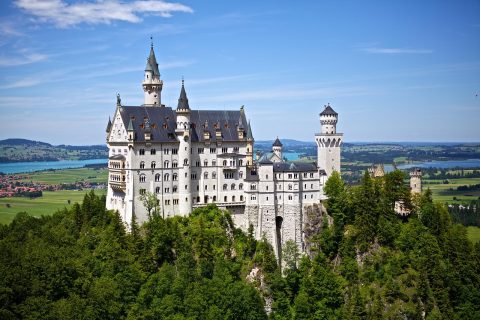
One of Europe's best-preserved medieval towns and UNESCO World Heritage Site, Sighișoara is the birthplace of Vlad the Impaler (the historical Dracula). The fortified citadel features the iconic Clock Tower, colorful burgher houses, cobbled streets, and nine remaining towers from the original fourteen. Walk the covered Scholars' Stairs (175 steps) to the hilltop Church on the Hill, explore Vlad Dracul's birthplace (now a restaurant), and wander the atmospheric medieval streets. The town hosts an annual Medieval Festival in July. Unlike commercialized Bran, Sighișoara offers authentic medieval atmosphere with genuine historical significance. Distance: ~90km from Sibiu. Entry to Clock Tower: 14 RON.
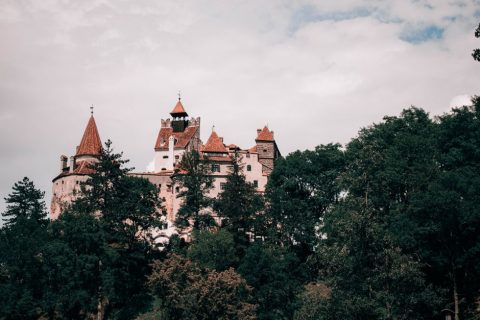
Romania's most visited castle, marketed as 'Dracula's Castle' due to its vague connection to Vlad the Impaler and its Gothic appearance matching Bram Stoker's fictional descriptions. The 14th-century fortress sits dramatically atop a 200-foot rock, featuring narrow winding stairways, secret passages, and atmospheric rooms filled with period furniture and armor. While the Dracula connection is largely commercial myth, the castle offers beautiful mountain views and genuine medieval architecture worth experiencing. Queen Marie of Romania resided here in the 1920s-30s, and her influence is evident in the interior design. Distance: ~140km from Sibiu. Entry: 55 RON. Very crowded in peak season.
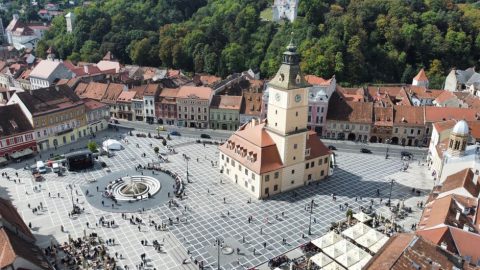
Transylvania's second-largest city and one of Romania's most beautiful, Brașov features a stunning medieval center with Saxon heritage similar to Sibiu. Key attractions include the massive Gothic Black Church (largest between Vienna and Istanbul), Council Square, the Hollywood-style Brașov sign on Mount Tâmpa, and narrow Rope Street (Strada Sforii - one of Europe's narrowest). The city offers excellent restaurants, cafés, and shopping. Cable car to Mount Tâmpa provides panoramic views. Brașov makes an excellent combination with Bran Castle or Peleș Castle. Distance: ~145km from Sibiu. Perfect for comparing two of Transylvania's Saxon jewels.
The Transylvanian countryside around Sibiu is dotted with UNESCO-protected fortified churches built by Saxon settlers from the 12th-16th centuries. These unique structures served dual purposes as places of worship and defensive refuges against Ottoman and Tatar invasions. Notable examples include Biertan (45km from Sibiu, the most impressive with triple defensive walls and a powerful fortress-church), Viscri (popularized by Prince Charles who owns a house there), and Prejmer (strongest fortified church in southeastern Europe). Villages maintain traditional lifestyles, offering authentic rural Romanian experiences. Combines history, architecture, and cultural immersion. Best visited by car to see multiple sites.
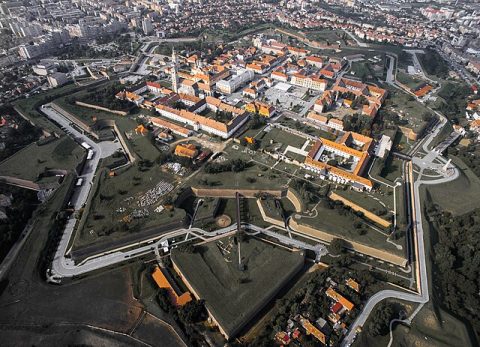
Romania's most impressive star-shaped Vauban fortress, Alba Iulia is where modern Romania was born in 1918 when Transylvania united with the Old Kingdom. The massive citadel features seven bastions, imposing gates with drawbridges, and 12km of defensive walls. Inside, discover the Orthodox Reunification Cathedral with stunning mosaics, the Catholic Cathedral (oldest Romanesque building in Romania), Roman ruins from Apulum, and the Royal Palace. Witness the impressive changing of the guard ceremony daily at noon. The fortress combines 2,000 years of history from Romans through Habsburgs to modern Romania. Distance: ~70km from Sibiu. Often combined with Corvin Castle visit.
Tips for Day Trips & Excursions
- Tour vs Self-Drive: Organized day tours handle logistics but limit flexibility; car rental (from €25/day) allows custom itineraries and multiple stops
- Transfăgărășan Timing: Start early (7-8 AM) to avoid traffic and clouds that often roll in after midday; check road status before traveling
- Castle Combinations: Corvin + Alba Iulia OR Bran + Brașov are ideal pairings within reasonable driving distances
- Saxon Villages: Hire a guide or join tour for fortified churches to access interiors and understand historical context
- Booking: Purchase castle tickets online in advance during peak season (July-August) to skip long queues
- Early Departures: Start day trips by 8 AM to maximize time at destinations and avoid crowds at popular sites
Beyond sightseeing, Sibiu and its surroundings offer diverse activities from culinary experiences to adventure sports, cultural workshops to seasonal festivals.
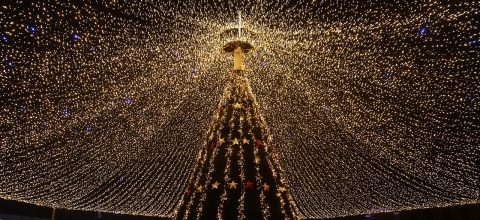
Sibiu hosts Romania's most famous Christmas Market, transforming Piața Mare into a winter wonderland from late November through early January. Ranked among Europe's best Christmas markets, it features over 100 wooden chalets selling handicrafts, ornaments, traditional foods, and mulled wine (vin fiert). Entertainment includes carol concerts, folk performances, ice skating rink, and elaborate light displays. The market atmosphere combines Germanic Christmas traditions with Romanian hospitality. Cozy and magical, less commercial than Western European markets yet equally enchanting. Sample kürtőskalács (chimney cake), cozonac (sweet bread), and warming soups while browsing unique gifts.
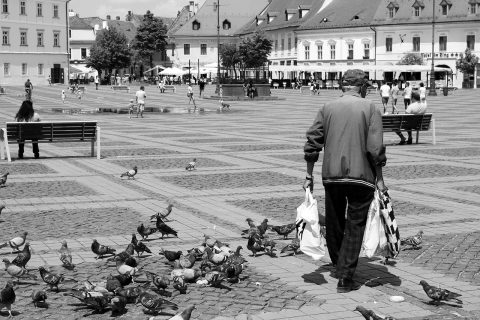
Tip-based guided walking tours departing daily from Piața Mare, offering excellent introductions to Sibiu's history, legends, and architecture. Professional English-speaking guides share stories about Saxon settlers, medieval guilds, famous residents like Hermann Oberth (rocket pioneer), and the city's transformation into European Capital of Culture. Tours typically cover all major Old Town squares, landmarks, and hidden corners over 2-2.5 hours. While officially 'free,' tips of 10-20 RON per person are expected and appropriate. Perfect first activity to orient yourself and decide which attractions warrant deeper exploration. Some companies offer specialized tours (Communist history, food tours, pub crawls).
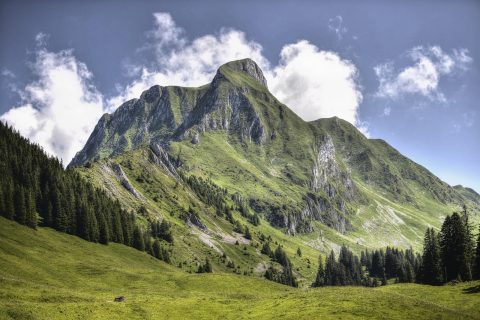
The Făgăraș Mountains, Romania's highest range, lie just south of Sibiu, offering world-class hiking from easy forest trails to challenging alpine routes. Popular options include cable car access to Bâlea Lake (2,042m) with surrounding peaks, multi-day ridge traverses for experienced hikers, and day hikes to mountain refuges and glacial lakes. The area features dramatic scenery, chamois wildlife, and authentic mountain hospitality in traditional cabanas. Guided hiking tours available for all skill levels. Best season: June-September for high mountain trails, year-round for lower elevations. The Făgăraș range is less crowded than Western European Alps while offering comparable beauty.
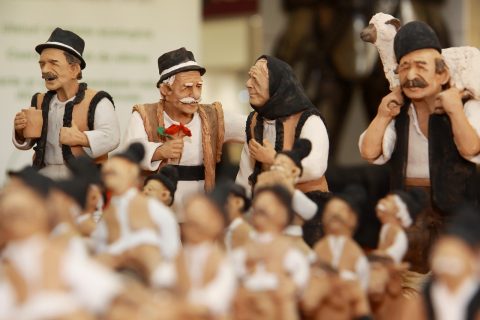
Learn to prepare authentic Romanian dishes like sarmale (cabbage rolls), mici (grilled meat rolls), or papanași (fried dough dessert) with local chefs or in home kitchens. These hands-on experiences provide insight into Transylvanian culinary traditions, ingredient selection at local markets, and cooking techniques passed through generations. Classes typically include market visits, preparation of 2-3 courses, and shared meals with recipe cards to take home. Some experiences take place in traditional Saxon houses or village settings outside Sibiu. Excellent for food enthusiasts wanting authentic cultural immersion beyond restaurants. Book through local tour operators or cooking schools.
Transylvania's emerging wine region produces quality wines from both international and indigenous Romanian grape varieties. Visit local wineries around Sibiu for tastings, cellar tours, and vineyard walks. The region specializes in white wines (Fetească Albă, Fetească Regală) and reds (Fetească Neagră, Pinot Noir). Some wineries offer food pairings with traditional Romanian cuisine. Tours can be arranged to multiple estates, combining wine education with countryside scenery. Several vineyards occupy historic estates or modern facilities with stunning views. Transport typically included in organized tours as responsible drinking requires non-driving alternatives.
Tips for Tours & Activities
- Advance Booking: Reserve cooking classes, wine tours, and specialized activities at least 3-5 days ahead, especially in peak season
- Mountain Safety: Check weather forecasts before mountain activities; conditions change rapidly at high elevations
- Seasonal Activities: Winter offers Christmas markets and skiing; summer best for hiking and outdoor festivals
- Local Guides: Hiring local guides enhances experiences through insider knowledge and supports the community
- Festival Calendar: Check event schedules - Sibiu hosts numerous festivals (music, theater, film) throughout the year
Real, highly-rated Restaurants in Sibiu, sourced from Google Places (rating above 4★).

Ouă și Unt is a highly-rated restaurant in Sibiu, rated 5★ from 1090 reviews. Located at Strada Târgul Vinului 6, 550191 Sibiu, Romania.
Opening Hours
- Monday: Closed
- Tuesday: Closed
- Wednesday: 9:00 AM – 3:00 PM
- Thursday: 9:00 AM – 3:00 PM
- Friday: 9:00 AM – 3:00 PM
- Saturday: 9:00 AM – 3:00 PM
- Sunday: 9:00 AM – 3:00 PM

JAR'S Steak & Spritz - Restaurant Sibiu is a highly-rated restaurant in Sibiu, rated 4.9★ from 2012 reviews. Located at Strada Ion Luca Caragiale 1A, 550117 Sibiu, Romania.
Opening Hours
- Monday: 7:00 AM – 12:00 AM
- Tuesday: 7:00 AM – 12:00 AM
- Wednesday: 7:00 AM – 12:00 AM
- Thursday: 7:00 AM – 12:00 AM
- Friday: 7:00 AM – 12:00 AM
- Saturday: 7:00 AM – 12:00 AM
- Sunday: 9:00 AM – 12:00 AM

PerTutti Ristorante is a highly-rated restaurant in Sibiu, rated 4.9★ from 419 reviews. Located at Str. Hipodromului 3, 550360 Sibiu, Romania.
Opening Hours
- Monday: 12:00 – 11:00 PM
- Tuesday: 12:00 – 11:00 PM
- Wednesday: 12:00 – 11:00 PM
- Thursday: 12:00 – 11:00 PM
- Friday: 12:00 – 11:00 PM
- Saturday: 12:00 – 11:00 PM
- Sunday: 12:00 – 11:00 PM
Explore Sibiu on the Map
Optimal Travel Seasons
May-September (Peak Season): Warmest weather with temperatures 20-28°C (68-82°F), ideal for outdoor activities, hiking, and exploring. The Transfăgărășan Highway is only open July 1 - October 30. Summer brings numerous festivals including ARTmania rock festival and Sibiu International Theatre Festival. Expect larger crowds and higher accommodation prices, especially July-August.
April and October (Shoulder Season): Pleasant temperatures 10-18°C (50-64°F), fewer tourists, and reasonable prices. Spring brings blooming landscapes; autumn offers stunning foliage in surrounding mountains. Ideal for photography and comfortable sightseeing. Most attractions remain open with full schedules.
November-March (Winter/Christmas Season): Cold weather 0 to -10°C (32-14°F) with possibility of snow creating fairy-tale atmosphere. Late November through early January features Romania's most celebrated Christmas Market - worth planning entire trip around. Winter sports available in nearby Păltiniș ski resort. Some mountain roads closed; indoor attractions like museums become priorities.
Best Overall: Late May-June or September-early October offer optimal balance of good weather, manageable crowds, and full access to attractions including mountain roads.
| Month | Avg High | Avg Low | Precipitation | Crowds |
|---|---|---|---|---|
| January | 2°C (36°F) | -6°C (21°F) | Low | Low |
| April | 16°C (61°F) | 5°C (41°F) | Moderate | Low |
| July | 25°C (77°F) | 14°C (57°F) | Moderate | High |
| October | 15°C (59°F) | 5°C (41°F) | Low | Moderate |
| December | 3°C (37°F) | -4°C (25°F) | Low | High (Market) |
Getting There & Around
Arriving in Sibiu
By Air: Sibiu International Airport (SBZ) is 5km west of city center, served by low-cost carriers including Wizz Air, Ryanair, and Blue Air with connections to major European cities (Vienna, Munich, London, Milan). Airport to city center: Taxi/Bolt (15-20 RON, ~10 minutes), Airport Bus (2.50 RON), or rental car pickup available.
By Train: Sibiu railway station has direct connections to Bucharest (5-6 hours), Brașov (2.5-3 hours), and other Romanian cities. Modern Softrans private trains offer comfortable service. Book tickets at CFR Călători or stations. Station located 1.5km north of Old Town (15-minute walk or short taxi ride).
By Bus: FlixBus and other carriers connect Sibiu to major Romanian and European cities. Bus station adjacent to railway station. Generally faster and more frequent than trains for domestic routes.
By Car: Sibiu is well-connected via E68/A1 motorway. From Bucharest: 280km (3.5-4 hours), Cluj-Napoca: 170km (2.5 hours), Brașov: 145km (2-2.5 hours). Note: Romanian vignette (road tax) required for motorways - purchase at borders, gas stations, or online at Roviniete.ro.
Getting Around Sibiu
Walking: The Old Town is compact and entirely walkable - most major attractions within 10-15 minute walk of each other. Cobblestone streets require comfortable footwear.
Local Buses/Trams: Efficient TURSIB public transport system covers the city. Single ticket: 2.50 RON, day pass: 7 RON. Bus #13 goes to ASTRA Museum. Purchase tickets from kiosks or drivers (slightly more expensive). Validate tickets on board.
Taxi/Ride-sharing: Taxis are affordable (starting fare ~2 RON, ~2 RON/km). Bolt (ride-sharing app) widely used and recommended over traditional taxis - transparent pricing and no scams. Download app before arrival.
Car Rental: Essential for day trips to Transfăgărășan, Corvin Castle, or fortified churches. Available at airport and city center from €25/day. International companies (Sixt, Budget, Europcar) and local agencies available. International driving license recommended though EU licenses accepted.
Bicycle: Limited bike rental options; Old Town's cobblestones not ideal for cycling. Better for riverside paths or park areas.
Parking
Old Town largely pedestrianized. Paid parking zones outside center: 5-8 RON/hour. Underground parking at Shopping City Sibiu or paid lots near Teatrului Street. Hotels often provide parking or arrangements.
✈️ Airport Transfer
Sibiu International Airport (SBZ) to city center:
- Taxi: About 10 minutes to the city center, fixed rate around 25-30 RON
- Public Bus Line 11: Runs from the airport to the city center in roughly 20 minutes, ticket costs about 2.5 RON
- Private Transfer: Pre-booked car service to your hotel in 10-15 minutes, typically 80-100 RON
- Car Rental: Several agencies operate desks in the small terminal, with rates starting around 120 RON per day
Shopping & Souvenirs
What to Buy
Traditional Crafts: Hand-embroidered blouses (ie românească), wool rugs, hand-painted ceramics, wooden folk art, and traditional pottery. Look for authentic items rather than mass-produced tourist souvenirs.
Leather Goods: Romania has strong leather-working tradition - quality jackets, bags, wallets, and belts at reasonable prices compared to Western Europe.
Food Products: Plum brandy (țuică or pălincă), local honey, rose petal jam, traditional sweets, and Romanian wines. These make excellent gifts and are available at markets and specialty shops.
Religious Items: Hand-painted icons, Orthodox crosses, and religious books available near churches and in specialty shops.
Kürtőskalács: Fresh chimney cakes (cinnamon sugar pastry) make delicious take-home treats - best consumed within a day.
Where to Shop
Strada Nicolae Bălcescu: Main shopping street with boutiques, souvenir shops, bookstores, and chain stores. Mix of local and international brands.
Piața Cibin (Market Hall): Traditional covered market near the bridge to Lower Town. Fresh produce, meats, cheeses, and local products. Authentic local experience - open mornings Monday-Saturday.
Shopping City Sibiu: Modern mall on outskirts with international brands, supermarket, electronics, and food court. Useful for practical purchases.
Christmas Market (Seasonal): Best place for traditional crafts, ornaments, and handmade gifts during November-January.
Museum Shops: ASTRA and Brukenthal museums have quality gift shops with books, reproductions, and authentic crafts.
Shopping Tips
- Bargaining: Not customary in established shops, but acceptable at outdoor markets and with street vendors - negotiate respectfully
- Quality Check: Examine handmade items carefully; ask about origins to ensure authenticity
- Tax Refunds: Non-EU residents can claim VAT refund on purchases over 175 RON - ask for Tax-Free forms
- Shop Hours: Typically 10:00-20:00; some close Sundays or have reduced hours
- Cash vs Card: Cards widely accepted in shops; cash preferred at markets
Annual Events & Festivals
Sibiu Christmas Market (Late November - Early January): Romania's most famous Christmas market transforming Piața Mare into winter wonderland. Crafts, traditional foods, mulled wine, concerts, ice skating. Internationally recognized as one of Europe's best.
Sibiu International Theatre Festival (FITS) - June: One of Europe's largest performing arts festivals with hundreds of performances, street theater, and international companies. City becomes open-air stage with events in unconventional spaces.
ARTmania Festival (July): Premier rock and metal music festival attracting international acts and thousands of fans to the city.
Astra Film Festival (October): International documentary film festival showcasing non-fiction cinema from around the world. Screenings throughout city venues.
Transylvania International Film Festival - Sibiu Edition (Various dates): Romania's largest film festival extends to Sibiu with special screenings and events.
Medieval Festival (Summer): Historical reenactments, traditional crafts demonstrations, medieval markets, and costume performances celebrating Sibiu's Saxon heritage.
Romanian National Holidays
- New Year (January 1-2): Public holiday, most businesses closed
- Easter (Variable, March/April): Romania's most important religious holiday - Friday through Monday. Churches beautifully decorated, traditional foods, midnight services
- Labour Day (May 1): Public holiday
- Children's Day (June 1): Special events and activities for families
- Pentecost Monday (Variable, May/June): Religious holiday
- Dormition of Mary (August 15): Major religious celebration
- St. Andrew's Day (November 30): Romania's patron saint; traditional celebrations
- National Day (December 1): Celebrates 1918 unification - parades, concerts, festivities
- Christmas (December 25-26): Two-day celebration with traditional meals, carols, and family gatherings
Note: During Easter and Christmas, many shops and restaurants close or have reduced hours. Book accommodation well in advance for Christmas Market period and major festivals.
Sample Itineraries
Day 1: Old Town Highlights (First-Time Visitors)
Morning (9:00-12:30):
- 9:00 - Start at Piața Mare, enjoy coffee at outdoor café while admiring architecture
- 10:00 - Climb Council Tower for panoramic views and orientation (30 min)
- 10:45 - Explore Piața Mică and cross Bridge of Lies, photograph 'houses with eyes'
- 11:30 - Visit Brukenthal Palace European Art Gallery (1.5 hours)
Lunch (13:00): Traditional Romanian meal at restaurant in Great Square
Afternoon (14:30-18:00):
- 14:30 - Walk through Piața Huet, visit Lutheran Cathedral, climb tower if open
- 16:00 - Descend Passage of Stairs to Lower Town
- 16:30 - Explore Lower Town streets and fortification walls
- 17:30 - Return to Upper Town via different route, shop for souvenirs on Strada Nicolae Bălcescu
Evening: Dinner at traditional restaurant; evening stroll through illuminated squares
Day 2: Museums & Culture
Morning (9:00-13:00):
- 9:00 - Take Bus #13 or taxi to ASTRA Open-Air Museum
- 9:30-13:00 - Explore museum's 96 hectares (allow 3-4 hours minimum)
Lunch: Restaurant at ASTRA Museum or picnic in Dumbrava Forest
Afternoon (14:30-18:00):
- 14:30 - Return to city center
- 15:00 - Visit Museum of Pharmacy (45 min) and History Museum (1 hour)
- 17:00 - Free time: additional museum visits, relaxing in cafés, or shopping
Evening: Attend cultural performance if available (theater, concert) or enjoy upscale dinner
Day 3: Transfăgărășan Highway Adventure (Summer Only)
Full Day Excursion (8:00-19:00):
- 8:00 - Early departure from Sibiu (rent car or join tour)
- 9:00 - Stop at Cârța Monastery (30 min)
- 10:00 - Begin Transfăgărășan ascent, multiple photo stops at hairpin turns and viewpoints
- 12:00 - Arrive Bâlea Lake, lunch at mountain refuge, short hike around lake
- 14:00 - Optional: cable car to upper station or hike to nearby peaks
- 15:30 - Descend via same route or continue south (if doing full crossing)
- 18:00-19:00 - Return to Sibiu
Evening: Light dinner, rest after mountain adventure
Day 4: Castle Circuit - Corvin & Alba Iulia
Full Day Excursion (8:00-19:00):
- 8:00 - Depart Sibiu toward Hunedoara
- 9:30 - Arrive Corvin Castle, explore 2-2.5 hours including photos and interior tour
- 12:00 - Lunch in Hunedoara or en route to Alba Iulia
- 13:30 - Drive to Alba Iulia (50km, 1 hour)
- 14:30 - Explore Alba Iulia Citadel: walk the ramparts, visit cathedrals, Roman ruins
- 17:00 - Depart for Sibiu (70km, 1 hour)
- 18:00-19:00 - Arrive Sibiu
Evening: Relaxed dinner, evening walk
Day 5: Sighișoara & Fortified Churches
Full Day Excursion (8:30-19:00):
- 8:30 - Depart Sibiu
- 9:00 - Stop at Biertan Fortified Church (UNESCO site, 1 hour)
- 10:30 - Continue to Sighișoara (40km)
- 11:30 - Arrive Sighișoara, climb Clock Tower for views
- 12:00-15:00 - Explore medieval citadel: Scholars' Stairs, Church on the Hill, Vlad's birthplace, lunch in old town
- 15:00 - Optional: visit another fortified church (Viscri or Saschiz) on return route, or head straight back
- 17:30-18:30 - Return to Sibiu
Evening: Farewell dinner at best restaurant, final stroll through Piața Mare
Notes: These itineraries assume moderate pace. Adjust timing based on personal interests and energy levels. Day trips require car rental or organized tours. Check opening hours and seasonal accessibility before traveling.
Best Photography Locations
Iconic Shots
Council Tower Views: Climb for 360° panoramic photos of terracotta rooftops, the Făgăraș Mountains, and cityscape. Best timing: sunset (golden hour) or blue hour just after sunset. Fee: 2 RON.
Piața Mare from Council Tower Arch: Frame the Great Square through the tower's archway for classic composition. Morning light illuminates facades beautifully.
Bridge of Lies: Photograph the iron bridge from below (street level approaching from Lower Town) or from the bridge looking toward Lutheran Cathedral. Misty morning shots create atmospheric images.
Piața Mică Descending Street: The spiral cobblestone street descending from Small Square center creates dynamic leading lines. Shoot from above looking down or from below looking up.
'Houses with Eyes': Best examples around Piața Mică. Use telephoto lens to isolate individual 'eyes' or wide angle to show multiple on single building. Late afternoon side-lighting adds drama.
Hidden Gems
Passage of Stairs: The covered stairway creates dramatic architectural lines, especially with light streaming through. Early morning when empty is ideal.
Lower Town from Fortification Walls: Elevated perspectives of Lower Town's colorful houses with Upper Town in background. Cetatii Street walls offer excellent vantage points.
Lutheran Cathedral from Lower Town: The massive cathedral towering above creates impressive shots emphasizing scale. Best from streets below the Passage of Stairs.
City Walls & Towers: Carpenters' Tower and surrounding medieval fortifications, especially sections along fortress street. Early morning or late evening when sun creates long shadows on stone.
Seasonal Specialties
Christmas Market (Winter): Evening/night photography of illuminated market stalls, Christmas lights, and decorated Piața Mare. Bring tripod for long exposures capturing light trails and ambiance.
Autumn Colors (October): ASTRA Museum with fall foliage, streets lined with golden trees, and Făgăraș Mountains with autumn forests.
Fog & Mist (Spring/Autumn mornings): Sibiu often experiences beautiful fog creating mysterious atmosphere. Early morning (6-8 AM) before it burns off.
Day Trip Photo Locations
Transfăgărășan Highway: Hairpin turns from above, Bâlea Lake reflections, mountain panoramas. Morning for east-facing mountain views; afternoon for west-facing.
Corvin Castle: External shots from across courtyard showing full fortress; detail shots of Gothic architecture. Overcast days reduce harsh shadows on stonework.
Sighișoara Clock Tower & Citadel: Colorful medieval houses from Clock Tower platform, atmospheric cobbled streets, Church on the Hill views.
Fortified Churches: Biertan's triple walls from elevated positions, architectural details of defensive systems, countryside surroundings.
Photography Tips
- Best Light: Golden hour (hour after sunrise, hour before sunset) provides warmest, most flattering light for architecture
- Blue Hour: 20-40 minutes after sunset when sky is deep blue and city lights create magical atmosphere
- Avoid Midday: Harsh overhead sun creates unflattering shadows; use this time for museum visits
- Weather: Don't dismiss overcast days - diffused light excellent for architectural details and colors
- Equipment: Wide-angle lens (16-35mm) essential for squares and interiors; 24-70mm versatile for general shooting; telephoto (70-200mm) for detail shots and distant mountains
- Tripod: Useful for night photography, long exposures, and HDR; check if allowed inside museums
- Drone: Aerial photography restricted in Old Town and near churches; check regulations before flying
Electricity & Adapters
Voltage: 230V, 50Hz (same as most of Europe)
Plug Type: Type F (Schuko) - two round pins with two grounding clips on sides. Also compatible with Type C (Europlug) - two round pins without grounding.
USA/Canada Travelers: Need both voltage converter (USA uses 110-120V) AND plug adapter. Most modern electronics (laptops, phone chargers, cameras) have built-in converters (check device label for '100-240V'), requiring only plug adapter. Hair dryers, curling irons, and other heating appliances typically need voltage converter.
UK/Ireland Travelers: Need Type F/C adapter (UK uses Type G three-pin plugs).
Australia/New Zealand Travelers: Need Type F/C adapter (Type I plugs not compatible).
Where to Buy Adapters: Available at airports, electronics stores, larger supermarkets, and hotels (though often overpriced). Better to purchase before arrival or online.
USB Charging: Most hotels provide USB outlets or adapters. Public charging stations rare except in airports/shopping malls. Carry portable power bank for day trips.
Pro Tip: Bring universal travel adapter with multiple USB ports to charge multiple devices simultaneously with single outlet.
Romanian Cuisine & Dining
Must-Try Dishes
Sarmale: Cabbage rolls stuffed with spiced meat and rice, slow-cooked and served with mămăligă (polenta) and sour cream. Romania's national dish, especially popular during holidays.
Mici (Mititei): Small grilled skinless sausages made from mixed meats (beef, pork, lamb) with garlic and spices. Street food staple, best with mustard and fresh bread.
Ciorbă: Sour soups with distinctive tangy flavor from lemon juice or fermented bran. Varieties include ciorbă de burtă (tripe soup), ciorbă țărănească (vegetable), or meat-based versions.
Mămăligă: Traditional polenta, served as side dish or topped with cheese and sour cream. Sometimes replaces bread.
Tochitură: Hearty stew with pork, beef, or chicken, served with mămăligă, fried eggs, and pickles. Regional variations exist.
Papanași: Fried dough doughnuts filled with sweet cheese, topped with sour cream and jam (usually sour cherry or blueberry). Must-try dessert!
Cozonac: Sweet bread with walnuts, cocoa, or Turkish delight filling. Traditional Christmas and Easter treat available year-round in bakeries.
Kürtőskalács (Chimney Cake): Hungarian-influenced pastry cooked on rotating spit, coated in cinnamon sugar. Popular street food in Transylvania.
Local Specialties
Transylvanian Goulash: Regional version of the Hungarian classic with Romanian touches.
Bulz: Polenta balls stuffed with cheese and bacon, specific to mountain regions around Sibiu.
Zacuscă: Vegetable spread made from roasted peppers, eggplant, and tomatoes. Served as appetizer with bread.
Beverages
Țuică/Pălincă: Traditional fruit brandies (plum most common). Țuică is single-distilled, pălincă is double-distilled and stronger (40-60% alcohol). Often served as aperitif.
Romanian Wine: Quality wines from indigenous grapes like Fetească Albă, Fetească Regală (whites), and Fetească Neagră (red). Jidvei, Cramele Recaș, and Cotnari are reputable producers.
Beer: Ursus, Timișoreana, Silva, and Ciuc are popular local brands. Craft beer scene growing in cities.
Socata: Traditional elderflower cordial, refreshing non-alcoholic drink.
Where to Eat
Traditional Restaurants: Crama Sibiu Vechi, Restaurant Grand Plaza, La Dobrun offer authentic Romanian cuisine in atmospheric settings.
Fine Dining: Syndicat Gourmet, Kulinarium, Max provide elevated Romanian and international cuisine.
Casual/Street Food: Food trucks around squares, Piața Cibin Market for fresh produce, bakeries for covrigi (pretzels) and pastries.
Cafés: Numerous around Piața Mare and Piața Mică for coffee, cakes, and people-watching.
Dining Tips
- Meal Times: Lunch 12:00-15:00, dinner 18:00-22:00. Some restaurants close between lunch and dinner service
- Tipping: 10% standard for good service; round up bill or leave cash on table. Not automatically added to bill
- Reservations: Recommended for popular restaurants, especially weekends and holidays
- Menu Language: Many restaurants have English menus; staff in tourist areas generally speak English
- Prices: Very reasonable by Western European standards. Main courses typically 30-60 RON (€6-12)
- Vegetarian Options: Limited in traditional restaurants but improving. Salads, mămăligă with cheese, and vegetable soups available
- Water: Tap water safe to drink; bottled water inexpensive (5-8 RON). Ask for 'apă plată' (still) or 'apă minerală' (sparkling)
Tourist Cards & Money-Saving Passes
Note: Unlike major Western European cities, Sibiu does not currently offer an official comprehensive tourist pass combining transportation and attractions. However, the following options can provide value:
Museum Combinations
Brukenthal Museum Complex Ticket: Some branches offer combo tickets for multiple locations. Purchase at individual museums or main Brukenthal Palace. Inquire about current offers as they change seasonally.
General Money-Saving Tips
- Free Attractions: Walking tours (tip-based), squares, churches (small donations appreciated), fortification walls, and Bridge of Lies cost nothing
- Council Tower: At only 2 RON (~€0.40), this is one of Europe's best-value viewpoints
- ASTRA Museum: While 35 RON entry seems high, the vast size and quality justify the price - plan 3-4 hours to maximize value
- Student Discounts: Bring valid international student ID (ISIC) for reduced museum entries
- Group Tours: Day trips to Transfăgărășan or castles often cheaper joining organized tours versus solo car rental and admission fees
- Accommodation: Book directly with hotels or use local platforms for better rates than international booking sites
Additional Practical Information
Money & Banking
Currency: Romanian Leu (RON or LEI). Current exchange rate approximately 1 EUR = 4.97 RON, 1 USD = 4.58 RON (rates fluctuate).
ATMs: Widely available throughout city center. Use bank-operated ATMs (BCR, BT, Raiffeisen) to avoid high fees from independent operators. Most accept Visa/Mastercard.
Credit Cards: Widely accepted in hotels, restaurants, shops, and museums. Smaller establishments and markets prefer cash.
Currency Exchange: Banks and authorized exchange offices (Casa de Schimb) offer better rates than hotels or airports. Avoid street money changers.
Tipping: 10% in restaurants for good service; round up taxi fares; 10-20 RON for tour guides.
Language
Official Language: Romanian (Romance language similar to Italian, Spanish, French). Transylvania historically had large German (Saxon) and Hungarian populations, so some elderly residents speak these languages.
English: Widely spoken in tourist areas, hotels, restaurants, and by younger generations. English proficiency high compared to other Eastern European cities.
Useful Phrases: Bună ziua (Good day), Mulțumesc (Thank you), Vă rog (Please), Cât costă? (How much?), Scuză-mă (Excuse me), Nu vorbesc română (I don't speak Romanian)
Safety
General Safety: Sibiu is one of Romania's safest cities with very low crime rates. Feel comfortable walking at night in Old Town.
Petty Crime: Pickpocketing rare but possible in crowded areas. Use common sense precautions with valuables.
Scams: Few tourist scams. Occasionally unlicensed taxi drivers at train stations overcharge - use Bolt app instead.
Emergency Numbers: 112 (general emergency), 955 (ambulance), 981 (fire), 955 (police)
Internet & Connectivity
WiFi: Free WiFi available in most hotels, cafés, restaurants, and public spaces in Old Town. Connection generally reliable and fast.
Mobile Data: EU citizens benefit from roaming-free mobile data. Non-EU visitors should purchase local SIM card from Orange, Vodafone, or Telekom Romania (available at airport, stores, or kiosks). Prepaid SIM with 10GB data costs ~5-10 EUR.
Calling: EU roaming applies for EU residents. International calling rates expensive without local SIM or VoIP apps (WhatsApp, Skype).
Health & Medical
Healthcare: EU citizens should bring European Health Insurance Card (EHIC). Non-EU travelers need travel insurance covering medical emergencies.
Pharmacies: Abundant throughout city center, marked with green cross. Many staff speak English. Open 8:00-20:00; some 24-hour pharmacies available.
Hospitals: Sibiu County Emergency Hospital (Spitalul Clinic Județean de Urgență) is main facility. Private clinics available for non-emergency care.
Water: Tap water safe to drink throughout Sibiu.
Altitude: Sibiu at 415m elevation; day trips to mountains reach 2,000+m. Acclimatization usually unnecessary but be aware if doing strenuous mountain hiking.
Accommodation Tips
Book Ahead: Essential during Christmas Market (late November-January), summer peak (July-August), and major festivals.
Location: Stay within or near Old Town (walking distance to Piața Mare) for convenience. Lower Town and areas beyond fortifications offer cheaper options requiring short taxi/bus rides.
Types: Options range from budget hostels (40-60 RON/bed) to mid-range hotels (200-400 RON/night) to luxury boutique hotels (500+ RON). Guesthouses and apartments popular alternatives.
Parking: If driving, confirm hotel parking arrangements in advance as Old Town parking limited.
What to Pack
All Seasons: Comfortable walking shoes for cobblestones, reusable water bottle, power adapter (Type F), camera/phone with extra storage.
Summer: Sunscreen, hat, light layers (mountain weather changes quickly), insect repellent for mountain areas.
Winter: Warm coat, gloves, hat, scarf, waterproof boots with grip (cobblestones slippery when wet/icy).
Spring/Autumn: Layered clothing, light rain jacket, comfortable walking shoes.
Local Customs & Etiquette
- Greetings: Handshake standard for formal introductions. Friends greet with kisses on both cheeks
- Dress Code: Casual acceptable for most situations. Modest clothing for churches (shoulders and knees covered). Slightly dressier for upscale restaurants
- Photography: Ask permission before photographing people, especially elderly in traditional settings. Churches may restrict photography
- Religious Sites: Remove hat in churches. Women may be expected to cover heads in Orthodox churches (scarves usually provided)
- Punctuality: Appreciated but Romanians generally more relaxed about time than Northern Europeans
- Smoking: Banned in indoor public spaces including restaurants, bars, cafés. Smoking areas outside
Sustainability Tips
- Support local businesses: independent restaurants, craft shops, local guides
- Use reusable bags when shopping at markets
- Choose walking or public transport over taxis when practical
- Respect historical sites and natural areas - don't touch artifacts, stay on marked trails
- Purchase authentic crafts from artisans rather than mass-produced souvenirs
- Be mindful of water usage, even though tap water is drinkable
Cultural Context & History
Understanding Sibiu's Heritage
Saxon Legacy: Sibiu (German: Hermannstadt) was founded by German Saxons invited by Hungarian kings in the 12th century to colonize and defend Transylvania's southern border. The Saxons built a prosperous medieval city of merchants and craftsmen organized into powerful guilds. They left an architectural legacy of Gothic and Baroque buildings, fortifications, and organized urban planning that defines Sibiu's character today. Though most Saxons emigrated to Germany after communism fell, their cultural imprint remains strong.
Multicultural Crossroads: Throughout history, Sibiu hosted Romanian, German Saxon, and Hungarian communities, plus smaller Jewish, Armenian, and Romani populations. This diversity created religious tolerance unusual for medieval Europe - Lutheran, Orthodox, Catholic, and Reformed churches coexisted within the walls. Today, Sibiu celebrates this multicultural heritage through festivals and cultural institutions.
European Capital of Culture 2007: This prestigious designation transformed Sibiu from regional city to international destination. Major renovations restored the Old Town to its current pristine condition. The year-long cultural program established Sibiu as Romania's cultural capital, leading to permanent festivals like FITS and improved tourism infrastructure.
Communist Era to Present
During Romania's communist period (1947-1989), Sibiu maintained relative prosperity compared to other cities, partly due to industrial development. However, historic buildings deteriorated from neglect. After the 1989 revolution, Sibiu underwent gradual transformation, accelerating with EU accession (2007) and the European Capital of Culture program. Klaus Johannis, mayor from 2000-2014 who championed the city's renaissance, became Romania's president in 2014.
Local Character
Sibiu residents (Sibieni) take pride in their city's history, cleanliness, and cultural vitality. The city maintains a cosmopolitan yet relaxed atmosphere - less hectic than Bucharest, more sophisticated than typical Romanian towns. The Saxon influence persists in orderliness and architectural preservation. Locals are generally friendly toward tourists but appreciate respectful behavior and genuine interest in their culture beyond vampire myths.
Budget Planning
Daily Budget Estimates (per person)
Budget Traveler (€25-40/day):
- Hostel dorm bed: €8-12
- Street food, market meals, cheap restaurants: €10-15
- Public transport, free attractions: €3-5
- One paid museum: €5-8
Mid-Range Traveler (€50-90/day):
- 3-star hotel or nice guesthouse: €25-40
- Restaurants (2-3 meals): €20-30
- Museums, attractions, local transport: €10-15
- Souvenirs, cafés: €10
Luxury Traveler (€150+/day):
- 4-5 star hotel or boutique property: €80-150
- Fine dining restaurants: €40-60
- Private tours, activities: €30-50
- Shopping, premium experiences: €20+
Sample Costs (RON)
- Coffee: 8-15 RON
- Beer (0.5L): 8-15 RON
- Main course (mid-range restaurant): 35-55 RON
- Main course (budget): 20-30 RON
- Museum entry: 15-35 RON
- Taxi (within city): 15-25 RON
- Bus/tram ticket: 2.50 RON
- Council Tower: 2 RON
- Bottle of water: 3-5 RON
Note: Sibiu is significantly cheaper than Western European cities. Daily budgets can stretch further here while maintaining quality experiences.