Sibiu's diverse religious architecture reflects centuries of coexistence between Lutheran, Orthodox, and Catholic communities. The city's churches range from imposing Gothic cathedrals to intimate medieval chapels, each telling stories of faith, power, and artistic achievement.
Lutheran Evangelical Cathedral of St. Mary
One of Transylvania's largest and most impressive Gothic churches, built between 1371 and 1520. The cathedral's 73.34-meter tower (seven levels with four corner turrets) was once the city's tallest building; the turrets signified Sibiu's right to impose death sentences (ius gladii). Houses two magnificent organs: the 1914-1915 Sauer Organ with 78 registers (largest in Transylvania) and the 1748 Hahn organ. Features 67 funerary slabs including that of Baron Samuel von Brukenthal and Mihnea Vodă cel Rău (son of Vlad the Impaler). Climb 192 steps for panoramic city views. Located in Huet Square, the cathedral showcases beautiful frescoes, Gothic stonework, and remarkable epitaphs. According to legend, Sibiu attempted to build the tallest tower in Transylvania but was outwitted by Bistrița.
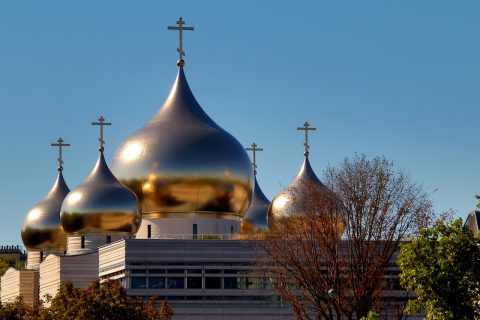
Holy Trinity Orthodox Cathedral
An impressive Romanian Orthodox cathedral distinguished by its round Byzantine architecture in red and yellow brick. Built with generous proportions, the exterior features distinctive domes and architectural elements typical of Orthodox ecclesiastical design. The interior showcases a high painted vault with beautiful dome frescoes and an ornate iconostasis covered with religious icons and carvings. Located on Mitropoliei Street, the cathedral has been renovated multiple times over the years, maintaining its role as an important spiritual center for Sibiu's Orthodox community. The cathedral serves as an architectural counterpoint to the Gothic Lutheran Cathedral, representing the city's religious diversity.

Holy Trinity Roman Catholic Church
Dating from 1726, this Baroque church in the Great Square is one of Sibiu's few Catholic churches. After the Reformation swept through the city, most of the population converted to Lutheran denominations, leaving Catholics without a dedicated place of worship for many years. The church's elegant Baroque architecture and ornate interior provide a contrast to the Gothic Lutheran Cathedral. Its prominent location in Piața Mare makes it easily accessible, and its historical significance reflects the complex religious transformations that shaped Transylvanian society during the Reformation period.
Tips for Religious Sites
- Dress Code: Modest clothing recommended for all religious sites; shoulders and knees should be covered
- Service Times: Check mass/service schedules if you wish to observe religious ceremonies; tourist visits may be restricted during services
- Tower Climbs: Lutheran Cathedral tower climb requires reasonable fitness; stairs are narrow and steep but views are spectacular
- Organ Concerts: The Lutheran Cathedral occasionally hosts organ concerts - check schedules for this unique musical experience
- Photography: Generally allowed but be respectful; avoid flash and photography during services