Belgrade's landmarks tell the story of a city that has been destroyed and rebuilt over 40 times. From ancient fortresses to communist-era monuments, each structure reveals a chapter of this resilient city's fascinating history.
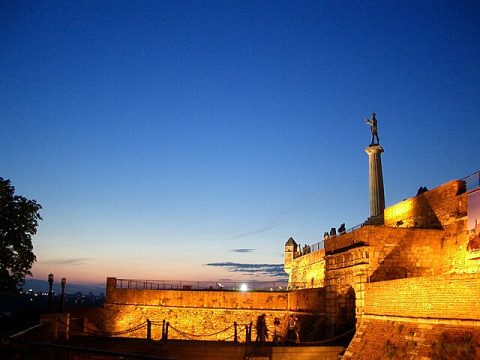
Belgrade Fortress (Kalemegdan)
The crown jewel of Belgrade, this ancient fortress sits majestically at the confluence of the Sava and Danube rivers. The first Roman military camp on the ridge dates to around 6–11 CE; settlement in the area goes back to prehistoric times, Kalemegdan has witnessed Celtic, Roman, Byzantine, Ottoman, and Austrian rule. Explore the Upper and Lower Town, walk along medieval walls, and discover hidden tunnels. The fortress offers breathtaking panoramic views of the rivers and modern Belgrade. Inside, you'll find military museums, Roman wells, and the iconic Victor Monument overlooking the confluence.
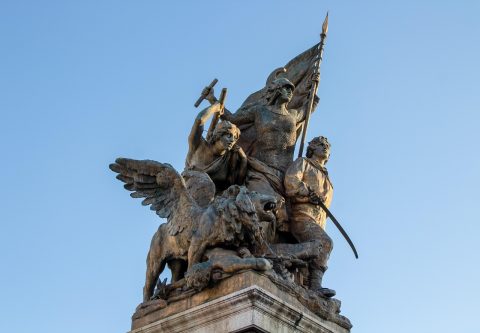
Victor Monument
This iconic bronze statue of a victorious warrior stands atop Kalemegdan Fortress, created by renowned Croatian sculptor Ivan Meštrović. Erected in 1928, it commemorates Serbia's victories in the Balkan Wars and World War I. The 15-meter tall monument depicts a nude male figure holding a falcon and sword, symbolizing freedom and victory. It has become Belgrade's most recognizable symbol and offers the perfect backdrop for photographs with the river confluence behind.
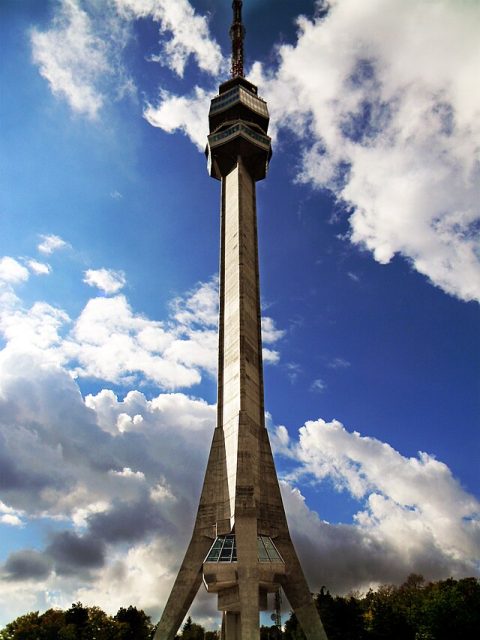
Avala Tower
Standing 205 meters tall on Mount Avala, this telecommunications tower is a symbol of Serbian resilience. The original tower was destroyed during NATO bombing in 1999 and reconstructed in 2010. Take the elevator to the observation deck at 122 meters for spectacular 360-degree views of Belgrade and surrounding countryside. The tower's unique design and the surrounding memorial park make it a must-visit. On clear days, you can see up to 100 kilometers away.
Tips for Landmarks & Monuments
- Best time to visit Kalemegdan: Early morning or sunset for magical lighting and fewer crowds
- Wear comfortable shoes - the fortress grounds are extensive with cobblestone paths
- Bring a camera - countless photo opportunities at every turn