Belgrade's museum scene reflects its complex history and rich cultural heritage. From world-class collections of Yugoslav and Serbian art to unique museums dedicated to nikola Tesla and aviation, the city offers diverse cultural experiences for every interest.
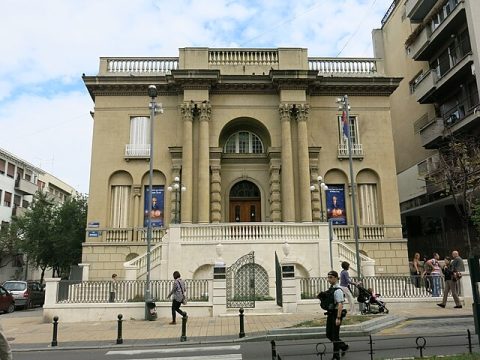
Nikola Tesla Museum
The world's only museum dedicated to the life and work of Nikola Tesla, one of history's greatest inventors. Housing Tesla's original personal belongings, documents, and inventions, including his ashes in a golden sphere. Interactive demonstrations bring his work to life - watch electricity arc through the air in the famous Tesla coil demonstration. The museum contains over 160,000 original documents, 2,000 books, 1,200 historical technical exhibits, and 1,500 photographs. An absolute must for science enthusiasts and anyone interested in the man who lit up the world.
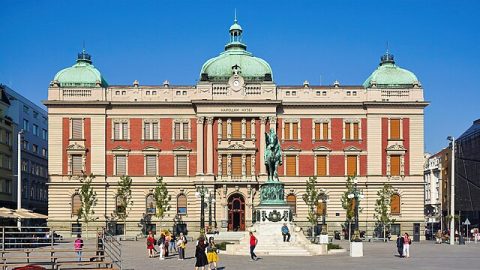
National Museum of Serbia
After a 15-year renovation, this magnificent museum reopened in 2018 with over 400,000 works of art. The collection spans from prehistoric times to modern art, featuring masterpieces by Picasso, Matisse, Rembrandt, and Monet alongside exceptional Serbian medieval frescoes. Highlights include the Miroslav Gospel from 1186, ancient Roman sculptures, and one of the finest collections of Serbian icons. The building itself, dating from 1903, is an architectural gem in the heart of Belgrade.
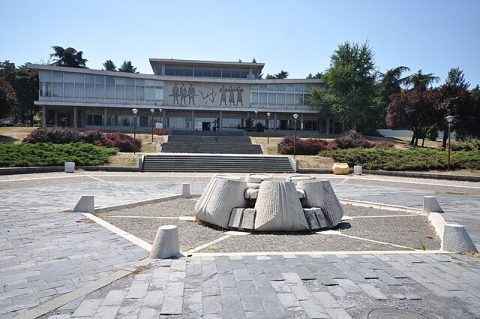
Museum of Yugoslav History
Explore Yugoslavia's complex 20th-century story through three interconnected buildings. The House of Flowers, Tito's mausoleum, is the main attraction where the former Yugoslav leader rests. The museum houses an incredible collection of gifts given to Tito from world leaders, including items from Elizabeth Taylor, Yuri Gagarin, and countless heads of state. The May 25 Museum showcases relay batons from Youth Day celebrations. A fascinating journey through Cold War history and the life of one of the 20th century's most intriguing political figures.
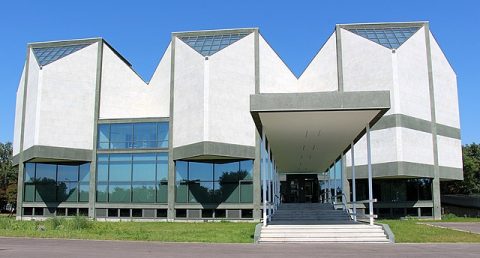
Museum of Contemporary Art
Perched on the banks of the Danube in New Belgrade, this brutalist masterpiece houses over 35,000 works of modern and contemporary art from former Yugoslavia and beyond. The collection spans from 1900 to present, featuring works by Marina Abramović, Picasso, and Kandinsky. The building itself, designed by architects Ivan Antić and Ivanka Raspopović, is a stunning example of 1960s architecture with its geometric forms and integration with the surrounding landscape.
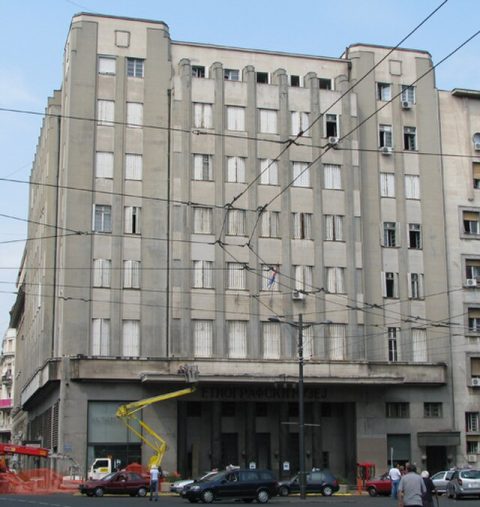
Ethnographic Museum
Housed in a beautiful 1934 building, this museum preserves Serbian folk culture and traditions. Explore extensive collections of traditional costumes, textiles, jewelry, and household items from various regions of Serbia and the Balkans. The museum offers insights into rural life, folk rituals, and crafts spanning several centuries. Special exhibitions often feature contemporary interpretations of traditional arts. The costume collection alone contains over 7,000 items, representing one of the finest folk art collections in Southeast Europe.
Tips for Museums & Galleries
- Museum pass tip: Check if a multi-museum pass is available for cost savings
- Most museums are closed on Mondays - plan accordingly
- Individual visitors do not need to book; reservations are required for groups larger than 10. Guided tours start hourly.
- Many museums offer free admission on specific days - check their websites
- Photography policies vary - always ask before taking photos