Maui's museums preserve everything from missionary-era history to whaling lore and contemporary Hawaiian art, offering context for the island's layered past.
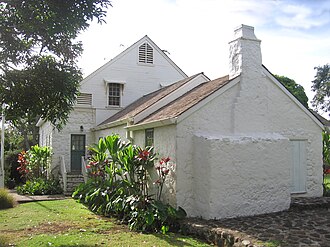
Bailey House Museum
Housed in a former missionary residence built in 1833, the Bailey House Museum (Hale Hoikeike) in Wailuku holds one of Hawaii's finest collections of pre-contact Hawaiian artifacts, including feather work, stone tools, and royal regalia, alongside missionary-era furniture and 19th-century Hawaiian paintings by Edward Bailey himself. The coral-and-stone building sits on the grounds of a former royal residence, adding historical weight to the exhibits inside.
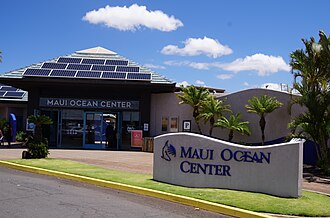
Maui Ocean Center
Billed as one of the largest tropical reef aquariums in the world, the Maui Ocean Center in Ma'alaea walks visitors through touch pools, a jellyfish gallery, and a dramatic acrylic tunnel surrounded by sharks and rays drawn from the reefs just outside. A dedicated humpback whale exhibit uses life-size models and augmented reality to explain the whales that migrate past Maui each winter, making this a strong rainy-day or family-friendly option.
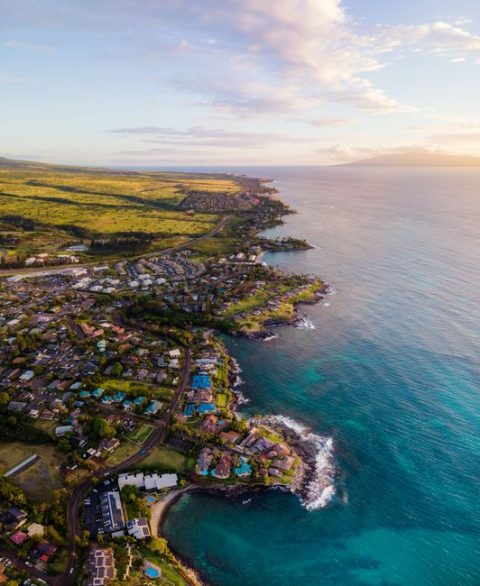
Whalers Village Museum
Tucked inside the Whalers Village shopping center in Kaanapali, this free, compact museum traces Lahaina's 19th-century role as the whaling capital of the Pacific. Exhibits include harpoons, scrimshaw carvings, a full-size whale skeleton suspended overhead, and accounts of the brutal, lucrative trade that once brought hundreds of ships to Maui's shores each season. It's a quick but worthwhile stop for anyone shopping or dining in Kaanapali.
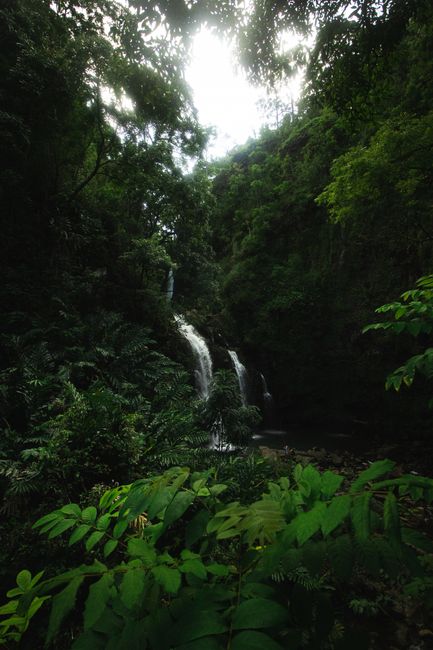
Hana Cultural Center & Museum
At the end of the famous Road to Hana, this small community-run museum preserves the history of remote East Maui through Hawaiian quilts, fishing tools, and a restored 1871 courthouse and jailhouse still standing on the grounds. Volunteers often share personal stories of Hana's tight-knit community, giving visitors insight into a side of Maui that feels worlds away from the resort corridors.
Tips for Museums & Galleries
- Whalers Village Museum is free and makes a great break from shopping in Kaanapali
- Book Maui Ocean Center tickets online for a small discount and to skip the ticket line
- The Hana Cultural Center only accepts cash or check for its small admission fee
- Bailey House Museum's gift shop supports the nonprofit Maui Historical Society