Maui's places of worship reflect its layered immigration history, from missionary-era churches to a Buddhist temple honoring the island's plantation-era Japanese community.
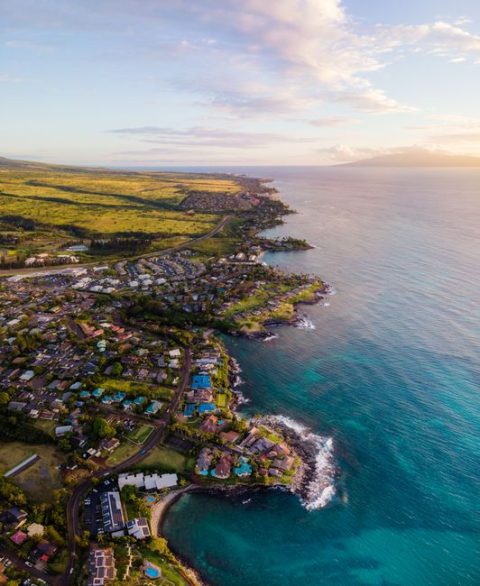
Lahaina Jodo Mission
This peaceful Buddhist temple complex sits at the north end of Lahaina, marked by a 12-foot bronze Great Buddha statue installed in 1968 to mark the centennial of Japanese immigration to Hawaii. Framed by pine trees and ocean views, the grounds include a pagoda and temple bell and remain a place of quiet reflection. The mission survived the 2023 Lahaina wildfire relatively intact, Do not describe it as open to visitors without confirming current access; Lahaina’s historic sites remain affected by access restrictions and rebuilding.
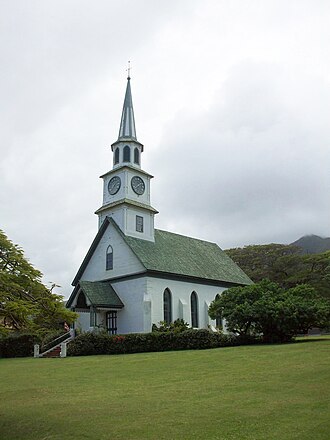
Kaahumanu Church
Named for Queen Kaahumanu, who requested a church be built on this Wailuku site, the current structure dates to 1876 and remains an active Hawaiian Congregational church today. Its white coral-and-stone facade and clock tower are Wailuku landmarks, and services are still conducted partly in the Hawaiian language, continuing a tradition stretching back to the early 19th-century missionary period.
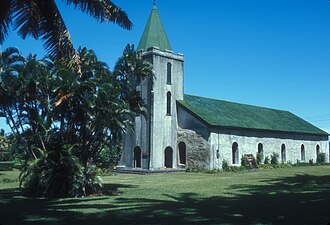
Wananalua Congregational Church
Built between 1838 and 1842 from blocks of coral rock, this stone church stands in the remote town of Hana on the site of an ancient Hawaiian heiau (temple), physically layering Christian and native Hawaiian sacred history in one location. Its weathered simplicity and small cemetery reflect Hana's slower, more traditional pace compared to Maui's resort areas.
Tips for Religious Sites
- Remove shoes and keep voices low near the Buddha statue at Lahaina Jodo Mission out of respect
- ʻĪao Valley requires advance reservations for non-residents and charges $5 entry plus $10 parking; fees do not apply to Hawaiʻi residents with valid ID.
- Wananalua Church is easy to combine with a stop at the Hana Cultural Center next door