Plan your trip to Maui
- How long
- 5-7 days: Haleakalā, the Road to Hana, west-side beaches and a snorkel trip.
- Best for
- Beach, hike and whale-watching lovers (winter): volcano sunrise, waterfalls and warm water.
- Skip it if
- You want a quiet island or you dislike driving: the Road to Hana is long and winding.
If you only do three things
- Haleakalā National Park (reserve sunrise entry ahead).
- The Road to Hana (early start).
- A Molokini or Lahaina-area snorkel trip.
A one-day route
- Morning: Haleakalā sunrise (reserved), then a nap.
- Midday: Lunch in Paia.
- Afternoon: The Road to Hana waterfalls.
- Evening: Sunset at Kaanapali or Wailea; dinner nearby.
Before you go
- Kahului Airport is the main gateway; rent a car.
- Haleakalā sunrise needs an advance reservation.
- Check the latest guidance for visiting the Lahaina area after the 2023 wildfire.
- Check current prices and weather.
Prices, opening status and transport in this plan checked against official sources on 1 October 2026.
Things to do in Maui
From a volcanic summit above the clouds to a sacred valley of ancient battles, Maui's landmarks trace both the island's geology and its deep Hawaiian history.
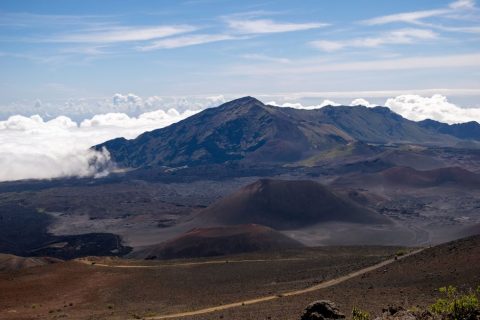
Haleakala National Park Summit
Haleakala ("House of the Sun") rises 10,023 feet above sea level, its vast reddish-brown crater resembling a lunar landscape above the cloud line. Sunrise here is one of Hawaii's most iconic experiences, drawing crowds who bundle up against near-freezing summit temperatures to watch the sky ignite over the crater rim. The park also protects the rare, silver-leafed silversword plant, found almost nowhere else on Earth. Sunset visits and daytime hikes into the crater are equally spectacular and far less crowded.
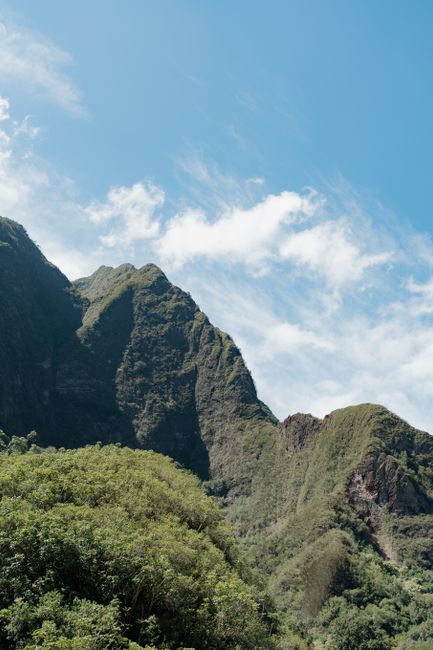
Iao Valley State Monument
A lush, rain-soaked valley in West Maui's mountains, Iao Valley is dominated by the Iao Needle, a 1,200-foot emerald-green basalt pinnacle rising from the valley floor. The site was the location of the decisive 1790 Battle of Kepaniwai, where King Kamehameha I's forces conquered Maui as part of unifying the Hawaiian Islands. A short paved loop trail offers easy access to needle viewpoints, streamside paths, and native Hawaiian plant displays, making it one of Maui's most accessible natural landmarks.
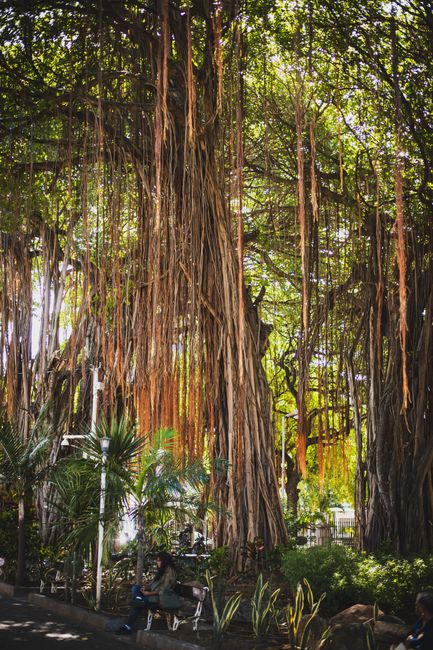
Lahaina Banyan Tree Park
Planted in 1873, Lahaina's massive banyan tree once spread its aerial roots across nearly two-thirds of an acre, sheltering the town square with the largest banyan in the United States. The August 2023 wildfire that devastated historic Lahaina scorched the tree severely, but arborists' efforts helped it resprout new growth. The tree may be regrowing, but Banyan Tree Park is not open to the public as of October 1, 2026; check for a confirmed reopening before planning a visit. Check current access conditions before visiting, as surrounding Front Street continues its long-term rebuilding.
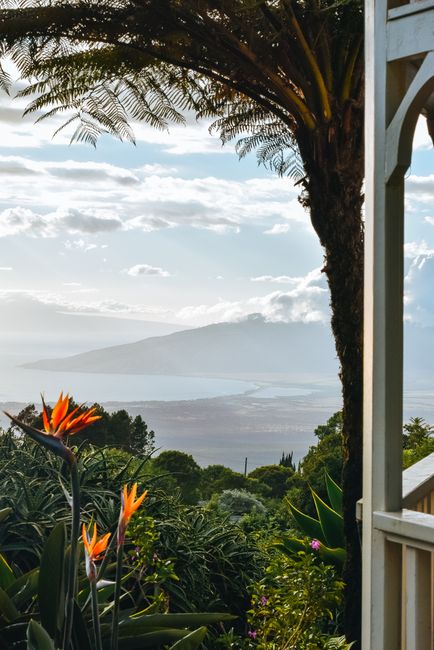
Ulupalakua Ranch
This historic 18,000-acre Upcountry cattle ranch sits on the cool southwestern slopes of Haleakala, blending paniolo (Hawaiian cowboy) heritage with rolling pastureland and sweeping ocean views. The ranch grounds include the general store, a small history room, and MauiWine, Hawaii's only estate winery, known for pineapple wine produced from the surrounding fields. It's a favorite stop on Upcountry drives, offering a quieter, agricultural side of Maui far from the beach resorts.
Tips for Landmarks & Monuments
- Haleakala sunrise requires a paid reservation at recreation.gov, released 60 days and 2 days in advance - book immediately when the window opens
- Summit temperatures can drop below freezing; bring layers even though the beach is 80°F
- Iao Valley requires a timed-entry reservation for non-residents, purchased online in advance
- Call ahead or check county advisories before visiting Lahaina town, as the historic district remains under active rebuilding
Maui's museums preserve everything from missionary-era history to whaling lore and contemporary Hawaiian art, offering context for the island's layered past.
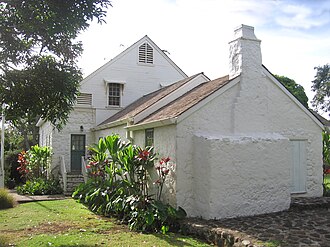
Bailey House Museum
Housed in a former missionary residence built in 1833, the Bailey House Museum (Hale Hoikeike) in Wailuku holds one of Hawaii's finest collections of pre-contact Hawaiian artifacts, including feather work, stone tools, and royal regalia, alongside missionary-era furniture and 19th-century Hawaiian paintings by Edward Bailey himself. The coral-and-stone building sits on the grounds of a former royal residence, adding historical weight to the exhibits inside.
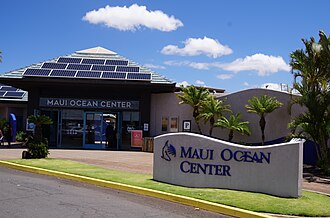
Maui Ocean Center
Billed as one of the largest tropical reef aquariums in the world, the Maui Ocean Center in Ma'alaea walks visitors through touch pools, a jellyfish gallery, and a dramatic acrylic tunnel surrounded by sharks and rays drawn from the reefs just outside. A dedicated humpback whale exhibit uses life-size models and augmented reality to explain the whales that migrate past Maui each winter, making this a strong rainy-day or family-friendly option.
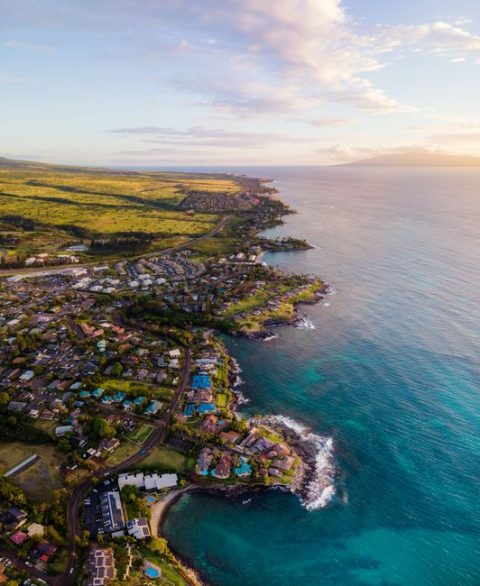
Whalers Village Museum
Tucked inside the Whalers Village shopping center in Kaanapali, this free, compact museum traces Lahaina's 19th-century role as the whaling capital of the Pacific. Exhibits include harpoons, scrimshaw carvings, a full-size whale skeleton suspended overhead, and accounts of the brutal, lucrative trade that once brought hundreds of ships to Maui's shores each season. It's a quick but worthwhile stop for anyone shopping or dining in Kaanapali.
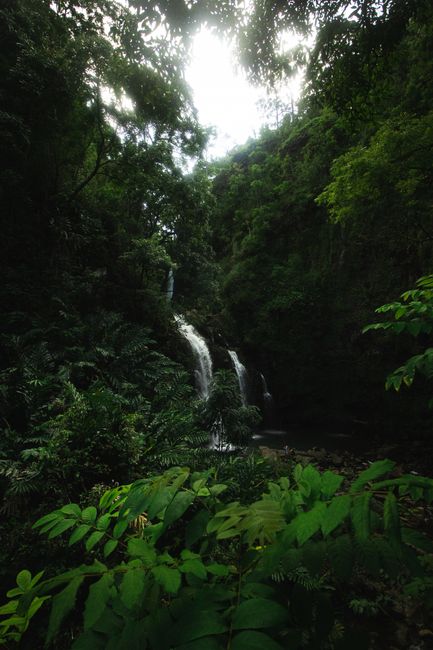
Hana Cultural Center & Museum
At the end of the famous Road to Hana, this small community-run museum preserves the history of remote East Maui through Hawaiian quilts, fishing tools, and a restored 1871 courthouse and jailhouse still standing on the grounds. Volunteers often share personal stories of Hana's tight-knit community, giving visitors insight into a side of Maui that feels worlds away from the resort corridors.
Tips for Museums & Galleries
- Whalers Village Museum is free and makes a great break from shopping in Kaanapali
- Book Maui Ocean Center tickets online for a small discount and to skip the ticket line
- The Hana Cultural Center only accepts cash or check for its small admission fee
- Bailey House Museum's gift shop supports the nonprofit Maui Historical Society
Maui's places of worship reflect its layered immigration history, from missionary-era churches to a Buddhist temple honoring the island's plantation-era Japanese community.
Lahaina Jodo Mission
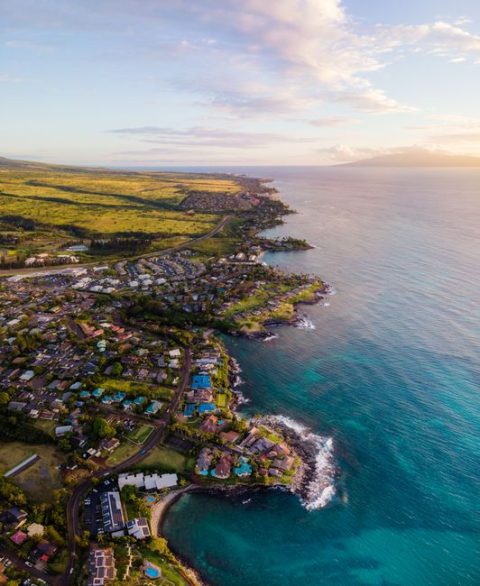
This peaceful Buddhist temple complex sits at the north end of Lahaina, marked by a 12-foot bronze Great Buddha statue installed in 1968 to mark the centennial of Japanese immigration to Hawaii. Framed by pine trees and ocean views, the grounds include a pagoda and temple bell and remain a place of quiet reflection. The mission survived the 2023 Lahaina wildfire relatively intact, Do not describe it as open to visitors without confirming current access; Lahaina’s historic sites remain affected by access restrictions and rebuilding.
Kaahumanu Church
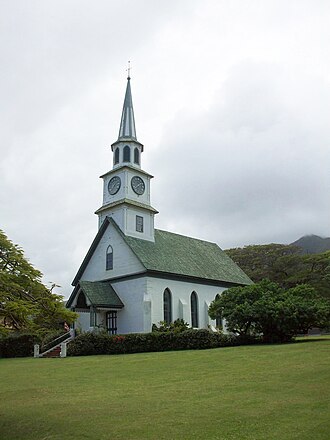
Named for Queen Kaahumanu, who requested a church be built on this Wailuku site, the current structure dates to 1876 and remains an active Hawaiian Congregational church today. Its white coral-and-stone facade and clock tower are Wailuku landmarks, and services are still conducted partly in the Hawaiian language, continuing a tradition stretching back to the early 19th-century missionary period.
Wananalua Congregational Church
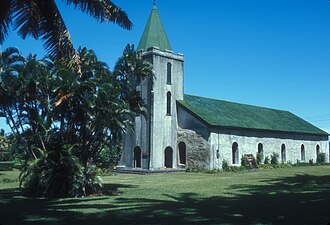
Built between 1838 and 1842 from blocks of coral rock, this stone church stands in the remote town of Hana on the site of an ancient Hawaiian heiau (temple), physically layering Christian and native Hawaiian sacred history in one location. Its weathered simplicity and small cemetery reflect Hana's slower, more traditional pace compared to Maui's resort areas.
Tips for Religious Sites
- Remove shoes and keep voices low near the Buddha statue at Lahaina Jodo Mission out of respect
- ʻĪao Valley requires advance reservations for non-residents and charges $5 entry plus $10 parking; fees do not apply to Hawaiʻi residents with valid ID.
- Wananalua Church is easy to combine with a stop at the Hana Cultural Center next door
Maui's coastline and interior deliver some of Hawaii's most photographed scenery, from calm swimming beaches to thundering waterfalls and a submerged volcanic crater.
Kaanapali Beach
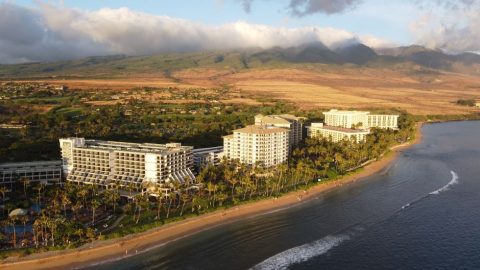
A 3-mile stretch of golden sand fronting West Maui's original resort corridor, Kaanapali Beach is consistently ranked among America's best beaches. Calm, clear water makes it excellent for swimming and snorkeling near Black Rock (Puu Kekaa), where sea turtles are frequently spotted. A paved beach walk connects the resorts, shops, and restaurants along its length, and sunset here, often accompanied by a torch-lighting ceremony, is a nightly ritual.
Wailea Beach
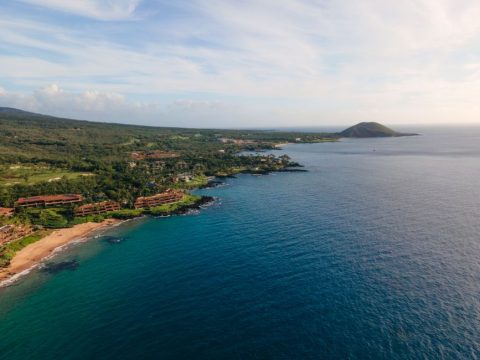
Fronting South Maui's most upscale resort district, Wailea Beach offers a wide crescent of soft white sand and some of the calmest, clearest water on the island, ideal for swimming, paddleboarding, and easy snorkeling. A scenic 1.5-mile coastal path connects it to neighboring beaches like Ulua and Polo, passing manicured resort grounds and volcanic outcroppings, and this dry, sunny coast rarely sees rain.
Pipiwai Trail & Waimoku Falls
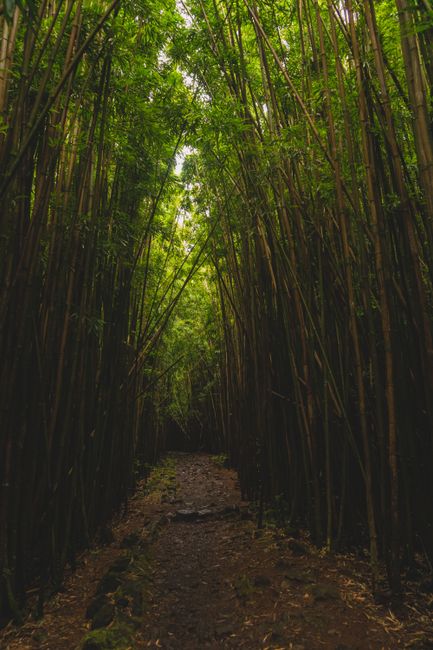
In the remote Kipahulu district of Haleakala National Park, this 4-mile round-trip trail climbs past a giant banyan tree, through a dense bamboo forest that clatters in the wind, to the base of the 400-foot Waimoku Falls. Don’t present the pools as swim stops: NPS says the ʻOheʻo pools are not accessible for swimming and park water sources are closed to the public, though flash-flood risk means checking conditions before entering any pools. It's one of Maui's most rewarding hikes, best done as part of a Road to Hana day trip.
Molokini Crater
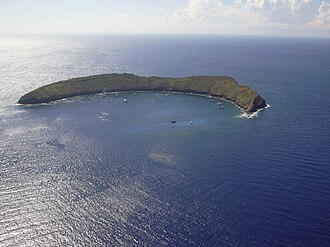
A partially submerged volcanic crater rising as a crescent-shaped islet 3 miles off Maui's south shore, Molokini is a protected marine sanctuary with exceptional visibility, often exceeding 100 feet. Its curved reef wall shelters over 250 species of fish and pristine coral, making it one of Hawaii's premier snorkeling and diving sites, accessible only by permitted boat tours departing from Maalaea or Lahaina harbors.
Napili Bay
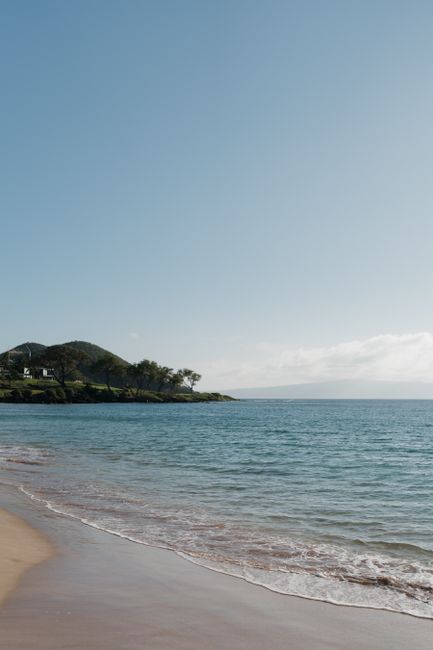
A crescent-shaped cove ringed by low-rise condos rather than large resorts, Napili Bay feels quieter and more local than nearby Kaanapali. Calm, protected water and a gently sloping sandy bottom make it one of the safest spots on the island for families and casual snorkelers, with green sea turtles commonly gliding just offshore. Sunset views over Molokai and Lanai are exceptional.
Tips for Beaches & Coastal Areas
- Hawaiʻi law prohibits the sale of sunscreen containing oxybenzone or octinoxate without a prescription; it does not require mineral sunscreen at ocean sites.
- Book Molokini boat tours for the earliest morning departure, when the water is calmest and clearest
- Check National Park alerts before hiking Pipiwai Trail; the pools can close quickly after heavy rain
- Kaanapali and Wailea both have free public beach access points despite fronting private resorts
Maui's gardens showcase everything from cool-climate protea flowers grown Upcountry to a heritage park honoring the island's diverse immigrant plantation communities.
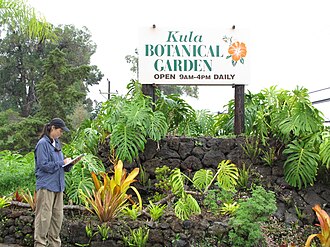
Kula Botanical Garden
Set at 3,300 feet on the cool slopes of Upcountry Maui, this family-run garden showcases thousands of plant species arranged along easy walking paths, including native Hawaiian plants, orchids, and one of the island's best displays of exotic protea flowers, a signature Upcountry crop. The cooler climate and mountain views make it a refreshing stop between Haleakala and the coast.
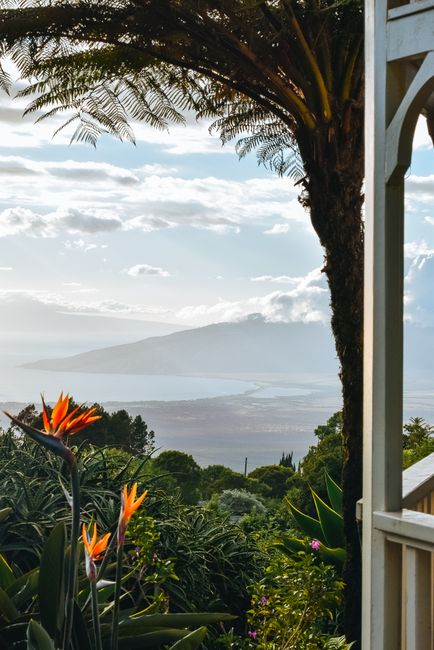
Kepaniwai Heritage Gardens
Set within Iao Valley, this county park honors Maui's plantation-era immigrant communities through a series of pavilions and gardens representing Hawaiian, Chinese, Japanese, Portuguese, Filipino, and New England missionary heritage. Shaded picnic areas and a peaceful stream setting make it a pleasant, free stop on the way to Iao Needle, reflecting the island's multicultural plantation history.
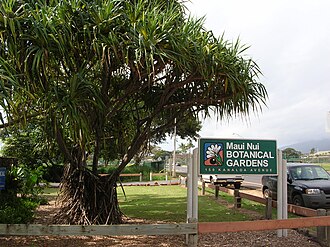
Maui Nui Botanical Gardens
Located in Kahului, this nonprofit garden is dedicated entirely to plants that arrived in Hawaii before Western contact, from native coastal species to Polynesian-introduced "canoe plants" like taro and breadfruit that sustained early Hawaiian communities. It's a low-key, educational stop that offers context for the native ecosystems visitors encounter elsewhere on the island.
Tips for Parks & Gardens
- Combine Kepaniwai Heritage Gardens with Iao Valley State Monument in the same trip - they sit minutes apart
- Kula Botanical Garden is best paired with a Haleakala sunrise or Upcountry farm tour, since it's on the way
- All three gardens are inexpensive or free and rarely crowded compared to beach attractions
From a historic whaling town rebuilding after tragedy to a bohemian surf town and a remote rainforest village, Maui's districts each offer a distinct pace of island life.
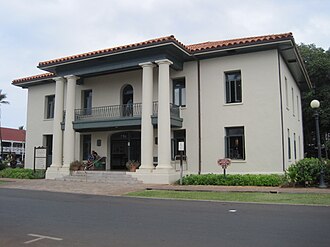
Lahaina Historic District
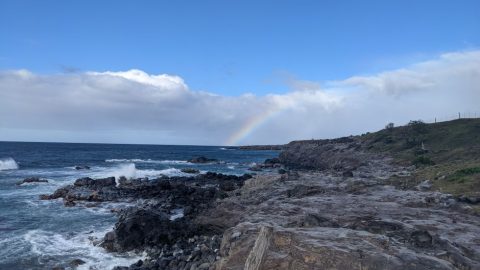
Once the capital of the Hawaiian Kingdom and a 19th-century whaling port, Lahaina's Front Street was devastated by a wildfire in August 2023 that destroyed much of the historic district, including many wooden storefronts, and claimed over 100 lives. Long-term rebuilding is underway, with some businesses and cultural sites reopening in stages. Visitors should check current conditions and follow county guidance before planning a visit, as parts of the town remain closed to tourism while the community rebuilds.
Paia Town
A former sugar plantation town turned bohemian surf hub, Paia sits on Maui's North Shore near legendary windsurfing spot Hookipa Beach. Its main street is lined with colorful wooden storefronts housing boutiques, art galleries, and some of the island's best casual restaurants and bakeries. Paia is also the traditional starting point for the Road to Hana, making it a natural stop for gas, snacks, and a morning coffee.
Wailea Resort District
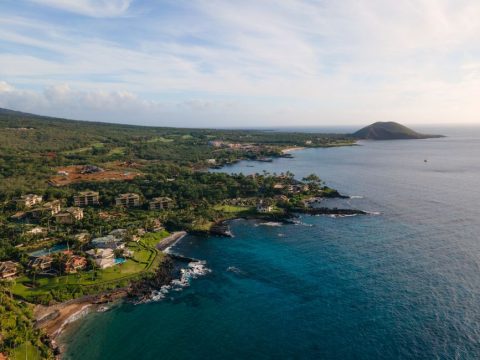
South Maui's master-planned luxury resort area, Wailea is defined by manicured grounds, high-end hotels, championship golf courses, and an upscale open-air shopping center. A flat, scenic coastal path connects its string of beaches, making it easy to walk between resorts without a car. The dry, sunny climate here makes it one of the most consistently good-weather areas on the island.
Hana Town
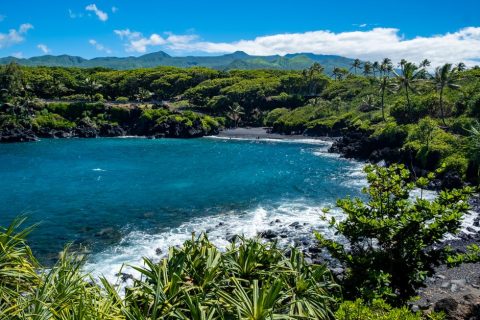
At the end of the winding Road to Hana, this small, remote town feels decades removed from Maui's resort areas, with no traffic lights, few chain businesses, and a strong sense of traditional Hawaiian community. Hana Bay, the historic Hasegawa General Store, and nearby black-sand Waianapanapa State Park make it a worthwhile overnight stop rather than a rushed day trip for travelers with extra time.
Tips for Neighborhoods & Districts
- Respect Lahaina's ongoing recovery - avoid treating active rebuilding areas as a sightseeing backdrop
- Paia has limited parking; arrive early or park a short walk from the main strip
- Wailea's beach path is a great free way to see multiple beaches without paying for resort access
- Fill up on gas in Paia or Kahului before driving to Hana - services are scarce along the route
From migrating whales to sunrise bike rides down a volcano, Maui's guided activities let visitors experience the island's ocean and land in ways a rental car alone can't.
Molokini Crater Snorkel Tour
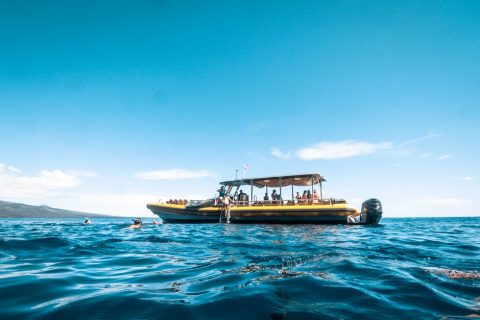
Half-day boat tours depart Maalaea or Lahaina harbor before sunrise to reach Molokini's protected waters while they're calmest, typically combining time inside the crater with a second snorkel stop along the Kihei or Wailea coastline. Most trips include gear, breakfast, and lunch, and many operators guarantee whale or dolphin sightings during the winter migration season.
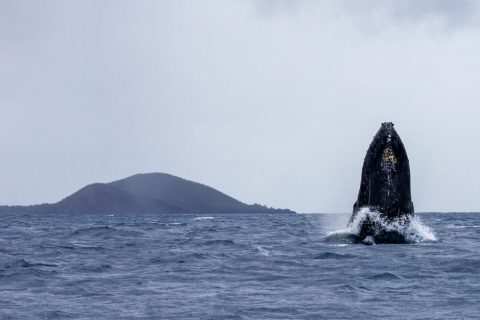
Humpback Whale Watching Cruise
Each winter, thousands of humpback whales migrate to the warm, shallow waters of the Auau Channel between Maui, Lanai, and Molokai to breed and calve, making Maui one of the world's best whale-watching destinations from roughly November through April. Naturalist-led boat tours depart from Lahaina and Maalaea, with hydrophones sometimes used to let passengers hear the whales' underwater songs.
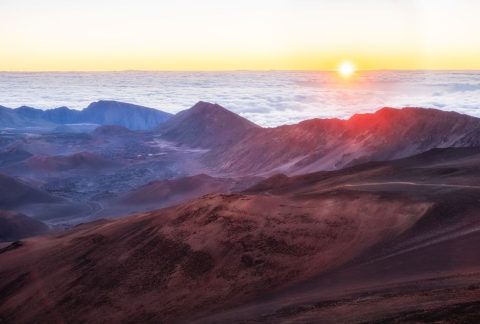
Haleakala Sunrise Bike Tour
After watching sunrise from the 10,023-foot summit, riders coast downhill for roughly 20-25 miles through switchbacks, ranchland, and changing microclimates on a guided bicycle descent back toward the coast. Modern tours end above the steepest lower highway sections for safety, but the ride remains a thrilling, low-effort way to experience Haleakala's dramatic elevation change.
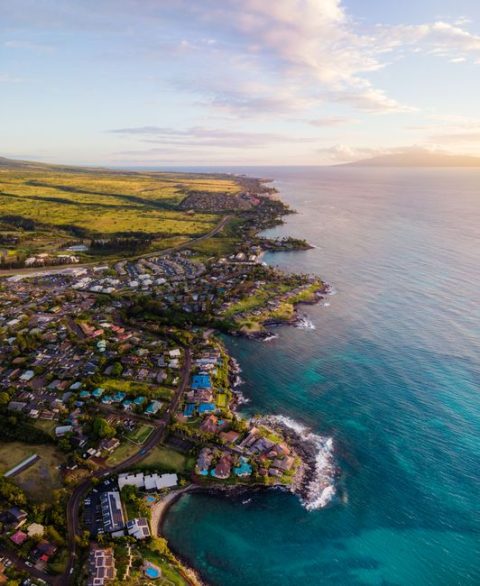
Old Lahaina Luau
Widely regarded as one of Hawaii's most authentic luau experiences, this evening show combines a Hawaiian feast (kalua pig cooked in an underground imu oven, poi, poke, and tropical desserts) with live music and hula performances tracing the story of the islands from ancient times to today. The event relocated its venue following the 2023 Lahaina wildfire, so confirm the current location when booking.
Tips for Tours & Activities
- Book whale watching and Molokini tours several days ahead in peak winter season (Dec-Mar)
- Bring an extra layer for Haleakala summit activities - it can be near freezing at sunrise
- Luau tickets sell out weeks ahead around holidays; book as soon as travel dates are set
- Seasickness medication is worth taking before any boat tour, especially in winter swell
Maui rewards a full day of exploring beyond the resort zones, whether driving the island's most famous highway or ferrying to a quieter neighbor island.
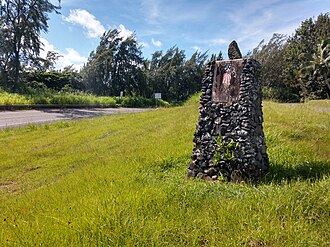
Road to Hana
This legendary 64-mile highway winds along Maui's northeast coast through roughly 620 curves and 59 one-lane bridges, passing waterfalls, black-sand beaches, rainforest lookouts, and fruit stands en route to remote Hana town. Popular stops include Twin Falls, Wailua Valley lookout, and Waianapanapa State Park's black-sand beach. Most drivers leave before 7 AM to beat traffic and allow a full day for the round trip.
Lanai Island Ferry Day Trip
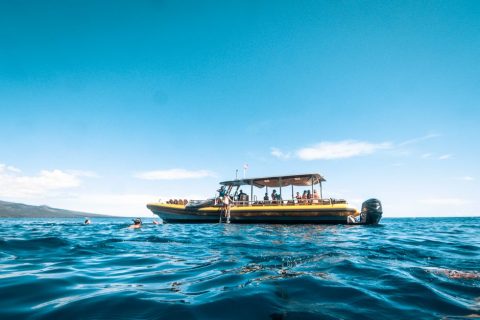
A passenger ferry crosses the Auau Channel from Lahaina Harbor to the small, laid-back island of Lanai in about an hour, offering a taste of a far less developed Hawaiian island. Highlights include the eerie rock formations of Garden of the Gods, Hulopoe Bay's protected snorkeling beach, and Lanai City's plantation-era main street, best explored with a rented 4x4 given the island's mostly unpaved roads.
Haleakala & Upcountry Maui Drive
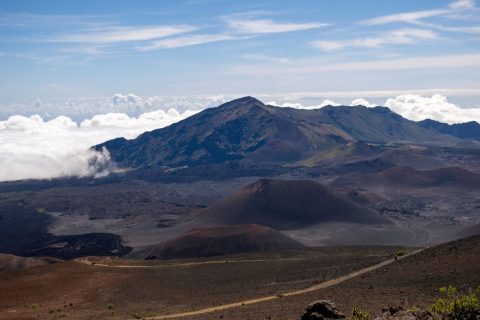
Rather than a pre-dawn sunrise run, this daytime version of the Haleakala trip climbs through Upcountry Maui's ranchland and farm country, stopping at Kula's lavender and protea farms, Ulupalakua Ranch's MauiWine tasting room, and roadside stands selling Maui-grown produce, before reaching the crater itself for hiking or a sunset viewing. It's a more relaxed, less crowded alternative to sunrise visits.
Kahekili Highway West Maui Loop
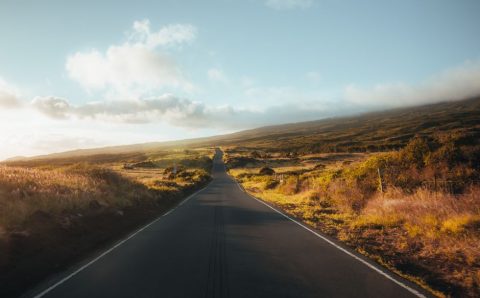
A narrow, cliff-hugging road circling the remote back side of West Maui, the Kahekili Highway connects Kapalua to Wailuku past blowholes, sea arches, and the tiny artist town of Kahakuloa, largely bypassed by tour buses. Far less traveled than the Road to Hana, it rewards confident drivers with dramatic coastal scenery and a genuine sense of discovery, though narrow sections require caution.
Tips for Day Trips & Excursions
- Rental car agencies often restrict or void insurance on the unpaved sections of Lanai and the Kahekili Highway - check terms first
- Fill the gas tank before the Road to Hana or Upcountry drive; stations are sparse
- The Lanai ferry can be rough in winter swell; check the forecast before booking
- Download offline maps - cell service disappears for long stretches on Hana Highway and Kahekili Highway
Maui has no European-style Christmas market tradition, this is a tropical island without snow or a historic town square lined with wooden stalls. Instead, the holiday season here shows up as resort tree-lighting parties, mall craft fairs from local artisans, and manufactured snow for the keiki, plus one proper big-city lights display a short flight away on Oahu.
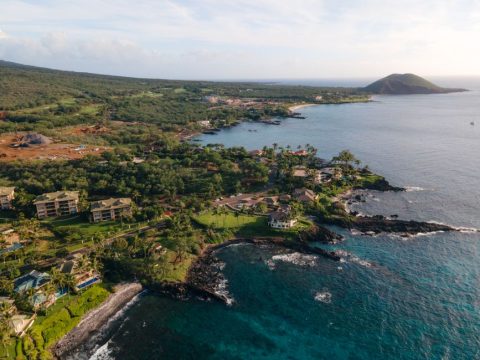
Whalers Village Holiday Tree Lighting
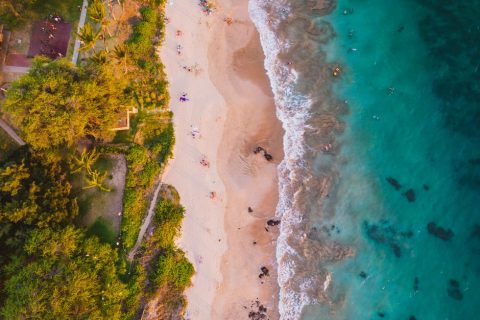
Every December this open-air shopping and cultural center in Kaanapali hosts Maui's most photographed tree-lighting ceremony, typically on the first Saturday of the month. Expect a towering lit tree, Hawaiian choir performances, hula, and a visit from Santa arriving beachside rather than by sleigh. The plaza fills with families early, so arrive before dusk to grab a spot near the whale-skeleton museum courtyard. Surrounding restaurants and shops stay open late, and the ocean-view setting makes it feel distinctly un-wintery despite the string lights and garland. It is free to attend and pairs naturally with dinner or sunset drinks at one of the oceanfront restaurants. For December 2026, expect the ceremony to fall in the first or second week, with lights up through New Year.
The Shops at Wailea Winter Wonderland
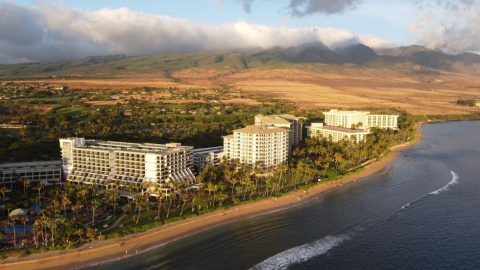
This upscale outdoor mall in Wailea trucks in real snow for one afternoon each December, turning a palm-lined plaza into a temporary sledding hill for kids. The event usually includes a tree lighting, live music, and holiday photo booths, with local vendors setting up small craft and gift tables nearby, the closest thing Maui has to a holiday market stroll. It typically runs on a mid-December Saturday in the early evening, check the mall's site closer to the date since exact timing shifts year to year. Parking is free and validated, and the surrounding restaurants offer holiday menus. It is a good stop for travelers based in South Maui who want a festive evening without leaving the resort corridor.
Queen Kaahumanu Center Holiday Season
Maui's largest indoor-outdoor mall in Kahului runs its full holiday program from the day after Thanksgiving through Christmas Eve, with a decorated tree, Santa photo sessions, and rotating local craft and food vendors setting up in the open-air walkways. It is the most practical option for visitors staying near the airport or Central Maui who want gift shopping with a holiday atmosphere rather than a beach-resort spectacle. Weekend afternoons in December bring the heaviest vendor turnout and the longest Santa lines, so weekday visits are calmer. Entry is free and the center is fully covered, a useful backup plan on a rainy December day. Expect the 2026 season to follow the same late-November to December 24 window as prior years.
Honolulu City Lights (day trip via Oahu)
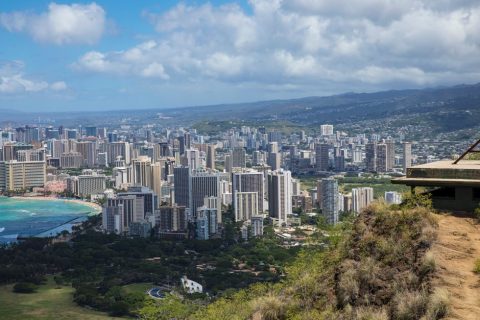
For travelers who want an actual big-city Christmas spectacle, Honolulu City Lights on Oahu is the closest equivalent to a mainland holiday market district, a 35-40 minute flight from Kahului. The display around Honolulu Hale features a massive lit banyan tree, a giant Shaka Santa, illuminated floats, and a parade that traditionally kicks off the season on the first Saturday of December, with lights and displays staying up through New Year's Day. It is a full-day undertaking from Maui, not a casual evening out, so it suits visitors with a flexible itinerary or an inter-island flight already planned. Bundle it with dinner in downtown Honolulu or a stop at the nearby Iolani Palace grounds. Confirm the 2026 parade date closer to travel since it varies slightly year to year.
Tips for Christmas Market
- Do not expect European-style market stalls or cold weather, December temperatures on Maui still sit in the 75-82°F (24-28°C) range.
- Resort tree lightings and mall events are free, but parking and dinner reservations fill up fast on ceremony nights.
- If a true Christmas-market atmosphere matters to your trip, treat Honolulu City Lights as a planned day trip rather than an add-on.
- Local craft and holiday gift vendors pop up at malls and resort plazas throughout December, check venue social media the week of your visit for exact vendor lineups.
Maui trades neon-lit clubbing for a laid-back after-dark scene built around live slack-key guitar, tiki cocktails, and oceanfront happy hours. From upcountry dance halls to beachside pubs, evenings here run mellow but never dull, especially when a local band takes the stage.
Casanova Italian Restaurant and Deli
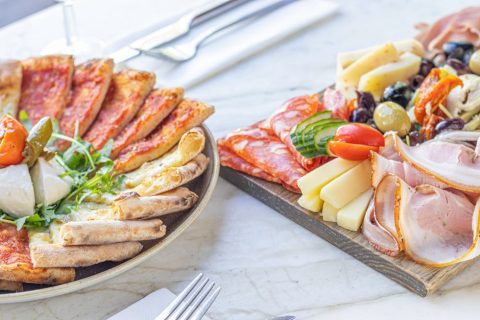
Up in artsy Makawao town, Casanova has been Mauis closest thing to a proper nightclub for decades. After the kitchen serves wood-fired pizza and pasta, the back room clears out for live bands, DJs, and dancing that runs late into the night, a rarity on an island where most restaurants shut down by 9pm. Genres swing from reggae to rock to salsa depending on the night.
The energy is unpretentious and locally loved, drawing paniolo cowboys down from the ranches and surfers up from the coast into the same room. Check the schedule ahead, since cover charges and start times vary by act, and weekend shows can sell out standing room.
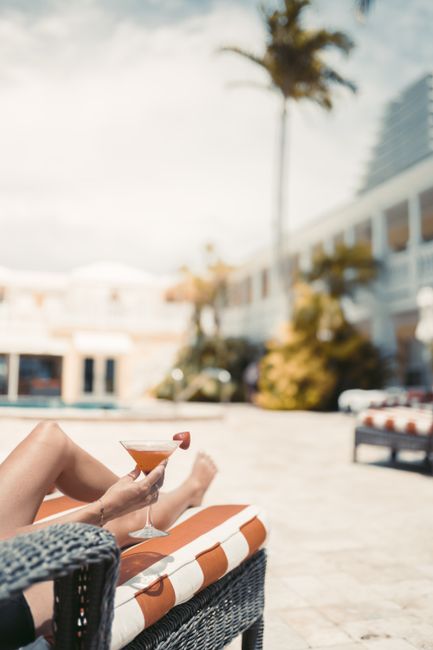
Ambrosia Martini Lounge
Tucked into a Kihei strip mall, this small-batch cocktail lounge punches well above its size. The bartenders muddle fresh island fruit into inventive martinis and craft cocktails, and the vibe is intimate rather than loud, more conversation pit than dance floor. Local DJs and the occasional live act keep things moving on weekends, but even on quiet nights the mixology alone is worth the stop.
It draws a mixed crowd of visitors and Kihei locals, and the patio seating fills up fast around sunset. Come for a nightcap after dinner or make it the whole evening; either way, arrive before 9pm on weekends if you want a seat, since the room is small and reservations are not always taken.
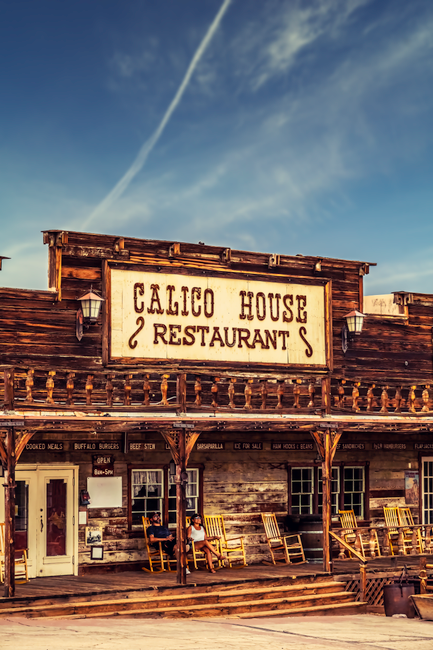
Charleys Restaurant and Saloon
This weathered Paia institution has poured drinks for surfers, paniolo, and touring musicians since the 1960s, and it still books some of the best live music on the island. The wooden saloon interior feels unchanged by time, with a long bar, a small stage, and a menu of hearty comfort food to soak up the whiskey.
Expect everything from blues and country to the odd surprise appearance by a well-known touring act, since Paia has long attracted musicians who live nearby. Its a short stumble from the towns other bars, making it an easy anchor for a Paia bar crawl. Go on a night with a band booked; the room can feel sleepy otherwise.
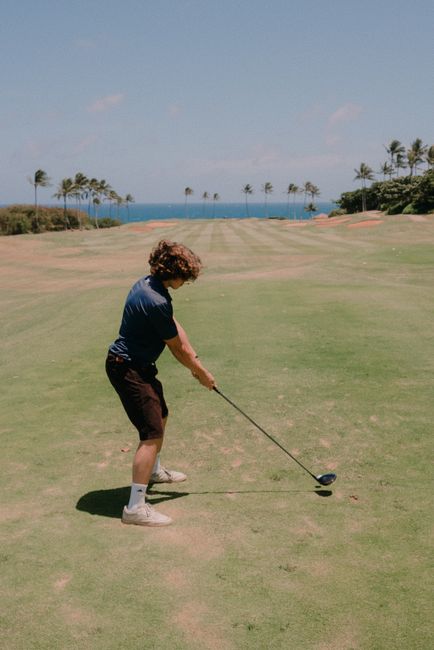
Mulligans on the Blue
Perched above the Wailea Blue golf course, this Irish pub trades sea views for fairway ones and pairs them with hearty pub fare and a lively lineup of live Celtic and rock bands. Sunday and Wednesday evenings bring traditional Irish sessions with fiddles and pipes, a genuinely unexpected sound to hear drifting over Maui palm trees.
The outdoor lanai is the spot to grab a pint of Guinness and watch the sun drop behind the West Maui mountains before the band ramps up. Its popular with both resort guests staying in Wailea and locals looking for a rowdier alternative to the areas quiet luxury bars, so weekend nights can get crowded near the stage.
Tips for Nightlife & Entertainment
- Most Maui bars and live-music venues wind down by midnight, so plan an earlier night out than you would on the mainland.
- Lahaina Town nightlife was largely destroyed in the 2023 wildfire and is still rebuilding, so Kihei, Wailea, Paia, and Makawao are currently the best bets for a night out.
- Live-music schedules change weekly; check venue social media the same day since acts and cover charges are rarely posted far in advance.
- Renting a car or booking a rideshare in advance is wise since Mauis nightlife spots are spread across different towns with no late-night public transit.
Maui rewards families with more than beaches: a plantation tram ride, a vintage train, tide-pool coves, and old-school arcades and mini-golf give kids of every age a reason to cheer. Most of these spots sit near Kihei, Lahaina, and Wailuku, so they slot easily into a day already built around the beach or the drive to Hana.
Maui Tropical Plantation
A working farm just outside Wailuku that turns agriculture into a full family outing. The open-air tram tour winds through fields of pineapple, sugarcane, coffee, and cacao while a guide explains how each crop is grown and harvested, keeping even restless toddlers entertained with fruit tastings along the route. Older kids can take on the zipline and aerial adventure course strung above the plantation, while younger ones enjoy the petting corral, gem-mining sluice, and gift shop stocked with tropical treats. The onsite restaurant serves easy, kid-friendly plates with plantation views, and there is plenty of shaded lawn for little ones to run off energy between activities. Free parking and stroller-friendly paths make it simple for parents managing nap schedules or younger siblings who cannot yet handle the zipline.

Sugar Cane Train (Lahaina Kaanapali and Pacific Railroad)
A restored steam-style train that chugs along a short historic sugar-plantation route between Lahaina and Kaanapali, delivering old-fashioned charm that toddlers and grandparents enjoy equally. The open passenger cars let kids wave to passing golf courses and ocean views while a conductor shares stories and, on some runs, breaks into a sing-along with a ukulele. The ride itself is short and gentle, making it a low-stress option for families with babies or kids prone to motion sickness. It pairs naturally with a stop at Kaanapali Beach or a shave-ice run in Lahaina before or after boarding. Because seating is limited and rides sell out on busy weeks, reserving a timed ticket in advance is the easiest way to avoid disappointment at the platform.
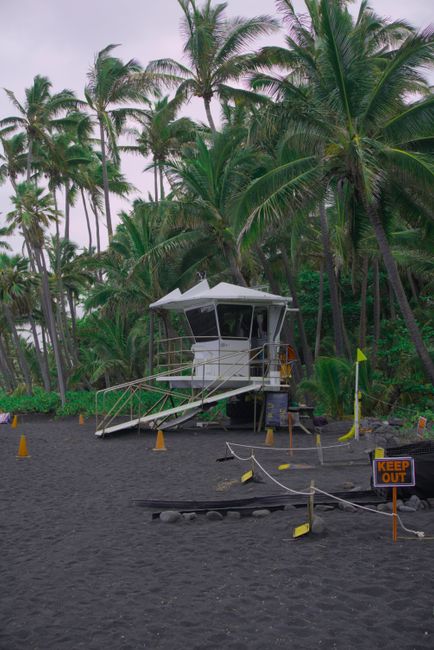
Launiupoko Beach Park
South of Lahaina, this county park is built almost as if designed for young families. A rock-walled shallow pool fills and refreshes with the tide right at the shoreline, giving toddlers and unsteady swimmers a calm place to splash without worrying about surf or currents. A grassy lawn shaded by ironwood trees holds a playground, picnic tables, and plenty of room for a beach blanket, while the sandy stretch beyond the pool is popular with older kids learning to bodyboard or paddle a longboard. Restrooms, outdoor showers, and free parking make a full afternoon manageable without much packing. Mountain views inland and gentle water conditions make this one of the easiest beach parks on the island to relax at while still keeping an eye on younger children.
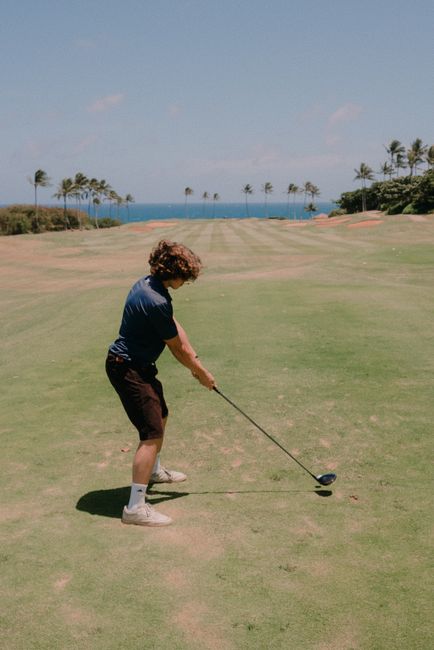
Maui Golf and Sports Park
A Kihei entertainment park built for a rainy afternoon or an evening when everyone has had enough sun. Two 18-hole mini-golf courses wind through tropical landscaping and waterfalls, while a batting cage, go-kart track, bumper boats, and an arcade round out the options for different ages and attention spans. Younger kids gravitate toward the gentler mini-golf holes and arcade games, while tweens and teens tend to head for the go-karts and batting cages. Snacks and drinks are sold onsite, and the park stays open into the evening with string lights that make the courses glow after dark. It is an easy fallback activity when weather or sunburn cuts a beach day short, and there is no need to book ahead for most attractions.
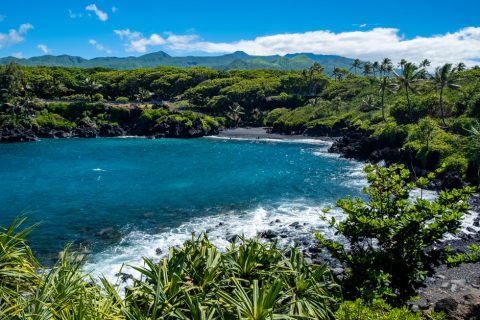
Kalama Park
A large oceanfront park in the middle of Kihei that locals and visiting families both rely on for a break from the beach. A shaded playground with slides and climbing structures sits alongside tennis and basketball courts, a skate park for older kids, and wide grassy fields good for a picnic or a game of catch. A weekend farmers market sometimes sets up near the entrance, adding food stalls and local crafts to the visit. The park faces the ocean directly, so it is easy to alternate between play equipment and a quick dip across the street, and picnic pavilions provide shade for nap time or lunch. Free parking, public restrooms, and its central Kihei location make it a convenient stop between other activities rather than a full day's destination on its own.
Tips for With Kids
- Book the plantation tram and sugar cane train ahead during peak weeks, both attractions run limited departures and sell out.
- Pack reef-safe sunscreen and water shoes for tide-pool stops like Launiupoko, the rocks can be sharp and slippery.
- Save arcade and mini-golf stops for late afternoon or evening to avoid the midday heat and give tired sunburned kids a shaded activity.
- Kalama Park and Launiupoko both have free parking and restrooms, making them easy no-cost breaks between paid attractions.
Maui keeps a lively calendar year-round, from paniolo rodeos and whale-season celebrations to slack key guitar concerts and canoe races under the winter moon. Whether you are chasing hula competitions, farm-to-table food festivals, or fireworks over Kaanapali Beach, timing a visit around one of these signature happenings adds an unforgettable layer to any Maui trip.
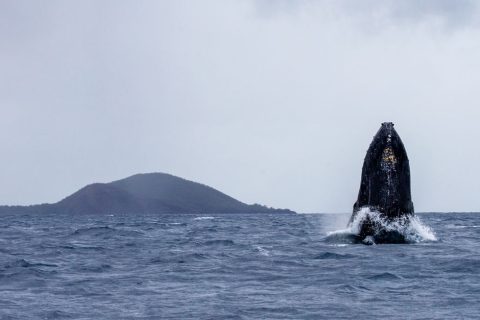
Maui Whale Festival
Every winter, Maui celebrates the return of thousands of North Pacific humpback whales with a season-long series of events collectively known as the Maui Whale Festival. Running from January 10 through February 22, 2026, the festival includes the Great Maui Whale Count, beach cleanups, marine naturalist talks, and the World Whale Day celebration in Kalama Park, Kihei, featuring live music, artisan vendors, and a parade. Families can join keiki activities and learn directly from the Pacific Whale Foundation about humpback conservation. The signature World Whale Day event typically draws thousands of visitors and locals to the shoreline for a full day of ocean-themed festivities. It is a rare chance to combine wildlife viewing with hands-on marine education while enjoying Maui at its most festive winter atmosphere.
Maui Ocean Fest and Paddleboard Championships
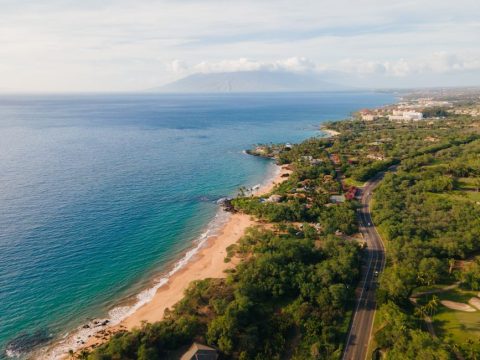
Held along the golden sands of Kaanapali Beach from May 8 to May 10, 2026, this spring gathering blends elite watersports competition with a beachfront community celebration. Standup paddleboard racers and outrigger canoe paddlers compete in ocean-swell heats while spectators enjoy live Hawaiian music, food trucks, and ocean safety demonstrations from local lifeguards. The event grew out of Maui's deep paddling traditions and now attracts athletes from across the Pacific alongside curious first-time visitors. Between races, attendees can try guided paddleboard lessons or browse a market of local artisans selling handmade jewelry, surf art, and island-grown produce. It is a laid-back yet energetic way to experience Maui's ocean culture without needing any athletic background of your own.
Maui Fair
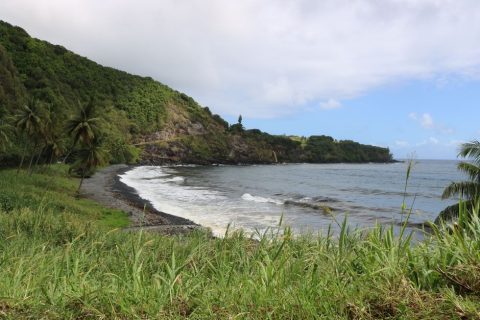
A beloved late-summer tradition, the Maui Fair takes over the War Memorial Complex in Wailuku from September 24 to September 27, 2026. Expect carnival rides, a Ferris wheel with island views, livestock and agricultural exhibits, and cooking contests showcasing local produce like Kula onions and Haiku bananas. Evenings bring live entertainment on the main stage, ranging from Hawaiian slack key guitar to contemporary island pop acts. The fair has run for decades as a showcase of Maui's plantation-era roots and present-day farming community, making it one of the best places to sample malasadas, shave ice, and grilled corn while mingling with residents rather than tourists. Ride wristbands and game booths keep families entertained well into the night under string lights and warm trade winds.
Maui County Fireworks and New Year Beach Celebration
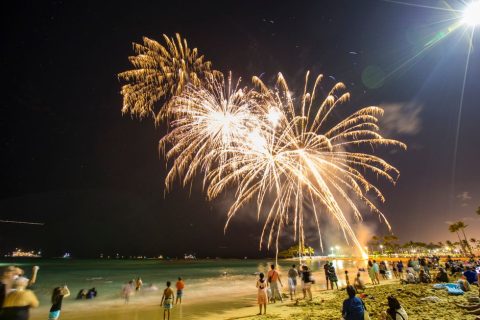
Ring in the new year Maui-style with the county's official fireworks and cultural celebration held at Kalama Park, Kihei on December 31, 2026, from 8pm to 1am. The evening features live Hawaiian music, hula performances, local food vendors, and a synchronized fireworks display over the ocean at midnight, a rare county-sanctioned show given Maui's strict fireworks regulations. Families spread out on beach mats for a picnic-style countdown, while nearby resorts in Kihei and Wailea often host their own smaller displays visible from the shoreline. It is one of the few legal public fireworks shows on the island, making it a popular alternative to private celebrations. Arrive early for parking and a good spot on the grass facing the water.
Halloween in Lahaina Town
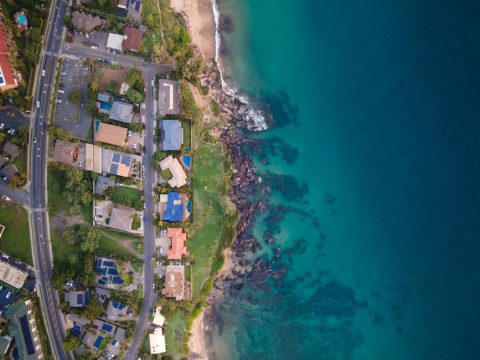
Known locally as the Mardi Gras of the Pacific, Lahaina's Halloween celebration returns on October 31, 2026, transforming Front Street into a costumed street party. Live bands play on outdoor stages, food vendors line the historic banyan tree courtyard, and thousands of costumed revelers, both local families and visitors, fill the harborside streets from early evening past midnight. Trick-or-treating for keiki runs earlier in the afternoon among the shops and galleries before the adult street festival takes over. The tradition dates back decades as one of Hawaii's largest Halloween gatherings, blending small-town charm with a genuinely festive block-party energy. Arriving early secures easier parking and a chance to see the community costume contest before the crowds peak after sunset.
Tips for Events Calendar
- Check event pages close to the date since exact schedules can shift due to weather or venue availability
- Book accommodations early for Whale Festival weekends and Halloween in Lahaina, as rooms fill up fast
- Parking fills quickly at Kalama Park and Front Street events, so arrive at least an hour ahead or use rideshare
- Many events are free, but food, drinks, and activity add-ons are typically cash or card on site
Explore Maui on the Map
Maui enjoys warm weather year-round, but April-May and September-October (shoulder seasons) offer the best combination of good weather, lower hotel rates, and thinner crowds, avoiding both the winter holiday surge and summer school-break peak. December through March is peak season for whale watching, when humpback whales fill the channel between Maui, Lanai, and Molokai, but it also brings the highest prices and biggest crowds, plus occasional heavy surf on north-facing shores. Summer (June-August) is hot and dry with calm seas, ideal for snorkeling and Road to Hana drives. Winter brings more rain to the east side and Upcountry, so West and South Maui's beaches stay drier and sunnier.
A rental car is essential on Maui - public transit is limited, distances between towns are significant, and most top attractions (Road to Hana, Haleakala, Upcountry) are impossible to reach without one. Book rentals well in advance, especially in high season, as island-wide shortages are common.
- Kahului Airport (OGG) is Maui's main gateway, roughly 25 minutes from Kaanapali and 20 minutes from Wailea
- Maui Bus runs limited routes between Kahului, Wailuku, Kihei, Lahaina, and Kaanapali for $2 per ride - useful for resort-area hopping, not for Hana or Haleakala
- Ride-hailing apps (Uber, Lyft) operate around the airport and main resort corridors but have sparse coverage in rural areas
- Verify current ferry service and departure point before planning: this wording omits that Lahaina-area access is restricted and Front Street’s reopening is for vehicular traffic.; there is currently no scheduled passenger ferry to Molokai
- Roads to Hana and the summit of Haleakala are narrow and winding - allow extra time and avoid driving them after dark if unfamiliar
✈️ Airport Transfer
Kahului Airport (OGG) to city center:
- Rental Car: Most visitors rent a car on the spot, Rental-counter hours vary by company; verify the chosen company’s current OGG hours before relying on a late-night pickup, roughly $50 to $90 per day
- Shuttle Van: SpeediShuttle shared van to Kihei or Wailea takes about 30 to 45 minutes, around $25 to $45 per person
- Taxi: Metered taxi to Kahului or Wailuku takes about 10 minutes, around $15 to $20; Kihei or Lahaina runs $60 to $90
- Private Transfer: Pre-booked private car to Wailea or Kaanapali takes 30 to 60 minutes, around $90 to $150 depending on distance
Maui's shopping ranges from open-air resort centers to small-town boutiques and farmers markets. Whalers Village and The Shops at Wailea offer upscale and mainstream brands alongside oceanfront dining. Paia and Makawao are best for independent boutiques, surf gear, and local art galleries, while the Maui Swap Meet in Kahului (Saturday mornings) is the place for local produce, flowers, and handmade crafts at negotiable prices.
Good local souvenirs include Maui-grown coffee and cacao, protea flower arrangements shipped direct from Kula farms, locally made ukuleles, and Hawaiian quilts or textiles. Avoid buying items advertised as "Hawaiian-made" without checking origin labels, as some souvenir shops stock imported goods.
Annual Events on Maui
- Chinese New Year Celebration (Jan/Feb) - Lahaina festivities with lion dances and food (venue may vary during rebuilding)
- Whale Day Celebration (late Feb, Kihei) - free festival marking peak humpback whale season
- East Maui Taro Festival (April, Hana) - celebrates the native Hawaiian staple crop with food, music, and hula
- Ka Hula Piko (May, Molokai, easy day trip) - major hula festival honoring the dance's origins
- King Kamehameha Day (June 11, statewide) - parades and floral floats honoring Hawaii's unifying king
- Maui Fair (late Sept/Oct, Kahului) - carnival rides, food booths, and agricultural exhibits, running over a century
- Halloween in Lahaina - historically Maui's biggest street party; format has changed since 2023 and should be checked locally
- Festival of Lights & Holiday Season (Dec) - tree lightings and events across resort areas
5 Sample Day Itineraries for Maui
Day 1: Road to Hana
Morning:
- 6:30 AM: Depart Paia early with a full tank of gas and snacks
- 7:30 AM: Twin Falls short hike and swim
- 9:30 AM: Wailua Valley lookout and Keanae Peninsula stop
Afternoon:
- 12:00 PM: Lunch from a Hana-side fruit stand or food truck
- 1:00 PM: Pipiwai Trail hike to Waimoku Falls (Kipahulu)
- Waiʻānapanapa requires an advance entry and parking reservation for non-residents, with timed entry and an exit deadline; book a slot that fits the drive and visit.
Evening:
- 5:00 PM: Begin the return drive before dark
- 7:30 PM: Dinner in Paia or Kahului
Day 2: Haleakala Sunrise & Upcountry
Early Morning:
- 3:30 AM: Depart for Haleakala summit (reservation required)
- 5:45 AM: Sunrise at the crater rim, bundled in warm layers
Late Morning/Afternoon:
- 8:00 AM: Breakfast in Kula
- 9:30 AM: Kula Botanical Garden and lavender farm
- 11:30 AM: Ulupalakua Ranch and MauiWine tasting
Evening:
- 3:00 PM: Return to the coast, rest at your hotel
- 6:30 PM: Sunset dinner in Wailea or Kihei
Day 3: West Maui Beach Day
Morning:
- 8:00 AM: Breakfast in Kaanapali
- 9:00 AM: Snorkeling at Black Rock, Kaanapali Beach
- 11:00 AM: Whalers Village Museum and shopping
Afternoon:
- 1:00 PM: Lunch oceanfront in Kaanapali
- 2:30 PM: Relax at Napili Bay
- 4:30 PM: Lahaina Jodo Mission visit
Evening:
- 6:00 PM: Luau experience (check current venue) or sunset dinner cruise
Day 4: Ocean Day - Molokini & Whales
Morning:
- 6:00 AM: Board Molokini snorkel/whale watch boat from Maalaea Harbor
- 7:00 AM - 11:00 AM: Snorkeling Molokini Crater and coastal stop
Afternoon:
- 12:00 PM: Lunch in Kihei
- 1:30 PM: Maui Ocean Center aquarium
- 3:30 PM: Relax at Wailea Beach
Evening:
- 6:30 PM: Dinner along the Wailea coastal path
Day 5: Wailuku, Iao Valley & Central Maui
Morning:
- 9:00 AM: Bailey House Museum, Wailuku
- 10:30 AM: Kaahumanu Church
- 11:00 AM: Iao Valley State Monument and Iao Needle hike
Afternoon:
- 12:30 PM: Kepaniwai Heritage Gardens picnic
- 1:30 PM: Maui Nui Botanical Gardens
- 3:00 PM: Maui Swap Meet (Saturdays) or local shopping in Wailuku
Evening:
- 6:00 PM: Farewell dinner in Kahului or Kihei
Best Photography Locations
- Haleakala Summit at sunrise - otherworldly crater light; arrive at least 45 minutes before sunrise to set up
- Iao Needle viewpoint - best light in morning before clouds build over the valley
- Wailua Valley lookout (Road to Hana) - sweeping waterfall and coastline views, easy roadside pull-off
- Kaanapali Beach at Black Rock - golden hour torch-lighting and cliff-diving ceremony at sunset
- Waianapanapa State Park - black-sand beach with dramatic surf, best mid-morning to avoid harsh midday shadows
- Kula lavender farms - purple rows with Haleakala backdrop, best in soft early morning light
- Molokini Crater from the boat - crescent shape best photographed on approach before anchoring
Hawaii uses the same electrical standard as the rest of the United States: 120V at 60Hz, with Type A/B plugs (two flat parallel pins, sometimes with a third round grounding pin). Visitors from countries using 220-240V systems (Europe, Australia, most of Asia) need a plug adapter and, for sensitive electronics not rated for dual voltage, a step-down voltage converter. Most modern phone, laptop, and camera chargers already accept 100-240V, so only an adapter is typically needed.
Maui's food scene blends Native Hawaiian staples with plantation-era immigrant influences from Japan, China, the Philippines, and Portugal. Must-try dishes include poke (cubed raw fish marinated in soy, sesame, and seaweed), kalua pig (slow-roasted underground in an imu oven, often served at luaus), loco moco (rice, hamburger patty, fried egg, and gravy), and malasadas (Portuguese-style fried doughnuts, a Maui specialty). Plate lunches - a scoop of rice, macaroni salad, and a protein like teriyaki chicken or kalbi - are the island's quintessential casual meal.
Don't miss Maui-grown coffee from Upcountry farms, fresh pineapple, and shave ice topped with tropical syrups and condensed milk. Farmers markets and roadside fruit stands along the Hana Highway offer some of the freshest, most affordable local produce on the island.
Where to Stay in Maui
Don’t recommend the historic district as a visitor base; rebuilding continues and access is restricted in parts of Lahaina. — historic banyan tree square, harbor-front dining, and easy access to West Maui beaches and boat tours, all within walking distance.
Wailea Resort District is the pick for families and travelers wanting a polished resort experience: manicured grounds, calm swimming coves, golf courses, and upscale amenities geared toward kids and multigenerational groups alike.
Paia Town draws a younger, more free-spirited crowd — think surfers, windsurfers, and nightlife seekers. Its funky boutiques, laid-back bars, and proximity to Hookipa Beach Park make it a favorite for travelers who want an authentic, less polished scene without giving up walkable convenience.
Hana Town is best suited to budget travelers and adventurous souls willing to trade resort comforts for remote, rainforest-fringed simplicity at the end of the famous Road to Hana. Lodging here is modest and limited, so it rewards those prioritizing scenery and solitude over polish.
- First-time visitors: Lahaina Historic District
- Families and resort seekers: Wailea Resort District
- Nightlife and surf culture: Paia Town
- Budget and off-the-grid travelers: Hana Town
Maui Travel Budget
Maui is one of the pricier Hawaiian islands, and daily costs shift a lot depending on how you sleep and eat. Here is what to expect per person, per day, in US dollars (2026 pricing).
- Budget ($120-180/day): Hostel dorm or budget motel ($50-80), grocery-store meals and plate lunches ($30-40), renting a car split with others or using the Maui Bus ($10-20), and free or low-cost stops like beaches and Iao Valley ($10-20).
- Mid-range ($250-400/day): A 3-star hotel or condo ($150-220), a mix of casual restaurants and one nicer dinner ($60-90), a rental car with parking and gas ($40-60), and paid activities such as snorkeling tours or the Road to Hana ($40-70).
- Luxury ($550-1,000+/day): Beachfront resort in Wailea or Kaanapali ($400-700), fine dining and chef-driven restaurants ($120-200), a premium rental or private driver ($80-120), and splurge experiences like a helicopter tour or luau ($150-250).
Tip: A rental car is nearly essential on Maui since public transport is limited, so budget for it even on tighter trips. Prices spike around holidays and the winter high season (December-March).
Is Maui Worth Visiting?
Yes — Maui earns its reputation as one of Hawaiis most rewarding islands, pairing dramatic volcanic landscapes with laid-back beach culture in a way few destinations can match.
- Iconic bucket-list experiences: Watching sunrise from the summit of Haleakala and driving the winding Road to Hana deliver two of the most memorable days youll spend on any island in the world.
- Beaches for every mood: The golden-sand beaches along the west side offer calm swimming, snorkeling, and postcard sunsets without needing to travel far from your resort.
- A community worth supporting: Historic Lahaina remains a moving, resilient stop — visiting responsibly helps the local community rebuild while letting travelers connect with its rich whaling-era and Hawaiian history.
Best for: travelers who want a mix of adrenaline (sunrise hikes, road-trip adventures), relaxation (west-side beaches), and meaningful cultural connection in one trip.
Tourist Passes
Haleakala National Park Entrance Pass
Official National Park Service pass covering entry to Haleakala National Park, valid for 3 consecutive days and covering both the summit and Kipahulu (Pipiwai Trail) districts. A separate paid sunrise viewing reservation is required in addition to this entrance pass. Best for: Any visitor planning to see the summit or hike Pipiwai Trail. Price: $30 per vehicle, or The NPS lists America the Beautiful pass prices from $0 to $250 depending on pass type; avoid presenting $80 as the single current annual-pass price.
www.nps.govGyPSy Guide Road to Hana Driving Tour App
A GPS-triggered audio tour app that narrates history, legends, and turn-by-turn stop guidance automatically as you drive the Road to Hana, without needing cell signal once downloaded. Covers waterfalls, viewpoints, and hidden stops many self-guided drivers miss. Best for: Independent drivers who want context without a full guided van tour. Price: One-time app purchase, typically under $20.
gypsyguide.comPacific Whale Foundation Cruise Packages
A nonprofit ocean conservation operator offering discounted combination packages when booking multiple whale watching, snorkeling, or Molokini tours together rather than separately. Proceeds support marine research and education. Best for: Visitors planning more than one boat excursion during their stay. Price: Varies by combination; check current package pricing online.
www.pacificwhale.orgMore about Maui
Photo credits (30)
- Haleakala National Park Summit: photo by Forest and Kim Starr, CC BY 3.0 us, via Wikimedia Commons
- Iao Valley State Monument: photo by Aaron Zhu, CC BY-SA 3.0, via Wikimedia Commons
- Lahaina Banyan Tree Park: photo by Rick Obst, CC BY 2.0, via Wikimedia Commons
- Ulupalakua Ranch: photo by Forest and Kim Starr, CC BY 2.0, via Wikimedia Commons
- Bailey House Museum: photo by Oscar O Oscar, CC BY-SA 3.0, via Wikimedia Commons
- Maui Ocean Center: photo by Richard N Horne, CC BY-SA 4.0, via Wikimedia Commons
- Lahaina Jodo Mission: photo by Forest and Kim Starr, CC BY 2.0, via Wikimedia Commons
- Kaahumanu Church: photo by 293.xx.xxx.xx, CC BY-SA 3.0, via Wikimedia Commons
- Wananalua Congregational Church: photo by JERRYE & ROY KLOTZ MD, CC BY-SA 3.0, via Wikimedia Commons
- Kaanapali Beach: photo by John P Salvatore, CC BY-SA 4.0, via Wikimedia Commons
- Wailea Beach: photo by dronepicr, CC BY 2.0, via Wikimedia Commons
- Napili Bay: photo by KAP03, CC BY-SA 4.0, via Wikimedia Commons
- Pipiwai Trail & Waimoku Falls: photo by Angela Sevin from SF Bay Area, US, CC BY 2.0, via Wikimedia Commons
- Molokini Crater: photo by Forest & Kim Starr, CC BY 3.0, via Wikimedia Commons
- Kula Botanical Garden: photo by Forest and Kim Starr, CC BY 3.0 us, via Wikimedia Commons
- Maui Nui Botanical Gardens: photo by Forest & Kim Starr, CC BY 3.0, via Wikimedia Commons
- Kepaniwai Heritage Gardens: photo by Larry D. Moore, CC BY 4.0, via Wikimedia Commons
- Lahaina Historic District: photo by Joel Bradshaw, Public domain, via Wikimedia Commons
- Paia Town: photo by Forest and Kim Starr, CC BY 3.0 us, via Wikimedia Commons
- Hana Town: photo by Bernard Spragg. NZ from Christchurch, New Zealand, CC0, via Wikimedia Commons
- Road to Hana: photo by 293.xx.xxx.xx, CC BY-SA 4.0, via Wikimedia Commons
- Maui Tropical Plantation: photo by Forest and Kim Starr, CC BY 3.0 us, via Wikimedia Commons
- Sugar Cane Train (Lahaina Kaanapali and Pacific Railroad): photo by Project kei, CC BY-SA 4.0, via Wikimedia Commons
- Launiupoko Beach Park: photo by Forest and Kim Starr, CC BY 3.0 us, via Wikimedia Commons
- Kalama Park: photo by Forest and Kim Starr, CC BY 2.0, via Wikimedia Commons
- Maui Fair: photo by Don Ramey Logan, CC BY-SA 4.0, via Wikimedia Commons
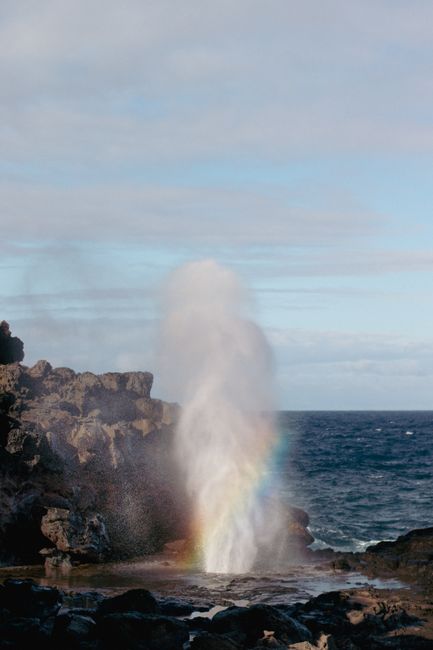
- Nakalele Blowhole: photo by Larry D. Moore, CC BY 4.0, via Wikimedia Commons
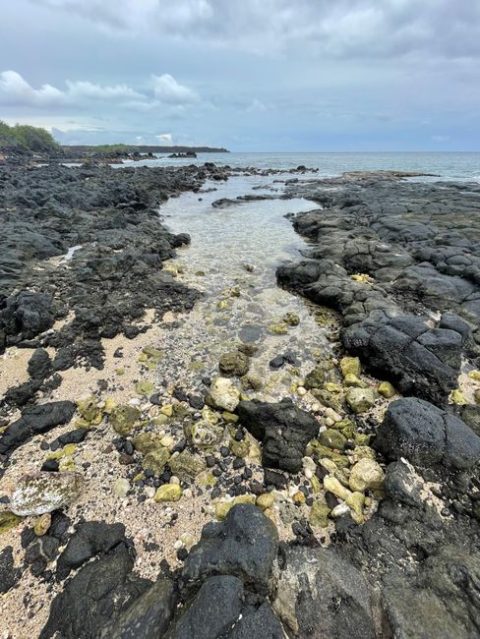
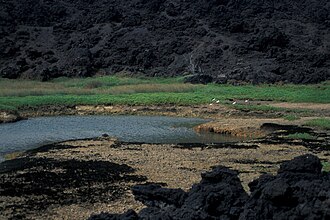
- Ahihi-Kinau Natural Area Reserve: photo by Forest & Kim Starr, CC BY 3.0, via Wikimedia Commons
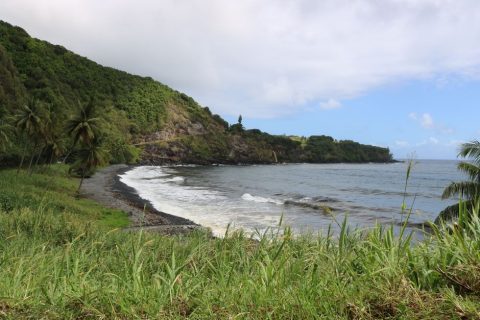
- Keanae Peninsula: photo by Bernard Spragg. NZ from Christchurch, New Zealand, CC0, via Wikimedia Commons
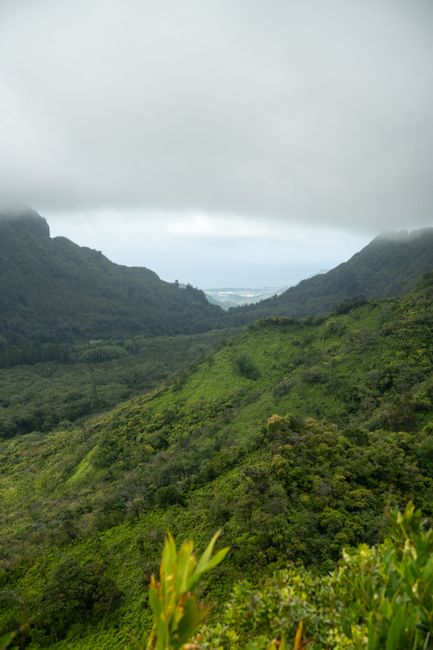
- Waihee Ridge Trail: photo by Forest and Kim Starr, CC BY 3.0 us, via Wikimedia Commons
.jpg)


.jpg)


.jpg)


.jpg)


.jpg)
.jpg)

.jpg)

.jpg)
.jpg)


.jpg)