Beyond the crowded overlooks and resort strips, Maui hides a quieter side: lava-carved coastlines, jungle-shrouded ridgelines, and Hawaiian villages where time moves slower. These spots reward a little extra driving and a willingness to get your feet wet or dusty.
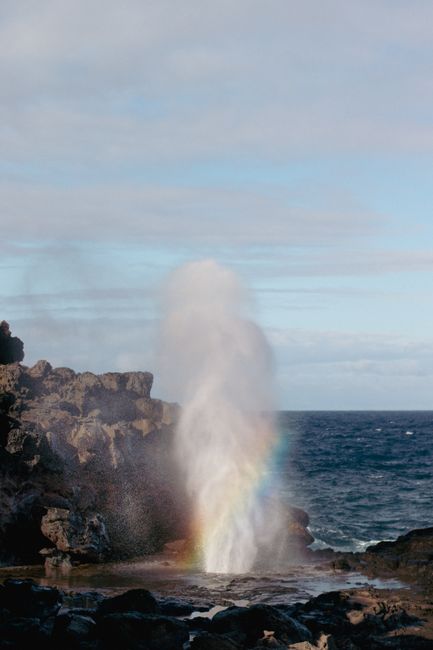
Nakalele Blowhole
On Maui's rugged north shore, a natural lava tube funnels incoming surf into a thunderous vertical geyser that can shoot saltwater 30 feet into the air. Reaching it requires a short, uneven scramble across a windswept coastal shelf pocked with tide pools and eroded rock formations, including a famous heart-shaped hole worn into the cliff face. There are no railings and no crowds, just wind, spray, and the raw geology of West Maui. Time your visit around higher surf for the biggest eruptions, but always keep a respectful distance since the blowhole and nearby rocks have caused injuries. Bring sturdy shoes, sun protection, and water. It's a favorite stop on the Kahekili loop for travelers who skip the packaged tours and explore the coast at their own pace, with far fewer people than the island's headline sights.
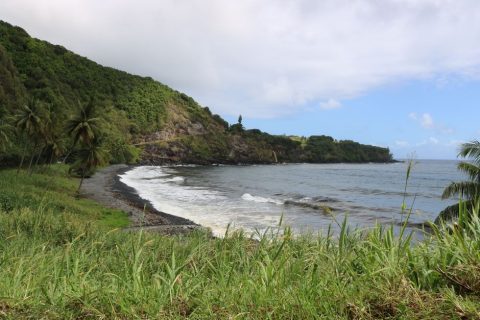
Keanae Peninsula
A finger of ancient lava jutting into the Pacific along the Road to Hana, Keanae is a working Hawaiian village where taro has been farmed in flooded lo'i patches for generations. Waves crash dramatically against the peninsula's black rock shoreline while the interior stays green and quiet, with a small historic stone church and roadside fruit stands run by local families. Most drivers speed past on their way to Hana without stopping, missing one of the few places on the route that still feels like a lived-in community rather than a photo stop. Walking the peninsula's edge gives sweeping views back toward the Ko'olau coastline and a genuine sense of rural Maui life. It's an easy detour that costs only a few minutes but offers a far deeper impression of the island than the drive-through crowds get.
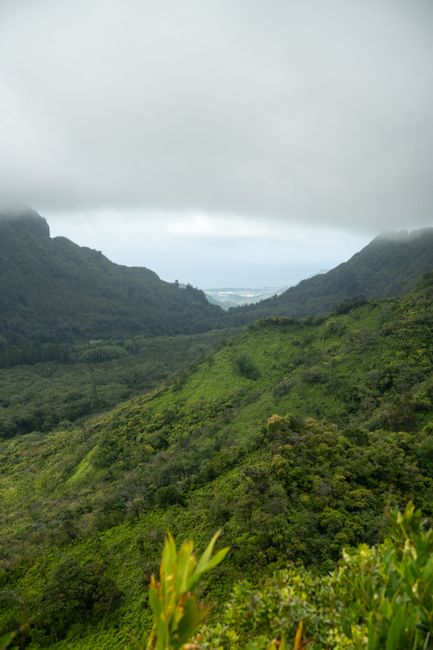
Waihee Ridge Trail
Climbing steeply into the West Maui Mountains above Wailuku, this ridgeline trail switchbacks through misty forest and open grassy knolls before reaching a viewpoint overlooking the deep, fluted Waihee Valley and, on clear days, the distant peak of Puu Kukui. The trail is steep and can turn muddy quickly, but it stays largely free of the crowds found on more famous hikes, rewarding effort with a genuinely wild, jungle-green panorama. Wild flowers and native birdlife line sections of the route, and the final overlook feels like a private lookout rather than a designated tourist stop. It's a solid half-day outing for travelers wanting real elevation gain and unfiltered mountain scenery without the shuttle buses and permit systems required elsewhere on the island. Trekking poles and grippy shoes make the descent considerably easier.
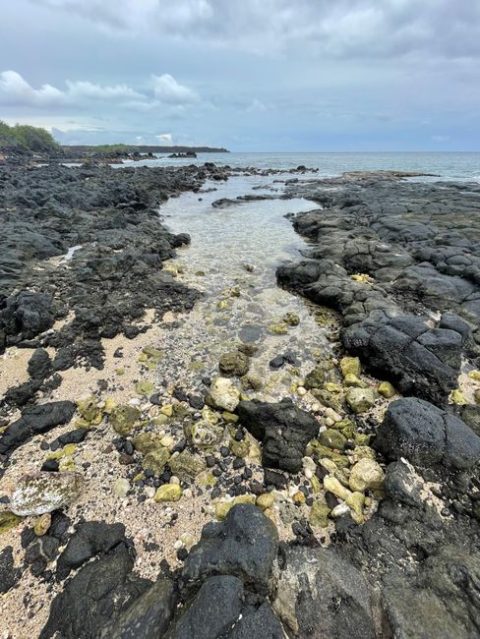
Olivine Pools
Carved into a shelf of black volcanic rock near Nakalele, these natural tide pools fill and refresh with each incoming wave, creating calm turquoise basins framed by jagged lava. Locals have long used them as a swimming spot away from the tourist beaches, though conditions depend entirely on ocean swell, and the pools should be avoided when surf is high since waves can sweep across the rocks without warning. The short unmarked walk in crosses open coastal terrain with sweeping ocean views and almost no other visitors. It's a place best enjoyed by checking conditions first and going with a calm-sea forecast. There are no facilities, signage, or lifeguards, which is exactly the appeal for travelers seeking an unpolished, genuinely local slice of Maui's coastline rather than a manicured beach park.
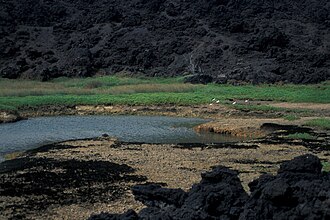
Ahihi-Kinau Natural Area Reserve
South of Wailea, this state-protected reserve covers a stark expanse of young lava flows meeting some of Maui's clearest water, including La Perouse Bay. The ancient Hoapili Trail, a partially intact stone footpath once used by Hawaiian travelers, threads across the black rock along the coast toward a lighthouse ruin, offering a raw, shadeless hike through a landscape that looks almost lunar. Snorkeling near the reserve's coves reveals healthy reef largely untouched by resort development, since swimming is restricted in the most sensitive zones to protect marine life. There's no shade, so early morning visits are best before the lava rock heats up. It's one of the few places on Maui where you can stand on relatively recent volcanic ground and see how the island's coastline actually formed.
Tips for Hidden Gems
- Rent a car with good clearance since several of these spots sit down unpaved coastal or forest access roads.
- Check ocean and weather conditions before visiting blowholes, tide pools, or the Ahihi-Kinau coastline, as surf can turn dangerous fast.
- Bring cash for roadside taro and fruit stands in Keanae, most don't take cards.
- Start hikes like Waihee Ridge early to beat afternoon clouds and midday heat.