Beyond the postcard landmarks, Santa Barbara hides quiet ridgeline ruins, ancient rock art, and lagoon-side trails that most itineraries never reach. These spots reward a rental car, a bit of walking, and a willingness to skip the crowds for something stranger and quieter.
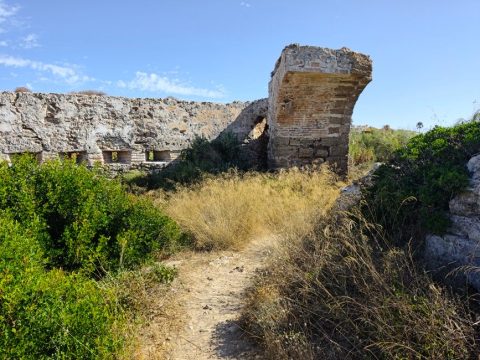
Knapp's Castle Ruins
A short hike into the hills above Santa Barbara leads to the stone skeleton of a mansion built in the 1920s by Union Carbide chairman George Owen Knapp, destroyed by wildfire decades ago and never rebuilt. What remains are freestanding sandstone arches and chimneys that frame dramatic views over the Santa Ynez Valley, especially striking at sunset when the light catches the exposed stonework. The trailhead has minimal parking and no facilities, and the walk itself is relatively flat and easy, making it accessible for a wide range of visitors. Photographers favor it for the surreal combination of ruin and open sky, and it rarely appears in mainstream tourist guides despite being well known among locals. There are no fences around the crumbling structures, so caution is needed near the edges. Because it sits on a fire-scarred hillside, conditions and access can change seasonally, so checking current trail status before heading out is worthwhile.
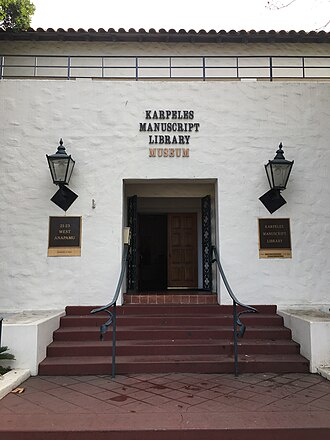
Karpeles Manuscript Library Museum
Housed in a former Christian Science church building, this free museum holds rotating selections from the largest private collection of original manuscripts and documents in the world, assembled by David and Marsha Karpeles. Exhibits have included handwritten drafts of the Bill of Rights, letters from Einstein and Lincoln, and original musical scores, displayed in a hushed, almost forgotten setting far from the beach crowds. There is no admission fee and rarely any line, and the collection rotates every few months, so repeat visits often reveal entirely different documents. The building itself, with its domed ceiling and stained glass, adds to the sense of stumbling onto something unexpected in a quiet residential neighborhood. It draws history buffs and curious locals more than international tourists, and a visit typically takes less than an hour. Checking current exhibits online beforehand helps set expectations, since the specific documents on display vary throughout the year.
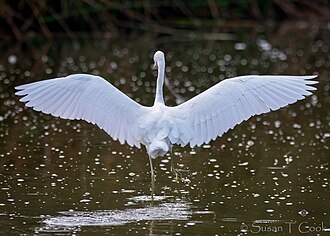
Andree Clark Bird Refuge
Wedged between the freeway and the polo grounds near the beach, this tidal lagoon and wetland is easy to drive past yet supports a surprising density of herons, egrets, pelicans, and migratory waterfowl throughout the year. A flat, paved loop trail circles the water, making it popular with local dog walkers and birders but almost entirely absent from typical sightseeing routes. Interpretive signage explains the refuges history as a former lagoon dredged and reshaped over the decades, and benches along the path offer quiet spots to sit with binoculars. Unlike the crowded beaches nearby, the refuge stays calm even on busy summer weekends, since most visitors do not realize it exists. It connects conveniently to the citys waterfront bike path, so it pairs well with an early morning walk or ride before the main tourist areas fill up. No entry fee or reservation is needed, and the loop takes well under an hour at an easy pace.
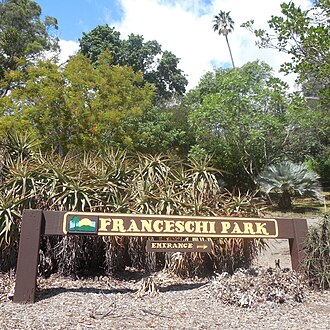
Franceschi Park
Perched high above the city, this overgrown estate garden once belonged to Italian botanist Francesco Franceschi, who introduced hundreds of exotic plant species to Southern California in the early 1900s. Today the mansion sits boarded up and slowly crumbling, surrounded by palm groves, agave, and wild fennel that have reclaimed much of the original landscaping. Locals come for the sweeping views over the Santa Barbara coastline and Channel Islands rather than the plants themselves, and it is rare to see more than a handful of other visitors even on weekends. There are no ticket booths, gift shops, or interpretive signs, just a free public park with cracked pathways and eucalyptus-shaded benches. Bring water, wear real shoes, and expect a short uphill walk from the small parking area. The faded grandeur and total lack of crowds make it feel like a genuine discovery rather than a stop on a list.
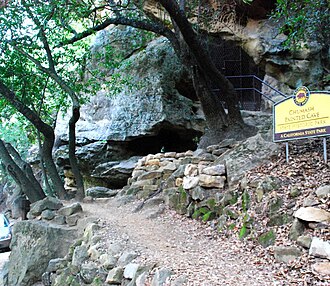
Chumash Painted Cave State Historic Park
Tucked into a narrow turnout on a winding mountain road above the city, this tiny state park protects a single sandstone cave containing some of the best-preserved Chumash pictographs in California. The red, black, and white paintings, thought to depict cosmological and ceremonial themes, are viewed through a locked iron grate rather than up close, which has kept them intact for centuries. There is no visitor center, no staff, and often no other cars, just a pull-off, a short flight of stairs, and the cave itself. The drive up Painted Cave Road is narrow and twisting, part of the experience for anyone chasing a quieter side of the region. Because the site is unstaffed and easy to miss, most guidebooks skip it entirely, yet it offers a direct link to the areas indigenous history that predates every mission and courthouse downtown. Visit in daylight, as the road has no lighting.
Tips for Hidden Gems
- Rent a car for a half-day loop connecting the hillside ruins, cave, and gardens, since none are walkable from downtown
- Visit Franceschi Park and Knapp's Castle in late afternoon for the best light and cooler hiking temperatures
- Check the Karpeles Museum website beforehand since exhibits rotate every few months
- Bring cash-free flexibility and sturdy shoes, as most of these sites have no facilities or paved parking