Beyond the colonial era, Quito sits on foundations of pre-Columbian settlement and holds sites revealing Ecuador's indigenous heritage. Archaeological sites and museums preserve evidence of sophisticated ancient civilizations that flourished in the Andean region.
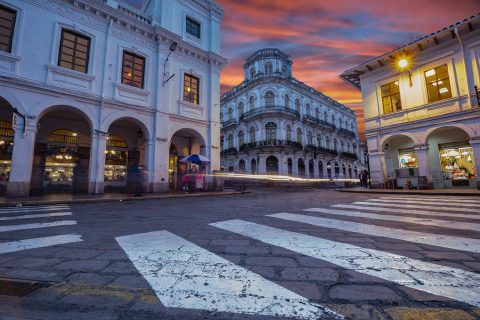
Colonial Street Layout and Architecture Walk
Quito's historic center maintains remarkable colonial street patterns established in 1534, making walking tours through the old city an archaeological experience in urban planning. Streets reveal layers of cultural influence, while building facades showcase architectural evolution. Many colonial buildings have been converted into museums, shops, and restaurants while maintaining historical integrity.
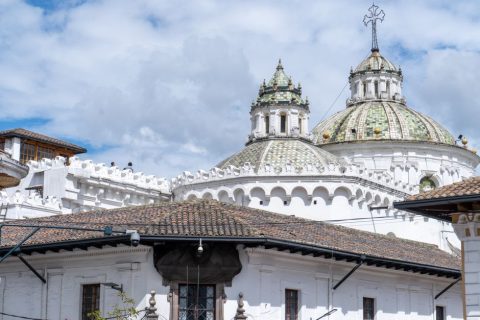
Rumipamba Archaeological Site
An important pre-Columbian settlement site offering insights into the region's indigenous cultures before Spanish conquest. Partially excavated structures, artifact displays, and interpretive signage help visitors understand ancient settlement patterns and daily life. The site sits within Quito's expansion, making it a unique bridge between modern and ancient urban development.
Tips for Ancient & Historical Sites
- Hire a local guide for deeper understanding of pre-Columbian history
- Many archaeological artifacts are housed in central museums rather than dispersed sites
- The historic center is a UNESCO World Heritage Site with preservation standards
- Walking tours at dawn provide best lighting for photography and fewer crowds