Beyond the colonial center, Quito's diverse neighborhoods each possess distinct character. From artistic enclaves to modern urban centers, these districts reveal the city's contemporary vitality alongside historical depth.
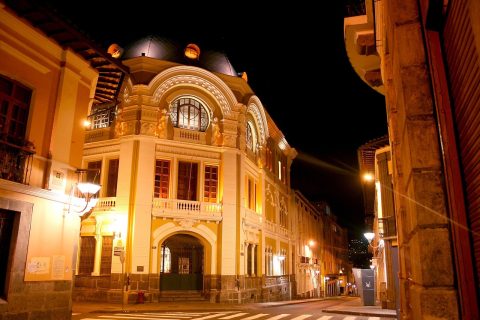
Historic Center (Centro Histórico)
UNESCO World Heritage Site encompassing the colonial old city with narrow streets, colonial architecture, and cultural landmarks. Home to museums, galleries, restaurants, and artisan shops. Despite some urban challenges, the historic center maintains remarkable architectural coherence spanning nearly 500 years. Best experienced through walking tours with knowledgeable guides.
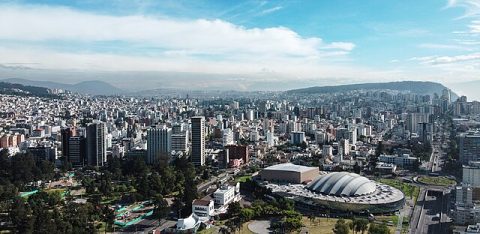
La Mariscal (Gringolandia)
A cosmopolitan neighborhood popular with tourists and expatriates, featuring restaurants, bars, hotels, and shops catering to international visitors. The district boasts excellent dining options ranging from Ecuadorian to international cuisine, alongside nightlife venues. Modern amenities and relative safety make it appealing for visitors, though it contrasts sharply with the historic center's colonial atmosphere.
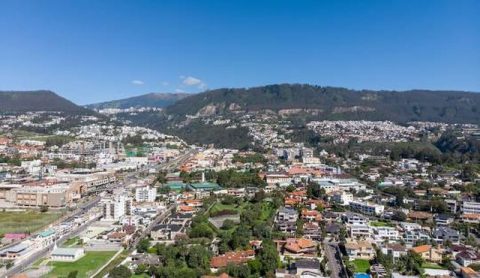
Cumbayá
An upscale suburban neighborhood east of central Quito, known for fine dining, art galleries, and pleasant climate. The area attracts affluent residents and tourists seeking contemporary cultural venues and sophisticated dining experiences. Located in a valley with stunning views, Cumbayá offers modern amenities while maintaining connection to Andean landscape.
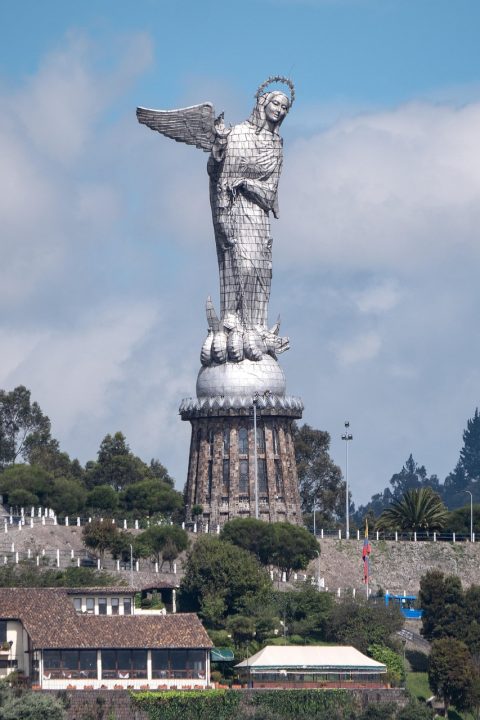
Bellavista
An artistic neighborhood becoming increasingly popular with galleries, boutique shops, and creative businesses. The district showcases street art, local artists' studios, and craft breweries. Growing culinary scene and cultural venues attract younger demographics and travelers seeking contemporary Ecuadorian culture beyond colonial architecture.
Tips for Neighborhoods & Districts
- Historic center best visited during daylight hours with awareness of surroundings
- La Mariscal is convenient for dining and nightlife but avoid walking alone at night
- Cumbayá offers peaceful retreat but requires short taxi ride from city center
- Each neighborhood reflects different aspects of Ecuadorian culture and modernity
- Hiring a local guide helps navigate safely and understand neighborhood history