Quito's public spaces represent the city's social and political heart, where colonial architecture frames vibrant plazas. These squares have hosted celebrations, protests, and daily life for nearly five centuries, making them essential to understanding the city's character.
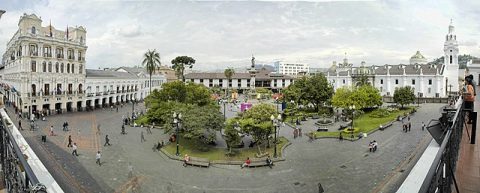
Plaza Grande (Plaza de la Independencia)
Quito's most important square, surrounded by the Cathedral, Government Palace, Archbishop's Palace, and Municipal Building. The plaza features colonial arcades, local artists displaying work, and the central Independence Monument. Historically and presently the hub of Ecuadorian political and spiritual life, it captures the essence of Quito's heritage.
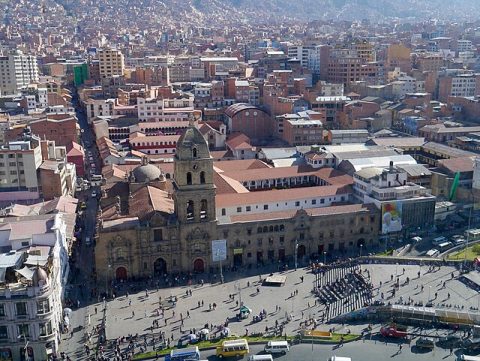
Plaza San Francisco
Anchored by the magnificent Church of San Francisco, this plaza represents quintessential Spanish colonial design. Surrounding arcades house shops, restaurants, and galleries. The square provides gathering space with atmospheric colonial architecture and remains a vibrant meeting point where locals and tourists converge.

Calle García Moreno
Quito's most historic pedestrian street, running north-south through the colonial center. Lined with colonial buildings housing museums, galleries, restaurants, and shops, it offers immersive cultural experience. Street-level activity mingles with architectural appreciation, making it essential for understanding Quito's daily life and heritage.
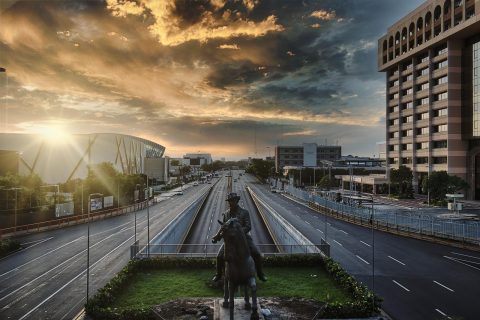
Plaza Santo Domingo
A charming square featuring the Church of Santo Domingo and convent, surrounded by restored colonial buildings and local businesses. The plaza maintains authentic neighborhood character with less tourist presence than Plaza Grande. Artists often display work, and evening gatherings create convivial atmosphere under colonial arcades.
Tips for Squares & Streets
- Early morning and late afternoon light provides best photography conditions
- Plazas are safest and most vibrant during daytime hours
- Many surrounding buildings now house quality restaurants and cafes
- Sunday afternoons are most lively with families and street performers
- Walking between plazas creates natural tourism circuit through historic center