Few regions on Earth pack in as much ancient history as the Peloponnese, birthplace of the Olympic Games and home to Mycenaean palaces that inspired Homer.
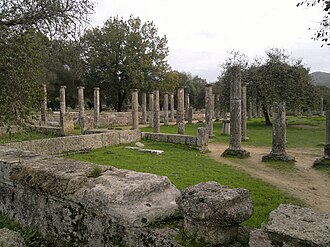
Ancient Olympia
The original home of the Olympic Games, founded in the 8th century BCE, this sprawling sanctuary includes the stadium where ancient athletes competed, the ruins of the Temple of Zeus, and the palaestra where wrestlers trained. The flame is lit in Olympia before each edition of the Olympic Games; Summer and Winter Games alternate every two years. Walking onto the ancient stadium track, still lined with its original stone starting blocks, is a highlight for most visitors.
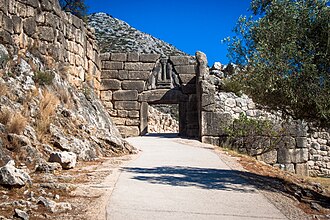
Mycenae
Home of the legendary King Agamemnon, this Bronze Age citadel gave its name to an entire Greek civilization. Highlights include the monumental Lion Gate, the Cyclopean walls Homer described as built by giants, and the beehive-shaped Treasury of Atreus, one of the most sophisticated stone structures of the ancient world. Heinrich Schliemann's 19th-century excavations here uncovered gold masks and treasures that rewrote the timeline of Greek prehistory.
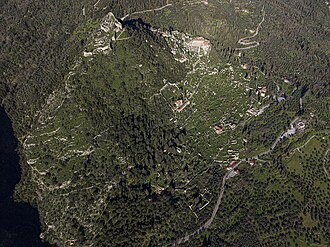
Mystras
A UNESCO-listed Byzantine ghost town cascading down a steep hillside near Sparta, Mystras was once a thriving capital of the Despotate of the Morea, the last outpost of Byzantine culture before the fall of Constantinople. Wandering its stone streets today, visitors pass abandoned mansions, monasteries with vivid frescoes still visible in the Pantanassa Convent, and a hilltop fortress, largely empty and remarkably atmospheric.
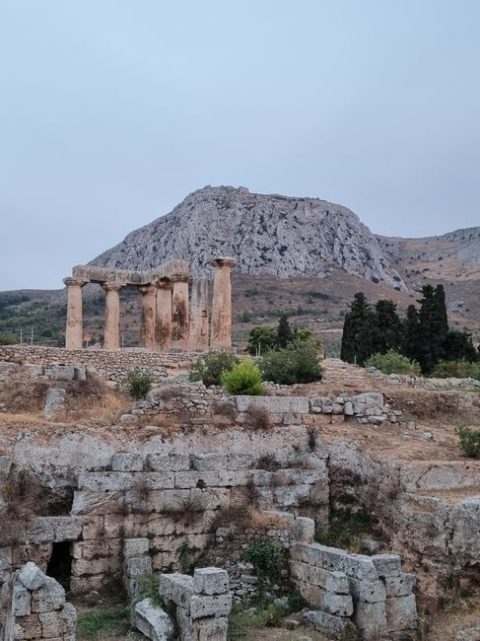
Ancient Corinth & Acrocorinth
Once one of the wealthiest cities of classical Greece, Ancient Corinth preserves the Temple of Apollo and a well-preserved Roman-era agora that the Apostle Paul would have walked through. Towering above it, the fortress of Acrocorinth occupies a dramatic rocky acropolis, refortified in turn by Byzantines, Franks, Venetians, and Ottomans, with sweeping views across the Gulf of Corinth from its highest ramparts.
Tips for Ancient & Historical Sites
- Wear closed shoes with good grip, ancient stone paths at Mystras and Acrocorinth are uneven and can be slippery
- Visit Olympia and Mycenae in the early morning in summer, there is very little shade
- The Greek Ministry of Culture sells combined tickets covering multiple sites at Olympia and Mycenae