Plan your trip to Peloponnese
- How long
- 5-7 days: base in Nafplio, with Mycenae, Epidaurus and Mystras as day trips.
- Best for
- History and road-trip lovers: Bronze Age citadels, Venetian towns and mountain villages.
- Skip it if
- You do not want to drive: distances are long and buses are slow.
If you only do three things
- Mycenae and its museum.
- Nafplio old town and Palamidi.
- The Diakopto–Kalavryta area (rack railway suspended).
A one-day route
- Morning: Mycenae.
- Midday: Lunch in Nafplio.
- Afternoon: Nafplio old town and Palamidi.
- Evening: Dinner in Nafplio.
Before you go
- Mycenae’s ticket covers the citadel, museum and Treasury of Atreus; check the official page for seasonal hours.
- The Diakopto–Kalavryta rack railway is suspended; check Hellenic Train for updates.
- From Athens Airport, express bus X93 to Kifissos takes about 65 minutes (€5.50), then KTEL to Nafplio (€15.70 one way).
Prices, opening status and transport in this plan checked against official sources on 1 October 2026.
Things to do in Peloponnese
The Peloponnese's landmarks span a canal that reshaped Mediterranean shipping to fortress towns still guarding its coastline centuries after they were built.
Palamidi Fortress, Nafplio
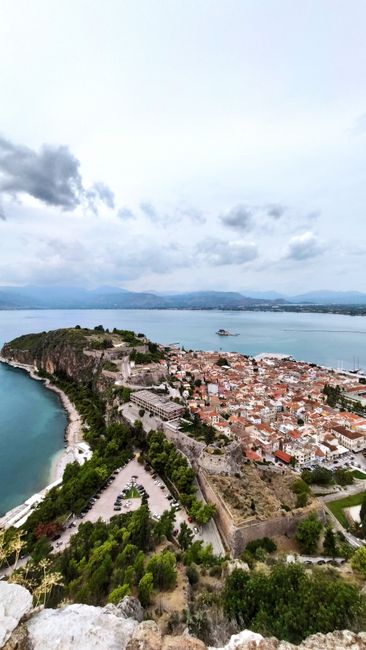
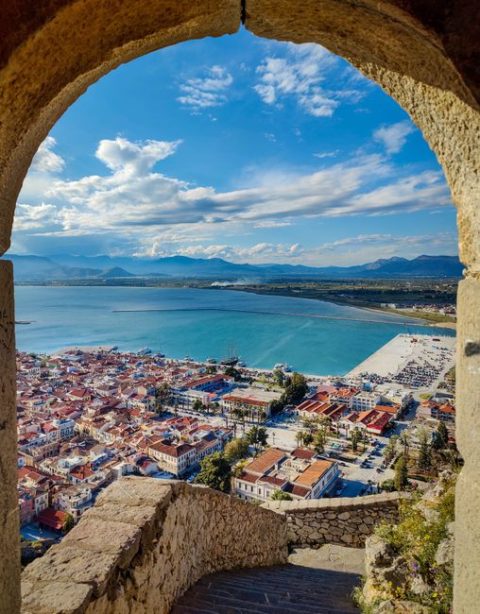
This sprawling Venetian fortress crowns a hill above Nafplio, reachable by road or a famous 857-step staircase climbing straight up from the old town. Built in the early 18th century, its bastions offer sweeping views over the Argolic Gulf and the town's red-tiled rooftops below. The complex includes cells once used to imprison Theodoros Kolokotronis, a hero of the Greek War of Independence.
Corinth Canal
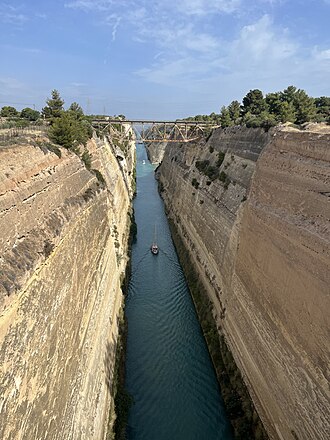
Cut through solid rock in the 1890s, this narrow 6.4-kilometer canal separates the Peloponnese from mainland Greece, joining the Ionian and Aegean Seas along a route the ancient Greeks themselves once dreamed of digging. Viewing platforms on the road bridge let visitors look almost 90 meters straight down at ships squeezing through the vertical limestone walls, and bungee jumping operators run from the same bridge for the more adventurous.
Methoni Castle
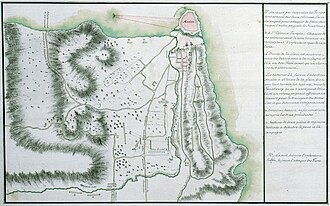
One of the largest Venetian sea fortresses in the Mediterranean, Methoni Castle juts into the sea on a small promontory in Messinia, connected to the mainland by a stone bridge over the old moat. Its most photographed feature is the octagonal Bourtzi tower standing alone at the far end of the peninsula, once used as a prison. Sunset here, with waves breaking against the ramparts, is one of the region's most memorable sights.
Tips for Landmarks & Monuments
- Wear sturdy shoes for the Palamidi staircase, it is steep and has no shade
- Combine the Corinth Canal stop with a drive between Athens and the Peloponnese, it sits right on the main route
- Methoni is best visited late afternoon for the light and cooler temperatures
Museums across the peninsula hold some of Greece's most significant archaeological finds, from Mycenaean gold to Olympic Games artifacts.
Archaeological Museum of Olympia
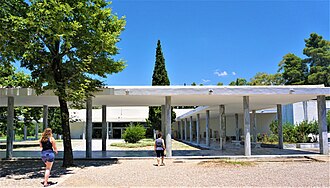
Steps from the ancient sanctuary itself, this museum houses treasures recovered from Olympia's excavations, including the Hermes of Praxiteles, monumental sculptures from the Temple of Zeus pediments, and bronze offerings left by ancient athletes and pilgrims. Well-organized displays trace the site's religious and sporting significance across more than a thousand years of continuous use.
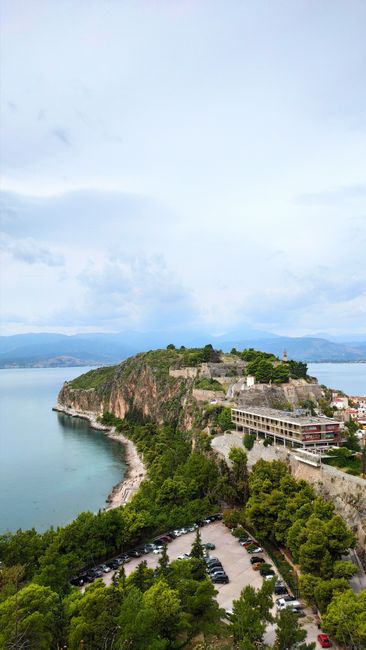
Archaeological Museum of Nafplio
Housed in a handsome 18th-century Venetian building on Nafplio's main square, this museum displays finds from across the Argolid, including a remarkable full suit of Mycenaean bronze armor, one of the oldest known in Europe, alongside pottery, figurines, and jewelry spanning the Neolithic to Mycenaean periods.
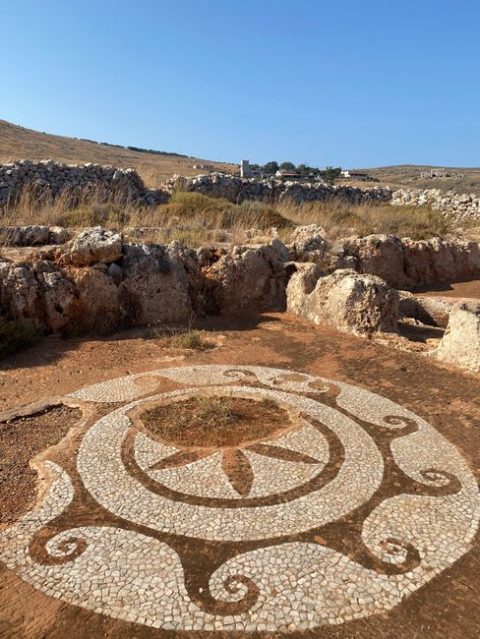
Mycenae Archaeological Museum
This compact on-site museum complements the ruins of Mycenae above it, displaying replicas of the famous gold funeral masks (the originals are in Athens), along with pottery, seal stones, and everyday objects that bring the palace's Bronze Age daily life into focus alongside its monumental architecture.
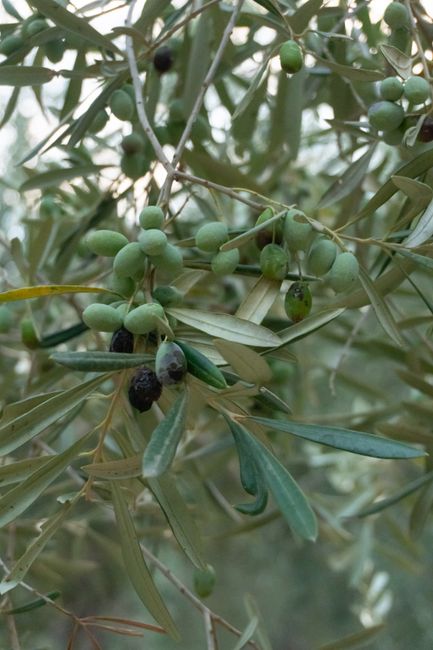
Museum of the Olive and Greek Olive Oil
In Sparta, this well-curated museum traces 5,000 years of olive cultivation in Greece, from ancient stone presses to modern industrial equipment, explaining the fruit's central role in the region's economy, cuisine, and religious rituals (olive oil once fueled the flame at Olympia's ancient altar).
Tips for Museums & Galleries
- Buy the combined ticket at Olympia, it covers the museum and archaeological site together
- The original Mycenae gold masks are in the National Archaeological Museum in Athens, not on-site
Few regions on Earth pack in as much ancient history as the Peloponnese, birthplace of the Olympic Games and home to Mycenaean palaces that inspired Homer.
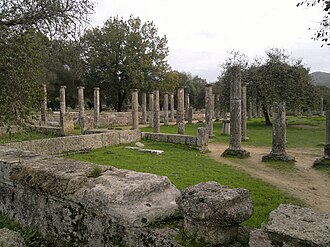
Ancient Olympia
The original home of the Olympic Games, founded in the 8th century BCE, this sprawling sanctuary includes the stadium where ancient athletes competed, the ruins of the Temple of Zeus, and the palaestra where wrestlers trained. The flame is lit in Olympia before each edition of the Olympic Games; Summer and Winter Games alternate every two years. Walking onto the ancient stadium track, still lined with its original stone starting blocks, is a highlight for most visitors.
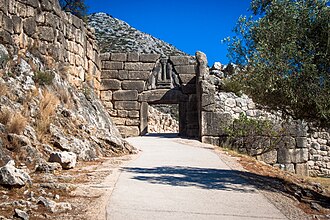
Mycenae
Home of the legendary King Agamemnon, this Bronze Age citadel gave its name to an entire Greek civilization. Highlights include the monumental Lion Gate, the Cyclopean walls Homer described as built by giants, and the beehive-shaped Treasury of Atreus, one of the most sophisticated stone structures of the ancient world. Heinrich Schliemann's 19th-century excavations here uncovered gold masks and treasures that rewrote the timeline of Greek prehistory.
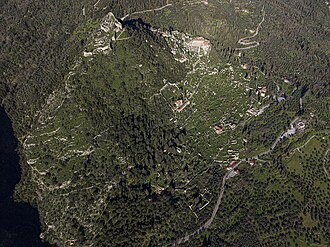
Mystras
A UNESCO-listed Byzantine ghost town cascading down a steep hillside near Sparta, Mystras was once a thriving capital of the Despotate of the Morea, the last outpost of Byzantine culture before the fall of Constantinople. Wandering its stone streets today, visitors pass abandoned mansions, monasteries with vivid frescoes still visible in the Pantanassa Convent, and a hilltop fortress, largely empty and remarkably atmospheric.
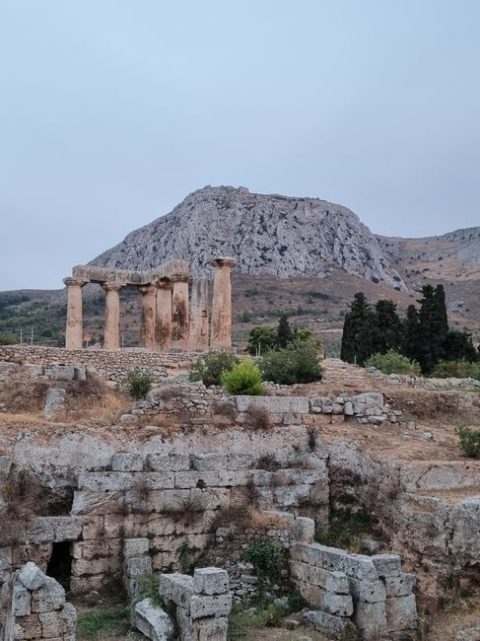
Ancient Corinth & Acrocorinth
Once one of the wealthiest cities of classical Greece, Ancient Corinth preserves the Temple of Apollo and a well-preserved Roman-era agora that the Apostle Paul would have walked through. Towering above it, the fortress of Acrocorinth occupies a dramatic rocky acropolis, refortified in turn by Byzantines, Franks, Venetians, and Ottomans, with sweeping views across the Gulf of Corinth from its highest ramparts.
Tips for Ancient & Historical Sites
- Wear closed shoes with good grip, ancient stone paths at Mystras and Acrocorinth are uneven and can be slippery
- Visit Olympia and Mycenae in the early morning in summer, there is very little shade
- The Greek Ministry of Culture sells combined tickets covering multiple sites at Olympia and Mycenae
Byzantine monasteries and remote mountain churches reflect centuries of Orthodox Christian devotion across the Peloponnese's hills and valleys.
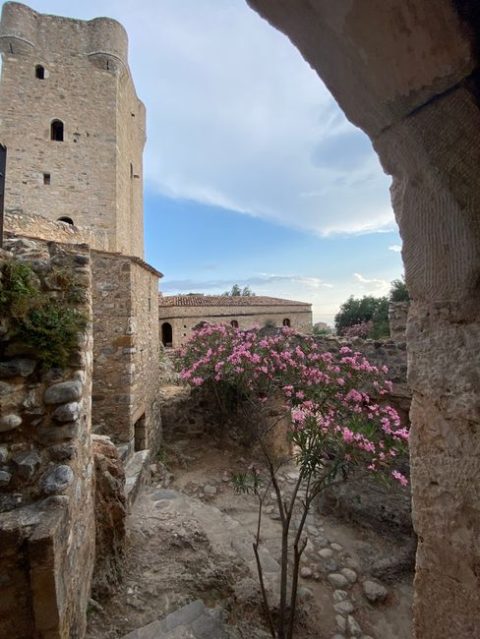
Mystras Monasteries & Metropolis
Within the ruins of Mystras, several monasteries remain active or preserved, including the Pantanassa Convent, still home to a small community of nuns, and the Metropolis (Cathedral of St. Demetrios), where Byzantine emperor Constantine XI was crowned in 1449. Faded but still vivid frescoes cover many interior walls, offering a rare, intact glimpse of late Byzantine religious art.
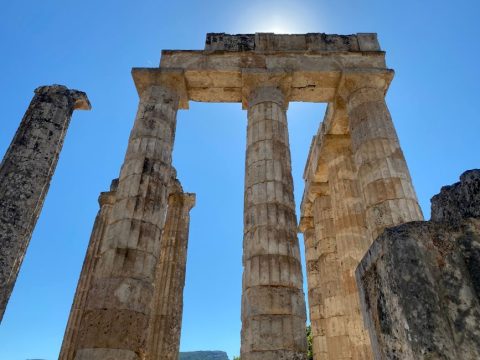
Temple of Apollo Epicurius, Bassae
Hidden in the remote mountains of Arcadia, this UNESCO World Heritage temple is considered one of the best-preserved ancient Greek temples, notable for combining Doric, Ionic, and the earliest known Corinthian column in existence. Currently protected under a large tent while conservation continues, the temple's isolated setting far from any town is part of its striking appeal.
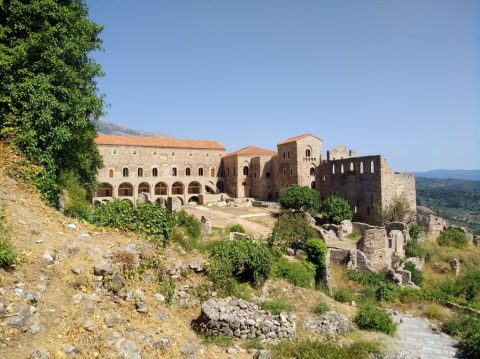
Monastery of Elona
Built directly into a sheer cliff face above the Leonidio valley, this monastery appears to hang in mid-air when viewed from the road below. Founded in the 17th century around a miraculous icon of the Virgin Mary, it remains an active convent and a pilgrimage site, reachable by a dramatic winding road cut into the rock.
Tips for Religious Sites
- Dress modestly for monastery visits, shoulders and knees covered, wraps are sometimes provided at the entrance
- Bassae requires a detour on mountain roads, check opening days before making the trip
Nafplio and Monemvasia hold two of Greece's most beautifully preserved old towns, their streets shaped by centuries of Venetian and Byzantine influence.

Nafplio Old Town
Widely considered one of the most romantic towns in Greece, Nafplio's old quarter is a maze of neoclassical mansions, Venetian architecture, and narrow pedestrian lanes leading down to a harbor promenade. Syntagma Square, the town's elegant central plaza, is lined with cafes and was the site where Greece's first constitution was declared after independence.
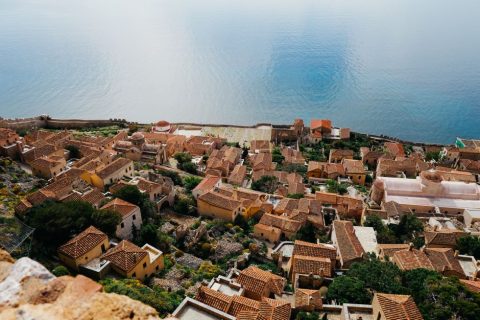
Monemvasia Medieval Town
Connected to the mainland by a narrow causeway, this fortified medieval town sits hidden on a rock outcrop, invisible until you round the final bend, hence its nickname the "Gibraltar of Greece." Cobblestone lanes wind past stone houses, Byzantine churches, and boutique guesthouses up to a clifftop fortress, with sweeping sea views the entire way.
Tips for Squares & Streets
- Monemvasia's old town is car-free, park at the causeway and walk in
- Nafplio is best explored on foot in the early evening when the harbor promenade fills with locals
Beyond its ruins, the Peloponnese holds some of Greece's most striking natural landscapes, from underground rivers to alpine gorges.
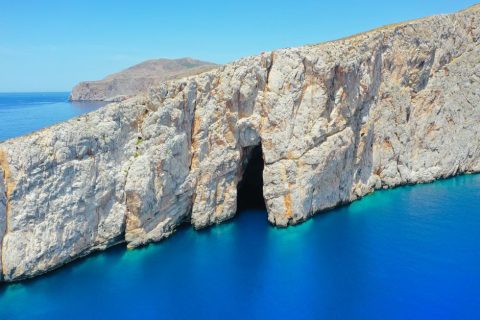
Diros Caves
In the rugged Mani peninsula, visitors glide by small boat through this network of illuminated underground lakes and passages, formed over millions of years and only partially explored to this day. The half-hour boat ride through narrow, low-ceilinged chambers past stalactites and stalagmites is one of the most unusual experiences in the region.
Voidokilia Beach
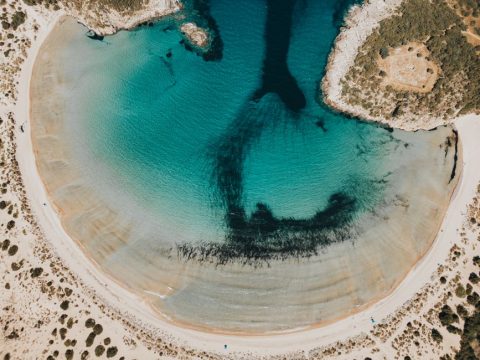
Shaped almost perfectly like the Greek letter omega, this sheltered cove in Messinia backs onto sand dunes, a lagoon popular with birdwatchers, and the ruins of a Frankish/Venetian castle on a nearby hill offering the classic aerial view of the beach's curve. Turquoise water and soft white sand make it one of the most photographed beaches in mainland Greece.
Vouraikos Gorge
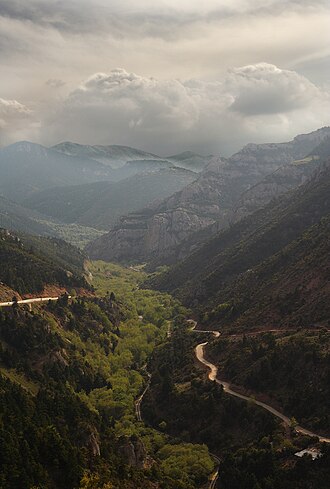
This dramatic limestone gorge in Achaea is best experienced aboard the narrow-gauge Diakopto-Kalavryta rack railway, Regular Diakopto–Kalavryta rack railway services are currently suspended; check Hellenic Train before planning around the train. The gorge is also popular for hiking and rafting for visitors who want to explore it at ground level rather than by train.
Tips for Parks & Gardens
- Book Diros Caves boat tickets in advance in summer, capacity is limited and lines form early
- Bring water shoes for Voidokilia, the lagoon crossing can be muddy
From ancient open-air theater performances to wine tasting in Greece's most respected red wine region, the Peloponnese rewards travelers who go beyond ruin-hopping.
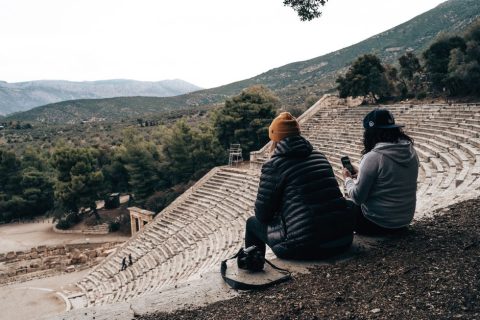
Ancient Theater of Epidaurus Performances
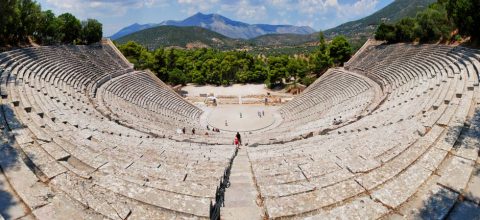
Famous for near-perfect acoustics that let a whisper from center stage reach the back row unamplified, this 4th-century BCE theater still hosts live performances of ancient Greek drama each summer as part of the Epidaurus Festival. Even outside festival dates, visitors can test the acoustics themselves by dropping a coin or speaking from the stone stage.
Mani Peninsula Driving Tour
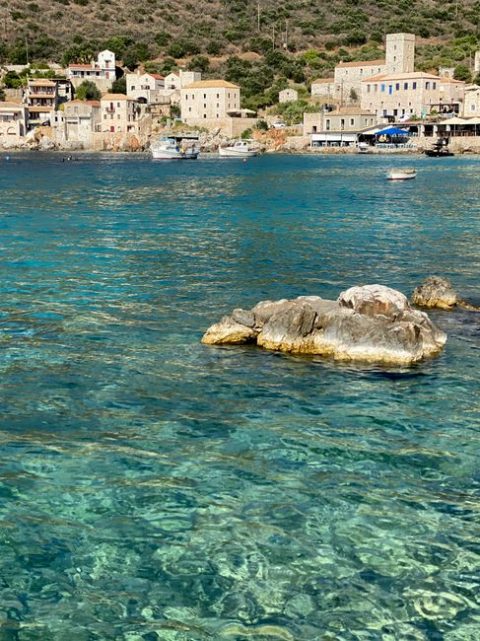
A self-drive or guided loop through the rugged, sparsely populated Mani peninsula passes striking multi-story stone tower houses, Byzantine chapels tucked into olive groves, and dramatic coastal cliffs, ending at the cave village of Vathia or the harbor town of Gerolimenas. It is one of the least-visited, most atmospheric corners of mainland Greece.
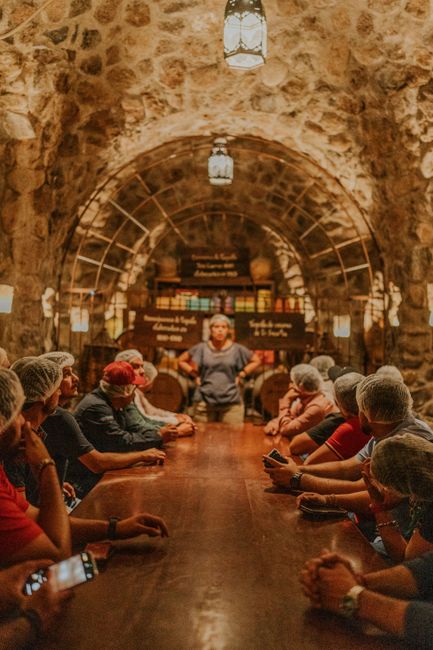
Nemea Wine Tasting Tour
The Nemea valley is Greece's most respected red wine region, built around the bold, dark Agiorgitiko grape. Family-run wineries offer tastings and cellar tours a short drive from Ancient Nemea's own archaeological site and stadium, making it easy to combine history and wine in a single afternoon outing.
Tips for Tours & Activities
- Epidaurus Festival tickets sell out for popular productions, book online well ahead
- A rental car is strongly recommended for the Mani and Nemea, public transport is sparse
The Peloponnese is compact enough that several of its headline sites work well as day loops from a base in Nafplio, Kalamata, or Athens.

Sparta & Mystras Day Loop
Modern Sparta, built on the site of the legendary military city-state, makes a low-key base for visiting nearby Mystras, the far more visually dramatic Byzantine ruins just a few kilometers away. The pairing lets visitors contrast classical Sparta's minimal surviving ruins with Mystras's extraordinarily preserved medieval townscape in the same day.
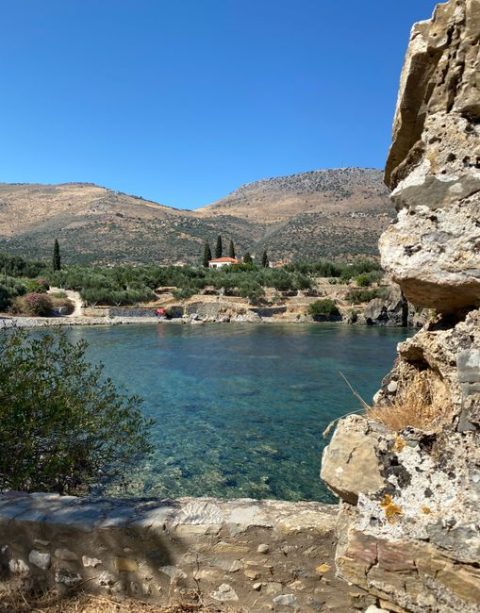
Kalamata & Messinian Villages
Greece's fifth-largest city gives its name to the famous Kalamata olive, and its old town, castle, and seaside promenade make an easy base for exploring nearby Messinian villages, olive groves, and the beaches around the Messinian Gulf. It is also the main transport hub for reaching Methoni, Koroni, and the Mani peninsula.
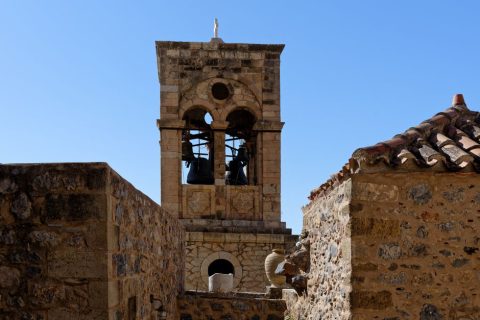
Monemvasia Day Trip
A longer but rewarding drive along the eastern Peloponnese coast to the fortified rock town of Monemvasia, combinable with a stop in the seaside town of Gefyra for lunch before or after exploring the medieval streets and clifftop fortress above.
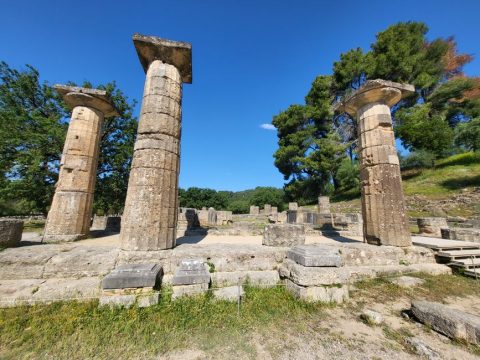
Olympia Day Trip
A dedicated day trip to Ancient Olympia and its museum, typically reached via a scenic drive through the western Peloponnese's hills and vineyards, worthwhile even from a base as far away as Nafplio or Kalamata given the site's significance and size.
Tips for Day Trips & Excursions
- Distances look short on the map but mountain roads are slow, budget more driving time than GPS estimates suggest
- Base yourself in Nafplio for the Argolid sites (Mycenae, Epidaurus, Corinth) and in Kalamata for Messinia and Mani
The Peloponnese has no German-style Christmas market of its own, but its towns lean into the season with elaborate lights, tree-lighting festivities, and mountain snow that make December a rewarding time to visit. Nafplio is the region's undisputed holiday showpiece, while Kalavryta draws families for snow and ski slopes, and Athens is an easy day trip for a full-scale Christmas market experience.
Nafplio Christmas Illuminations
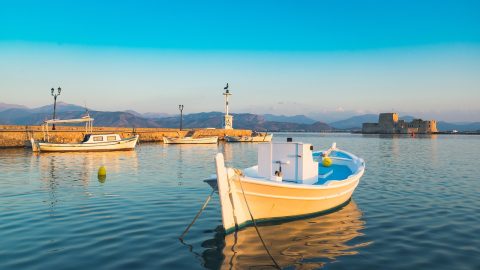
Nafplio is consistently ranked among Greece's most beautifully decorated towns for the holidays, and by December 2026 its old town should again be strung with elaborate lights from late November through early January. The show centers on Syntagma Square and the harbor-front street of Bouboulinas, where a large illuminated tree, festive arches, and decorated balconies turn the neoclassical streets into a walkable winter scene. Cafes around the square stay busy into the evening, and the nearby Palamidi fortress and Bourtzi islet make a striking backdrop when lit at night. There is no ticket or market stalls here, just free, open-air strolling among the decorations, so an evening visit pairs naturally with dinner in the old town. It gets crowded on weekends, so a weekday evening gives a calmer view of the lights.
Kalamata Christmas Village
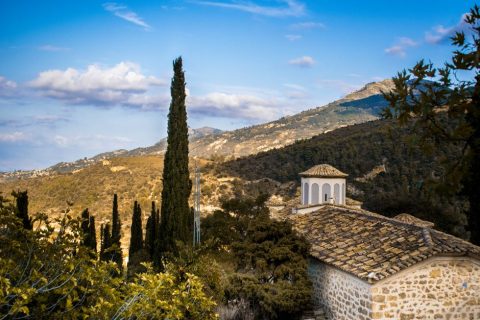
Kalamata typically sets up a seasonal Christmas Village on its central square each December, with a lit tree, children's activities, and small craft and food stalls running through the holiday period. It is modest compared to northern European markets, but it gives the city a genuine festive hub where locals gather in the evenings for cocoa, roasted chestnuts, and the regional Kalamata olives and olive oil sold at nearby shops. The event schedule shifts slightly year to year, so travelers should check with the municipality closer to the date for exact 2026 opening days. Combined with a walk through the old town and castle grounds, it makes an easy half-day addition to a Peloponnese winter itinerary, especially for families with young children who want lights without the crowds of Athens.
Kalavryta Winter and Snow Getaway
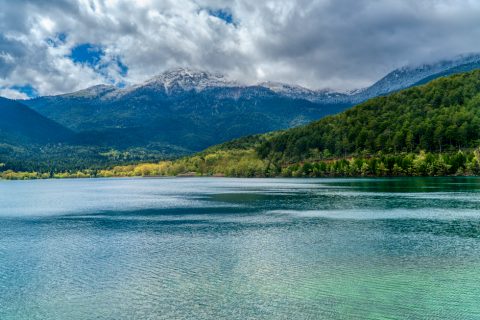
For a Christmas trip with actual snow, the mountain town of Kalavryta is the Peloponnese's most popular December escape, reachable by the scenic Diakofto-Kalavryta rack railway through the Vouraikos Gorge. The town decorates its main square with lights and a tree, stone-built tavernas serve hearty mountain fare and mulled wine, and the nearby Kalavryta Ski Center on Mount Helmos usually opens for the season in December if snowfall allows. It is less about market stalls and more about a cozy alpine atmosphere unusual for Greece, with fireplaces, local cheeses, and short hikes to the Cave of the Lakes nearby. Roads can be affected by snow, so travelers driving up from the coast should check conditions and allow extra time in late December.
Tripoli Christmas Tree at Areos Square
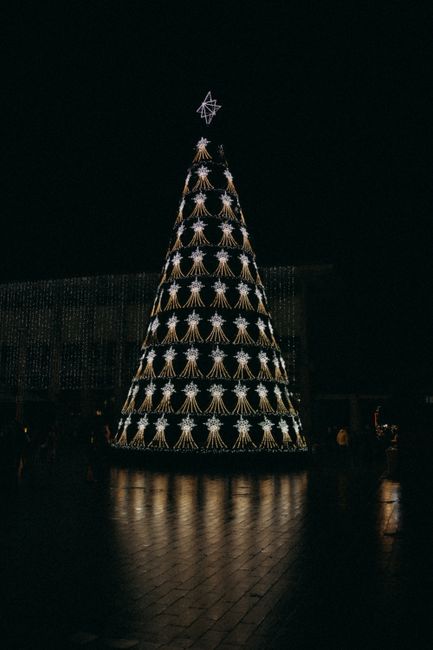
Tripoli, the Peloponnese's inland capital, lights a large Christmas tree and decorates Areos Square each December, drawing families for the switch-on event and evening walks through the following weeks. The square is ringed by cafes that stay lively through the holidays, and the city's central location makes it a convenient stop for travelers touring ancient Tegea, Mystras, or Sparta who want a festive break along the way. It is a low-key, local celebration rather than a tourist market, so expect a genuine small-city Christmas atmosphere with carols and school performances rather than souvenir stalls. There is no cost to enjoy the lights, and an hour or two in the early evening is enough to take it in before continuing on.
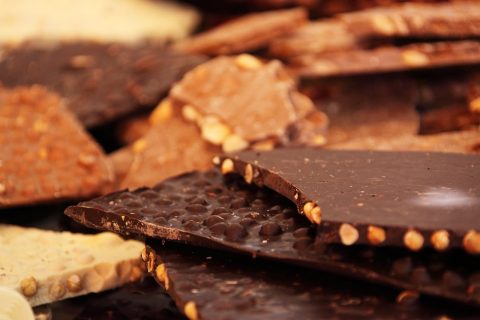
Day Trip to Athens Christmas Market
Travelers based in the Peloponnese who want a full-scale Christmas market experience can drive or take the highway bus to Athens, roughly two to three hours from cities like Corinth, Nafplio, or Tripoli. Syntagma Square hosts the capital's largest lit tree and holiday crowds, while the nearby Technopolis complex in Gazi has run a seasonal Christmas Factory event with an ice rink, carousel, and craft stalls in past years, typically open from early December into early January. Plaka's narrow lanes are also strung with lights and make for good wandering afterward. Because it is a long day trip, an early departure from the Peloponnese and an overnight stay in Athens is more comfortable than trying to do it in one day, especially in winter traffic.
Tips for Christmas Market
- The Peloponnese has no large-scale German-style Christmas market of its own — Nafplio's lights are the closest thing to a must-see festive spectacle in the region.
- Check exact 2026 opening dates for Kalamata's Christmas Village and the Kalavryta Ski Center closer to your trip, as schedules depend on the municipality and snowfall.
- Rent a car if visiting Kalavryta in December, since mountain roads can require extra care after snow.
- Book Nafplio accommodation early for weekends in mid-to-late December, when the lights draw day-trippers from Athens.
- Pack warm layers even for coastal towns, evenings are cold, and Kalavryta can see genuine snow.
Peloponnese nightlife is understated but rewarding, built around seaside towns rather than a single clubbing hub. Expect relaxed cocktail bars in stone-walled courtyards, waterfront tavernas that turn into late-night hangouts, and the occasional beach club with DJs in summer.
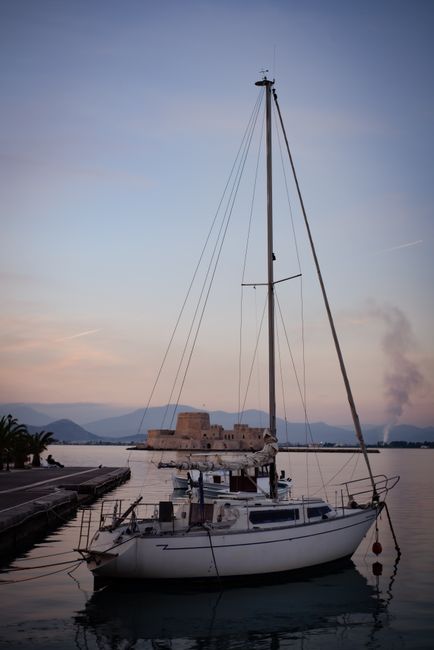
Nafplio Waterfront Bars
Nafplio's harbor promenade and the narrow lanes around Syntagma Square fill up after dark with a cluster of stylish cocktail bars and cafes. Locals and visitors linger over drinks with views of the illuminated Bourtzi fortress across the water. Many venues occupy neoclassical buildings with cushioned outdoor seating, making them as much about atmosphere as the drinks list. The scene here leans relaxed and romantic rather than loud, with a mix of wine bars, craft cocktail spots, and casual cafe-bars that serve coffee by day and cocktails by night. Expect Greek and international music playing at a conversational volume, especially spring through autumn when tables spill onto the cobblestones. It is an easy, walkable way to spend an evening, hopping between two or three spots along the same stretch of streets near the old town.
Kalamata Marina Bars and Lounges
The marina area of Kalamata is the region's liveliest evening scene, lined with lounge bars and cafe-bars facing the boats and the Messinian Gulf. Come sunset, tables fill with people ordering ouzo, tsipouro, or cocktails alongside plates of mezes. The vibe shifts as the night goes on, with several spots playing upbeat music and staying open well past midnight on weekends. It is a favorite for both locals finishing dinner and travelers looking for a low-key but energetic spot to unwind. Summer weekends bring the biggest crowds, when outdoor seating areas along the promenade are packed and occasional live sets or DJ nights add to the atmosphere. Casual dress and no reservations are typically needed, just show up and find a free table.
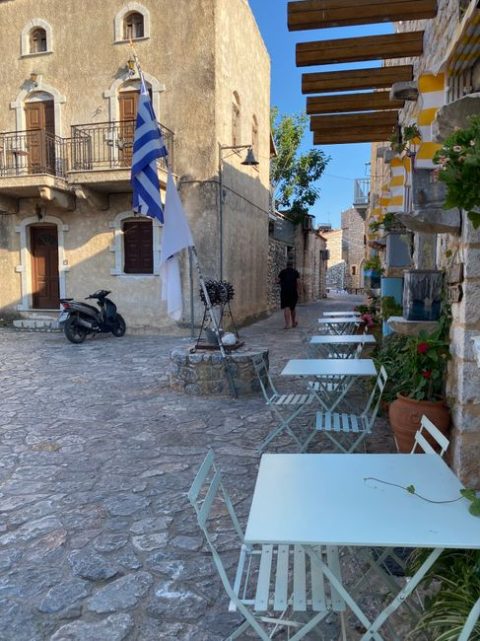
Areopoli Old Town Tavernas by Night
In the Mani Peninsula's stone-built town of Areopoli, evenings center on tavernas and small bars tucked into the old quarter's narrow lanes. Many venues occupy centuries-old tower houses with candlelit courtyards, offering a moodier, more traditional alternative to the beach-town bar scene elsewhere in the Peloponnese. Live rebetiko or traditional Greek music occasionally plays on weekend nights, drawing a mix of locals and travelers exploring the Mani region. The pace is slow and convivial, with wine and tsipouro flowing alongside conversation rather than dancing or DJ sets. It suits visitors who want a quieter, atmospheric night out that still feels distinctly local, especially after a day spent touring the nearby towers and coastline of the peninsula.
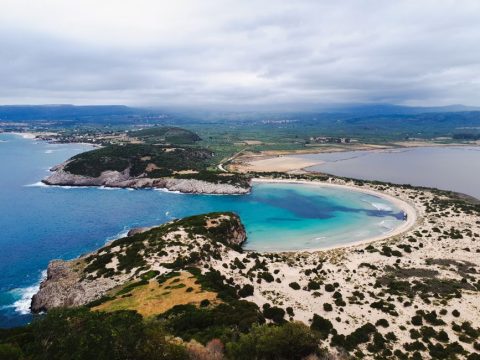
Beach Clubs of Costa Navarino Area
Along the coastline near Pylos and Costa Navarino, a handful of beach clubs and seaside lounges operate through the summer months, offering daybeds, cocktails, and DJ-driven playlists against a backdrop of turquoise water. These venues cater to a more upscale, resort-style crowd and are busiest in July and August, transitioning from sunbathing spots by day into relaxed sunset-drink destinations by evening. Some host occasional live music or guest DJ nights on weekends. It is a good option for travelers wanting a polished, resort-adjacent nightlife experience rather than a traditional old-town bar crawl. Reservations for daybeds are recommended in peak season, though evening drinks-only visits are generally walk-in friendly. Expect higher prices than in town centers, reflecting the resort setting and sea views.
Tips for Nightlife & Entertainment
- Nightlife peaks from June through September; many bars scale back hours or close entirely in winter
- Nafplio and Kalamata offer the most walkable concentration of evening venues
- Dress is casual almost everywhere except upscale beach clubs, where smart-casual is the norm
- Reservations are rarely needed outside beach clubs and peak August weekends
The Peloponnese pairs ancient ruins with beaches, so families rarely run out of ways to burn off energy between history stops. From hands-on museums to shallow coves and pony rides in olive groves, these picks keep younger travelers entertained without a single boring detour.
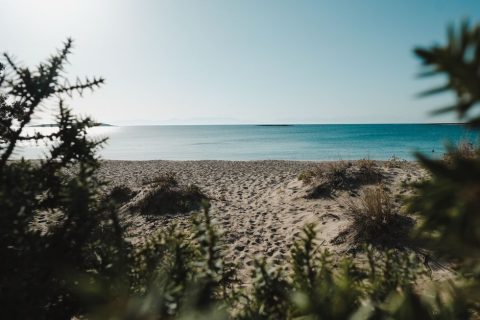
Kalogria Beach and Strofilia Forest
A wide, gently sloping sandy beach backed by a shady pine and umbrella-pine forest, Kalogria is one of the safest and most comfortable swimming spots for young children on the west coast. The shallow, calm water is ideal for splashing around, while the adjacent Strofilia Wetland Park has flat, stroller-friendly nature trails and a small visitor center with simple exhibits on local birds and dune ecology. Snack bars and umbrella rentals line the access road in summer, so there is no need to pack an entire beach kit. Because the forest sits right behind the dunes, families can alternate between a swim and a shaded walk without moving the car, making it an easy full-day stop that does not feel rushed.
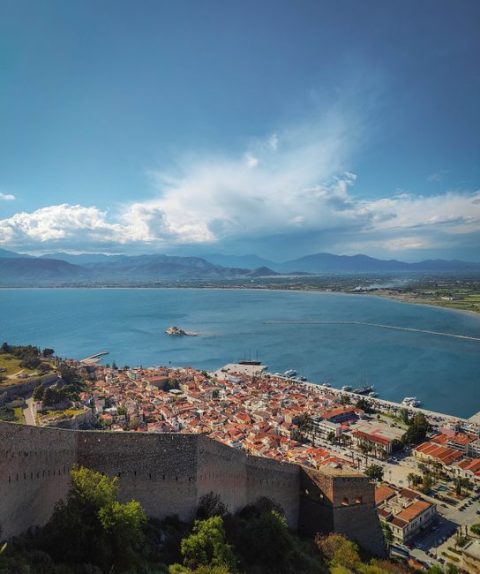
Playground and Waterfront Promenade, Nafplio
Along Nafplio's seafront promenade, a well-equipped playground with swings, slides, and climbing frames sits just steps from the water, giving kids room to run after a day of sightseeing. The flat, traffic-free path connecting it to the town center is perfect for scooters or bikes, and there are several ice cream shops and cafes nearby for parents to relax while children play. Paddle boats and small pedal karts can often be rented along the waterfront in high season, adding another easy activity. Because it sits right between the old town and the beach road, it works well as a late-afternoon stop to let energy out before dinner, with views across the bay toward the Bourtzi fortress as a bonus.
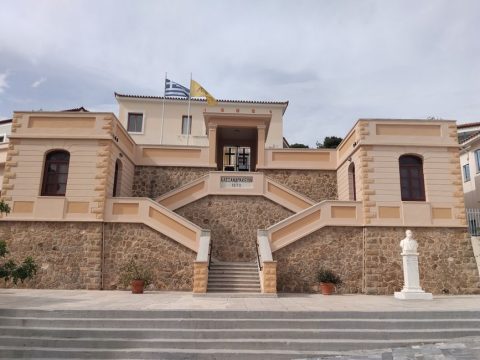
Environmental Museum of Stymphalia
Set beside a wetland lake tied to the myth of Heracles and the Stymphalian Birds, this small museum is built around touch-friendly, low-height displays that explain the local ecosystem, traditional water mills, and farming tools in simple terms kids can follow. Interactive panels let children turn wheels and open drawers to reveal facts, and the surrounding lakeside path offers an easy, flat walk with a real chance of spotting herons or frogs. The museum building itself, made of local stone with a green roof, doubles as a mini lesson in eco-friendly design. It rarely gets crowded, so families can move at a child's pace, and there is a small shaded picnic area outside for a relaxed lunch break after the visit.
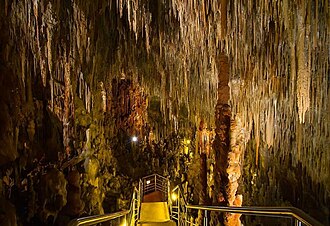
Kastania Cave (Mani)
A less crowded alternative to the region's larger show caves, Kastania Cave offers a guided walkway tour through colorful stalactite chambers that tends to fascinate kids without the long queues found elsewhere. Guides usually keep the pace relaxed and point out formations that look like animals or curtains, turning the visit into a bit of a treasure hunt. The cave stays cool year-round, which makes it a welcome break on a hot Mani afternoon, and the paths are lit and railed for safety. Combined with the pretty stone village of Kastania above ground, it makes for an easy half-day outing that mixes underground adventure with a short village stroll and ice cream stop.
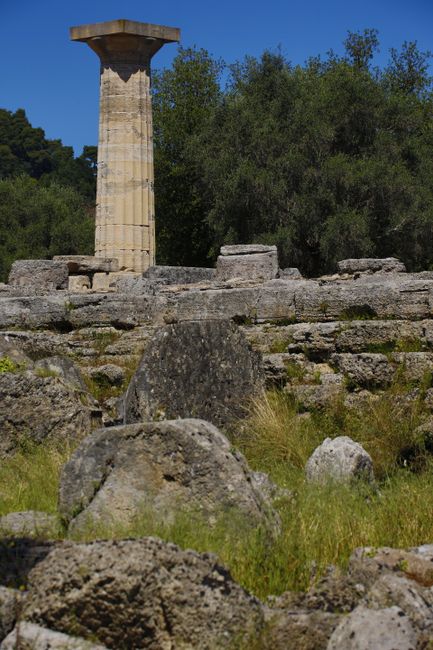
Horseback and Pony Rides, Ancient Olympia Area
Several small family-run stables around the Ancient Olympia countryside offer short, guided pony and horse rides through olive groves and quiet farm tracks, sized for riders as young as four or five with an adult leading on foot. The gentle terrain and calm, well-trained animals make it an approachable first riding experience, and sessions typically run thirty minutes to an hour so attention spans hold up well. It is a nice contrast to the ruins and museums nearby, giving children a hands-on, active memory of the trip. Advance booking by phone or through the accommodation's front desk is recommended in peak summer, since group sizes are kept small.
Tips for With Kids
- Pack water shoes for beaches like Kalogria, since some stretches have shells or pebbles near the shoreline.
- Cave and museum visits work best in the midday heat, saving beaches and playgrounds for morning or late afternoon.
- Book pony rides and cave tours a day ahead in July-August, when family activities fill up fast.
- Bring cash for small stables and rural cafes, as card machines are not always available outside the main towns.
Peloponnese pulses with a year-round rhythm of ancient drama revivals, folk festivals, and harvest celebrations that reflect the region's deep classical and rural heritage. From the marble tiers of Epidaurus to village squares heavy with new-pressed olive oil, 2026's calendar offers a reason to visit in every season.
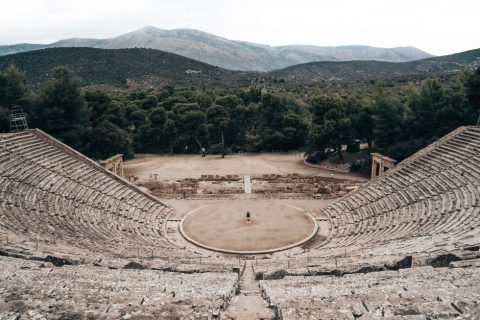
Epidaurus Festival: Ancient Drama Revival
Each summer the 4th-century BC Theatre of Epidaurus, celebrated for its flawless acoustics, hosts revivals of Sophocles, Euripides, and Aristophanes performed by leading Greek and international companies. In 2026 the festival runs from June 12 to August 23, with performances typically staged on Friday and Saturday evenings under the open sky. Arriving early lets visitors watch the sunset over the surrounding hills before the chorus begins. Bring a cushion, as the ancient stone seating rewards comfort over authenticity. Many spectators pair the performance with a daytime visit to the nearby Sanctuary of Asklepios and its archaeological museum. This is widely considered one of Europe's oldest continuously run theatre festivals, drawing scholars and casual travelers alike into a still-living tradition rather than a museum piece.
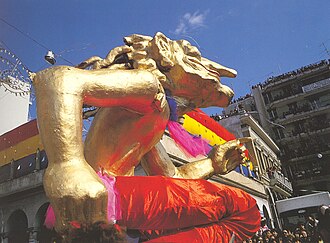
Patras Carnival
The largest and oldest carnival in Greece transforms Patras into weeks of parades, masked balls, and street parties before Lent. The 2026 season runs from mid-January through February 15, building toward a final weekend of a satirical Grand Parade, a nighttime treasure hunt, and the ceremonial burning of the Carnival King on the waterfront. Children's parades and themed float competitions fill the preceding weeks, with local groups spending months designing elaborate costumes. Expect confetti-filled squares, live bouzouki music, and a genuinely festive, slightly chaotic atmosphere that differs sharply from Peloponnese's quieter archaeological sites. Visitors should book accommodation well ahead, since the final weekend draws tens of thousands from across Greece. It is an unmissable look at living Peloponnesian folk culture rather than ancient history.
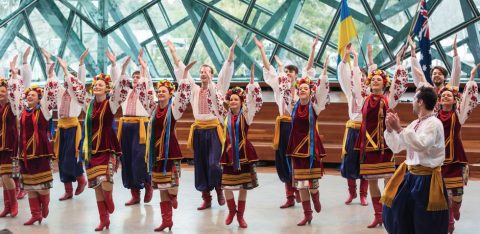
Kalamata International Dance Festival
Every July the port city of Kalamata becomes a stage for contemporary dance, drawing choreographers and companies from across Europe for performances, workshops, and open-air screenings. The 2026 edition is scheduled for July 17 to 26, with the historic Kalamata Castle and the municipal theatre serving as primary venues. Daytime workshops let amateur dancers train alongside visiting professionals, while evening shows range from experimental solo pieces to large ensemble works. The festival has grown since the 1990s into one of the most respected dance events in Southern Europe. Between performances, visitors can wander the old town's neoclassical streets or sample the region's famous Kalamata olives at nearby tavernas. It pairs well with a coastal stay, since the city sits directly on the Messinian Gulf.
Nafplio Olive Harvest and Wine Festival
As autumn olive groves are pressed across the Argolid, Nafplio's old town squares fill with tastings of fresh oil, regional wines, and traditional mezze. The 2026 festival takes place October 9 to 12 around Syntagma Square and the Venetian harbor, with local producers setting up stalls alongside live folk music and dancing. Cooking demonstrations show how new-pressed oil is used in Peloponnesian dishes, and several nearby wineries offer shuttle visits for barrel tastings. The event marks the end of the harvest season and carries a genuine community feel, distinct from more touristic festivals. Evenings often end with impromptu dancing in the square beneath the Palamidi fortress, lit up on the hill above. It is a relaxed, food-focused counterpart to the region's grander cultural festivals.

New Year's Eve at Nafplio Harbor
Nafplio rings in the new year with a waterfront celebration along its Venetian harbor, where the illuminated fortress of Bourtzi sits just offshore. On the night of December 31, 2026 into January 1, 2027, the town's main square hosts live music, a countdown, and fireworks reflected across the water, followed by the traditional cutting of the vasilopita cake at midnight. Restaurants along the harbor promenade offer set New Year menus with views of the fireworks display. Many visitors combine the evening with a short walk up to the Palamidi fortress steps earlier in the day for panoramic views before the celebrations begin. The compact, walkable old town makes it easy to move between the main square, harbor, and surrounding tavernas without needing transport. It is one of the most atmospheric New Year celebrations in the Peloponnese.
Tips for Events Calendar
- Book Epidaurus Festival tickets online in advance, as popular performances sell out weeks ahead.
- During Patras Carnival, reserve hotels in Patras or nearby Rio months early, especially for the final weekend.
- Bring a cushion or light blanket for open-air stone-seat venues like Epidaurus and Kalamata Castle.
- Check exact 2026 dates closer to travel, as several festivals confirm final schedules only a few months out.
Real, highly-rated Restaurants in Peloponnese, sourced from Google Places (rating above 4★).

Καλή Καρδιά Οικογενειακή Ταβέρνα
Καλή Καρδιά Οικογενειακή Ταβέρνα is a highly-rated restaurant in Peloponnese, rated 4.9★ from 860 reviews. Located at Skafidaki 212 00, Greece.
Opening Hours
- Monday: 7:00 AM – 1:00 AM
- Tuesday: 7:00 AM – 1:00 AM
- Wednesday: 7:00 AM – 1:00 AM
- Thursday: 7:00 AM – 1:00 AM
- Friday: 7:00 AM – 1:00 AM
- Saturday: 7:00 AM – 1:00 AM
- Sunday: 7:00 AM – 1:00 AM
Μέλας Ζωμός Τρύπη Λακωνίας
Μέλας Ζωμός Τρύπη Λακωνίας is a highly-rated restaurant in Peloponnese, rated 4.9★ from 1649 reviews. Located at EO Kalamatas Spartis 206, Tripi 231 00, Greece.
Opening Hours
- Monday: 1:00 PM – 12:00 AM
- Tuesday: 1:00 PM – 12:00 AM
- Wednesday: 1:00 PM – 12:00 AM
- Thursday: 1:00 PM – 12:00 AM
- Friday: 12:30 PM – 12:00 AM
- Saturday: 12:30 PM – 12:00 AM
- Sunday: 12:00 PM – 12:00 AM

Taverna Koukounari
Taverna Koukounari is a highly-rated restaurant in Peloponnese, rated 4.9★ from 357 reviews. Located at Τσίντζινα, Σπάρτη 231 00, Greece.
Opening Hours
- Monday: 11:00 AM – 11:00 PM
- Tuesday: 11:00 AM – 12:00 AM
- Wednesday: 12:00 AM – 11:00 PM
- Thursday: 11:00 AM – 11:00 PM
- Friday: 11:00 PM – 12:00 AM
- Saturday: 12:00 AM – 11:00 PM
- Sunday: 11:00 AM – 11:00 PM
Explore Peloponnese on the Map
Best Time to Visit the Peloponnese
Spring (April-June) and autumn (September-October) are ideal, with mild temperatures for exploring archaeological sites on foot and wildflowers or golden light adding to the scenery. Summer (July-August) brings intense heat, especially at exposed sites like Olympia and Mycenae with little shade, though it is peak season for the Epidaurus Festival and beach towns. Winter is quiet and mild along the coast but some mountain roads and rural sites may have reduced hours.
Getting Around the Peloponnese
A rental car is strongly recommended, this is a large, mountainous region where the major sites are spread far apart and public transport is limited outside main towns. KTEL regional buses connect larger towns (Nafplio, Kalamata, Sparta, Tripoli) but rarely reach archaeological sites directly. The Rio-Antirrio Bridge and Corinth Canal crossings connect the peninsula to the rest of Greece by road, and Regular service on this route is suspended until further notice.
✈️ Airport Transfer
Athens International Airport Eleftherios Venizelos (ATH) to city center:
- Rental car: Self-drive via the Attiki Odos and A7/A8 motorways reaches Corinth in about 1 hour or Kalamata in 2.5 hours, with rentals from €35 per day
- KTEL intercity bus: Take a taxi or metro to Athens Kifissos bus terminal then a KTEL coach to Peloponnese towns like Nafplio 2.5 hours or Kalamata 4 hours, tickets from €15 to €30
- Private transfer: Door-to-door minivan direct from the airport to Peloponnese destinations such as Nafplio or Napflio area takes 2 to 3 hours, around 130 to 220 euros depending on distance
- Taxi: Metered taxi direct from the airport to nearby Peloponnese towns such as Corinth costs roughly 90 to 100 euros for about 1 hour, longer trips to Kalamata run 250 euros or more
Shopping in the Peloponnese
The region is famous for its food products: Kalamata olives and olive oil, Nemea wine, Mani-region cured meats (syglino), thyme honey, and dried figs from Kalamata. Nafplio's old town is the best base for browsing local shops selling these products alongside handmade ceramics, worry beads, and traditional textiles.
Festivals & Events
The Athens & Epidaurus Festival (June-August) stages ancient Greek tragedies and comedies in the Epidaurus theater, one of the most atmospheric ways to see classical drama performed anywhere in the world. Every four years, the Olympic flame lighting ceremony draws international attention to Ancient Olympia. Local wine festivals in Nemea and olive harvest celebrations in Kalamata (autumn) showcase the region's agricultural traditions.
Suggested Day-by-Day Itineraries
Day 1 - Argolid Highlights: Ancient Corinth and Acrocorinth in the morning, Mycenae in the afternoon, overnight in Nafplio.
Day 2 - Nafplio & Epidaurus: Explore Nafplio's old town and Palamidi Fortress, then the Ancient Theater of Epidaurus in the afternoon.
Day 3 - Sparta & Mystras: Drive to Sparta, spend the afternoon exploring the Byzantine ruins of Mystras.
Day 4 - Mani & Diros Caves: Head into the Mani peninsula, visit Diros Caves, and continue to Kalamata for the night.
Day 5 - Olympia: Drive west to Ancient Olympia and its museum before heading back toward Athens or the Ionian coast.
Best Photo Spots
Palamidi Fortress in Nafplio offers a sweeping view over the town and Argolic Gulf, especially striking at sunset. The clifftop approach to Monemvasia and the view from its fortress down onto the medieval town below are among the region's most iconic images. Voidokilia Beach's perfect curve is best photographed from the Frankish castle ruins above it, and the Corinth Canal bridge offers a striking straight-down perspective of passing ships.
Electricity
Greece uses 230V, 50Hz with Type C and Type F sockets (two round pins), the same standard used across most of continental Europe. Visitors from the US, UK, and most of Asia will need a plug adapter.
Food & Dining
The Peloponnese is one of Greece's culinary heartlands: try Kalamata olives and cold-pressed olive oil, fresh seafood along the coast, Mani-style cured pork (syglino), diples (fried honey pastries), and a glass of Nemea's deep red Agiorgitiko wine. Village tavernas serving simple grilled meats, horta (wild greens), and homemade cheese are often more memorable than upscale restaurants in the bigger towns.
Where to Stay in Peloponnese
The Peloponnese is a large peninsula, so where you stay depends on which part you plan to explore first — pick a base near your main sights rather than one central hub.
- Near a major town center (such as Nafplio, Kalamata, or Tripoli): best for first-time visitors who want restaurants, cafes, and transport links within walking distance, plus easy day trips to ancient sites.
- Near the old town or historic quarter: ideal for couples and culture-focused travelers, with cobbled streets, boutique guesthouses, and proximity to castles, museums, and waterfront promenades.
- Coastal areas just outside the center: suited to families, offering beach access, more space, and often self-catering apartments or villas at better value than in-town hotels.
- Villages and countryside guesthouses inland: a good pick for budget travelers and those seeking a quiet, authentic stay, with lower prices than coastal resorts and easy access to olive groves, mountain trails, and local tavernas.
Note that the Peloponnese has limited nightlife and business infrastructure compared to major Greek cities, so travelers with those specific needs may prefer basing themselves in Athens and taking day trips instead.
Peloponnese Travel Budget
Daily costs across the Peloponnese vary widely between rustic mountain villages and coastal resort towns like Nafplio or Kalamata. Prices below assume 2026 rates in euros (€) per person, per day.
- Budget (€45-65/day): Guesthouse or hostel dorm €20-30; taverna meals with gyros or plates of the day €12-18; regional KTEL buses €3-7 per hop; Mycenae’s full ticket is €20 and covers the archaeological site, museum, and Treasury of Atreus, Mycenae offers free admission on the first and third Sundays from November 1 through March 31.
- Mid-range (€130-190/day): Three-star hotel or seaside studio €75-110; sit-down dining at tavernas and wine tastings €35-50; a rental car (recommended for reaching sites like Mystras or the Mani peninsula) €35-45/day plus fuel; combo tickets covering Corinth Canal viewpoints, Epidaurus theatre, and museum entries €20-35.
- Luxury (€350-550+/day): Boutique or resort stays in Nafplio, Costa Navarino, or Kalamata €220-400; fine dining and premium wine pairings €70-110; private driver or chauffeured tours €100-150/day; guided archaeological tours with expert historians €60-120 per person.
Shoulder-season travel (April-May, September-October) offers milder weather and lower accommodation rates than the July-August peak.
Is Peloponnese Worth Visiting?
Yes — few regions pack as much layered history and dramatic scenery into one peninsula as the Peloponnese, where ancient myth, Mycenaean power, and Byzantine decay sit side by side against a rugged coastline.
- Ancient Olympia lets you walk the original stadium and sanctuary where the Olympic Games began, a pilgrimage for anyone drawn to classical history.
- Mycenae and Epidaurus reveal Bronze Age citadels, the Lion Gate, and one of antiquity's best-preserved theaters, offering a deeper timeline than the more crowded sites near Athens.
- Mystras, a crumbling Byzantine hill town of churches and monasteries, and the fortified port towns of the Mani and Nafplio add a haunting, less-touristed dimension, all connected by mountain roads and coves ideal for slow exploring.
Tourist Passes
Olympia Combined Ticket
Issued by the Greek Ministry of Culture, this combined ticket covers both the archaeological site of Ancient Olympia and its on-site Archaeological Museum at a lower total price than separate entries.
odysseus.culture.grMycenae Combined Ticket
Covers entry to the Mycenae archaeological site, its museum, and the nearby Treasury of Atreus (Tomb of Agamemnon) as a single discounted ticket.
odysseus.culture.grMore about Peloponnese
Photo credits (23)
- Corinth Canal: photo by Winston Cooke, CC BY-SA 4.0, via Wikimedia Commons
- Palamidi Fortress, Nafplio: photo by George E. Koronaios, CC0, via Wikimedia Commons
- Methoni Castle: photo by Неизвестный французский автор конца XVIII века, Public domain, via Wikimedia Commons
- Archaeological Museum of Olympia: photo by Joyofmuseums, CC BY-SA 4.0, via Wikimedia Commons
- Archaeological Museum of Nafplio: photo by Zde, CC BY-SA 4.0, via Wikimedia Commons
- Mycenae Archaeological Museum: photo by Deyan Vasilev ( Dido3 ), CC BY-SA 3.0, via Wikimedia Commons
- Ancient Olympia: photo by John Karakatsanis from Athens, Greece, CC BY-SA 2.0, via Wikimedia Commons
- Mycenae: photo by Andy Hay from UK, CC BY 2.0, via Wikimedia Commons
- Ancient Corinth & Acrocorinth: photo by Zde, CC BY-SA 4.0, via Wikimedia Commons
- Mystras: photo by Apaleutos25, CC BY-SA 4.0, via Wikimedia Commons
- Temple of Apollo Epicurius, Bassae: photo by Guillaume Abel Blouet, Public domain, via Wikimedia Commons
- Monastery of Elona: photo by AlMare, CC BY-SA 3.0, via Wikimedia Commons
- Nafplio Old Town: photo by George E. Koronaios, CC0, via Wikimedia Commons
- Diros Caves: photo by Koppi2 at German Wikipedia, CC BY-SA 3.0, via Wikimedia Commons
- Voidokilia Beach: photo by Grzontan, CC BY-SA 3.0, via Wikimedia Commons
- Vouraikos Gorge: photo by ulrichstill, CC BY-SA 2.0 de, via Wikimedia Commons
- Kastania Cave (Mani): photo by Batikiotis, CC BY-SA 4.0, via Wikimedia Commons
- Patras Carnival: photo by Gontzi at en.wikipedia, CC BY-SA 3.0, via Wikimedia Commons
- Karytaina: photo by Nochoje, CC BY 3.0, via Wikimedia Commons
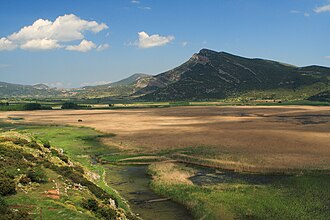
- Lake Stymphalia: photo by ulrichstill, CC BY-SA 2.0 de, via Wikimedia Commons
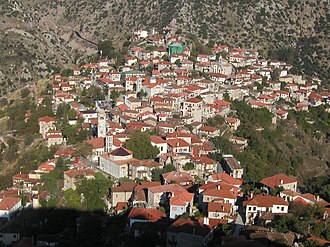
- Dimitsana: photo by Unknown, CC BY-SA 3.0, via Wikimedia Commons
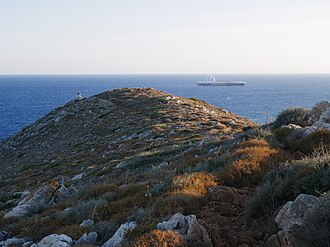
- Cape Tainaron (Cape Matapan): photo by Deyan Vasilev ( Dido3 ), CC BY-SA 3.0, via Wikimedia Commons
- Alexandra: photo by Franz Xaver Winterhalter, Public domain, via Wikimedia Commons


.jpg)


