Plan your trip to Valencia
- How long
- 2-3 days: one for the old town, one for the City of Arts and Sciences and the Turia Gardens, plus beach or Albufera time.
- Best for
- Culture lovers and families: medieval sights, a big science museum and Europe's largest aquarium sit within the city.
- Skip it if
- You hate heat and crowds in summer, or arrive during Las Fallas (March) without booking: prices rise and streets close.
If you only do three things
- The Central Market (Monday to Saturday 7:30-15:00), La Lonja and the Cathedral with the Miguelete tower.
- The Church of San Nicolás (Baroque frescoes; no tourist visits on Mondays).
- The City of Arts and Sciences, L'Oceanogràfic (27,000+ animals) and a walk or cycle along the Turia Gardens.
A one-day route
- Morning: The Central Market, then La Lonja.
- Midday: The Cathedral and Plaza de la Virgen, then lunch.
- Afternoon: San Nicolás and the Torres de Serranos.
- Evening: The Turia Gardens toward the City of Arts and Sciences.
Before you go
- From Valencia Airport, metro line 3 or 5 reaches the centre in about 20 minutes (single fare €4.80 plus €1 for a new ticket card); airport bus 150 also costs €4.80 and takes about 40 minutes.
- Bioparc tickets cost about €1 less online: general admission from €29.50, reduced from €23.50.
- Central Market is closed on Sundays.
- The Valencia Mostra film festival runs 3 to 15 November 2026.
Prices, opening status and transport in this plan checked against official sources on 30 September 2026.
Things to do in Valencia
Valencia showcases an extraordinary architectural timeline, from medieval Gothic masterpieces to futuristic contemporary designs. The city's landmarks tell the story of its evolution from a prosperous silk trading hub to a modern cultural capital.
City of Arts and Sciences (Ciudad de las Artes y las Ciencias)
This iconic futuristic complex designed by Santiago Calatrava is one of Europe's most impressive architectural achievements. The sprawling campus features multiple structures including L'Hemisfèric (IMAX cinema and planetarium), L'Umbracle (landscaped garden walk), the Science Museum, L'Oceanogràfic (Europe's largest aquarium), and the Palau de les Arts Reina Sofía (opera house). The white concrete structures resembling organic forms create stunning photo opportunities, especially when reflected in the surrounding pools. Best visited in late afternoon for optimal lighting.
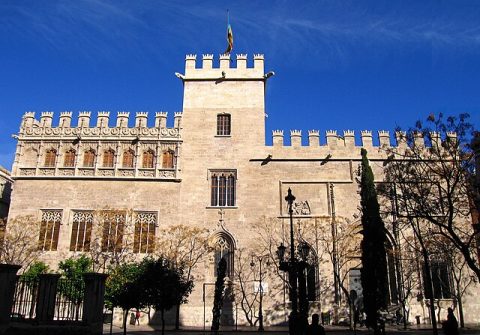
La Lonja de la Seda (Silk Exchange)
A UNESCO World Heritage Site and masterpiece of late Gothic civil architecture, La Lonja was built between 1482-1533 as a silk trading center. The Columnario Hall features spectacular twisted columns resembling palm trees reaching 17 meters high. The building represents Valencia's golden age of commerce. Don't miss the Consolat del Mar with its magnificent coffered ceiling and the Orange Tree Courtyard. The intricate stone carvings and gargoyles throughout showcase exceptional craftsmanship.
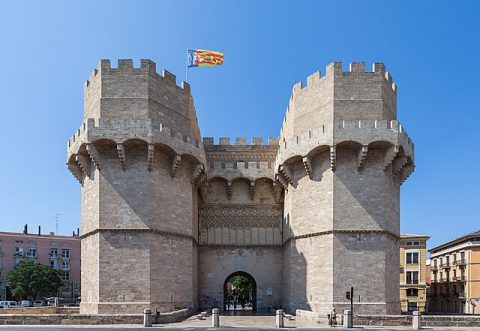
Torres de Serranos
This magnificent 14th-century Gothic gateway once served as the main entrance to Valencia through the medieval city walls. The twin towers feature impressive stone masonry and crenellated battlements. Climb to the top for panoramic views over the old town and Turia Gardens. The towers also served as a prison for nobility during the 16th and 17th centuries. The structure survived as one of only two remaining gates from the original twelve that surrounded Valencia. Free entry on Sundays and holidays.
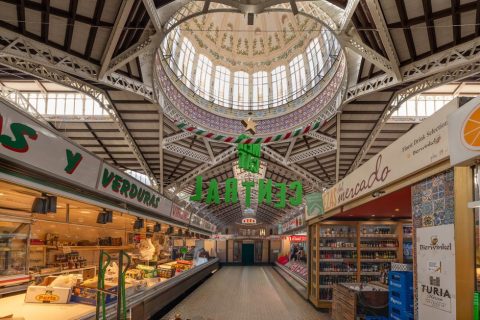
Central Market (Mercado Central)
One of Europe's largest and most beautiful Art Nouveau markets, this 1928 building features stunning stained glass, colorful ceramic tiles, and a spectacular dome. Over 300 stalls offer fresh produce, seafood, meats, and local delicacies. The market is a feast for the senses with vibrant colors, aromatic spices, and lively vendors. The modernist architecture combines wrought iron, glass, and ceramic in typical Valencian style. Perfect for sampling local products or buying ingredients for a picnic.
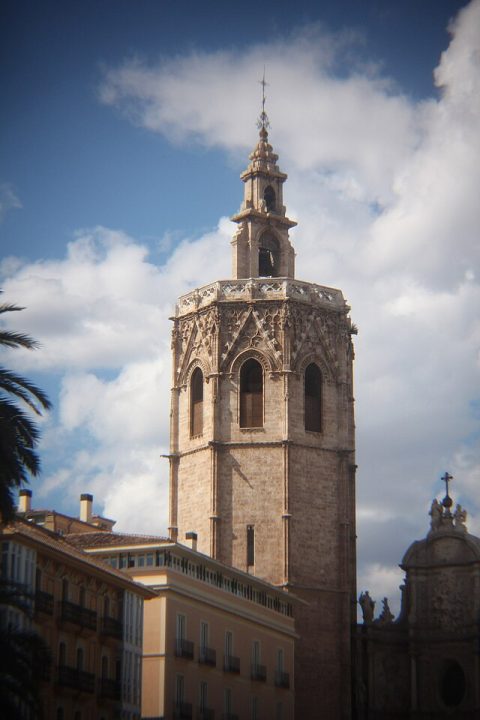
Miguelete Tower (El Micalet)
The iconic Gothic bell tower of Valencia Cathedral stands 51 meters tall and is named after Saint Michael. Built between 1381-1425, the octagonal tower features 207 steps leading to a rooftop terrace with 360-degree views of Valencia. The climb is worth the effort for unparalleled city panoramas. The tower houses eleven bells, with the largest weighing over 3,000 kg. An architectural symbol of Valencia visible throughout the historic center.
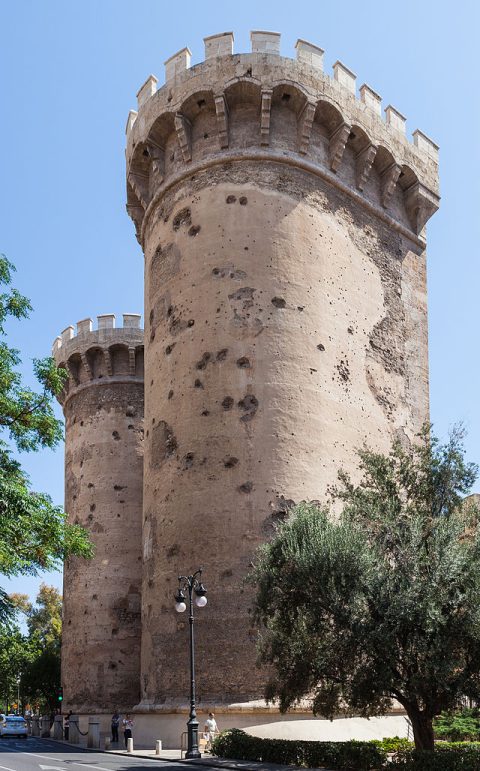
Torres de Quart
The second surviving gate from Valencia's medieval fortifications, the Quart Towers date from 1441 and showcase impressive military Gothic architecture. The western facade still bears visible cannonball impacts from Napoleonic War bombardments. These cylindrical towers are less crowded than Serranos but equally impressive. It became a women's prison in 1623 and a military prison in 1813. Climb the towers for alternative city views and explore the interior chambers that housed guards.
Tips for Landmarks & Monuments
- Purchase combination tickets for City of Arts and Sciences attractions to save money
- Visit Serranos and Quart towers late afternoon for golden hour photography
- Arrive at Central Market early (around 8-9 AM) to see it at its liveliest
- Book City of Arts and Sciences tickets online to skip queues, especially in peak season
- Many monuments offer free entry on Sundays – plan accordingly
Valencia's museum scene ranges from world-class fine arts collections to innovative science exhibitions. The city celebrates both its historical artistic heritage and commitment to contemporary culture and technology.
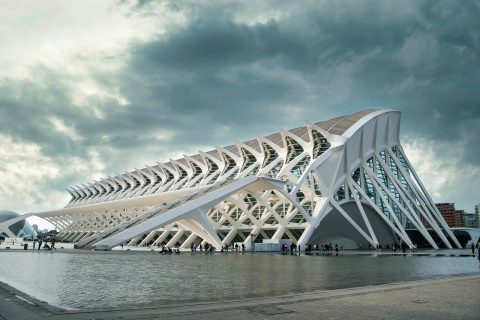
L'Oceanogràfic
Europe's largest aquarium, home to more than 27,000 animals of 750 species. The complex features distinct marine ecosystems including Mediterranean, Arctic, Antarctic, tropical seas, and wetlands. Highlights include the underwater tunnel through the shark tank, beluga whales, walruses, and the dolphin show. The architecture by Félix Candela features spectacular concrete shell structures. The Red Sea exhibition and penguin habitat are particularly impressive. Allow ample time to explore all pavilions. Perfect for families and marine life enthusiasts.
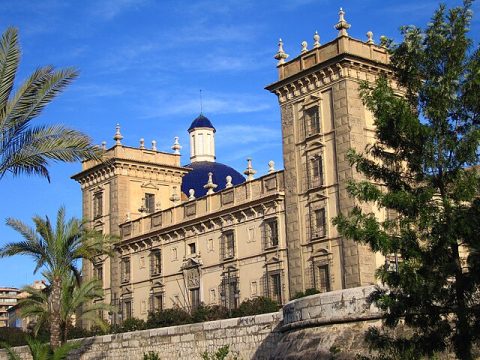
Museum of Fine Arts of Valencia (Museo de Bellas Artes)
Spain's second most important fine arts museum after the Prado, housed in a 17th-century baroque seminary. The collection features exceptional works by Velázquez, Goya, El Greco, and Sorolla, plus medieval altarpieces and Valencian Gothic masters. The gallery dedicated to Joaquín Sorolla showcases Mediterranean light and landscapes beautifully. Also features notable archaeological artifacts and sculptures. The museum underwent extensive renovation and offers a comprehensive journey through Spanish art history. Entry is free, making it an excellent value attraction.
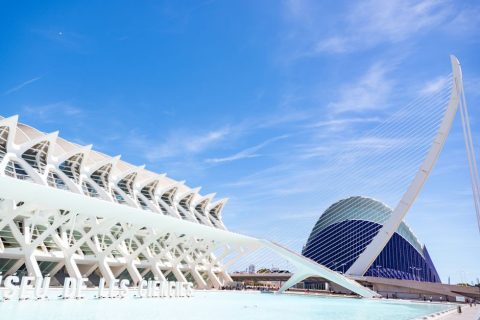
Prince Felipe Science Museum
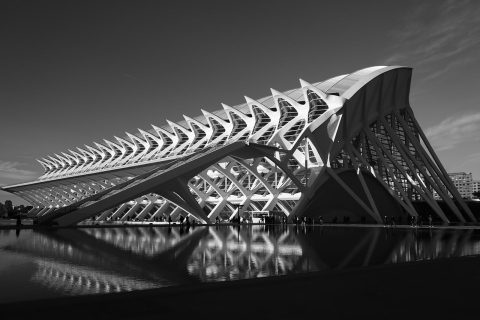
An interactive science museum within the City of Arts and Sciences complex, with three floors of hands-on exhibits. Explore topics including genetics, astronomy, climate change, and human biology through engaging displays. The building itself, designed by Santiago Calatrava, resembles a whale skeleton. Particularly popular with families and children. Special exhibitions change regularly, covering cutting-edge scientific developments. The rooftop offers spectacular views of the entire arts complex. Educational and entertaining for all ages.
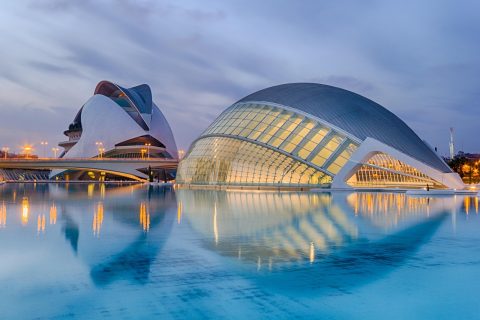
IVAM (Institut Valencià d'Art Modern)
Valencia's premier contemporary art museum features 20th and 21st-century works with focus on avant-garde movements. The permanent collection includes significant holdings of Julio González sculptures and works by Miró, Picasso, and other modernist masters. Rotating exhibitions showcase international contemporary artists. The museum also explores the relationship between art, design, and photography. Located near the historic center, the building combines modern exhibition spaces with portions of Valencia's medieval walls, visible in the basement.
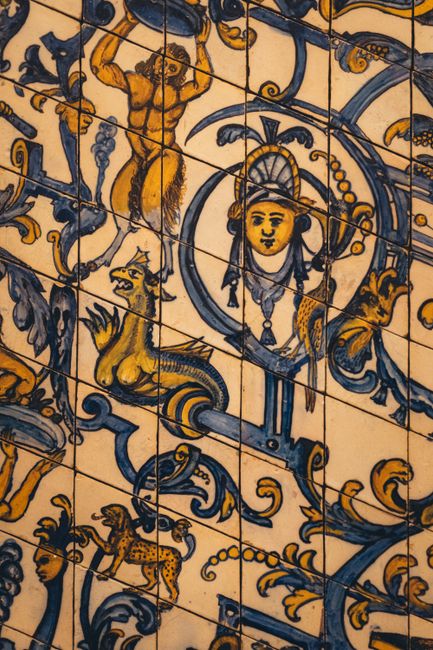
National Museum of Ceramics (González Martí)
Housed in the spectacular Rococo Palacio del Marqués de Dos Aguas, this museum showcases Spain's finest ceramic and porcelain collection. The palace entrance features an extraordinary alabaster portal. Collections span from medieval Valencian tiles to contemporary ceramic art, including works by Picasso. Valencia has a rich ceramic tradition, particularly from nearby Manises. The museum displays historical Valencian tiles, Asian porcelain, and decorative arts. The palace itself, with its ornate interior decoration, is as impressive as the collections.
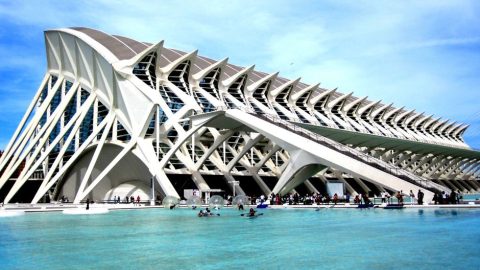
Fallero Museum
Dedicated to Valencia's famous Las Fallas festival, this museum preserves ninots (festival figures) saved from the flames since 1934. Each year, two figures are chosen by public vote to be saved: one from the main fallas and one from the children's fallas. The collection showcases the evolution of Fallas art, from traditional to contemporary satirical sculptures. Understand Valencia's most important cultural tradition through these preserved artworks. The museum offers context about the festival's history, traditions, and social significance. Essential for understanding Valencian identity and culture.
Tips for Museums & Galleries
- Museum of Fine Arts is free – don't miss this excellent collection
- Purchase combination tickets for Science Museum and Oceanogràfic to save 15-20%
- Visit IVAM on Sundays for free entry
- Oceanogràfic requires 3-4 hours minimum – don't underestimate the size
- Book aquarium tickets online to avoid long queues, especially during school holidays
Valencia's religious architecture spans centuries, from Gothic cathedrals to baroque basilicas. These sacred spaces reflect the city's spiritual heritage and house important artistic treasures.
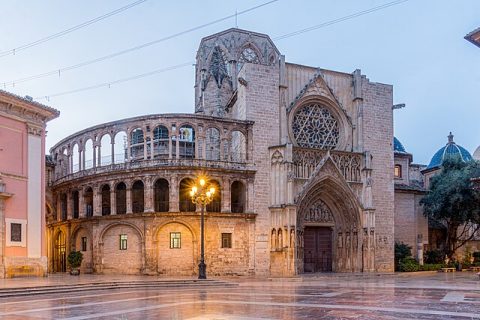
Valencia Cathedral (Catedral de Santa María)
Built over a mosque site between the 13th-18th centuries, the cathedral showcases a mix of Romanesque, Gothic, and baroque styles. The chapel of the Holy Grail claims to house the authentic chalice used at the Last Supper, authenticated by some historians. The cathedral museum displays works by Goya and local masters. Three doors represent different architectural periods: Romanesque Palau door, Gothic Apostles door, and baroque main entrance. Climb the Miguelete tower for panoramic views. The Baroque frescoes in the main chapel are exceptional.
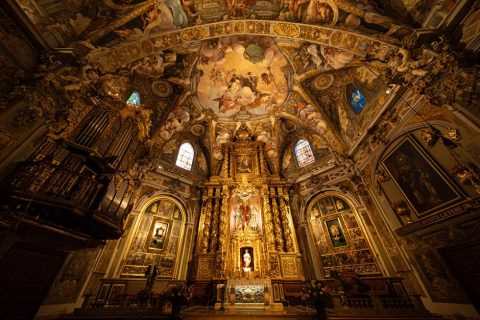
Church of San Nicolás and San Pedro Mártir
Often called the 'Sistine Chapel of Valencia', this 15th-century Gothic church underwent extensive restoration revealing spectacular Baroque frescoes (designed by Antonio Palomino) covering every surface. The barrel vault paintings depict the lives of the patron saints in vivid color. The restoration, completed in 2016, removed centuries of grime to reveal masterpieces. The baroque gilded altarpiece contrasts beautifully with the Gothic architecture. One of Valencia's most impressive religious interiors and a must-see for art lovers. The transformation is remarkable and the detail extraordinary.
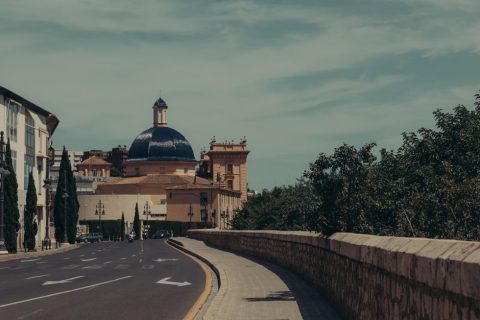
Basilica of the Virgin of the Forsaken (Basílica de la Virgen de los Desamparados)
This 17th-century baroque basilica is dedicated to Valencia's patron saint. The oval-shaped church features magnificent frescoes by Antonio Palomino and a revered statue of the Virgin Mary adorned with jewels and elaborate garments. The basilica connects directly to the cathedral via a Renaissance arch. The dome interior showcases stunning baroque painting. Locals have deep devotion to the Virgin, and the basilica remains an important pilgrimage site. The ornate altar and religious art collection merit exploration.
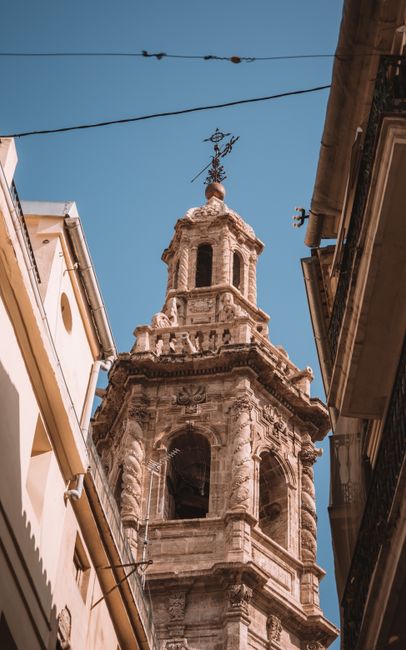
Church of Santa Catalina
A Gothic church with a distinctive baroque bell tower that leans slightly and has become a city landmark. Built on the site of a mosque, the church combines Gothic and baroque elements. The hexagonal bell tower with colorful glazed tiles is particularly photogenic. Inside, admire the baroque altarpieces and Gothic architecture. The church represents typical Valencian religious architecture. Located in the heart of the historic center near Plaza de la Reina, making it easy to visit while exploring the old town.
Santo Domingo Church and Convent
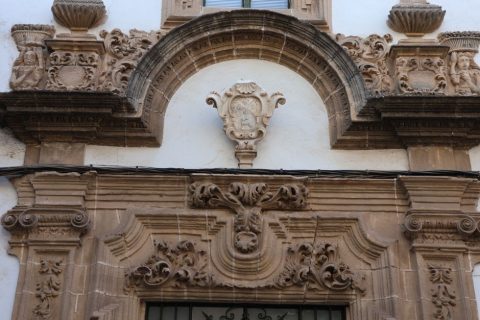
A former Dominican convent featuring an impressive baroque facade and Gothic cloister. The church showcases Valencian baroque at its finest with elaborate decoration. The Chapel of the Kings contains royal tombs and exceptional tilework. The convent complex includes peaceful cloisters worth exploring. Recently restored, it now serves as a military headquarters but portions remain accessible. The exterior alone justifies a visit, particularly the ornate main entrance. Represents the power and influence of religious orders in historical Valencia.
Tips for Religious Sites
- Many churches have free entry but modest dress required – cover shoulders and knees
- Visit San Nicolás in the morning when natural light illuminates the frescoes best
- Purchase a combination ticket for Cathedral and Miguelete tower
- Most churches close during afternoon siesta (approximately 1:30-4:30 PM)
- Photography usually permitted but check signs and avoid using flash
Valencia's plazas and boulevards serve as the city's living rooms, where locals gather for coffee, conversation, and celebration. These spaces showcase diverse architectural styles and vibrant urban life.
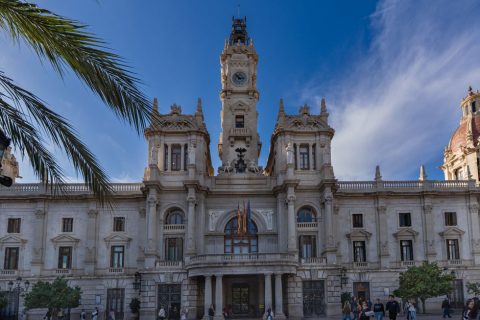
Plaza del Ayuntamiento
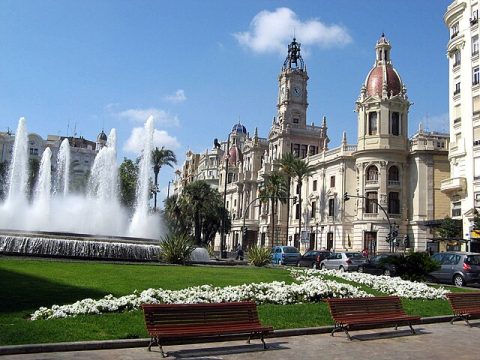
Valencia's main square and the heart of city celebrations, surrounded by magnificent early 20th-century buildings. The triangular plaza features beautiful flower beds, fountains, and the impressive City Hall and Main Post Office buildings showcasing eclectic architecture. This is ground zero for Las Fallas festival, where the mascletà (daily firecracker show) takes place at 2 PM. The square transforms for holidays and events. Surrounded by cafes and shops, it's a perfect place for people-watching. The Town Hall offers free guided tours with rooftop access.
Plaza de la Virgen
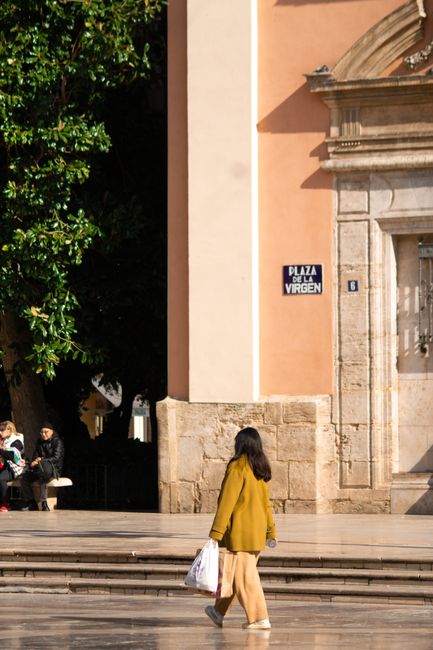
One of Valencia's most beautiful and historic squares, surrounded by the Cathedral, Basilica, and Palau de la Generalitat. The central Turia Fountain represents the river and irrigation channels that made Valencia prosperous. This plaza is the spiritual and historical heart of the city. On Thursdays at noon, the ancient Water Tribunal (Tribunal de las Aguas) meets at the cathedral door – a UNESCO-recognized oral tradition dating back over 1,000 years. Street performers and outdoor cafes create a lively atmosphere.
Plaza Redonda
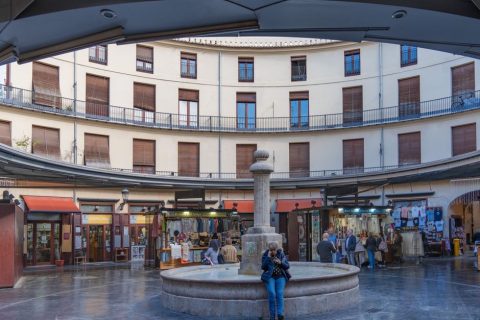
A charming circular plaza hidden in the old town, built in 1840. Access through four narrow passages reveals a perfectly round space lined with shops selling traditional crafts, ceramics, and lace. The plaza feels like stepping back in time. A local market operates on Sundays. Small bars around the periphery offer traditional Valencian snacks. The unique circular design makes it architecturally interesting. It's a peaceful spot away from tourist crowds, perfect for authentic local shopping and atmosphere.
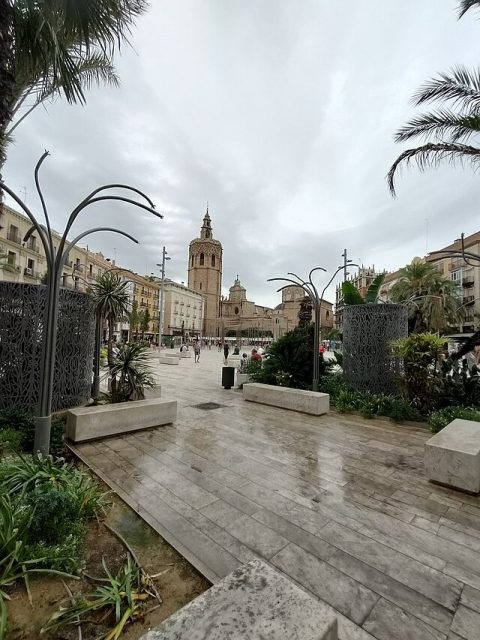
Plaza de la Reina
A large pedestrian square adjacent to the Cathedral, named after Queen María de las Mercedes. The plaza offers excellent views of the Miguelete tower and cathedral facade. Lined with restaurants, ice cream shops, and cafes with outdoor terraces, it's a popular gathering spot. The flower market adds color and fragrance. Street performers and artists create a vibrant atmosphere. This is the perfect place to enjoy horchata (tiger nut drink) at a traditional horchatería. The square serves as a natural meeting point and transition between old town sights.
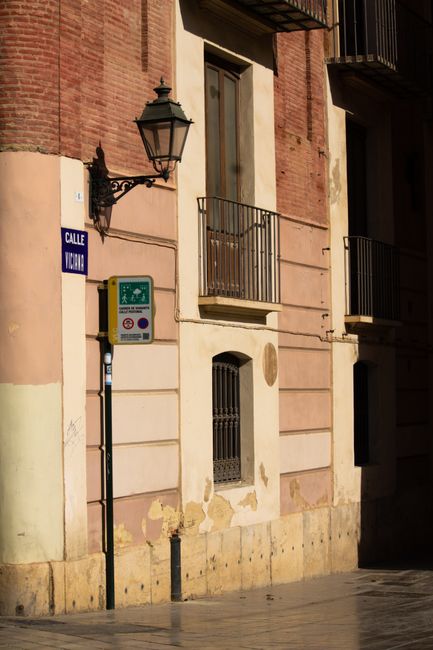
Calle Caballeros
The main artery through the El Carmen neighborhood, this historic street dates to medieval times when nobility resided here. Today it's lined with trendy bars, restaurants, boutiques, and galleries. The street maintains its historic character with Gothic palace facades while embracing contemporary culture. Particularly lively at night with the city's best cocktail bars and tapas spots. The name 'Knights Street' reflects its aristocratic past. Connects Plaza de la Virgen to Torres de Serranos, making it a natural walking route through the old town.
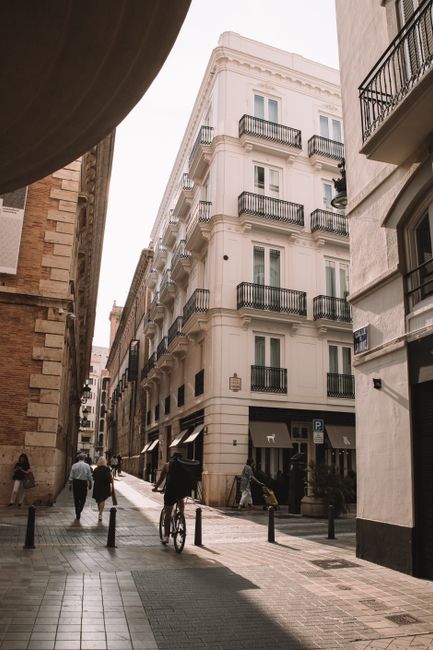
Calle de las Cestas
A picturesque narrow medieval street in the Carmen neighborhood, known for its photogenic perspective and colorful balconies. The name means 'Basket Street' referring to historical craft activities. The street exemplifies the old town's winding layout and traditional architecture. Flower-adorned balconies and hanging plants create an Instagram-worthy scene. Small boutiques and artisan shops line the route. It represents the authentic character of Valencia's historic center. Perfect for leisurely strolls and photography, especially in morning light.
Tips for Squares & Streets
- Visit Plaza del Ayuntamiento at 2 PM during Las Fallas (March 15-19) for the spectacular mascletà
- Watch the Water Tribunal at Plaza de la Virgen on Thursdays at noon – a unique thousand-year tradition
- Early morning is best for photography in the squares before crowds arrive
- Many squares have terraces – budget time to sit and people-watch over coffee
- Plaza Redonda's Sunday market offers authentic local crafts and souvenirs
Each Valencia neighborhood offers distinct character and experiences, from medieval lanes to bohemian quarters to beachfront promenades. Exploring these districts reveals the city's diverse personality.
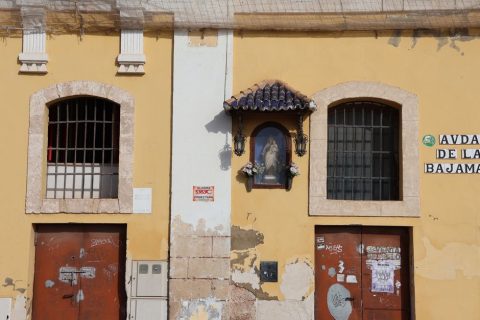
El Carmen (Barrio del Carmen)
Valencia's hippest historic neighborhood, where medieval streets meet contemporary culture. This former Muslim quarter features narrow alleys, Gothic palaces, street art murals, and the city's best nightlife. Ancient walls blend with avant-garde galleries, vintage shops, and craft beer bars. The area transitions from tourist-focused near the center to authentically local deeper in. Home to the Torres de Serranos, IVAM museum, and countless hidden plazas. The street art scene is particularly notable, with works by international artists. Daytime offers boutique shopping and historic sights; nighttime brings vibrant bar-hopping.
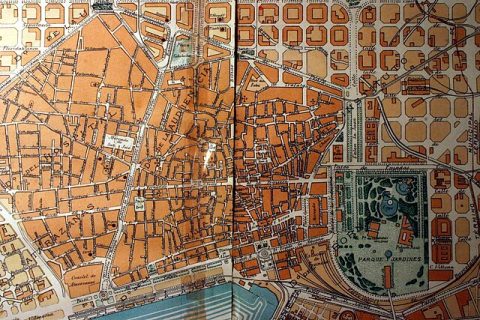
Ciutat Vella (Old Town)
The historic heart of Valencia containing most major monuments within the footprint of medieval walls. This area includes sub-districts like El Carmen, La Xerea, and El Mercat. Narrow winding streets open onto grand plazas. Here you'll find the Cathedral, La Lonja, Central Market, and countless historic buildings. Traditional shops selling horchata, fartons, and ceramics operate alongside modern boutiques. The pedestrianized streets make exploration pleasant. Every corner reveals architectural treasures from Roman to Art Nouveau periods. Essential for understanding Valencia's layered history.
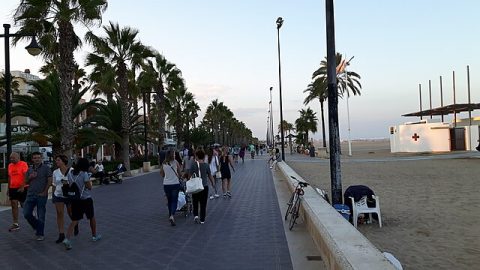
Ruzafa (Russafa)
Valencia's trendiest multicultural neighborhood, often compared to Brooklyn or Shoreditch. This former working-class district has transformed into a creative hub with independent boutiques, international restaurants, and modernist architecture. The Ruzafa Market is a beautiful modernist building. Excellent for dining with cuisine from around the world, specialty coffee shops, and craft beer bars. The area hosts regular cultural events and has a thriving LGBTQ+ scene. Street art and vintage stores add character. More affordable and authentic than the touristy center. Perfect for evening dining and nightlife exploration.
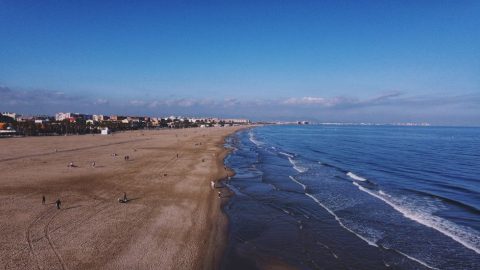
Malvarrosa Beach Area
Valencia's main beachfront neighborhood featuring a long promenade (Paseo Marítimo) lined with paella restaurants, beach bars, and palm trees. The wide sandy beach stretches for miles. This area perfectly captures Valencia's Mediterranean lifestyle. The promenade is ideal for walking, cycling, or jogging with sea views. Beachfront chiringuitos serve fresh seafood and cold drinks. The neighborhood includes both historic fishermen's cottages and modern apartments. Less touristy than the center but easily accessible by tram. Sunday lunch on the beach is a quintessential Valencian experience. The area comes alive in summer with beach clubs and events.
Cabanyal-Canyamelar
A historic fishermen's neighborhood near the beach, famous for colorful tiled facades and authentic maritime character. The area features low-rise houses decorated with traditional Valencian ceramics in stunning patterns. This working-class neighborhood retains genuine local atmosphere. The district has gentrified gradually while preserving identity. Excellent seafood restaurants frequented by locals, particularly along Calle de la Reina. The central market (Mercado de Cabanyal) offers fresh fish and local products. Street art and community gardens add contemporary character. A fascinating contrast to touristy areas and perfect for authentic cultural immersion.
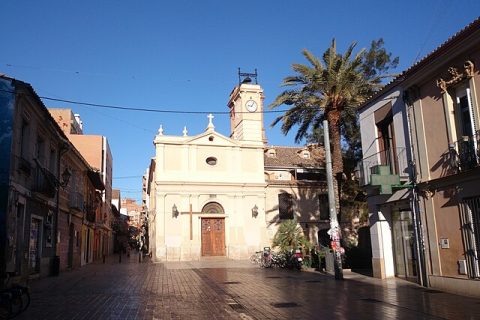
Benimaclet
An authentic local neighborhood that was a separate village until Valencia absorbed it. The area maintains village character with a central plaza, traditional market, and strong community identity. Popular with students and young professionals for affordable housing. The neighborhood offers excellent tapas bars, local restaurants, and a relaxed atmosphere away from tourist crowds. The weekly market and traditional festivals preserve local customs. Modernist architecture dots the streets. It's where Valencians actually live, shop, and socialize. Great for experiencing everyday city life and authentic dining at reasonable prices.
Tips for Neighborhoods & Districts
- El Carmen is best explored on foot – wear comfortable shoes for cobblestone streets
- Visit Ruzafa in the evening for the best dining and nightlife experience
- Take tram lines 4, 6, or 8 directly to Malvarrosa Beach from the city center
- Cabanyal is perfect for Sunday lunch – book beachfront paella restaurants in advance
- Download a street art map for El Carmen's best murals and graffiti
Valencia's green spaces include the remarkable Turia Gardens, a 9km park in a former riverbed, plus botanical gardens and urban oases offering respite from city exploration.
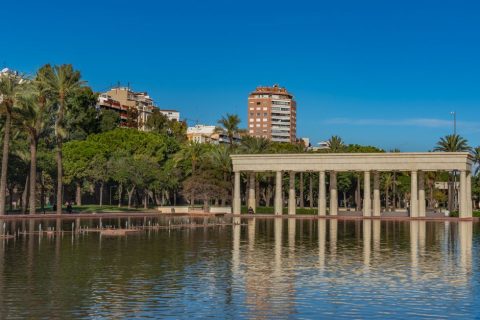
Turia Gardens (Jardín del Turia)
One of Europe's most impressive urban parks, created in a former riverbed after the Turia River was diverted following the 1957 flood (main works completed in 1969). This 9-kilometer green ribbon runs through the city from Bioparc to the City of Arts and Sciences. Features playgrounds, sports facilities, fountains, bridges, and cultural venues. Perfect for walking, jogging, cycling (with dedicated bike lanes), or picnicking. The park includes Gulliver Park where children can climb on a giant Gulliver figure. Sections vary from naturalistic to formal gardens. The Music Palace and Palau de les Arts are located here. Truly transformative urban planning that gave Valencia exceptional public space.
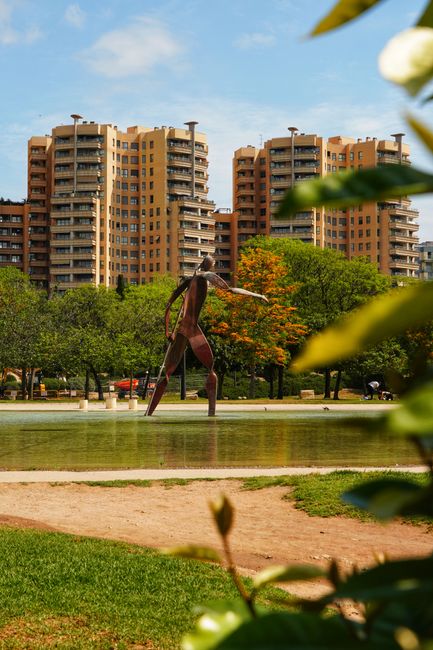
Gulliver Park (Parque Gulliver)
A unique playground within Turia Gardens featuring a giant Gulliver figure lying on the ground that children can climb using slides, ramps, and stairs. The 70-meter-long sculpture references Gulliver's Travels and his capture by the Lilliputians. Designed as an interactive sculpture-playground hybrid. Extremely popular with families and free to use. The slides built into Gulliver's body, hair, and clothing create an adventure playground. Surrounded by Turia Gardens' green space. Best visited on weekday mornings to avoid crowds. Adults enjoy the creative design as much as children appreciate the play opportunities.
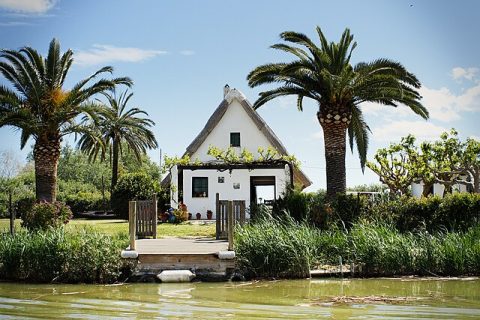
Albufera Natural Park
A large freshwater lagoon and wetland ecosystem 10km south of Valencia, famous for rice cultivation and wildlife. The park covers 21,000 hectares including the lagoon, rice fields, and coastal dunes. This is where authentic Valencian paella originated, using locally grown rice and lagoon ingredients. Boat rides on the lagoon at sunset are magical. Birdwatching opportunities with over 300 species. Traditional barracas (thatched cottages) dot the landscape. Several villages around the lagoon serve exceptional paella. El Palmar is the main access point. Visit in spring when rice fields flood or autumn at harvest. Essential for understanding paella's origins and Valencia's agricultural heritage.
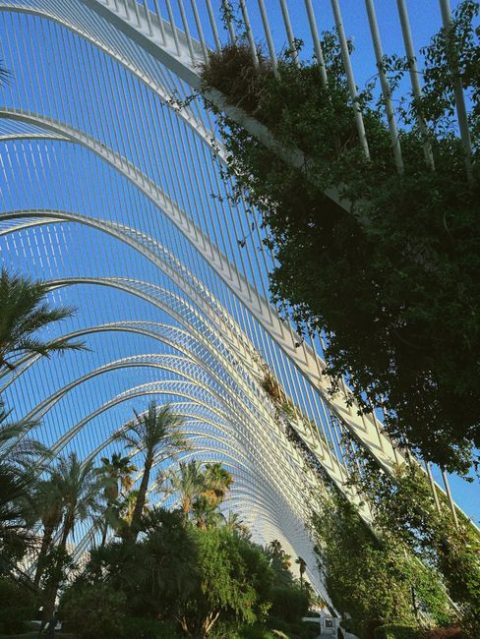
Botanical Garden (Jardín Botánico)
A historic botanical garden established in 1567 by the University of Valencia for medicinal plant study. The 4.5-hectare garden features over 3,000 plant species including tropical greenhouses, cacti, palms, and medicinal plants. The shaded paths and diverse plantings create a peaceful oasis in the city. The Victorian-era greenhouses are particularly beautiful. Educational signage explains plant origins and uses. The garden combines scientific research with public enjoyment. Especially pleasant in spring when many species bloom. An underrated attraction perfect for nature lovers and those seeking tranquility. Reasonable entry fee and central location near old town.
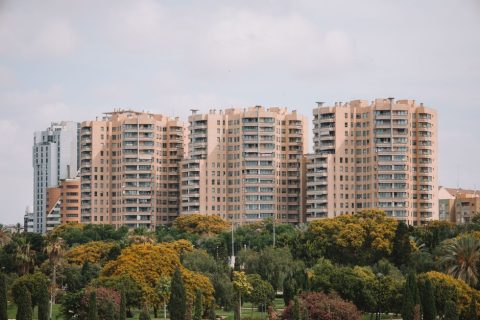
Royal Gardens (Jardines del Real / Viveros)
Valencia's largest park, commonly called Viveros, covers 168,000 square meters with magnificent tree-lined paths, rose gardens, and peacocks roaming freely. Originally royal gardens, now public space beloved by locals. Features include ancient trees, fountains, playground areas, and the Natural Science Museum. The rose garden blooms spectacularly in spring. Popular for jogging, picnics, and family outings. The park hosts outdoor concerts and events. Shaded paths provide relief on hot days. More authentic and less touristy than other gardens. Perfect for morning walks or afternoon relaxation away from crowds.
Tips for Parks & Gardens
- Rent bikes to explore the full length of Turia Gardens – multiple rental points available
- Visit Gulliver Park on weekday mornings (10 AM) to avoid crowds
- Botanical Garden is coolest in early morning or late afternoon – bring water
- For Albufera, book sunset boat tours in advance, especially weekends
- Combine Albufera visit with paella lunch at El Palmar village restaurants
Valencia offers diverse experiences from bike tours through Turia Gardens to paella cooking classes and flamenco shows. These activities provide deeper cultural immersion and unique perspectives on the city.
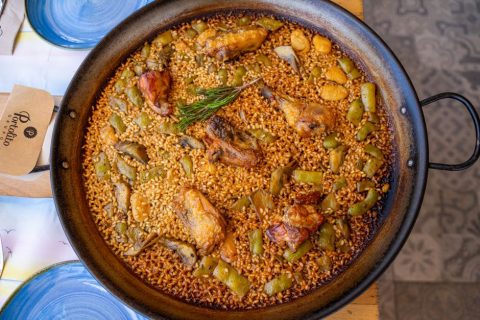
Paella Cooking Class
Learn to make authentic Valencian paella from local chefs in hands-on cooking classes. Classes typically include market visits to select fresh ingredients, instruction in traditional techniques, and enjoying your creation with wine. Discover that traditional Valencian paella contains rabbit, chicken, and green beans – never seafood. Classes explain paella's history, the importance of socarrat (crispy bottom), and proper rice selection. Most classes last 3-4 hours. Some include visits to Albufera where paella originated. Perfect for food lovers wanting to recreate this iconic dish at home. Book in advance as classes fill quickly.
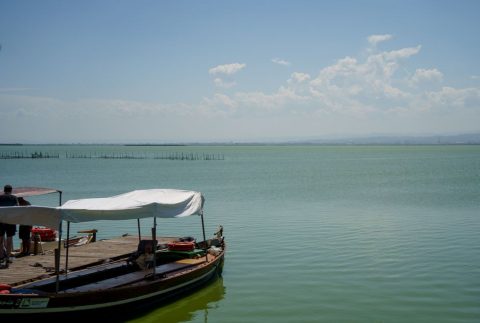
Albufera Sunset Boat Tour
Traditional wooden boat rides on Albufera lagoon at sunset, one of Valencia's most romantic experiences. The flat-bottomed boats (albuferencs) glide silently through reed channels. Watch the sun set over the wetlands as birds return to roost – the golden hour light is spectacular. Tours include information about rice cultivation, local ecology, and traditional fishing methods. Some tours combine boat rides with paella dinners at lakeside restaurants. El Palmar village is the main departure point. Tours last 45-60 minutes. Best visited April-October. Advance booking recommended for sunset departures. An essential Valencia experience combining nature and tradition.
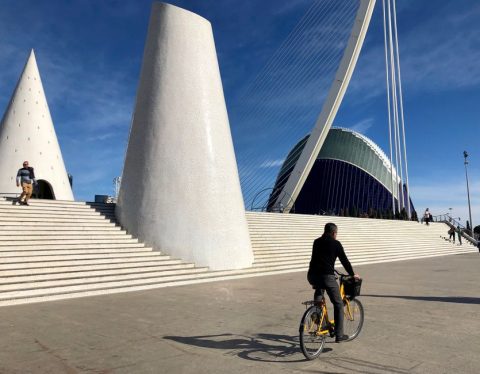
Valencia Bike Tour
Explore Valencia's highlights on guided bicycle tours that cover major sights efficiently while enjoying the city's excellent cycling infrastructure. Tours typically include Turia Gardens, City of Arts and Sciences, old town, and beach areas. Valencia is exceptionally bike-friendly with dedicated lanes throughout. Tours range from 2-4 hours with various themes available: historical, modern architecture, or food-focused. Small group sizes ensure personalized attention. Guides provide historical context and local insights. E-bike options available for easier riding. An excellent way to cover significant ground while staying oriented in the city. Most tours include bike, helmet, and water.
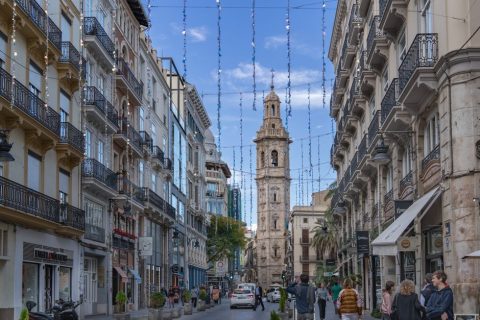
Walking Tour of Historic Center
Guided walking tours through Ciutat Vella uncover Valencia's layered history from Roman foundations to contemporary culture. Tours visit major landmarks like La Lonja, Central Market, Cathedral, and hidden corners guides share. Learn about the Water Tribunal, Las Fallas traditions, and architectural evolution. Free walking tours (tip-based) operate daily, or book premium small group experiences. Tours typically last 2-3 hours. Themes include history, food, street art, or ghost stories. Guides provide context that enriches independent exploration afterward. Many tours include tastings of horchata, agua de Valencia, or tapas. Essential for first-time visitors to orient themselves and understand city culture.
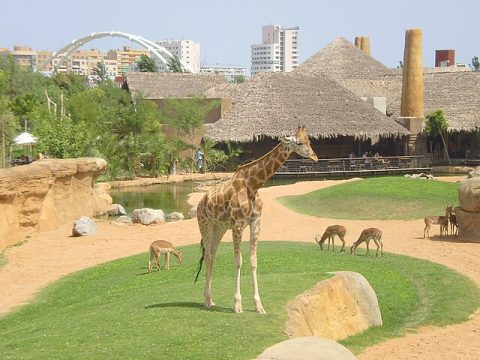
Bioparc Valencia
An innovative zoo design using 'zoo-immersion' that eliminates visible barriers between animals and visitors. The 100,000 square meter park recreates African habitats including savanna, Madagascar, and equatorial forests. Animals roam in large, naturalistic enclosures. Highlights include lions, elephants, gorillas, and lemurs. The underwater viewing areas for hippos and the gorilla habitat are particularly impressive. Educational focus on conservation. Much more ethical and engaging than traditional zoos. Popular with families but interesting for all ages. Located at the western end of Turia Gardens. Allow 3-4 hours to see everything properly. Best visited in cooler morning hours.
Flamenco Show
Experience passionate live flamenco performances at intimate venues throughout Valencia. While flamenco originated in Andalusia, Valencia has quality tablaos (flamenco venues) featuring talented dancers, guitarists, and singers. Shows typically last 60-90 minutes with optional dinner packages. The emotional intensity and technical skill of professional flamenco is mesmerizing. Some venues offer workshops before shows. Most performances start around 9-10 PM. Book in advance for better seating. Venues range from traditional to contemporary interpretation. A quintessential Spanish cultural experience perfect for evening entertainment.
Tips for Tours & Activities
- Book paella cooking classes well in advance – they sell out quickly
- Bike tours work best in morning or late afternoon to avoid midday heat
- Albufera boat tours at sunset are popular – reserve 2-3 days ahead
- Free walking tours operate daily but tipping guides 10-15€ is customary
Valencia does not have a centuries-old Christmas market tradition like Central Europe, but the city still lights up for the season with a lively wooden-chalet market, an outdoor ice rink, and one of Spain's most elaborate nativity displays. Most of the action centers on the Plaza del Ayuntamiento and spills into the Mercado de Colón, running from late November through the Cabalgata de Reyes in early January.
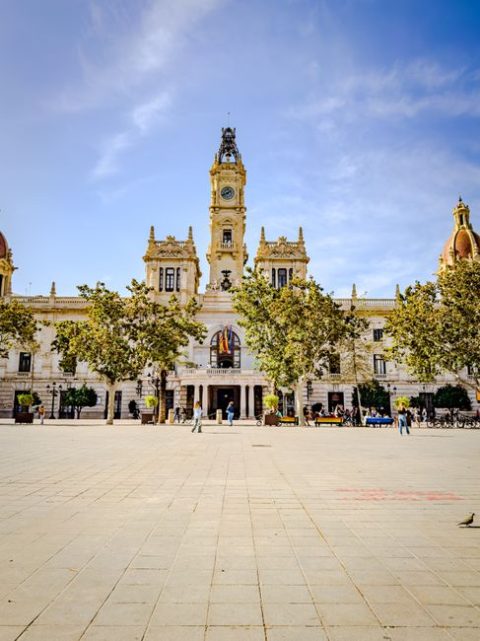
Mercado de Navidad, Plaza del Ayuntamiento
Valencia's main Christmas market fills the grand Plaza del Ayuntamiento with rows of wooden chalets selling handmade ornaments, turrón, roasted chestnuts, and mulled wine. A towering illuminated Christmas tree anchors the square, and the surrounding facades are strung with festive lights that make this the citys default evening gathering spot in December. Expect the market to run from around late November through early January 2026-2027, with hours typically 10:00-22:00 and later on weekends. Its an easy, free way to soak up the holiday atmosphere, browse local crafts, and grab a snack while wandering between the citys grandest civic buildings. Arrive after dark for the best view of the lights.
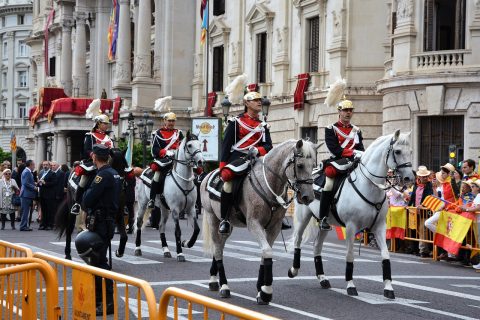
Belén Municipal (Municipal Nativity Scene)
Set up each year in the Plaza del Ayuntamiento, Valencias Belén Municipal is one of the largest and most detailed nativity scenes in Spain, with life-size or near life-size figures, moving parts, and elaborate landscaped sets depicting Bethlehem. It draws families throughout December and is free to visit, usually open daily alongside the surrounding Christmas market. The craftsmanship is a point of civic pride, and many locals make a yearly ritual of visiting with children. Its a quick but memorable stop, best combined with a stroll through the adjacent market stalls and a look at the illuminated town hall facade. Expect queues on weekend evenings close to Christmas.

Pista de Hielo (Christmas Ice Rink)
An open-air ice skating rink typically pops up in central Valencia for the holiday season, often near the Plaza de Toros or within the Ciutat de les Arts i les Ciències complex, depending on the years sponsor and location. Sessions usually run in timed slots from late November into early January, with skate rental included in the ticket price. Its a popular outing for families and groups of friends, especially in the evenings when the rink is lit up. Prices are modest and sessions typically last 45-60 minutes. Check local listings closer to your visit, as the exact site can shift year to year. Booking ahead online is recommended for weekend evening slots.
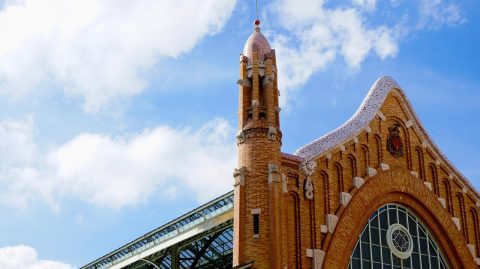
Mercadillo Navideño, Mercado de Colón
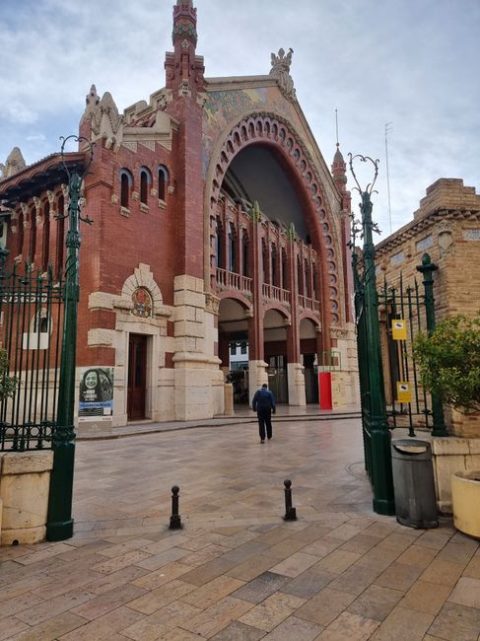
The elegant Modernist Mercado de Colón hosts its own smaller, more boutique holiday market each December, with artisan stalls set up around the buildings sunken lower level alongside its regular cafes and tapas bars. Its a good alternative to the busier Ayuntamiento market, with a focus on gourmet food gifts, local crafts, and a cozier atmosphere under the buildings iron-and-glass architecture. Pair a visit with lunch or a glass of cava at one of the markets permanent restaurants. It sits in the upscale Ensanche district, a short walk from the city center, and makes for a relaxed midday stop rather than an evening crush. Open daily during December.
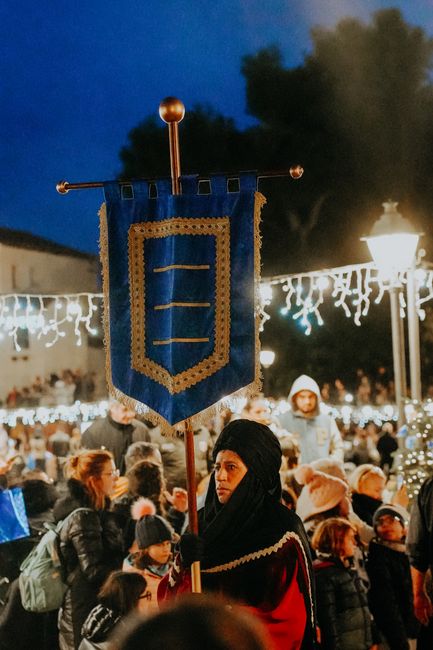
Cabalgata de los Reyes Magos (Three Kings Parade)
While technically falling on the night of January 5th, the Cabalgata de Reyes is the true climax of Valencias holiday season and the event locals build December around. Elaborate floats carrying the Three Kings wind through the city center tossing sweets to crowds of children, followed by Epiphany celebrations the next day. Its not a market but a essential piece of context for understanding why the citys Christmas decorations and markets stay up through the first days of January rather than ending on the 25th. If your December 2026 trip stretches into the New Year, its worth timing your stay to catch this. Arrive early to claim curbside space along the parade route.
Tips for Christmas Market
- The Plaza del Ayuntamiento market and nativity scene are free to visit and easiest to enjoy after sunset when the lights are on.
- December evenings in Valencia are mild by European standards but can still be chilly near the sea, so bring a light jacket.
- Book ice rink slots online in advance for weekend evenings, as they sell out closer to Christmas.
- If visiting the Mercado de Colón market, combine it with a walk down Calle Colón for additional holiday window displays.
- Many stalls and attractions stay open past December 25th through the Cabalgata de Reyes on January 5th.
When the sun sets, Valencia trades cathedral bells for flamenco guitars, jazz riffs, and DJ sets that spill onto rooftop terraces overlooking the city. From baroque-tiled cocktail dens tucked into medieval alleys to open-air clubs beneath the futuristic curves of the Arts and Sciences complex, the city keeps a laid-back Mediterranean pace well past midnight.
Umbracle Terraza
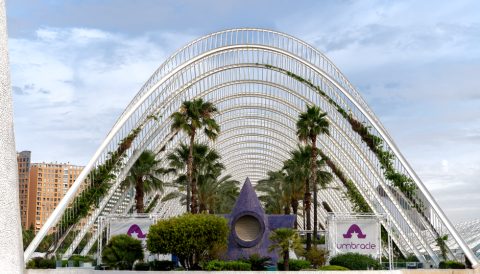
Set beneath the sweeping white ribs of the City of Arts and Sciences complex, Umbracle Terraza is Valencia's signature open-air club experience, a landscaped promenade by day that transforms into a sleek outdoor lounge and dance space after dark. International and local DJs play house and electronic sets against a backdrop of palm trees and illuminated architecture, drawing a stylish, mixed-age crowd. Summer weekends get especially busy, and a cover charge or guest-list entry is common once the dance floor fills up. Bottle service and elevated cocktails cater to a slightly more upscale scene than the bars of the old town. Its futuristic setting makes it feel distinct from anywhere else in the city. Arrive after 1am for the peak of the party, or earlier for a quieter drink with a view of the complex lit up at night.
Radio City
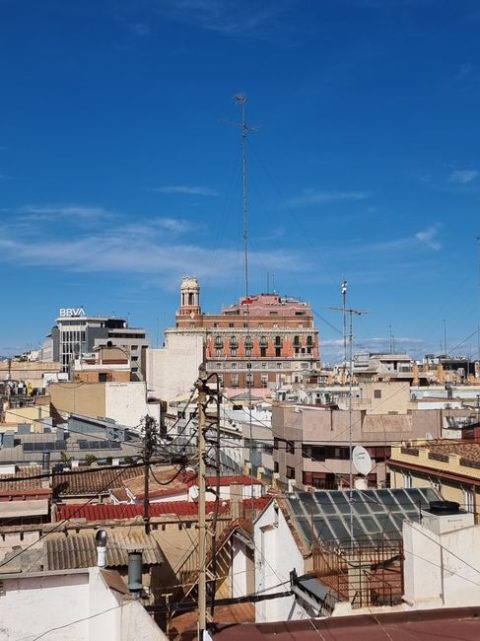
A Valencia institution since the 1990s, Radio City packs a different act into its small stage almost every night of the week. flamenco is on Tuesdays at 22:30, while the rest of the week rotates through indie rock, funk, reggae, and DJ sets, drawing a mixed crowd of students, locals, and visiting music fans. The venue is unpretentious and a little worn at the edges, with sticky floors and cheap drinks that only add to its underground charm. Its location in the Carmen district puts it a short stumble from dozens of other late-night spots. Shows typically start around 11pm and there is rarely a cover charge before midnight. It remains one of the best places in the city to hear live music in an intimate, no-frills setting rather than a polished concert hall.

Jimmy Glass Jazz Bar
Barely larger than a living room, Jimmy Glass is a beloved fixture of Valencia after-dark culture, hosting live jazz almost nightly since the 1990s. Musicians play just a few feet from the audience, creating an intimate, almost improvised atmosphere that regulars treasure. The crowd tends to be older and more musically curious than at the city's dance clubs, and conversation happens in a low murmur between sets. Some concerts charge admission (around €17-25, often with a compulsory drink); check the programme. A drink purchase is expected, and seats fill quickly so arriving early is wise. Its narrow, dimly lit interior in the old town feels frozen in time, a welcome contrast to the flashier bars nearby. For anyone who prefers a saxophone solo to a bass drop, this tiny room delivers one of the most authentic live-music experiences in the city.
Cafe de las Horas
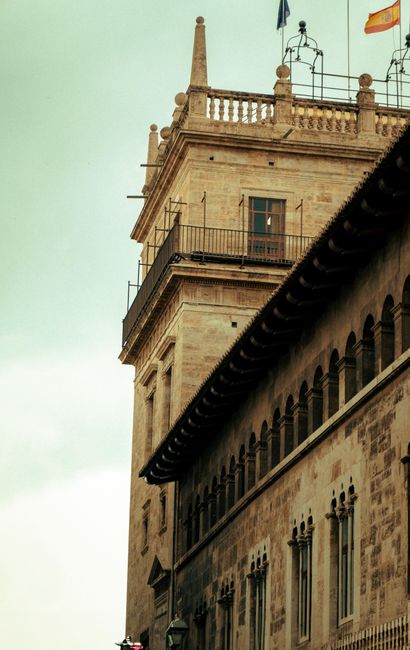
Step through the doors of Cafe de las Horas and the decor alone justifies the visit: baroque chandeliers, gilded mirrors, and velvet drapery create a theatrical, almost decadent backdrop for an evening cocktail. Located steps from Plaza de la Virgen, it draws a relaxed early-evening crowd for its famous strawberry mojitos and later fills with a livelier mix as the night goes on. Soft candlelight and eclectic lounge music make it as suited to a quiet conversation as to pre-club drinks with friends. The menu spans classic cocktails, sangria, and afternoon tea service, so it works equally well at 6pm or midnight. Its old-town setting means it pairs naturally with a stroll through the surrounding lanes. Expect a wait for a table on weekend nights given its enduring popularity with both locals and visitors.
Tips for Nightlife & Entertainment
- Many bars and clubs do not fill up until well after midnight, following the Valencian custom of a late dinner first.
- Cash is handy for smaller bars in the old town, though most rooftop and club venues accept cards.
- Book rooftop tables in advance during summer weekends, especially for sunset slots.
- The Carmen district concentrates the highest density of bars, making it easy to wander between venues on foot.
Valencia is one of Europe's most family-friendly cities, with wide pedestrian boulevards, shaded parks, and playgrounds tucked into nearly every neighborhood. Beyond its headline science and aquarium attractions, the city offers plenty of easygoing spots where children can run, ride, and splash without a packed itinerary. These are the spots where local families actually spend their weekends.
Aquopolis Valencia
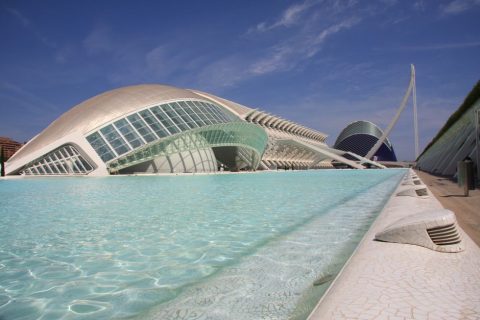
A short drive from central Valencia, this large water park is a reliable way to burn off a full day of children's energy with pools, slides, and a dedicated toddler splash zone. Older kids gravitate toward the taller slides and wave pool, while a shallow, gently sloped children's area keeps the youngest visitors safe and entertained. Sun loungers and shaded picnic spots line the grounds, and food stalls sell typical park fare so families rarely need to leave for supplies. It gets busy on hot summer weekends, so arriving close to opening time means shorter lines for the popular slides. The park operates seasonally, generally open from late spring through early autumn, and closes entirely outside that window. A car or taxi is the easiest way to reach it, since it sits outside the city center and public transport options are limited. Lockers are available for a small fee to store bags and valuables while swimming.
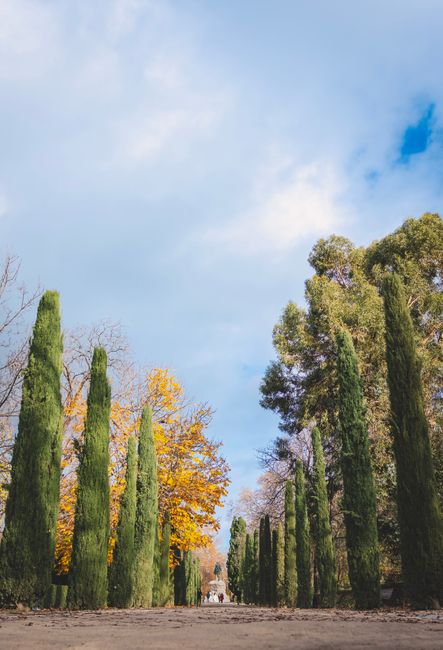
Parque de Cabecera
Tucked at the western end of the old riverbed park, Parque de Cabecera is a sprawling green space built around an artificial lake left over from the old Turia riverbed. Families come here to rent pedal boats and paddle around small islands, or to let kids loose on the shaded playgrounds and wide grassy lawns that ring the water. The park connects directly to the themed play area of Gulliver, so it works well as a base for an entire afternoon outdoors. Paths are flat and stroller-friendly, and there are several kiosks selling snacks and drinks near the lakeside. It is far quieter than the city center, making it a good decompression stop after a morning of museum visits. On weekends, local families fill the picnic areas, and the birdlife around the lake gives younger children plenty to point at. Bring cash for the boat rental kiosk, as card payment is not always available.
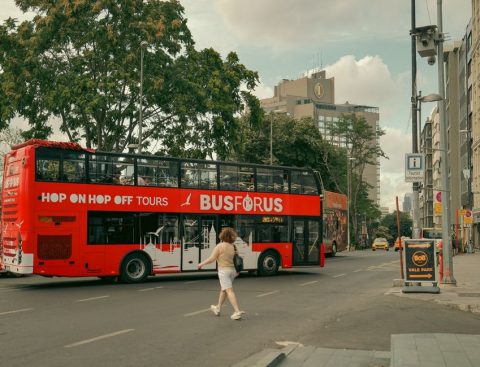
Valencia Bus Turístic (Hop-On Hop-Off Tour)
For families with young children who tire quickly on foot, the open-top double-decker bus tour is an easy way to see Valencia's main sights without long stretches of walking. Kids typically enjoy claiming a seat on the open upper deck and watching the city's mix of historic and futuristic architecture roll by, especially the approach to the City of Arts and Sciences complex. Tickets allow hopping on and off at multiple stops across a day or two, so a tired toddler can mean an early return without wasting the ticket. Audio guides include a children's commentary track on some routes, which helps keep younger riders engaged. Buses run at regular intervals throughout the day, and the covered lower deck is a useful fallback if the weather turns. It is a low-effort option to slot into a day already packed with walking-heavy museum visits. Seats on the top deck fill up fast at peak stops, so boarding near the start of the route helps secure the best view.
Tips for With Kids
- Most playgrounds and parks are free and open until sunset, making them easy last-minute additions to a day.
- Bring swimsuits if a water park visit is planned, since Aquopolis only operates in the warmer months.
- Strollers work well on the flat paths of Parque de Cabecera and Turia Gardens but less so on the cobblestones of the old town.
- Book hop-on hop-off bus tickets online in advance for a small discount and to skip the ticket line.
Valencia keeps a lively calendar of festivals and seasonal happenings that shape the rhythm of the city year-round. From explosive spring pyrotechnics to open-air summer concerts and cozy winter markets, each event below is browsable on its own with plausible 2026 scheduling. Locals plan entire seasons around these dates, so checking ahead helps visitors catch the city at its most vibrant.

Las Fallas Spring Festival
Las Fallas transforms Valencia every March into a citywide spectacle of fire, fireworks, and satirical art. In 2026, expect the core celebrations to run from March 15 to March 19, with neighborhood associations installing giant papier-mache and polystyrene sculptures known as fallas in the days before. Daily mascleta firecracker displays detonate at 2pm in Plaza del Ayuntamiento, building toward the final night when every sculpture is set ablaze in the ritual crema. Expect crowded streets, the smell of gunpowder, and an atmosphere unlike anywhere else in Spain. Book accommodation far in advance, as hotels fill up months ahead. This is widely considered Valencia most iconic annual event and draws visitors from across Europe.
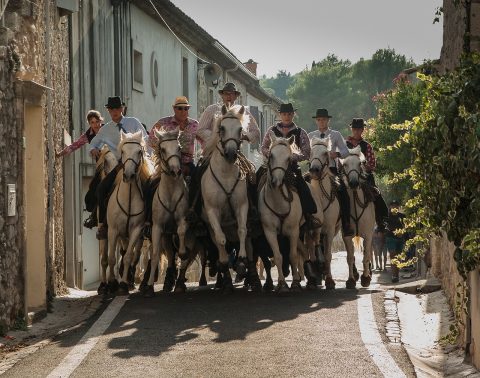
Feria de Julio (July Fair)
The Feria de Julio is Valencia summer-long celebration, expected to run through most of July 2026, roughly from 1 to 26 July. The program blends open-air concerts, a floral offering, fireworks competitions over the Turia riverbed, a giant funfair, and the beloved Batalla de Flores (Battle of Flowers) parade in the final week. Many events are free and family-friendly, held in parks and squares across the city. Evenings bring live music ranging from traditional orquestas to contemporary pop acts on outdoor stages. It is a quieter, more local affair than Fallas but no less festive, offering a relaxed way to experience Valencian culture during the warm summer months without the intensity of March crowds.
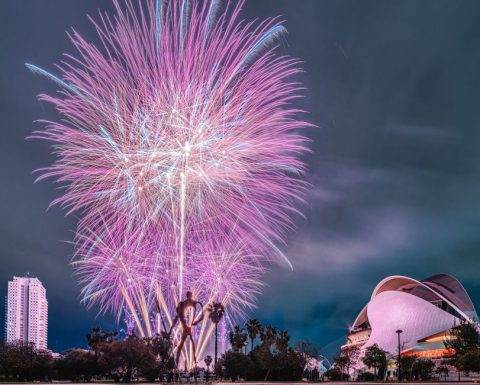
Valencia Christmas Market and New Year Celebration
From late November through January 6, 2027, with the core market period expected around December 1, 2026 to January 5, 2027, Plaza del Ayuntamiento and Plaza de la Reina fill with wooden stalls selling crafts, roasted chestnuts, and mulled wine. A large illuminated tree and nativity scene anchor the main square, while string lights line the shopping streets of Colon and Ruzafa. On December 31, locals gather in the main squares to eat twelve grapes at midnight, one per chime, following Spanish New Year tradition, followed by fireworks over the City of Arts and Sciences. Early January brings the Cabalgata de Reyes parade on the evening of January 5, a highlight for families with children awaiting Three Kings Day gifts.
Valencia Mostra Film Festival
Held each autumn, the Mostra de Valencia cinema festival is anticipated to screen from 3 to 15 November 2026, at venues including the historic Teatro Rialto and various cultural centers around town. The festival showcases Mediterranean and international independent cinema, with director talks, themed retrospectives, and outdoor screenings in the old riverbed gardens once the weather cools. Tickets for popular premieres sell quickly, so reserving seats a few days ahead is wise. Beyond the films themselves, the event brings a cultural buzz to the city center, with cafes and bars hosting related talks and pop-up exhibitions. It pairs well with an evening stroll through the nearby Ciutat Vella district, making for a full night of autumn culture in Valencia.
Tips for Events Calendar
- Book hotels for Las Fallas at least 3-4 months ahead, as the city sells out completely.
- The daily mascleta during Fallas is louder than expected, arrive early to Plaza del Ayuntamiento for a good spot and consider ear protection for young children.
- Feria de Julio events are mostly free, check the city cultural agenda closer to the date for the exact daily schedule.
- Christmas market hours are typically longer on weekends, visit on a weekday evening to avoid the biggest crowds.
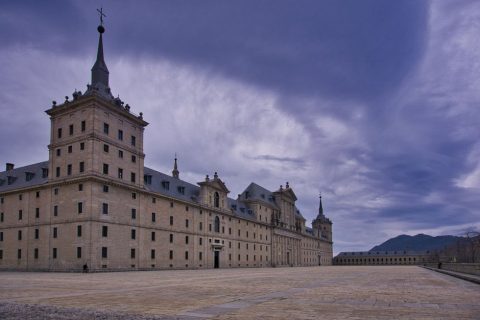
Real, highly-rated Restaurants in Valencia, sourced from Google Places (rating above 4★).
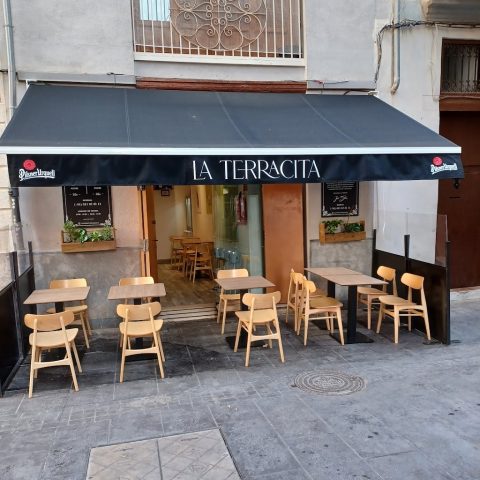
La Terracita Cuina de Mercat
La Terracita Cuina de Mercat is a highly-rated restaurant in Valencia, rated 5★ from 462 reviews. Located at C. del Repés, 3, Ciutat Vella, 46001 València, Valencia, Spain.
Opening Hours
- Monday: Closed
- Tuesday: Closed
- Wednesday: 1:30 – 3:00 PM, 8:30 – 10:00 PM
- Thursday: 1:30 – 3:00 PM, 8:30 – 10:00 PM
- Friday: 1:30 – 3:00 PM, 8:30 – 10:00 PM
- Saturday: 1:30 – 3:00 PM, 8:30 – 10:00 PM
- Sunday: Closed
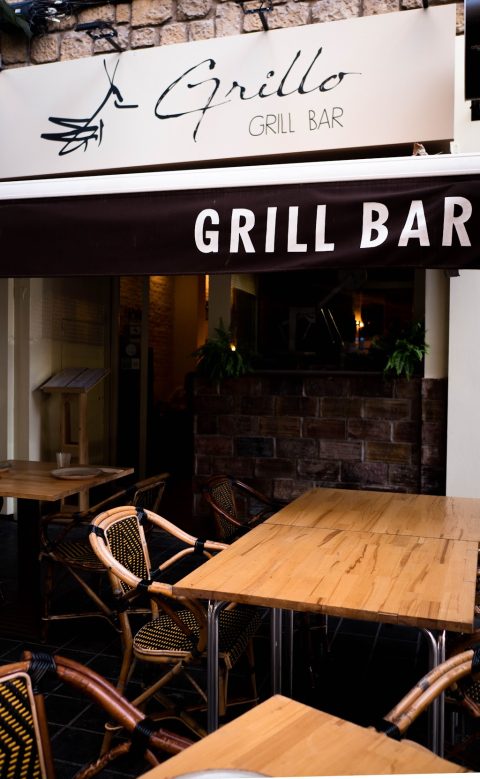
Grillo Grill - Steakhouse Valencia
Grillo Grill - Steakhouse Valencia is a highly-rated restaurant in Valencia, rated 4.9★ from 1828 reviews. Located at Carrer de Salamanca, 7, L'Eixample, 46005 València, Valencia, Spain.
Opening Hours
- Monday: 1:30 – 3:30 PM, 8:00 – 11:30 PM
- Tuesday: 1:30 – 3:30 PM, 8:00 – 11:30 PM
- Wednesday: Closed
- Thursday: 1:30 – 3:30 PM, 8:00 – 11:30 PM
- Friday: 1:30 – 3:30 PM, 8:00 – 11:30 PM
- Saturday: 1:30 – 3:30 PM, 8:00 – 11:30 PM
- Sunday: Closed
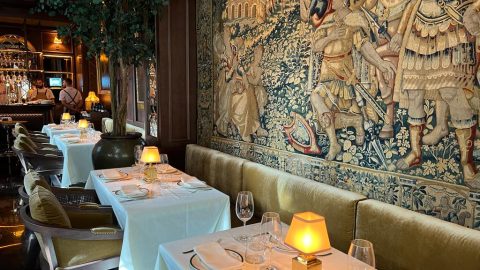
Santa Rita
Santa Rita is a highly-rated restaurant in Valencia, rated 4.7★ from 6976 reviews. Located at C/ dels Assaonadors, 10, Ciutat Vella, 46001 València, Valencia, Spain.
Opening Hours
- Monday: 12:00 PM – 12:00 AM
- Tuesday: 12:00 PM – 12:00 AM
- Wednesday: 12:00 PM – 12:00 AM
- Thursday: 12:00 PM – 12:00 AM
- Friday: 12:00 PM – 12:00 AM
- Saturday: 12:00 PM – 12:00 AM
- Sunday: 12:00 PM – 12:00 AM
Explore Valencia on the Map
Optimal Travel Seasons
Spring (March-May) is ideal with mild temperatures (15-25°C), Las Fallas festival in March, blooming gardens, and fewer crowds than summer. March 15-19 features the spectacular Las Fallas celebration with fireworks, giant sculptures, and street parties.
Fall (September-November) offers warm weather (18-26°C), calmer seas for swimming, and local festivals. September is still beach season without peak summer crowds.
Summer (June-August) brings hot temperatures (25-35°C), crowded beaches, and high season prices. Perfect for beach lovers but can be uncomfortably hot for sightseeing. Many locals leave in August.
Winter (December-February) sees mild temperatures (10-18°C), fewer tourists, and lower prices. Occasional rain but many sunny days. Beach activities limited but city exploration comfortable.
| Month | Avg Temp | Rainfall | Crowd Level |
|---|---|---|---|
| March | 16°C | Low | Very High (Fallas) |
| May | 20°C | Low | Moderate |
| July | 26°C | Minimal | Very High |
| October | 20°C | Moderate | Moderate |
Getting Around Valencia
✈️ Airport Transfer
Metro Lines 3 & 5 connect Valencia Airport to city center (30 minutes, €4-6 depending on zones). Hours depend on the line and weekday (Monday-Thursday airport departures end around 22:30).
Airport Bus Line 150 operates to city center (€4.80, about 40 minutes) every 25 minutes during the day.
Taxis cost approximately €20-25 to city center (20 minutes). Pre-book for late arrivals.
Public Transportation
Metro & Tram: Metrovalencia has ten lines (six metro and four tram). València Tourist Card offers unlimited transport plus museum discounts. Integrated SUMA tickets: a 10-journey SUMA 10 is about €5.40 for one zone (discounted through 31 December 2026); the EMT single ticket is €2. Metro hours depend on the line.
EMT City Buses: Extensive network covering all neighborhoods. SUMA integrates operators, but EMT single tickets and Bonobús are EMT-only. Night buses: selected EMT routes now run overnight seven days a week.
Valenbisi Bike Share: 275+ stations citywide. First 30 minutes free, then €0.52 per 30 minutes. Annual subscription about €29. Valencia is extremely bike-friendly with dedicated lanes throughout.
Walking
The historic center is compact and pedestrianized – walking is the best way to explore Ciutat Vella. From old town to beach is about 4km (50 minutes walk or 15 minutes by tram).
Tip: Purchase a València Tourist Card (24/48/72 hours available) for unlimited transport, museum discounts, and restaurant offers. Available at tourist offices, online, or from machines in metro stations.
Shopping in Valencia
What to Buy
- Ceramics & Tiles: Valencian ceramics, especially from nearby Manises, feature distinctive blue and white patterns. Buy from specialty shops in the old town or visit ceramic workshops.
- Turrón: Traditional almond nougat candy, especially from Jijona. Available in numerous flavors. Premium quality at specialized shops like Casa Giménez.
- Horchata Concentrate: Take home this tiger nut drink. Buy from Daniel or Santa Catalina horchaterías along with fartons (sweet bread).
- Silk Products: Scarves, ties, and shawls reflecting Valencia's silk trade heritage. High-quality items from Barrio Velluters area.
- Paella Pans & Rice: Authentic paelleras (paella pans) and local rice varieties. Central Market vendors sell quality cookware.
- Espadrilles: Traditional rope-soled shoes, perfect for summer. Many styles and colors available.
- Lladró Porcelain: World-famous porcelain figurines made near Valencia. Flagship store in city center or factory visits available.
- Local Wines: Utiel-Requena and Valencia DO wines. Excellent value and quality from nearby regions.
Shopping Areas
Calle Colón: Main shopping street with international brands, department stores (El Corte Inglés), and fashion boutiques.
Central Market: Fresh produce, specialty foods, spices, and local products. Perfect for edible souvenirs.
Plaza Redonda: Traditional crafts, lace, ceramics, and souvenirs in a unique circular plaza.
Ruzafa & El Carmen: Independent boutiques, vintage stores, artisan shops, and designer items.
Mercado de Colón: Modernist market building now housing gourmet shops and cafes in elegant surroundings.
Bargaining Tips
Bargaining is not common in Valencia except at flea markets (Mercado de Tapineria on Sundays). Fixed prices in shops and markets. Some small shops may offer discounts for multiple purchases.
Shopping Hours: Most shops open 10 AM-2 PM and 5 PM-8:30 PM Monday-Saturday. Large stores and malls open continuously. Sundays most shops closed except in tourist areas.
Festivals & Events
Las Fallas (March 15-19)
Valencia's most important festival, a UNESCO Intangible Cultural Heritage event. Enormous satirical sculptures (fallas) fill the streets, then burn on the final night (La Cremà). Daily events include:
- Mascletà: Deafening firecracker displays at 2 PM in Plaza del Ayuntamiento
- Ofrenda de Flores: Massive flower offering to the Virgin Mary
- Nit del Foc: Spectacular fireworks on March 18
- 24-hour street parties, paella contests, and traditional costumes
Semana Santa Marinera (Holy Week)
The maritime districts celebrate Easter with unique processions featuring fishermen brotherhoods. Different from Andalusian Holy Week, with ships, maritime symbols, and beach ceremonies.
Feria de Julio (July)
Month-long summer festival with concerts, bullfights (controversial), sporting events, and the Battle of Flowers parade. Founded in 1871 to attract visitors and support summer commerce.
Tomatina - Buñol (Last Wednesday of August)
The world's largest food fight takes place in nearby Buñol (40km from Valencia). Thousands throw tomatoes in the streets. Book tickets and transport well in advance. Not in Valencia proper but accessible for day trip.
October 9 - Valencia Day (Día de la Comunidad Valenciana)
Regional holiday celebrating King Jaume I's conquest. Parades, traditional music, and cultural events. Fireworks at Turia Gardens.
12 Uvas (New Year's Eve)
Valencians gather at Plaza del Ayuntamiento to eat 12 grapes at midnight (one per bell chime) for good luck, then party until dawn.
National Holidays: January 1, January 6 (Three Kings), March 19 (San José/Father's Day), Good Friday, Easter Monday, May 1, August 15, October 9 (Valencia Day), October 12, November 1, December 6, December 8, December 25. Expect closures and crowds.
Sample Itineraries
Day 1: Historic Valencia
Morning (9 AM-1 PM): Start at Plaza de la Reina for coffee. Visit Valencia Cathedral and climb Miguelete tower (45 min). Walk to La Lonja (45 min) then explore Central Market (1 hour). Browse colorful stalls and sample local products.
Lunch (1:30-3 PM): Tapas near Central Market or traditional Valencian lunch.
Afternoon (3-7 PM): Stroll through Plaza del Ayuntamiento (30 min). Walk up Calle de la Paz for shopping. Visit Church of San Nicolás (45 min) to see spectacular frescoes. Explore El Carmen neighborhood, visiting Torres de Serranos (45 min) and discovering street art.
Evening: Dinner in El Carmen followed by cocktails on Calle Caballeros.
Day 2: Modern Valencia & Beach
Morning (9 AM-1 PM): Bike through Turia Gardens to City of Arts and Sciences. Visit Prince Felipe Science Museum or L'Oceanogràfic (choose one, 3-4 hours).
Lunch (1:30-3:30 PM): Continue to Malvarrosa Beach by bike or tram. Enjoy beachfront paella at a traditional restaurant.
Afternoon (3:30-7 PM): Relax on the beach, swim, or walk the promenade. Explore Cabanyal neighborhood to see colorful tiled houses. Return along the beach as sun sets.
Evening: Fresh seafood dinner in Cabanyal or return to Ruzafa for international cuisine and nightlife.
Day 3: Culture & Nature
Morning (9 AM-1 PM): Visit Museum of Fine Arts (2 hours, free entry). Walk through Viveros Gardens (1 hour) enjoying peaceful greenery and rose gardens.
Lunch (1:30-3 PM): Head to Ruzafa for trendy brunch spots or international cuisine.
Afternoon (3-7 PM): Explore Ruzafa neighborhood – boutique shopping, coffee culture, street art. Visit Ruzafa Market. Alternatively, take an Albufera afternoon tour with sunset boat ride (depart 4-5 PM).
Evening: Dinner in Ruzafa's diverse restaurant scene. Bar hopping for craft beer or cocktails.
Day 4: Day Trip - Albufera & Paella Origins
Morning (9 AM-12 PM): Bus or drive to Albufera Natural Park (30 min). Visit El Palmar village, walk through rice fields, learn about traditional agriculture.
Lunch (12:30-3 PM): Authentic paella lunch at a lakeside restaurant in El Palmar – the birthplace of paella. Book in advance.
Afternoon (3-6 PM): Sunset boat tour on Albufera lagoon (book 5-5:30 PM departure). Watch rice farmers, herons, and stunning golden light over wetlands.
Evening: Return to Valencia. Light dinner or tapas as lunch was substantial.
Day 5: Hidden Gems & Relaxation
Morning (9 AM-1 PM): Visit Botanical Garden (1.5 hours) in peaceful surroundings. Explore Plaza Redonda for crafts shopping (30 min). Take a paella cooking class starting around 10-11 AM (3-4 hours including market visit).
Lunch: Included in cooking class – eat your creation!
Afternoon (2-6 PM): Visit National Museum of Ceramics (1.5 hours) in spectacular palace. Walk Calle Caballeros and discover small galleries and shops. Relax at a traditional horchatería with horchata and fartons.
Evening: Flamenco show (book for 9-10 PM) with optional dinner. Alternatively, rooftop bar with city views for farewell drinks.
Tips: Adjust timing for siesta (2-5 PM) when many shops close. Museums typically close Mondays. Las Fallas week (March 15-19) requires completely different planning due to festivities.
Best Photography Locations
Iconic Shots
- City of Arts and Sciences - Reflection Pools: Best at sunrise (7-8 AM) or blue hour (8-9 PM) when structures reflect beautifully in water. The Hemisfèric eye and Science Museum's skeletal structure are most photogenic. Avoid midday harsh light.
- L'Umbracle Garden Terrace: Elevated viewpoint over City of Arts and Sciences complex. Sunset golden hour provides warm light on white architecture. Free access via City of Arts grounds.
- Torres de Serranos - Top Level: 360-degree panoramic views of old town, Turia Gardens, and distant mountains. Best in late afternoon (5-7 PM) for golden light on terracotta roofs.
- Miguelete Tower Summit: Classic Valencia cityscape with cathedral rooftops and orange trees below. Morning light (9-11 AM) works well. Worth the 207-step climb.
- Plaza de la Virgen: Capture the Turia Fountain with Cathedral and Basilica backdrop. Early morning (8-9 AM) has best light and fewest people. Street performers add life to shots.
Architectural Details
- La Lonja - Columnario Hall: Interior with twisted columns and vaulted ceiling. Natural light streams through windows mid-morning. Tripod useful for low-light shots.
- Central Market Dome: Art Nouveau stained glass and ceramic details. Morning light (9-10 AM) illuminates the dome beautifully. Wide-angle lens captures the full interior.
- Cabanyal Tiled Houses: Colorful ceramic facades on Calle de la Reina and surrounding streets. Midday provides even lighting on facades. Look for corner houses with wraparound tiles.
- Church of San Nicolás Interior: Recently restored Baroque frescoes covering every surface. Natural light best 10 AM-12 PM. Photography permitted without flash.
Street Photography
- El Carmen - Calle de las Cestas: Narrow medieval street with flower-covered balconies. Morning (9-10 AM) has soft light filtering between buildings.
- Central Market Stalls: Vibrant colors, vendors, and produce displays. Arrive early (8-9 AM) for most activity and best light through the glass ceiling.
- Plaza del Ayuntamiento: Capture the mascletà (firecracker display) during Las Fallas at 2 PM daily. Fast shutter speeds for crowd reactions. Expect smoke and chaos.
- Ruzafa Street Art: Large-scale murals throughout the neighborhood. Download a street art map. Anytime works but avoid harsh midday sun on flat walls.
Nature & Beach
- Albufera Sunset: From boat or El Palmar village shoreline. 30-60 minutes before sunset provides golden light on rice fields and water. Dramatic skies often develop.
- Malvarrosa Beach Promenade: Long palm-lined beach with traditional boats. Sunrise (7-8 AM) or sunset (7-9 PM depending on season). Blue hour captures lights reflecting on wet sand.
- Turia Gardens - Bridges: Historic bridges spanning the dry riverbed create architectural leading lines. Late afternoon provides directional light. Pont de les Flors particularly photogenic.
- Bioparc Underwater Viewing: Unique angles of hippos and aquatic animals. Low light requires fast lens or higher ISO. Morning feeding times (check schedule) most active.
Sunset Viewpoints
- El Saler Beach: South of city with dunes and natural landscape. Less crowded than Malvarrosa. Sunset over Mediterranean.
- Jardines del Real Peacock Area: If peacocks display, magical golden hour shots possible. Dawn and dusk most active.
- Rooftop Bars: Ateneo Mercantil rooftop or hotel terraces provide elevated city views at sunset. Often require purchasing drinks.
Photography Tips: Request permission before photographing vendors or people at close range. Drones require permits and are restricted in many areas. Churches typically allow photos without flash. Spring wildflowers in Turia Gardens bloom March-May. Las Fallas week provides incredible street photography but extremely crowded.
Electricity & Adapters
Voltage: 230V AC, 50Hz (standard throughout Spain and EU)
Plug Types: Type C (two round pins) and Type F (two round pins with grounding clips), also called 'Schuko' plugs. These are standard European plugs.
What You Need
- From UK: Type G to Type C/F adapter needed
- From USA/Canada: Type A/B to Type C/F adapter needed PLUS voltage converter for devices not rated dual voltage (110-230V). Most modern electronics (phones, laptops, cameras) are dual voltage – check device label.
- From Australia: Type I to Type C/F adapter needed
- From EU countries: Usually compatible, though some northern European plugs may need adapters
Where to Buy Adapters: Available at Valencia Airport shops, electronics stores (MediaMarkt, Fnac), Chinese bazaars throughout city, and most hotels (sometimes for loan/rental).
Universal Travel Adapters: Purchase a universal adapter before traveling as they're more expensive in Spain. Look for models with USB ports to reduce number of adapters needed.
USB Charging: Most modern hotels provide USB charging ports. Cafes and restaurants often have outlets available for customers.
Valencia Food Guide
Must-Try Dishes
- Paella Valenciana: The original paella contains chicken, rabbit, green beans (ferradura), white beans (garrofó), and saffron rice. Never seafood in authentic Valencian version. Order for minimum 2 people, takes 20-30 minutes to prepare. Best at beachfront restaurants or El Palmar village.
- Fideuà: Similar to paella but made with short noodles instead of rice, typically with seafood. Served with aioli (garlic mayonnaise).
- All i Pebre: Eel stew with garlic, paprika, and potatoes – a traditional Albufera dish. Acquired taste but authentic.
- Esgarraet: Salad of roasted red peppers, salt cod, garlic, and olive oil. Perfect tapa.
- Clóchinas: Small local mussels steamed with lemon, different from standard mejillones. Seasonal, mainly May to August.
- Arroz a Banda: Rice cooked in fish stock, served with aioli. The rice is eaten separately from the fish it was cooked with.
- Arroz al Horno: Oven-baked rice with chickpeas, pork, and potato. A hearty winter dish.
- Bunyols: Pumpkin fritters dusted with sugar, traditional during Las Fallas (March) but available year-round.
- Horchata: Tiger nut milk drink (not dairy), served ice-cold. Only authentic in Valencia region. Drink with fartons (sweet elongated pastries) for dunking.
- Agua de Valencia: Cocktail invented in Valencia mixing cava (sparkling wine), orange juice, vodka, and gin. Refreshing and deceptively strong.
Where to Eat Paella
Beachfront (Malvarrosa/Patacona): La Pepica, Casa Carmela, Casa Montaña – expect to pay €15-20 per person for paella. Book ahead for Sunday lunch.
El Palmar (Albufera): Restaurante Mateu, Bon Aire – most authentic setting in paella's birthplace. Combine with boat tour.
City Center: Casa Roberto (locals favorite), Navarro, La Riua – convenient but less atmospheric than beach.
Warning: Avoid restaurants with picture menus and menus in multiple languages in tourist areas. Quality paella takes 20+ minutes to prepare – if it comes faster, it's pre-made. Never order paella at dinner; lunch is traditional.
Dining Tips
- Meal Times: Lunch 2-4 PM (main meal), Dinner 9-11 PM. Many restaurants close between services. Spaniards eat late!
- Menú del Día: Lunch prix fixe menus (€10-15) at local restaurants offer excellent value – starter, main, dessert, bread, and drink included.
- Tapas Culture: Not as central as in other Spanish cities, but excellent tapas bars exist. Order raciones (large portions) for sharing.
- Coffee Culture: Cafes serve coffee all day. Try café con leche (with milk) or cortado (espresso with dash of milk). Horchaterías serve horchata and coffee.
- Markets: Central Market perfect for picnic supplies or breakfast. Try jamón, cheese, olives, fresh fruit.
- Reservations: Book ahead for weekend paella lunches and popular restaurants. Weekday lunches easier to find tables.
Dietary Restrictions
Valencia accommodates dietary needs increasingly well. Vegetarian options improving but traditional cuisine is meat/seafood heavy. Vegan restaurants concentrated in Ruzafa. Gluten-free awareness growing; communicate 'celíaco' (celiac) or 'sin gluten' (gluten-free). Seafood allergies easier to manage than others due to ingredient visibility.
Budget Guidelines
- Budget: Menú del día €10-15, market snacks €5-10, drinks €2-4
- Mid-range: Restaurant meals €20-35 per person with wine
- High-end: Fine dining €50-80+ per person
- Paella: €15-20 per person at quality restaurants
- Tapas: €3-8 per dish, 3-4 dishes per person
Where to Stay in Valencia
- Ciutat Vella (Old Town): Best for first-time visitors — the historic core puts the Central Market, Silk Exchange, and cathedral within walking distance, with easy access to the rest of the city.
- El Carmen (Barrio del Carmen): Ideal for nightlife seekers and younger travelers, this maze of narrow streets inside Ciutat Vella is packed with bars, street art, and late-night energy.
- Ruzafa (Russafa): A favorite for budget travelers and independent-minded visitors, this trendy grid of streets offers affordable guesthouses, indie cafes, and a local, less touristy feel.
- Malvarrosa Beach Area and Cabanyal-Canyamelar: Suited to families, thanks to wide sandy beaches, a paella-lined promenade, and a relaxed pace away from the city center rush.
Benimaclet is worth a mention for longer stays or business travelers needing quiet, residential surroundings close to the university and with good tram links into the center.
Tourist Passes
València Tourist Card
Comprehensive city pass offering unlimited public transport (metro, bus, tram) plus discounts at museums, restaurants, and shops. Available in 24-hour (€15), 48-hour (€20), or 72-hour (€25) versions. Includes free airport transfer, 15% discount at City of Arts and Sciences attractions, museum entry discounts, and restaurant offers. Purchase online, at tourist offices, or metro station machines. Card activates on first use. Excellent value if using public transport frequently and visiting multiple paid attractions. The transport alone pays for itself with 3-4 journeys.
www.visitvalencia.comCity of Arts and Sciences Combined Tickets
Combination packages for multiple attractions within the complex offer significant savings. Popular combinations include Oceanogràfic + Science Museum (save 15%), or triple ticket adding Hemisfèric. Purchase online for additional 5-10% discount and skip ticket queues. Tickets valid for multiple days, so visit Oceanogràfic one day and other attractions another. Children under 4 free; reduced prices for children 4-12 and seniors 65+. Family packages available for additional savings.
www.cac.esBioparc Online Discount
Purchasing Bioparc tickets online saves about €1 per ticket online. General admission starts at €29.50, reduced at €23.50. Annual passes available for locals. Online purchase allows you to skip ticket office queues and enter directly through turnstiles. Check website for special promotions and family packages. Combined tickets with City of Arts attractions sometimes offered. Best value for families with multiple children.
www.bioparcvalencia.esMuseum Free Entry
Many Valencia museums offer free entry on Sundays and specific days. Museum of Fine Arts is always free. IVAM (contemporary art) free on Sundays. Municipal museums free Saturdays-Sundays. Torres de Serranos and Quart free Sundays and holidays. Check individual museum websites for specific free entry times. This can save significant money but expect larger crowds during free periods. Plan Sunday museum visits in morning to avoid crowds.
www.visitvalencia.comMore about Valencia
Photo credits (44)
- City of Arts and Sciences (Ciudad de las Artes y las Ciencias): photo by Choinowski, CC BY-SA 4.0, via Wikimedia Commons
- Torres de Serranos: photo by Diego Delso, CC BY-SA 4.0, via Wikimedia Commons
- Torres de Quart: photo by Diego Delso, CC BY-SA 3.0, via Wikimedia Commons
- La Lonja de la Seda (Silk Exchange): photo by Felivet, Public domain, via Wikimedia Commons
- Central Market (Mercado Central): photo by Diego Delso, CC BY-SA 4.0, via Wikimedia Commons
- Miguelete Tower (El Micalet): photo by Rafa Esteve, CC BY-SA 3.0 es, via Wikimedia Commons
- Museum of Fine Arts of Valencia (Museo de Bellas Artes): photo by Felivet, Public domain, via Wikimedia Commons
- L'Oceanogràfic: photo by Holger Uwe Schmitt, CC BY-SA 4.0, via Wikimedia Commons
- IVAM (Institut Valencià d'Art Modern): photo by Juan García, CC BY-SA 4.0, via Wikimedia Commons
- National Museum of Ceramics (González Martí): photo by Wolliff (WMF), CC BY-SA 4.0, via Wikimedia Commons
- Valencia Cathedral (Catedral de Santa María): photo by Fernando Pascullo, CC BY-SA 4.0, via Wikimedia Commons
- Church of San Nicolás and San Pedro Mártir: photo by V. Ripoll Hernández, CC BY-SA 4.0, via Wikimedia Commons
- Church of Santa Catalina: photo by Diego Delso, CC BY-SA 3.0, via Wikimedia Commons
- Santo Domingo Church and Convent: photo by Diego Delso, CC BY-SA 4.0, via Wikimedia Commons
- Plaza del Ayuntamiento: photo by Demiannnn, CC BY-SA 2.5, via Wikimedia Commons
- Plaza de la Virgen: photo by Diego Delso, CC BY-SA 3.0, via Wikimedia Commons
- Plaza Redonda: photo by Zarateman, CC0, via Wikimedia Commons
- Plaza de la Reina: photo by Josu PV, CC BY-SA 4.0, via Wikimedia Commons
- Calle Caballeros: photo by Casanova2000, CC BY-SA 4.0, via Wikimedia Commons
- El Carmen (Barrio del Carmen): photo by Pieter van Everdingen, CC BY-SA 4.0, via Wikimedia Commons
- Ruzafa (Russafa): photo by Boris Dzhingarov, CC BY 2.0, via Wikimedia Commons
- Ciutat Vella (Old Town): photo by Amadalvarez, Public domain, via Wikimedia Commons
- Cabanyal-Canyamelar: photo by Enric, CC BY-SA 4.0, via Wikimedia Commons
- Benimaclet: photo by Erik Albers, CC0, via Wikimedia Commons
- Turia Gardens (Jardín del Turia): photo by Esniom, CC BY-SA 4.0, via Wikimedia Commons
- Botanical Garden (Jardín Botánico): photo by Daderot., CC BY-SA 3.0, via Wikimedia Commons
- Royal Gardens (Jardines del Real / Viveros): photo by MCAE Consulting, CC0, via Wikimedia Commons
- Gulliver Park (Parque Gulliver): photo by MCAE Consulting, CC0, via Wikimedia Commons
- Albufera Natural Park: photo by https://www.flickr.com/photos/martinwcox/, CC BY 2.0, via Wikimedia Commons
- Bioparc Valencia: photo by Googledance, CC BY-SA 1.0, via Wikimedia Commons
- Belén Municipal (Municipal Nativity Scene): photo by David aspe, Public domain, via Wikimedia Commons
- Cafe de las Horas: photo by StellarD, CC BY-SA 4.0, via Wikimedia Commons
- Parque de Cabecera: photo by Sento from Valencia, Spain, CC BY-SA 2.0, via Wikimedia Commons
- Valencia Bus Turístic (Hop-On Hop-Off Tour): photo by https://www.flickr.com/photos/xiquinho/, CC BY 2.0, via Wikimedia Commons
- Las Fallas Spring Festival: photo by keith ellwood from Valencia Spain, Spain, CC BY 2.0, via Wikimedia Commons
- Feria de Julio (July Fair): photo by Jl FilpoC, CC BY-SA 4.0, via Wikimedia Commons
- Valencia Mostra Film Festival: photo by Coentor, CC BY 3.0, via Wikimedia Commons
- Mercado de Colón: photo by Diego Delso, CC BY-SA 3.0, via Wikimedia Commons
- Bombas Gens Centre d'Art: photo by Joanbanjo, CC BY-SA 4.0, via Wikimedia Commons
- Jardines de Monforte: photo by Dorieo, CC BY-SA 4.0, via Wikimedia Commons
- Real Colegio Seminario del Corpus Christi: photo by Felivet, Public domain, via Wikimedia Commons
- Santa Rita: photo by Joanbanjo, CC BY-SA 4.0, via Wikimedia Commons
- Casa Montaña: photo by StellarD, CC BY-SA 4.0, via Wikimedia Commons
- Navarro: photo by 19Tarrestnom65, CC BY-SA 4.0, via Wikimedia Commons


.jpg)


.jpg)

.jpg)


_-_Jardines_del_Real_-_Valencia_Spain_01.jpg)


_2013.jpg)


