Valencia showcases an extraordinary architectural timeline, from medieval Gothic masterpieces to futuristic contemporary designs. The city's landmarks tell the story of its evolution from a prosperous silk trading hub to a modern cultural capital.
City of Arts and Sciences (Ciudad de las Artes y las Ciencias)
This iconic futuristic complex designed by Santiago Calatrava is one of Europe's most impressive architectural achievements. The sprawling campus features multiple structures including L'Hemisfèric (IMAX cinema and planetarium), L'Umbracle (landscaped garden walk), the Science Museum, L'Oceanogràfic (Europe's largest aquarium), and the Palau de les Arts Reina Sofía (opera house). The white concrete structures resembling organic forms create stunning photo opportunities, especially when reflected in the surrounding pools. Best visited in late afternoon for optimal lighting.
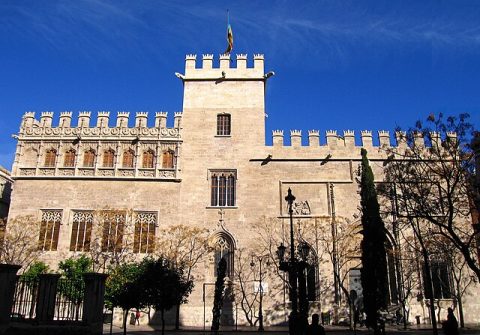
La Lonja de la Seda (Silk Exchange)
A UNESCO World Heritage Site and masterpiece of late Gothic civil architecture, La Lonja was built between 1482-1533 as a silk trading center. The Columnario Hall features spectacular twisted columns resembling palm trees reaching 17 meters high. The building represents Valencia's golden age of commerce. Don't miss the Consolat del Mar with its magnificent coffered ceiling and the Orange Tree Courtyard. The intricate stone carvings and gargoyles throughout showcase exceptional craftsmanship.
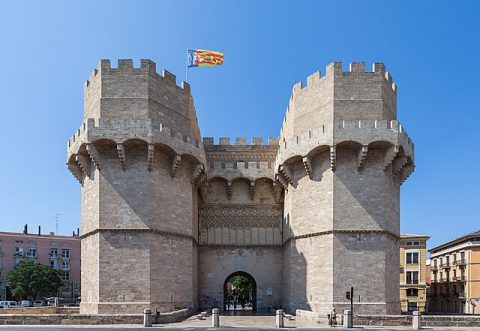
Torres de Serranos
This magnificent 14th-century Gothic gateway once served as the main entrance to Valencia through the medieval city walls. The twin towers feature impressive stone masonry and crenellated battlements. Climb to the top for panoramic views over the old town and Turia Gardens. The towers also served as a prison for nobility during the 16th and 17th centuries. The structure survived as one of only two remaining gates from the original twelve that surrounded Valencia. Free entry on Sundays and holidays.
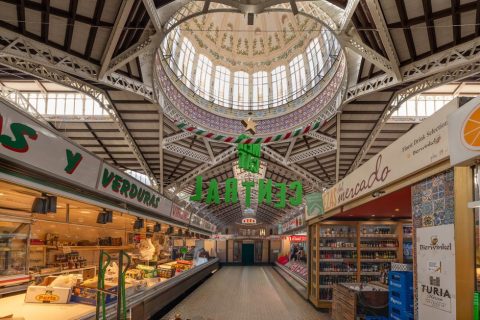
Central Market (Mercado Central)
One of Europe's largest and most beautiful Art Nouveau markets, this 1928 building features stunning stained glass, colorful ceramic tiles, and a spectacular dome. Over 300 stalls offer fresh produce, seafood, meats, and local delicacies. The market is a feast for the senses with vibrant colors, aromatic spices, and lively vendors. The modernist architecture combines wrought iron, glass, and ceramic in typical Valencian style. Perfect for sampling local products or buying ingredients for a picnic.
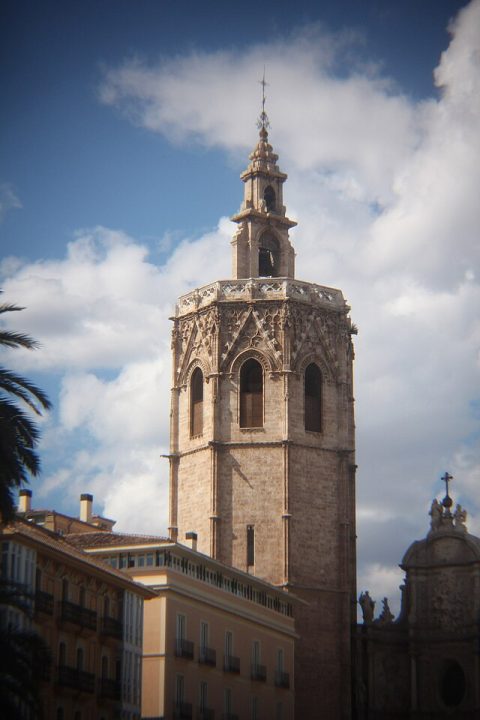
Miguelete Tower (El Micalet)
The iconic Gothic bell tower of Valencia Cathedral stands 51 meters tall and is named after Saint Michael. Built between 1381-1425, the octagonal tower features 207 steps leading to a rooftop terrace with 360-degree views of Valencia. The climb is worth the effort for unparalleled city panoramas. The tower houses eleven bells, with the largest weighing over 3,000 kg. An architectural symbol of Valencia visible throughout the historic center.
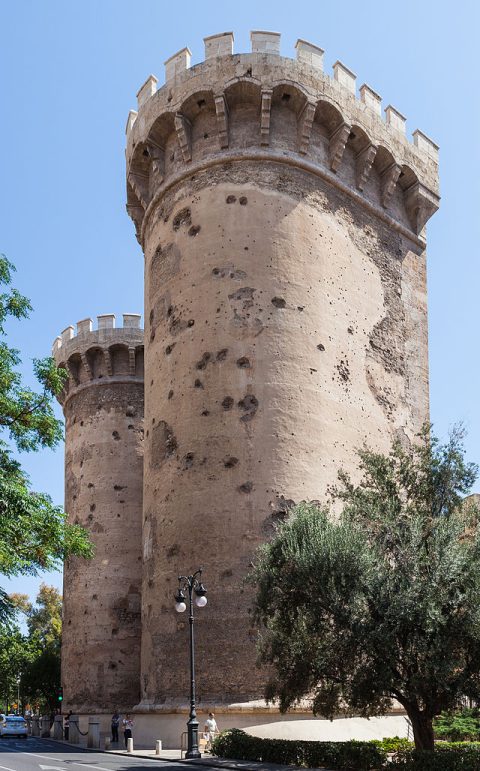
Torres de Quart
The second surviving gate from Valencia's medieval fortifications, the Quart Towers date from 1441 and showcase impressive military Gothic architecture. The western facade still bears visible cannonball impacts from Napoleonic War bombardments. These cylindrical towers are less crowded than Serranos but equally impressive. It became a women's prison in 1623 and a military prison in 1813. Climb the towers for alternative city views and explore the interior chambers that housed guards.
Tips for Landmarks & Monuments
- Purchase combination tickets for City of Arts and Sciences attractions to save money
- Visit Serranos and Quart towers late afternoon for golden hour photography
- Arrive at Central Market early (around 8-9 AM) to see it at its liveliest
- Book City of Arts and Sciences tickets online to skip queues, especially in peak season
- Many monuments offer free entry on Sundays – plan accordingly