Valencia's green spaces include the remarkable Turia Gardens, a 9km park in a former riverbed, plus botanical gardens and urban oases offering respite from city exploration.
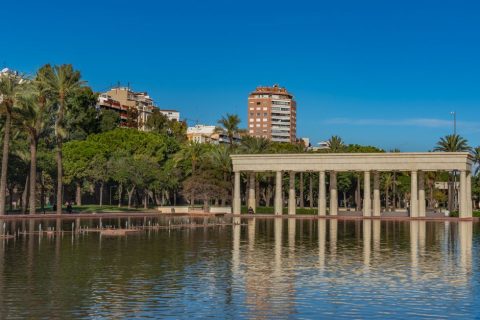
Turia Gardens (Jardín del Turia)
One of Europe's most impressive urban parks, created in a former riverbed after the Turia River was diverted following the 1957 flood (main works completed in 1969). This 9-kilometer green ribbon runs through the city from Bioparc to the City of Arts and Sciences. Features playgrounds, sports facilities, fountains, bridges, and cultural venues. Perfect for walking, jogging, cycling (with dedicated bike lanes), or picnicking. The park includes Gulliver Park where children can climb on a giant Gulliver figure. Sections vary from naturalistic to formal gardens. The Music Palace and Palau de les Arts are located here. Truly transformative urban planning that gave Valencia exceptional public space.
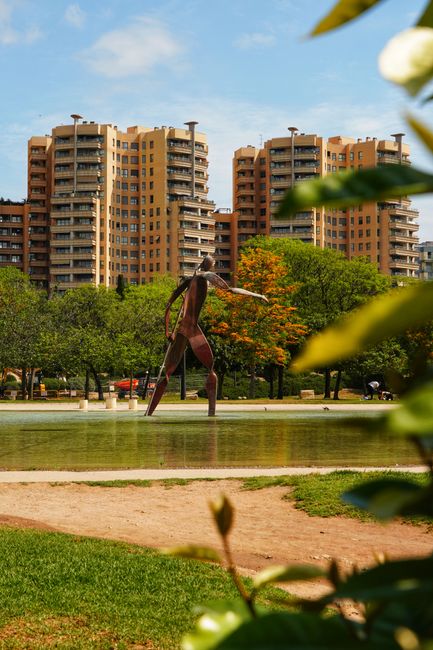
Gulliver Park (Parque Gulliver)
A unique playground within Turia Gardens featuring a giant Gulliver figure lying on the ground that children can climb using slides, ramps, and stairs. The 70-meter-long sculpture references Gulliver's Travels and his capture by the Lilliputians. Designed as an interactive sculpture-playground hybrid. Extremely popular with families and free to use. The slides built into Gulliver's body, hair, and clothing create an adventure playground. Surrounded by Turia Gardens' green space. Best visited on weekday mornings to avoid crowds. Adults enjoy the creative design as much as children appreciate the play opportunities.
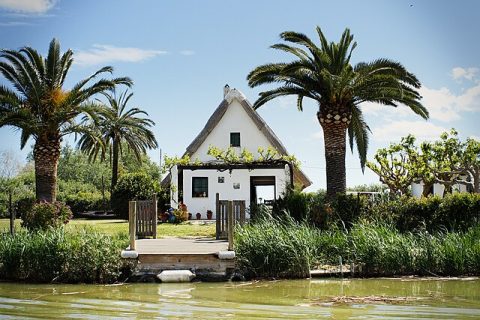
Albufera Natural Park
A large freshwater lagoon and wetland ecosystem 10km south of Valencia, famous for rice cultivation and wildlife. The park covers 21,000 hectares including the lagoon, rice fields, and coastal dunes. This is where authentic Valencian paella originated, using locally grown rice and lagoon ingredients. Boat rides on the lagoon at sunset are magical. Birdwatching opportunities with over 300 species. Traditional barracas (thatched cottages) dot the landscape. Several villages around the lagoon serve exceptional paella. El Palmar is the main access point. Visit in spring when rice fields flood or autumn at harvest. Essential for understanding paella's origins and Valencia's agricultural heritage.
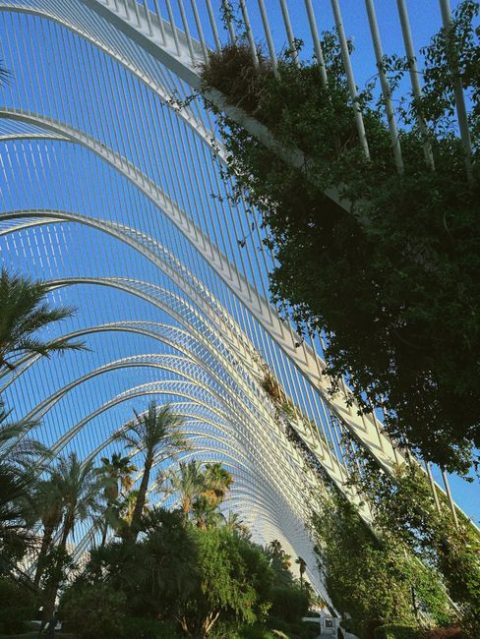
Botanical Garden (Jardín Botánico)
A historic botanical garden established in 1567 by the University of Valencia for medicinal plant study. The 4.5-hectare garden features over 3,000 plant species including tropical greenhouses, cacti, palms, and medicinal plants. The shaded paths and diverse plantings create a peaceful oasis in the city. The Victorian-era greenhouses are particularly beautiful. Educational signage explains plant origins and uses. The garden combines scientific research with public enjoyment. Especially pleasant in spring when many species bloom. An underrated attraction perfect for nature lovers and those seeking tranquility. Reasonable entry fee and central location near old town.
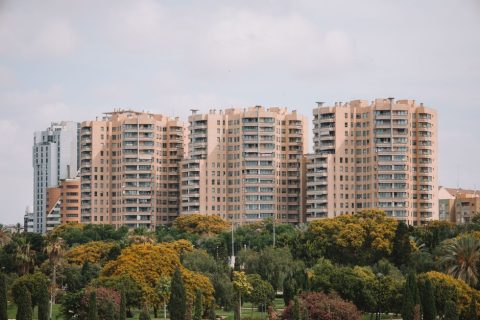
Royal Gardens (Jardines del Real / Viveros)
Valencia's largest park, commonly called Viveros, covers 168,000 square meters with magnificent tree-lined paths, rose gardens, and peacocks roaming freely. Originally royal gardens, now public space beloved by locals. Features include ancient trees, fountains, playground areas, and the Natural Science Museum. The rose garden blooms spectacularly in spring. Popular for jogging, picnics, and family outings. The park hosts outdoor concerts and events. Shaded paths provide relief on hot days. More authentic and less touristy than other gardens. Perfect for morning walks or afternoon relaxation away from crowds.
Tips for Parks & Gardens
- Rent bikes to explore the full length of Turia Gardens – multiple rental points available
- Visit Gulliver Park on weekday mornings (10 AM) to avoid crowds
- Botanical Garden is coolest in early morning or late afternoon – bring water
- For Albufera, book sunset boat tours in advance, especially weekends
- Combine Albufera visit with paella lunch at El Palmar village restaurants