Valencia's museum scene ranges from world-class fine arts collections to innovative science exhibitions. The city celebrates both its historical artistic heritage and commitment to contemporary culture and technology.
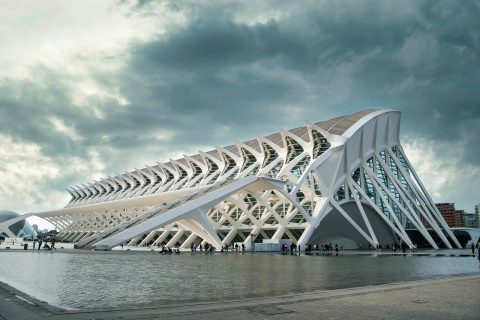
L'Oceanogràfic
Europe's largest aquarium, home to more than 27,000 animals of 750 species. The complex features distinct marine ecosystems including Mediterranean, Arctic, Antarctic, tropical seas, and wetlands. Highlights include the underwater tunnel through the shark tank, beluga whales, walruses, and the dolphin show. The architecture by Félix Candela features spectacular concrete shell structures. The Red Sea exhibition and penguin habitat are particularly impressive. Allow ample time to explore all pavilions. Perfect for families and marine life enthusiasts.
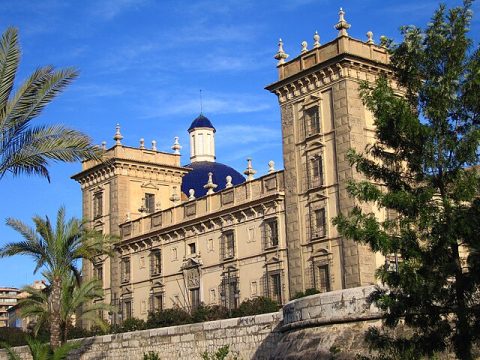
Museum of Fine Arts of Valencia (Museo de Bellas Artes)
Spain's second most important fine arts museum after the Prado, housed in a 17th-century baroque seminary. The collection features exceptional works by Velázquez, Goya, El Greco, and Sorolla, plus medieval altarpieces and Valencian Gothic masters. The gallery dedicated to Joaquín Sorolla showcases Mediterranean light and landscapes beautifully. Also features notable archaeological artifacts and sculptures. The museum underwent extensive renovation and offers a comprehensive journey through Spanish art history. Entry is free, making it an excellent value attraction.
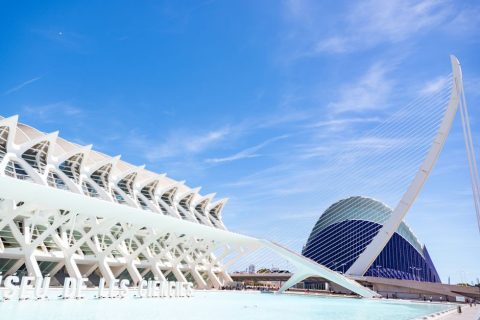
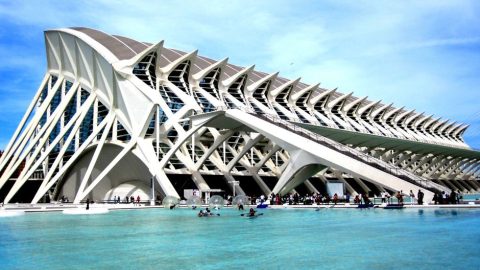
Prince Felipe Science Museum
An interactive science museum within the City of Arts and Sciences complex, with three floors of hands-on exhibits. Explore topics including genetics, astronomy, climate change, and human biology through engaging displays. The building itself, designed by Santiago Calatrava, resembles a whale skeleton. Particularly popular with families and children. Special exhibitions change regularly, covering cutting-edge scientific developments. The rooftop offers spectacular views of the entire arts complex. Educational and entertaining for all ages.
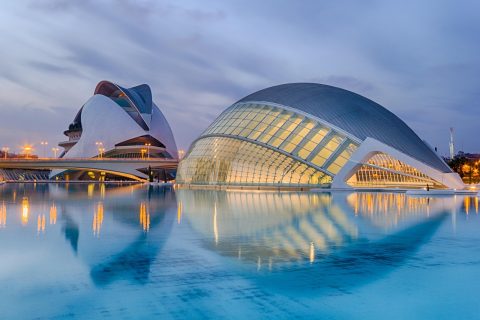
IVAM (Institut Valencià d'Art Modern)
Valencia's premier contemporary art museum features 20th and 21st-century works with focus on avant-garde movements. The permanent collection includes significant holdings of Julio González sculptures and works by Miró, Picasso, and other modernist masters. Rotating exhibitions showcase international contemporary artists. The museum also explores the relationship between art, design, and photography. Located near the historic center, the building combines modern exhibition spaces with portions of Valencia's medieval walls, visible in the basement.
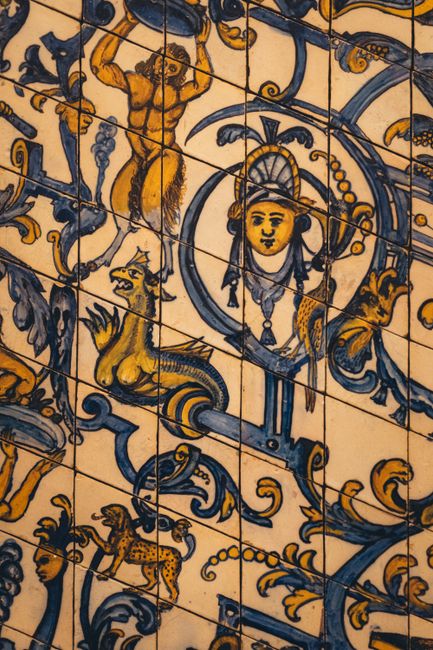
National Museum of Ceramics (González Martí)
Housed in the spectacular Rococo Palacio del Marqués de Dos Aguas, this museum showcases Spain's finest ceramic and porcelain collection. The palace entrance features an extraordinary alabaster portal. Collections span from medieval Valencian tiles to contemporary ceramic art, including works by Picasso. Valencia has a rich ceramic tradition, particularly from nearby Manises. The museum displays historical Valencian tiles, Asian porcelain, and decorative arts. The palace itself, with its ornate interior decoration, is as impressive as the collections.
Fallero Museum
Dedicated to Valencia's famous Las Fallas festival, this museum preserves ninots (festival figures) saved from the flames since 1934. Each year, two figures are chosen by public vote to be saved: one from the main fallas and one from the children's fallas. The collection showcases the evolution of Fallas art, from traditional to contemporary satirical sculptures. Understand Valencia's most important cultural tradition through these preserved artworks. The museum offers context about the festival's history, traditions, and social significance. Essential for understanding Valencian identity and culture.
Tips for Museums & Galleries
- Museum of Fine Arts is free – don't miss this excellent collection
- Purchase combination tickets for Science Museum and Oceanogràfic to save 15-20%
- Visit IVAM on Sundays for free entry
- Oceanogràfic requires 3-4 hours minimum – don't underestimate the size
- Book aquarium tickets online to avoid long queues, especially during school holidays