Museums across the peninsula hold some of Greece's most significant archaeological finds, from Mycenaean gold to Olympic Games artifacts.
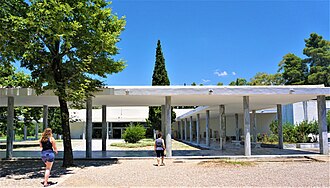
Archaeological Museum of Olympia
Steps from the ancient sanctuary itself, this museum houses treasures recovered from Olympia's excavations, including the Hermes of Praxiteles, monumental sculptures from the Temple of Zeus pediments, and bronze offerings left by ancient athletes and pilgrims. Well-organized displays trace the site's religious and sporting significance across more than a thousand years of continuous use.
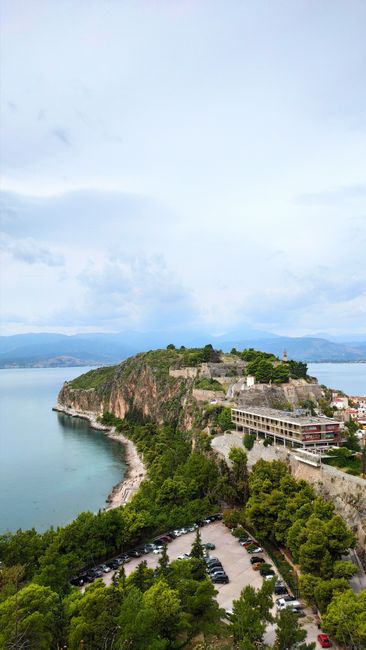
Archaeological Museum of Nafplio
Housed in a handsome 18th-century Venetian building on Nafplio's main square, this museum displays finds from across the Argolid, including a remarkable full suit of Mycenaean bronze armor, one of the oldest known in Europe, alongside pottery, figurines, and jewelry spanning the Neolithic to Mycenaean periods.
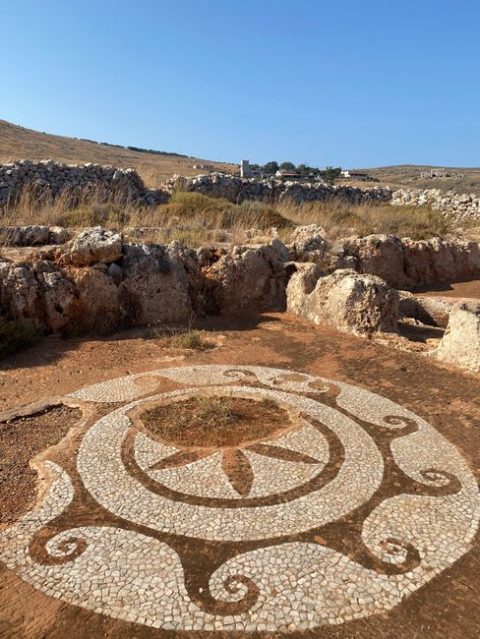
Mycenae Archaeological Museum
This compact on-site museum complements the ruins of Mycenae above it, displaying replicas of the famous gold funeral masks (the originals are in Athens), along with pottery, seal stones, and everyday objects that bring the palace's Bronze Age daily life into focus alongside its monumental architecture.
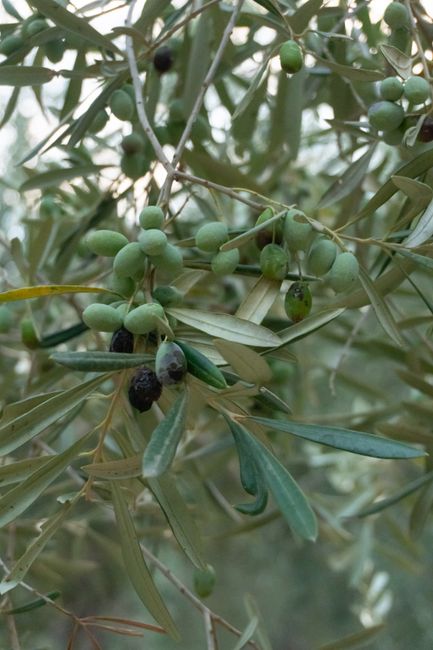
Museum of the Olive and Greek Olive Oil
In Sparta, this well-curated museum traces 5,000 years of olive cultivation in Greece, from ancient stone presses to modern industrial equipment, explaining the fruit's central role in the region's economy, cuisine, and religious rituals (olive oil once fueled the flame at Olympia's ancient altar).
Tips for Museums & Galleries
- Buy the combined ticket at Olympia, it covers the museum and archaeological site together
- The original Mycenae gold masks are in the National Archaeological Museum in Athens, not on-site