Beyond the porticoed showpieces, Bologna keeps a quieter set of treasures for those willing to wander a few streets off the main squares. These spots reward curiosity with Roman ruins under glass, forgotten cemeteries turned open-air museums, and a jazz club where the city still swings after dark.
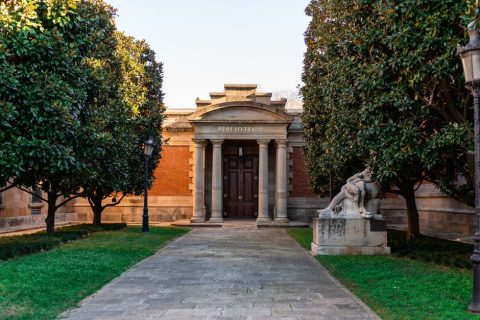
Biblioteca Salaborsa
Tucked inside the former stock exchange building just steps from Piazza Maggiore, this public library hides one of the citys best-kept secrets: a glass floor suspended over excavated Roman and medieval ruins. Locals come here to read, study, or simply escape the heat, and most tourists walk right past the unassuming entrance. Admission is completely free, and the vaulted, frescoed reading rooms upstairs are as beautiful as any palazzo. Descend to the underground archaeological walkway to see foundations dating back over two thousand years, then climb to the rooftop terrace for a rarely photographed view across the citys rooftops. Its an ideal rainy-day stop that combines history, architecture, and civic life in a single, low-key visit that costs nothing but time.
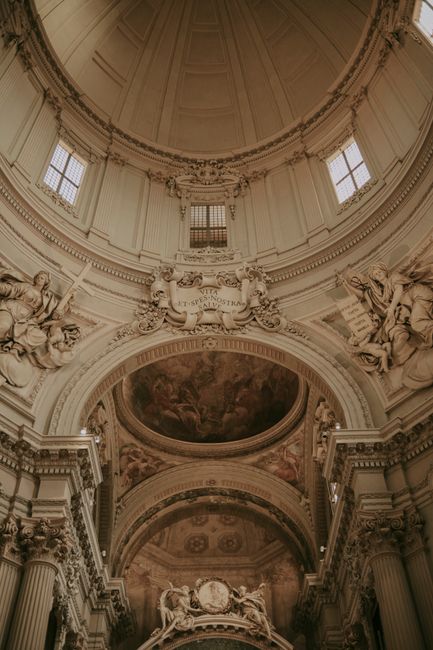
Chiesa di Santa Maria della Vita
This unassuming Baroque church a short walk from the Quadrilatero holds one of the most emotionally intense sculptures in Italy: the Compianto sul Cristo Morto, a life-size terracotta group from the late 1400s depicting figures mourning over the dead Christ with raw, almost theatrical anguish. Few guidebooks give it more than a passing mention, yet art historians rank it among the great achievements of Renaissance sculpture. The oval-domed interior itself is worth lingering in, with soft light falling across gilded altars. Visits rarely take more than half an hour, making this an easy addition for travelers who want a jolt of genuine artistic power without the queues of the citys headline museums. Entry is inexpensive and the space is almost always peaceful.
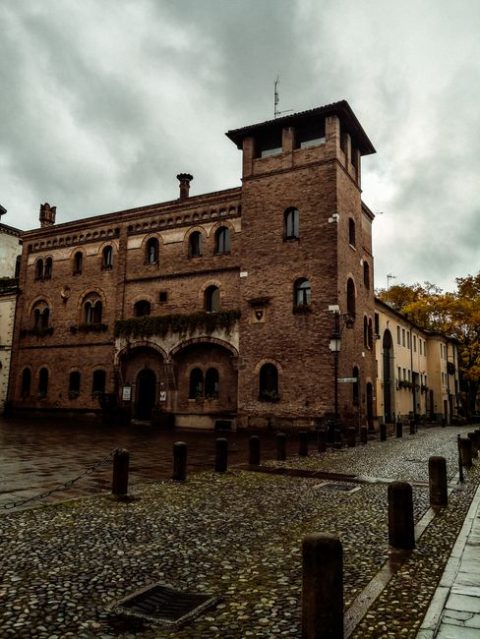
Palazzo Poggi Museum
Housed in a Renaissance palace that once served as the universitys headquarters, this eclectic science museum is packed with anatomical wax models, obstetric mannequins, nautical instruments, antique globes, and military architecture displays assembled by scholars over four centuries. The collection feels wonderfully unfiltered, more cabinet of curiosities than polished exhibition, and the frescoed ceilings depicting exploration and discovery are reason enough to visit. Because it sits slightly apart from the main university buildings on Via Zamboni, even students often overlook it. Highlights include a startlingly detailed wax Venus used for teaching anatomy and a room devoted to the history of obstetrics. Give yourself time to wander multiple floors, as the museum spans everything from natural history to military engineering models built for teaching purposes.
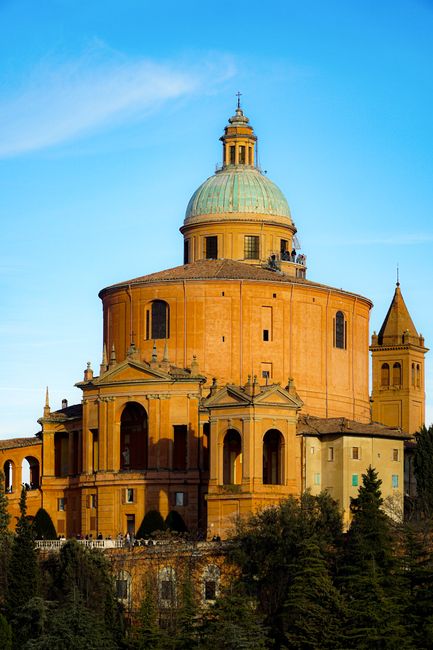
Certosa di Bologna Monumental Cemetery
Built within a former Carthusian monastery, this sprawling monumental cemetery functions as an open-air sculpture gallery that almost no visitor puts on their itinerary. Wander its cloisters and colonnades and youll find elaborate neoclassical and Art Nouveau tombs, allegorical statues, and family chapels commissioned by Bolognas wealthiest families over two centuries. Composer Gioachino Rossini was originally buried here before his remains were moved to Florence, and the site remains an active cemetery today, giving it a lived-in, unpolished atmosphere rather than a museum feel. Bring a camera for the faded frescoes and weathered marble, and allow time to simply get lost among the porticoed galleries. It sits a short bus ride from the center, past San Michele in Bosco, and rewards visitors with near-total solitude.
Tips for Hidden Gems
- Salaborsa and Santa Maria della Vita are both free or near-free, making them easy add-ons between bigger sights.
- The Certosa cemetery is best reached by city bus rather than on foot, as its a few kilometers from the center.
- Book a table at Cantina Bentivoglio in advance for weekend evenings, since seating is limited.
- Palazzo Poggi Museum sometimes requires a guided visit for certain rooms, so check the schedule before arriving.