Bologna's magnificent squares and porticoed streets form the social and architectural heart of the city, where daily life unfolds beneath kilometers of historic arcades that have earned UNESCO World Heritage status.
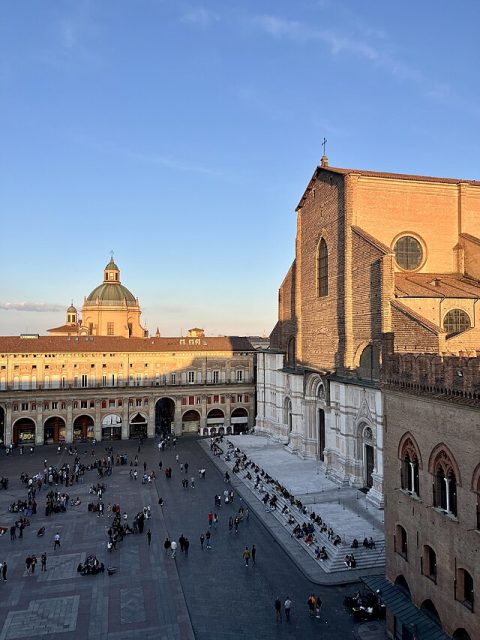
Piazza Maggiore
Piazza Maggiore, Bologna's civic center since the 13th century, is surrounded by medieval and Renaissance landmarks: the massive Basilica of San Petronio, Palazzo Comunale, Palazzo dei Banchi, and Palazzo del Podestà. The vast trapezoidal space hosts markets, gatherings, and the evening passeggiata. Throughout the day, it transforms from morning cafes to student lounging to evening crowds. Summer brings outdoor cinema and concerts, making it Bologna's vibrant heart.

The Porticoes of Bologna (UNESCO)
Bologna's porticoes form the world's most extensive covered walkways 62 kilometers total, 38km in the center earning UNESCO World Heritage status (2021). Beginning in the Middle Ages as expanded living space, they became universal through city statutes. Styles range from medieval wooden posts to baroque arches. The Portico di San Luca stretches 3.8km uphill with 666 arches. These covered streets create unique urban rhythm, enabling social life regardless of weather.
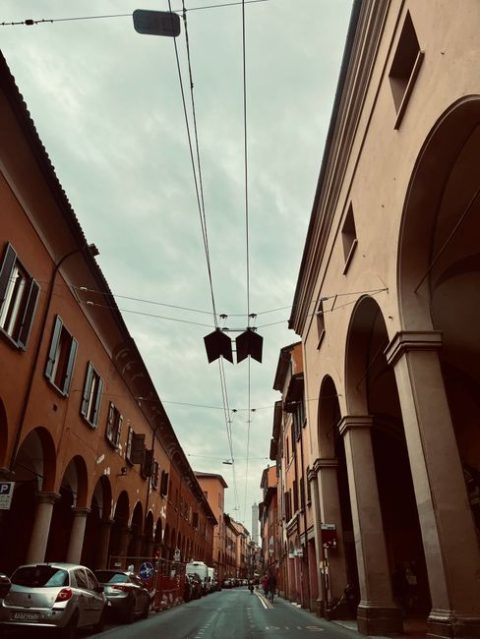
Quadrilatero Market District
The Quadrilatero, Bologna's historic market district since the Middle Ages, features medieval streets named after ancient trades: Via Pescherie Vecchie (Fish), Via Drapperie (Cloth), Via Clavature (Nails). Today it remains a vibrant food market with vendors selling Parmigiano-Reggiano, prosciutto, fresh pasta, and regional wines. Traditional shops like Tamburini operate alongside artisan boutiques, wine bars, and trattorias, creating authentic Bolognese gastronomic atmosphere.
Tips for Squares & Streets
- Visit the Quadrilatero market weekday mornings (9am-1pm) for the full authentic experience
- The Portico di San Luca pilgrimage walk takes 1-2 hours uphill – wear comfortable shoes and bring water
- Evening in Piazza Maggiore is perfect for people-watching – grab gelato and sit on San Petronio's steps
- Many shops in the Quadrilatero close on Sunday afternoons and Mondays
- Download a porticoes walking map from Bologna Welcome to explore different architectural styles