Vilnius' central location makes it an ideal base for exploring Lithuania's diverse attractions, from medieval castles to natural wonders, Soviet history sites, and charming towns showcasing different facets of Lithuanian heritage and landscape.
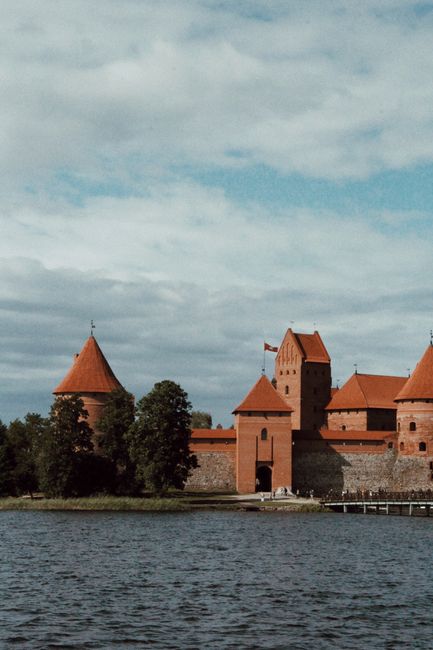
Trakai Island Castle
Lithuania's most iconic castle and most visited tourist attraction outside Vilnius, Trakai sits majestically on an island in Lake Galvė, 28km west of the capital. This 14th-century Gothic castle served as a strategic stronghold for the Grand Dukes of Lithuania. The picturesque setting – red brick castle rising from blue waters surrounded by forests – creates fairy-tale atmosphere. Inside, explore the castle museum detailing medieval Lithuanian history, weaponry, and the unique Karaim culture (Turkic people brought by Grand Duke Vytautas). The charming town features wooden Karaim houses and restaurants serving traditional kibinai pastries. Activities include boat rentals, lakeside walks, and water sports. Winter transforms the frozen lakes into magical ice landscapes. Essential day trip accessible by car (30 min), bus, or organized tours.
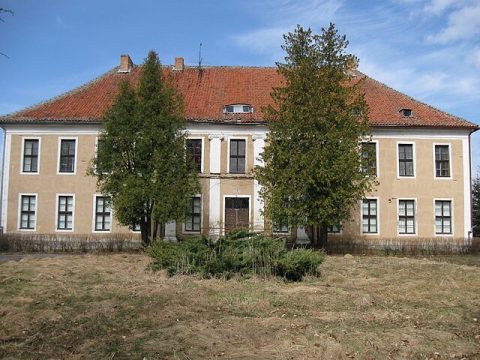
Paneriai Memorial (Ponary)
Located 10km from Vilnius center, Paneriai (Ponary) Memorial marks the site where Nazis and Lithuanian collaborators murdered approximately 100,000 people, primarily Jews, during WWII. This forest became a killing ground where Vilnius' Jewish community was systematically exterminated. The site features memorials, mass grave markers, and a small museum documenting the atrocities. Walking paths through the peaceful forest create haunting contrast with the horrific history. The memorial is essential for understanding the Holocaust in Lithuania and Vilnius' transformation from the 'Jerusalem of the North' to a city that lost nearly its entire Jewish population. Visiting requires emotional preparation but provides crucial historical understanding. Accessible by public transport or taxi.
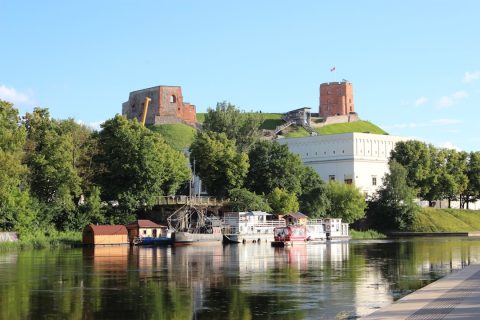
Kernavė Archaeological Site - UNESCO World Heritage
Located 35km northwest of Vilnius, Kernavė preserves Lithuania's earliest history as the medieval capital before Vilnius. This UNESCO site features five impressive hill forts rising above the Neris River valley, with archaeological evidence spanning 10,000 years from Paleolithic settlements through medieval periods. The hilltops offer stunning valley views. An excellent museum displays artifacts discovered during excavations. Each July, Kernavė hosts a popular medieval festival with jousting, crafts, and historical reenactments. The site beautifully demonstrates Lithuania's deep historical roots and strategic importance. Less touristy than Trakai, Kernavė appeals to history enthusiasts and those seeking authentic archaeological experiences in natural settings. Accessible by car or organized tours.
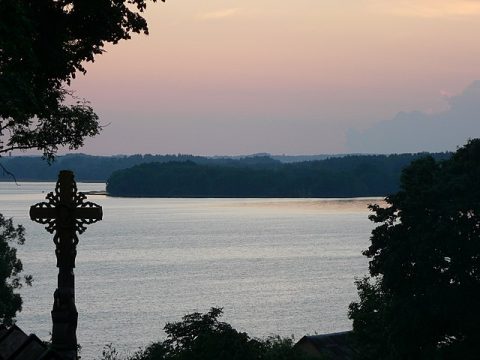
Aukštaitija National Park
Lithuania's oldest national park (120km from Vilnius) offers pristine nature with over 100 lakes, dense forests, traditional villages, and outdoor activities. The park preserves traditional Lithuanian rural life alongside natural beauty. Highlights include Ladakalnis hill fort viewpoint, ethnographic villages, ancient beekeeping traditions, and water routes connecting lakes. Activities include hiking, cycling, canoeing, swimming, and wildlife watching. The park features camping areas, traditional guesthouses, and local cuisine. Perfect escape for nature lovers seeking authentic Lithuanian countryside, traditional wooden architecture, and outdoor recreation. Best visited May-October; requires car for accessibility. Allow full day or overnight to fully experience the park's offerings.
Hill of Crosses (Šiauliai)
230km from Vilnius, the Hill of Crosses is one of Lithuania's most powerful pilgrimage sites – a small hill covered with thousands upon thousands of crosses, crucifixes, and religious carvings. The exact origin is unknown, but the site represents Lithuanian Catholic faith and resistance, especially during Soviet occupation when authorities repeatedly removed crosses only to have them mysteriously reappear overnight. Today, over 100,000 crosses create an overwhelming visual and spiritual experience. Pope John Paul II visited in 1993, further cementing the site's significance. The atmosphere is both haunting and hopeful. While distant from Vilnius, the Hill of Crosses offers unique Lithuanian cultural-spiritual experience. Best combined with visiting Šiauliai city or as part of multi-day northern Lithuania tour.
Grūtas Park (Stalin World)
130km from Vilnius, this unusual open-air museum displays Soviet-era statues and propaganda collected from throughout Lithuania after independence. The controversial park, nicknamed 'Stalin World,' features dozens of Lenin, Stalin, and Soviet monument statues along wooded paths, creating a surreal sculpture garden of toppled communist iconography. The site includes watchtowers, barbed wire, Soviet-era music, and exhibitions about deportations and occupation. While critics question whether the park trivializes suffering, supporters argue it preserves history and allows reflection on totalitarianism. The park offers unique, provocative experiences unavailable elsewhere. Combined with nearby Druskininkai spa town for full-day excursion. Requires car or organized tour; not easily accessible by public transport.
Tips for Day Trips & Excursions
- Trakai timing: Arrive early (before 10am) or late afternoon to avoid peak crowds and tour groups
- Transportation: Rent a car for flexibility; otherwise book organized day tours for distant sites
- Seasonal considerations: Many nature sites are best May-September; winter reduces accessibility but offers unique beauty
- Combination tours: Some operators offer multi-site day trips combining Trakai and Kernavė
- Pack appropriately: Bring layers, comfortable shoes, and weather protection for outdoor sites