Vilnius' neighborhoods each possess distinct character, from the UNESCO-protected medieval Old Town to the bohemian artist republic of Užupis, reflecting the city's evolution through baroque grandeur, Soviet occupation, and contemporary creative renaissance.
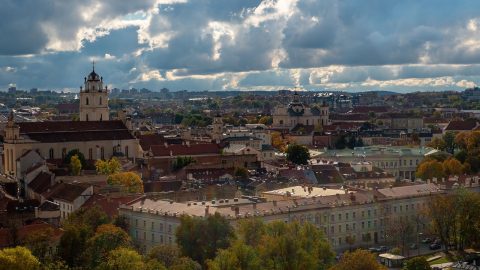
Old Town (Senamiestis) - UNESCO World Heritage Site
Vilnius Old Town is one of Europe's largest surviving medieval quarters, encompassing nearly 2,000 buildings spanning Gothic, Renaissance, Baroque, and Neoclassical periods. The UNESCO-listed district features labyrinthine cobblestone streets, hidden courtyards, and over 40 churches creating a remarkably harmonious architectural ensemble. Unlike many European old towns, Vilnius avoided major wartime destruction, preserving authentic medieval urban fabric. Wander narrow lanes like Pilies Street (the main artery), discover Literatų Street with its wall art honoring Lithuanian writers, explore atmospheric courtyards, and stumble upon countless cafés and artisan shops. The Old Town rewards aimless wandering – allow time to get pleasantly lost in this living museum where history breathes through every building.
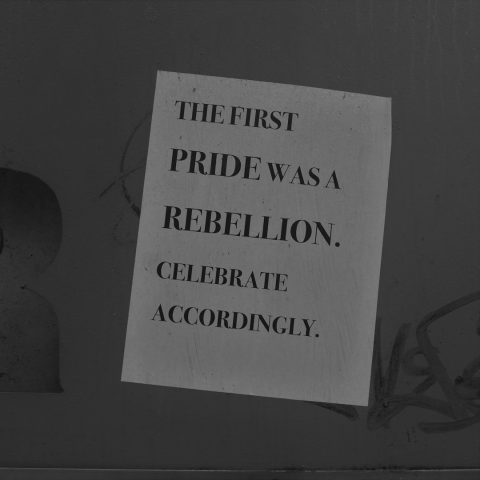
Užupis - The Independent Artists' Republic
Meaning 'beyond the river', Užupis is Vilnius' bohemian soul – a self-declared independent republic (tongue-in-cheek, but serious about artistic freedom) complete with its own constitution, president, flag, and army. After Lithuania's independence, cheap rents attracted artists to this formerly run-down district across the Vilnia River. The neighborhood transformed into a creative haven filled with galleries, studios, quirky sculptures, and the iconic Angel of Užupis statue blowing a trumpet. The district's constitution, posted on walls in 40+ languages, declares rights like 'Everyone has the right to be happy' and 'A cat has the right to be a cat.' Cross the bridge, get your 'passport stamp', explore street art, visit eccentric cafés, and soak in the free-spirited atmosphere. The area celebrates its independence day on April 1st with festivities.
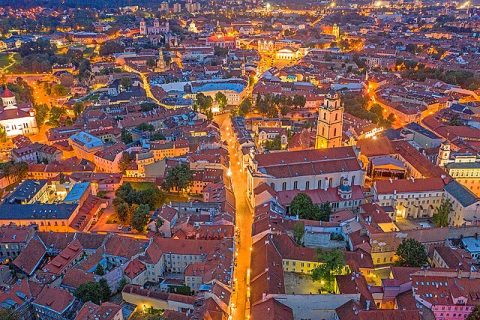
Pilies Street (Castle Street)
The main artery of Old Town, Pilies Street runs from Cathedral Square toward the Town Hall, historically connecting Vilnius Castle to Poland and Russia. This pedestrian cobblestone street pulses with life, lined with colorful buildings housing restaurants, cafés, souvenir shops, art galleries, and street performers. Medieval buildings feature intricate architectural details worth examining. The street showcases Vilnius' architectural evolution and serves as the perfect introduction to Old Town's character. Watch for plaques indicating historic buildings and former resident notables. Prime people-watching territory, especially summer evenings when outdoor terraces buzz with activity.
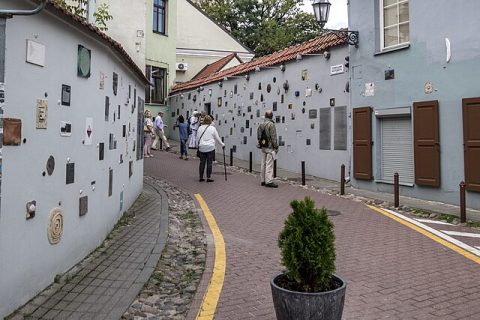
Literatų Street (Literature Street)
A charming side street transformed into an open-air tribute to Lithuanian literature and writers. Building walls display artistic installations, plaques, and sculptures honoring Lithuanian poets, novelists, and literary figures from the creator of the first Lithuanian book to contemporary authors. Each artwork is unique, created by different artists interpreting the writers' work. The street exemplifies Vilnius' creative spirit and provides insight into Lithuanian literary tradition. Located just off Pilies Street, this quiet lane offers a contemplative contrast to tourist bustle. Art and literature enthusiasts should not miss this unique cultural walkway.
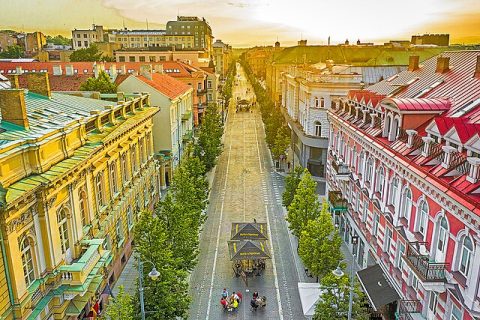
Gediminas Avenue
Vilnius' main boulevard connects Cathedral Square to the modern city center, blending historic and contemporary Vilnius. This elegant tree-lined avenue features Neoclassical and Soviet-era architecture, upscale shops, restaurants, and cultural institutions. The Lithuanian National Drama Theatre, government buildings, and shopping centers line the route. The avenue is closed to traffic on weekends, becoming a pedestrian promenade. Watch for the changing of the guard at the Presidential Palace. Gediminas Avenue represents modern Lithuania while honoring its complex past, making it ideal for understanding how Vilnius bridges tradition and contemporary European urban life.
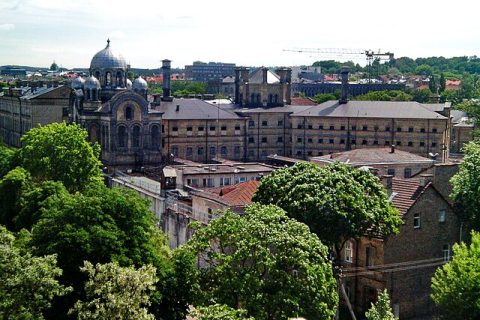
Lukiškės Prison 2.0
For 115 years, Lukiškės was Lithuania's most notorious prison, housing political prisoners, criminals, and dissidents behind high walls and barbed wire. Closed as a prison, the complex has been transformed into a vibrant cultural hub called Lukiškės Prison 2.0, housing 250+ artists, designers, musicians, and creatives in former cells. The site now features galleries, studios, performance spaces, cafés, and museums including exhibitions about prison history. This bold adaptive reuse project symbolizes Lithuania's transformation. Visitors can explore prison yards now filled with street art, attend concerts and events, and witness how Vilnius turns difficult history into creative energy. The transformation from dark past to artistic future embodies the city's forward-looking spirit.
Tips for Neighborhoods & Districts
- Free walking tours: Excellent free tours of Old Town depart daily from Cathedral Square at 10am and 12pm (tip-based)
- Get lost intentionally: Old Town's magic lies in wandering its maze of streets and discovering hidden courtyards
- Užupis visiting: Cross the bridge for the full experience; look for constitution walls and 'passport stamps' at cafés
- Evening atmosphere: Old Town comes alive at dusk with lit churches and bustling outdoor cafés
- Wear comfortable shoes: Cobblestones are charming but tough on feet – proper footwear essential