Vilnius earned the nickname 'City of Churches' with over 40 active places of worship representing Catholic, Orthodox, Lutheran, and other traditions. The architectural diversity spans Gothic, Baroque, Renaissance, and Neoclassical styles, reflecting Lithuania's complex religious history and position at the crossroads of Catholic and Orthodox worlds.
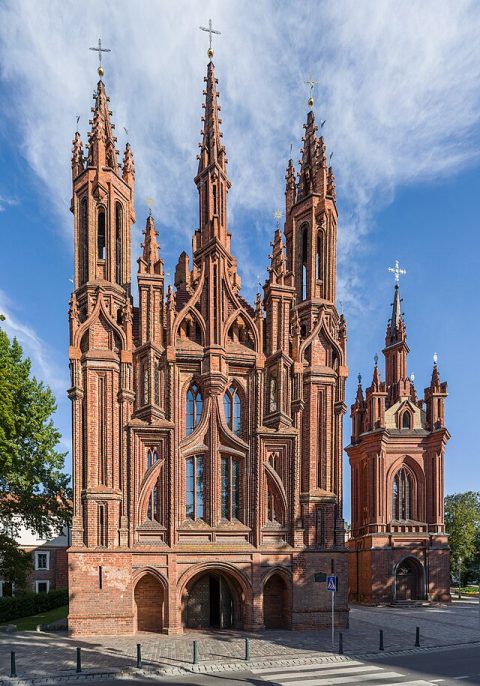
St. Anne's Church
An absolute masterpiece of Gothic architecture, St. Anne's Church is Vilnius' most photographed building and architectural jewel. Built in the late 15th century using 33 different types of clay bricks in flamboyant Gothic style, the façade features intricate brick patterns, soaring spires, and delicate tracery. Napoleon supposedly said he wished he could carry it back to Paris on the palm of his hand. The church has survived 500 years of wars, fires, and occupations. The relatively simple interior lets the exterior artistry shine. Adjacent Bernardine Church forms a harmonious ensemble. Free admission makes this a must-see for architecture lovers.
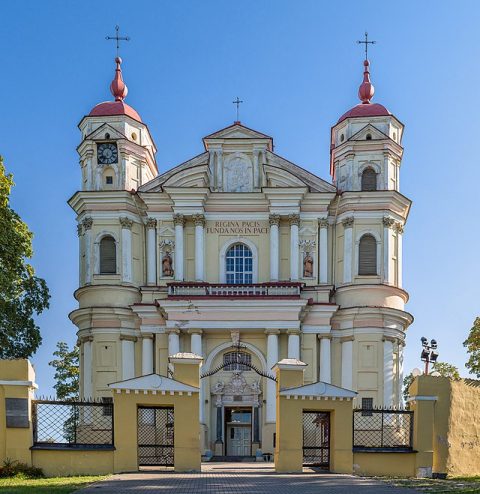
Church of St. Peter and St. Paul
Often called the 'pearl of Baroque', this 17th-century church features one of Europe's finest Baroque interiors with over 2,000 white stucco figures covering walls and ceilings. The sculptures depict biblical scenes, saints, mythological figures, and allegories in breathtaking detail. Master Italian craftsmen spent decades creating this ethereal white-on-white wonderland. The exterior's modest appearance contrasts dramatically with the opulent interior. The church represents the Catholic Counter-Reformation's artistic ambitions. Allow time to absorb the overwhelming sculptural richness – many miss details on first glance. Widely considered Vilnius' most beautiful church interior.
St. John's Church & Bell Tower (Vilnius University)
Part of Vilnius University complex, St. John's Church combines Gothic and Baroque elements with a soaring 68-meter bell tower that was Vilnius' tallest structure for centuries. Built over 400 years ago, the church interior features impressive vaulted ceilings and ornate decorations. The major attraction is climbing the bell tower for what many consider the best view of Vilnius Old Town – better than Gediminas Tower as you're right in the heart of red-tiled roofs and church spires. The tower is accessible May-October; tickets are €5. Expect steep stairs (not fully accessible). The university courtyards surrounding the church are architectural treasures themselves.
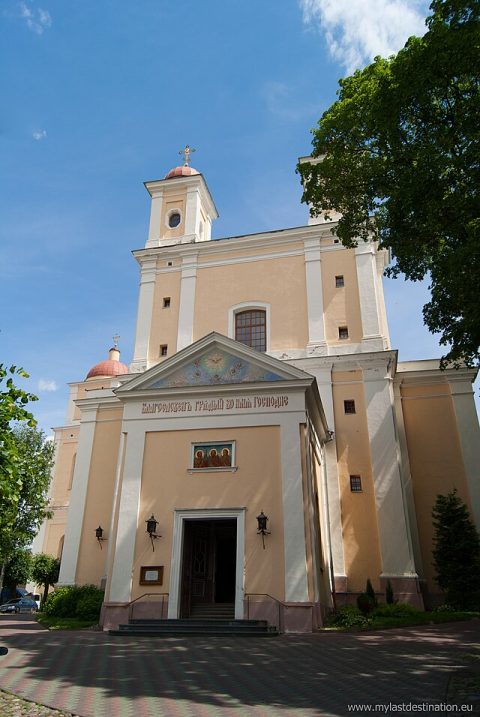
Orthodox Church of the Holy Spirit
This beautiful Orthodox cathedral with distinctive green domes represents Vilnius' Eastern Christian heritage. Built in the 17th century and reconstructed after fires, the church houses the relics of three 14th-century martyrs – Saints Anthony, John, and Eustathius – displayed in glass cases. The interior features traditional Orthodox iconostasis, frescoes, and the unique atmosphere of Eastern Orthodox worship. The church remains an active spiritual center for Vilnius' Orthodox community. Visitors should dress modestly and respect ongoing services and prayer times.
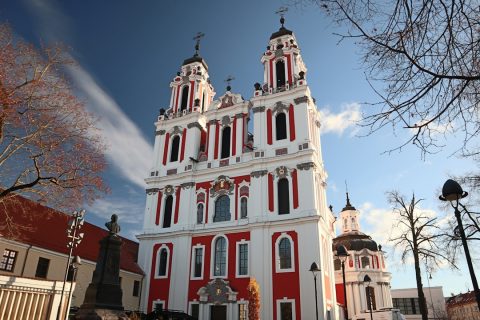
Bernardine Church & Monastery
Adjacent to St. Anne's Church, the late Gothic Bernardine Church and monastery complex dates to the early 16th century. The fortress-like red brick church features defensive elements added during conflicts with Moscow. The interior showcases Gothic ribbed vaulting and remnants of Renaissance frescoes. The monastery buildings now house various cultural institutions. The entire complex, set in beautiful gardens along the Vilnia River, exemplifies late medieval monastic architecture. Together with St. Anne's, this creates one of Vilnius' most photographed architectural ensembles.
Tips for Religious Sites
- Modest dress required: Cover shoulders and knees when visiting churches, especially Orthodox
- Mass times: Visit outside service times for better viewing access and photography
- Free admission: Most churches are free to enter, though donations are appreciated
- Bell tower access: St. John's Bell Tower is only open May-October; go early to avoid crowds
- Photography etiquette: No flash photography; be discreet during services