Bucharest's churches represent centuries of Orthodox Christian tradition, from small medieval gems hidden in courtyards to grand 19th-century cathedrals. These sacred spaces showcase Byzantine-influenced architecture, stunning frescoes, and the resilience of faith through Romania's turbulent history.
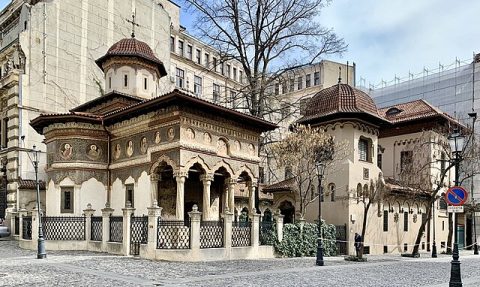
Stavropoleos Monastery
This architectural jewel from 1724 is one of Bucharest's most beautiful religious buildings. Despite its small size, the church features exquisite Brâncovenesc-style architecture with intricate stone carvings, slender columns, and detailed frescoes. The peaceful courtyard offers respite from the busy Old Town. Inside, Byzantine-style paintings cover every surface. The monastery library contains rare religious manuscripts and books. Afternoon light through the windows creates magical ambiance. It's a masterpiece of Romanian religious architecture and a photographer's dream.
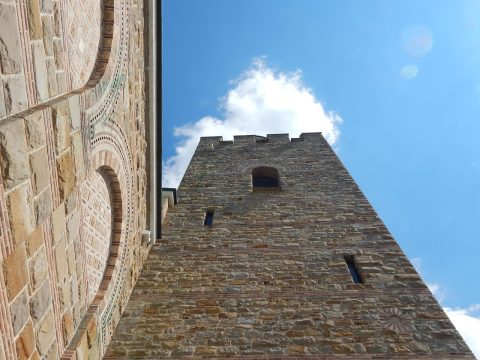
Patriarchal Cathedral
The seat of the Romanian Orthodox Patriarch, this cathedral dates from 1658 and serves as the mother church of Romanian Orthodoxy. The building combines Byzantine and Romanian architectural elements with a distinctive dome and bell tower. Interior frescoes depict biblical scenes and Romanian saints. The cathedral complex includes the Patriarchal Palace and residence. Important religious ceremonies and services are held here. The hilltop location offers views over Bucharest. It remains an active place of worship and pilgrimage.
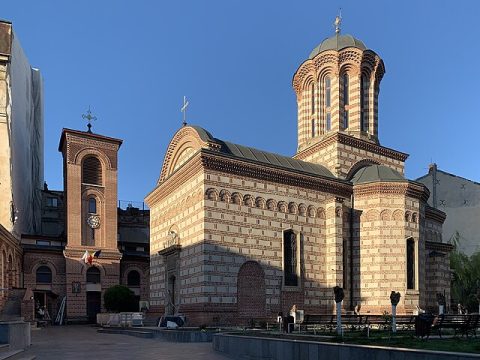
Curtea Veche (Old Princely Court) Church
Founded by Mircea Ciobanul and Lady Chiajna and completed in 1559 on the site of the old princely court, this church is one of Bucharest's oldest surviving structures. The ruins of the Old Princely Court surround it, showing the original foundations of Bucharest's princely residence. The church features medieval architecture with later additions and renovations. The neighbouring Old Princely Court museum is closed for rehabilitation, so plan on the church and the ruins outside only. This site marks the historical heart of Bucharest, where the city was essentially founded. The combination of ruins and active church creates a unique historical atmosphere.
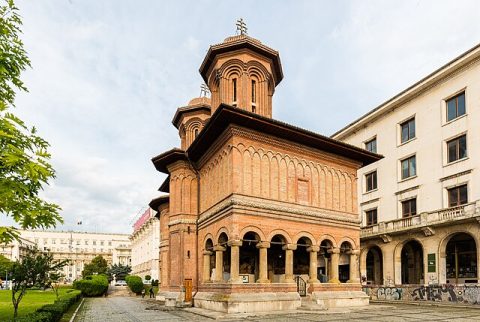
Kretzulescu Church
Located in Revolution Square, this elegant 1720s church survived Ceaușescu's demolition plans. The Brâncovenesc-style architecture features ornate exterior carvings and a beautiful iconostasis inside. Miraculously preserved during the communist systematization that destroyed surrounding buildings, it stands as a symbol of cultural resilience. The contrast between the delicate church and surrounding modernist structures is striking. Well-maintained gardens surround the building. Its central location makes it easy to include in any walking tour.
Tips for Religious Sites
- Dress code: Modest clothing required; women should cover shoulders and knees, headscarves appreciated
- Service times: Churches are active places of worship; avoid visiting during religious services unless participating
- Photography: Generally permitted in courtyards; ask before photographing inside churches
- Sunday visits: Experience authentic Orthodox liturgy on Sunday mornings, but expect crowds