Bucharest's public squares and boulevards tell the story of the city's evolution from medieval trading post to European capital. These spaces host markets, demonstrations, celebrations, and everyday life, serving as the city's living rooms.
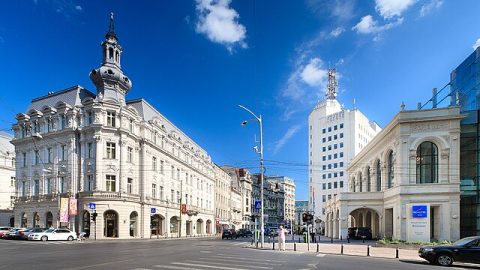
Calea Victoriei
Bucharest's most prestigious street runs from north to south through the city center, lined with Belle Époque buildings, luxury shops, museums, and cafés. Historic landmarks include the Romanian Athenaeum, National Museum of Art, Kretzulescu Church, and Capșa House. The street showcases architectural evolution from 19th-century elegance to 20th-century modernism. Window shopping ranges from international luxury brands to Romanian designers. Multiple museums and galleries line the route. Walking Calea Victoriei provides an excellent overview of Bucharest's history and contemporary culture. Allow several hours for a complete exploration.
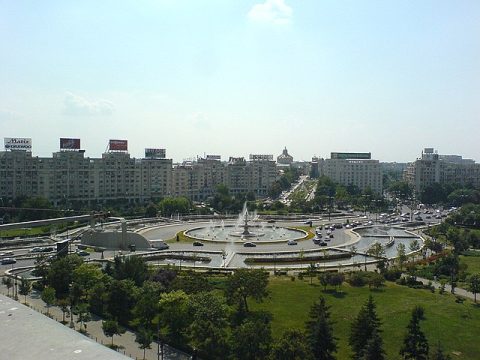
Union Square (Piața Unirii)
This massive plaza was created during Ceaușescu's systematization, demolishing much of Bucharest's historic center. The square features fountains (the Simfonia Apei water shows are suspended while the underground structure is rehabilitated). The multistorey Unirea Shopping Center stands on the square. Unirii Boulevard stretches toward the Palace of Parliament, wider than Paris's Champs-Élysées. The square serves as a major transportation hub and meeting point. While architecturally controversial, it represents a significant period in Bucharest's history. The fountain shows draw crowds on warm evenings and are beautifully lit after dark.
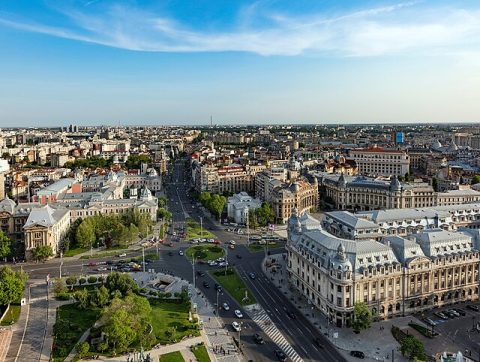
University Square (Piața Universității)
A central hub where major boulevards converge, University Square pulses with urban energy. The University of Bucharest, National Theatre, and Grand Hotel Bucharest (formerly the InterContinental) define the space. Memorial crosses commemorate victims of the 1989 revolution who died here. The square hosts protests, celebrations, and everyday city life. Surrounded by cafés, bookstores, and shops, it's perfect for people-watching. The area stays lively from morning to late evening. Street performers and vendors add color. It's a microcosm of contemporary Bucharest life.

Pasajul Macca-Villacrosse
This charming covered passageway from 1891 features yellow glass and wrought-iron architecture reminiscent of European arcades. Two forked passages shelter cafés with outdoor seating year-round. The intimate scale and architectural details create a romantic atmosphere. Popular with locals and tourists alike for coffee or drinks. Live music occasionally fills the space. The passage connects the Old Town with the banking district. It's particularly beautiful when lit up in the evening. Perfect for a short break during city exploration.
Tips for Squares & Streets
- Photography: Calea Victoriei is best photographed in morning light; arrive early for fewer crowds
- Café culture: Macca-Villacrosse Passage is perfect for experiencing Bucharest's coffee culture in historic surroundings
- Walking tours: Self-guided walks connecting these squares reveal Bucharest's historical layers and urban evolution