Things to do in Bucharest
Bucharest's most iconic structures tell the story of Romania's complex history, from medieval foundations to Belle Époque grandeur and communist monumentalism. These landmarks define the city's unique architectural character.
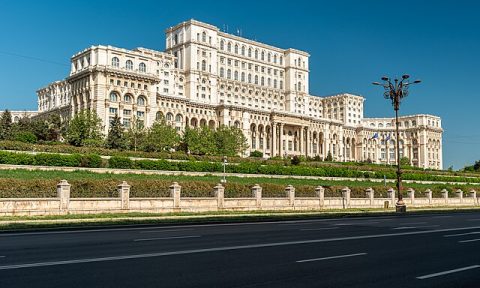
The world's second-largest administrative building after the Pentagon, this colossal structure is Ceaușescu's most controversial legacy. Built with one million cubic meters of marble, 3,500 tons of crystal, and 700,000 tons of steel, the palace contains 1,100 rooms spread across 12 stories. Guided tours reveal opulent halls with massive chandeliers, hand-woven carpets, and lavish communist-era design. The building's construction required demolishing a fifth of Bucharest's historic center. Booking required: Tours must be reserved in advance with passport details. Allow 1.5-2 hours for the standard tour.
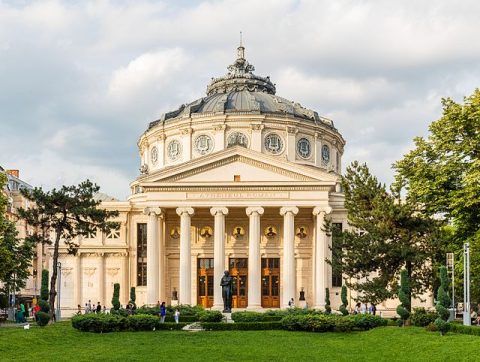
This neoclassical concert hall is Romania's most prestigious cultural venue and an architectural jewel. Built in 1888, the circular building features a stunning dome, Ionic columns, and intricate frescoes depicting Romanian history. Home to the George Enescu Philharmonic Orchestra, attending a classical concert here is an unforgettable experience. The 75-meter fresco inside circles the entire concert hall, showcasing key moments from Romanian history. Even if you don't attend a performance, the exterior and small museum are worth visiting.
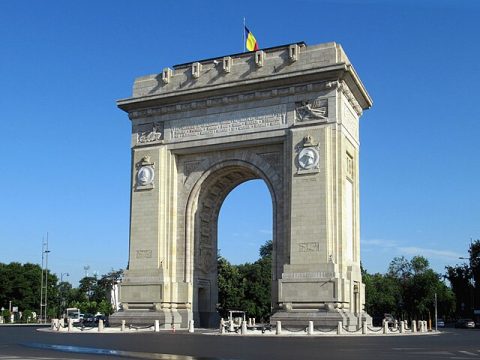
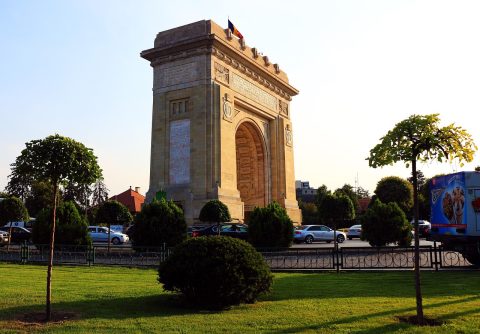
Romania's triumphal arch commemorates the nation's reunification in 1918 following World War I. Modeled after Paris's Arc de Triomphe, the 27-meter granite structure features sculptural works by prominent Romanian artists. Located at the entrance to Herăstrău Park, it's become a symbol of Romanian independence. The arch is occasionally opened for special events, allowing visitors to climb to the top platform for panoramic views. The surrounding area is pleasant for walking and photography.
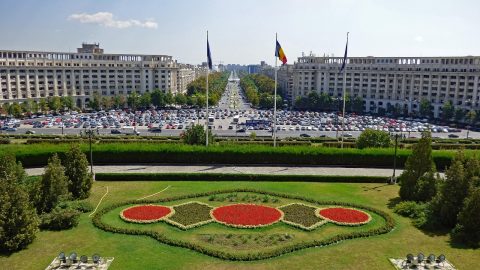
This historic square was the epicenter of the 1989 Romanian Revolution that ended communist rule. The square is surrounded by significant buildings including the former Communist Party Central Committee (now housing the Ministry of Interior), the Royal Palace, and the Romanian Athenaeum. A striking modernist memorial spike marks the spot where revolution speeches were given. Bullet holes from the 1989 events are still visible on some buildings. It's a powerful reminder of Romania's recent struggle for democracy.
Tips for Landmarks & Monuments
- Photography: The Palace of Parliament looks most impressive at sunset from Constitution Square
- Timing: Book Palace tours for morning slots as they fill up quickly, especially in summer
- Concert tickets: Check the Romanian Athenaeum schedule online and book classical concert tickets in advance
- Walking route: These landmarks can be connected in a 2-hour walking tour through central Bucharest
Bucharest's museum scene offers world-class collections ranging from medieval Romanian art to avant-garde contemporary works, ethnographic treasures, and fascinating communist-era artifacts. Many museums occupy beautiful historic buildings worth visiting for their architecture alone.
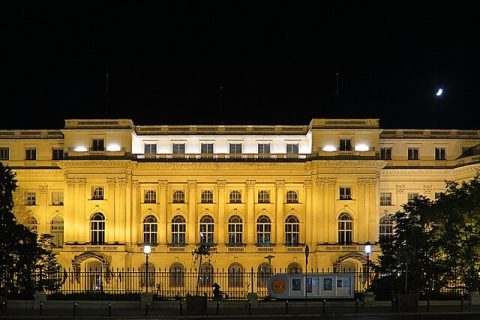
Housed in the former Royal Palace, this premier art museum features extensive collections of Romanian and European art. The Romanian medieval and modern art galleries showcase works by Nicolae Grigorescu, Ion Andreescu, and Constantin Brâncuși. The European collection includes works by Rembrandt, Monet, Renoir, and El Greco. The palace itself is architecturally stunning with ornate halls and galleries. Special exhibitions rotate regularly. The museum underwent major renovations and represents the pinnacle of art appreciation in Romania.
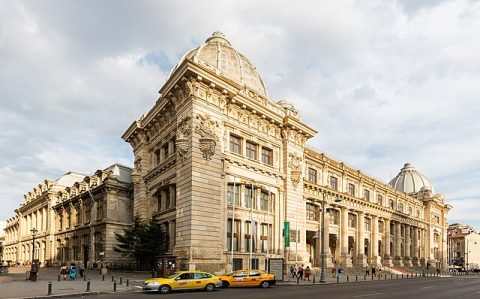
This comprehensive museum traces Romania's history from prehistoric times to modern day. Highlights include the Romanian Crown Jewels, Dacian and Roman artifacts, medieval treasures, and an extensive numismatic collection. The basement vault houses the spectacular Treasury exhibit featuring gold, jewelry, and royal regalia. Interactive displays and dioramas bring history to life. The building itself, completed in 1900, is a beautiful example of neoclassical architecture. Essential for understanding Romanian cultural identity.
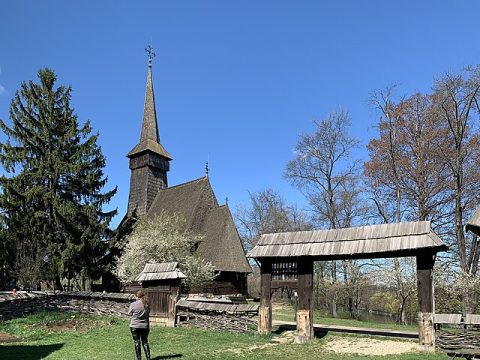
This open-air ethnographic museum in Herăstrău Park displays over 300 authentic peasant houses, churches, and windmills from all regions of Romania. Buildings were dismantled and reconstructed on-site, creating a living history experience. Visitors can explore traditional architecture from different Romanian provinces, see period furnishings, and understand rural life from past centuries. Craftspeople occasionally demonstrate traditional skills. Set in a peaceful park setting beside a lake, it's one of Europe's finest open-air museums. Perfect for families and culture enthusiasts.
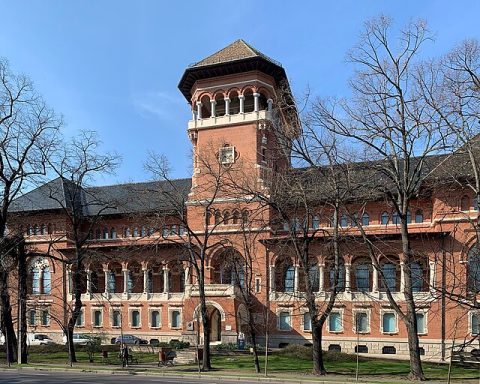
This award-winning museum celebrates traditional Romanian rural culture through costumes, textiles, pottery, icons, and household objects. The collection beautifully presents peasant art and crafts with modern, engaging displays. A highlight is the reconstructed wooden church in the basement. The museum won the European Museum of the Year award in 1996. Temporary exhibitions explore various aspects of folk culture. The gift shop offers authentic Romanian handicrafts. It provides deep insights into the spiritual and material culture that shaped Romanian identity.
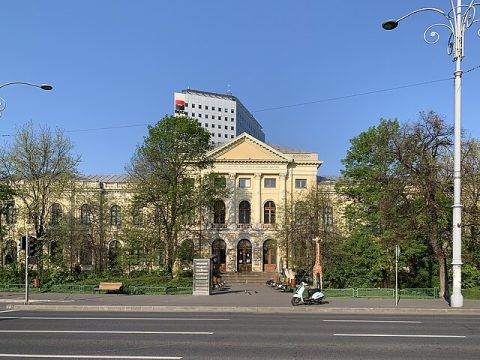
Romania's premier natural history museum features impressive collections of minerals, fossils, taxidermy animals, and interactive exhibits. The museum underwent complete modernization with state-of-the-art displays including multimedia presentations and dioramas. Highlights include the extensive bird collection, dinosaur exhibits, and the impressive whale skeleton. The tropical ecosystem recreations and aquarium sections are particularly engaging. Named after biologist Grigore Antipa, who established scientific museology standards in Romania. Excellent for families with children.
Tips for Museums & Galleries
- Free entry: Many museums offer free admission on the first Wednesday of each month
- Combo tickets: The National Museum of Art offers discounted tickets for both Romanian and European galleries
- Weather backup: Museums make perfect rainy-day activities; the Village Museum is best enjoyed in good weather
- Photography: Most museums allow photography without flash; check specific rules at entrance
Bucharest's churches represent centuries of Orthodox Christian tradition, from small medieval gems hidden in courtyards to grand 19th-century cathedrals. These sacred spaces showcase Byzantine-influenced architecture, stunning frescoes, and the resilience of faith through Romania's turbulent history.
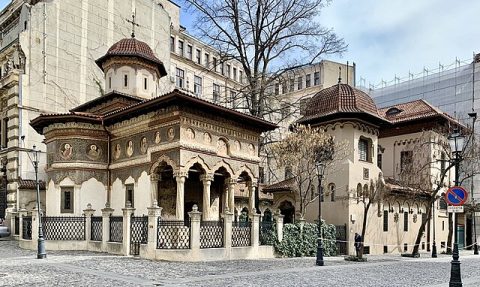
This architectural jewel from 1724 is one of Bucharest's most beautiful religious buildings. Despite its small size, the church features exquisite Brâncovenesc-style architecture with intricate stone carvings, slender columns, and detailed frescoes. The peaceful courtyard offers respite from the busy Old Town. Inside, Byzantine-style paintings cover every surface. The monastery library contains rare religious manuscripts and books. Afternoon light through the windows creates magical ambiance. It's a masterpiece of Romanian religious architecture and a photographer's dream.
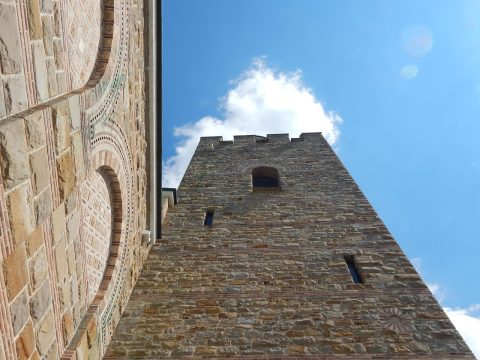
The seat of the Romanian Orthodox Patriarch, this cathedral dates from 1658 and serves as the mother church of Romanian Orthodoxy. The building combines Byzantine and Romanian architectural elements with a distinctive dome and bell tower. Interior frescoes depict biblical scenes and Romanian saints. The cathedral complex includes the Patriarchal Palace and residence. Important religious ceremonies and services are held here. The hilltop location offers views over Bucharest. It remains an active place of worship and pilgrimage.
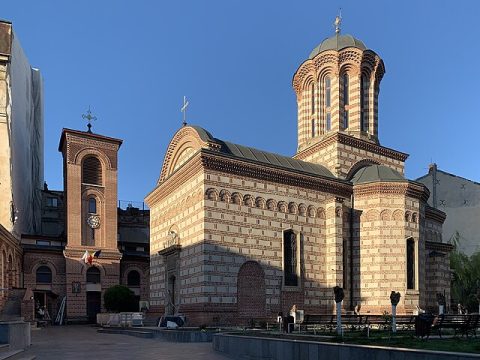
Built by Vlad the Impaler in the 15th century, this church is one of Bucharest's oldest surviving structures. The ruins of the Old Princely Court surround it, showing the original foundations of Bucharest's princely residence. The church features medieval architecture with later additions and renovations. Archaeological excavations revealed artifacts now displayed in the small museum. This site marks the historical heart of Bucharest, where the city was essentially founded. The combination of ruins and active church creates a unique historical atmosphere.
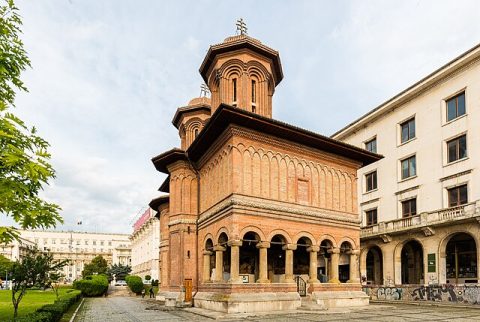
Located in Revolution Square, this elegant 1720s church survived Ceaușescu's demolition plans. The Brâncovenesc-style architecture features ornate exterior carvings and a beautiful iconostasis inside. Miraculously preserved during the communist systematization that destroyed surrounding buildings, it stands as a symbol of cultural resilience. The contrast between the delicate church and surrounding modernist structures is striking. Well-maintained gardens surround the building. Its central location makes it easy to include in any walking tour.
Tips for Religious Sites
- Dress code: Modest clothing required; women should cover shoulders and knees, headscarves appreciated
- Service times: Churches are active places of worship; avoid visiting during religious services unless participating
- Photography: Generally permitted in courtyards; ask before photographing inside churches
- Sunday visits: Experience authentic Orthodox liturgy on Sunday mornings, but expect crowds
Bucharest offers numerous green spaces ranging from vast lakes and forests to intimate gardens. These parks provide recreational activities, cultural venues, and peaceful retreats from urban energy. They're essential to experiencing local life and the city's natural beauty.
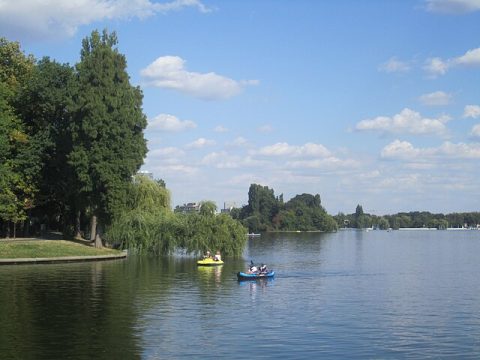
Bucharest's largest park surrounds a scenic lake and offers 187 hectares of recreational space. Activities include boating, cycling on dedicated paths, visiting the Village Museum, and attending open-air concerts at the summer theater. Tree-lined walking paths, playgrounds, restaurants, and cafés dot the landscape. The park connects to the elegant Kiseleff Boulevard and contains monuments and sculptures. In summer, the lake comes alive with pedal boats and rowboats. Winter brings ice skating opportunities. It's the city's premier outdoor destination for families and fitness enthusiasts.
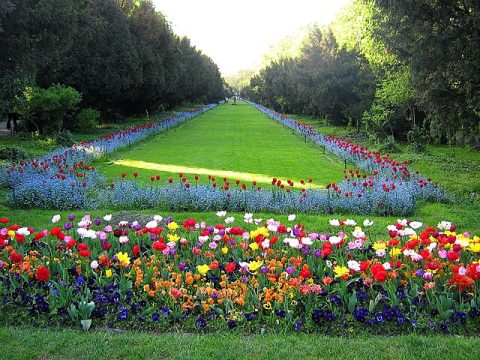
Bucharest's oldest public park, dating from 1847, offers romantic landscapes in the city center. The English-style garden features winding paths, a central lake, elegant bridges, and diverse tree species. In summer, rent rowboats on the lake or enjoy outdoor cafés. Winter transforms the lake into Bucharest's most popular ice skating rink. Historic monuments, busts of Romanian cultural figures, and the Roman Arenas amphitheater add cultural interest. The park's central location makes it a favorite lunch spot for office workers and a lovely evening stroll destination.
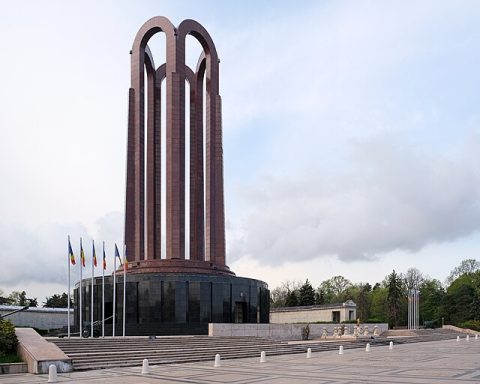
This hilltop park offers panoramic city views and houses several significant monuments. The massive Mausoleum of Romanian Heroes dominates the landscape, while the Technical Museum Dimitrie Leonida occupies a corner. Originally designed as a royal park in the early 1900s, it features formal gardens, a large lake, and wide promenades. The Zodiac Fountain is a popular photo spot. Summer concerts and events utilize the open spaces. The elevated position provides cooler temperatures in summer. It's less crowded than other parks while offering substantial cultural and recreational value.
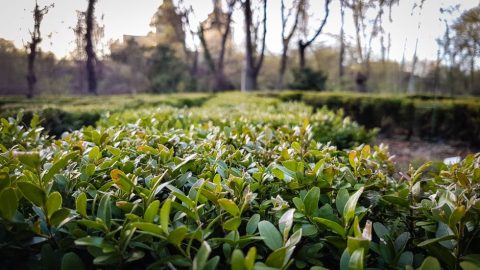
The University of Bucharest's Botanical Garden contains over 10,000 plant species across 17 hectares. Greenhouses shelter tropical, subtropical, and Mediterranean plants, while outdoor sections display Romanian flora organized by region. The Japanese garden, rose garden, and aquatic plant section are highlights. Historic greenhouse architecture from the late 19th century adds charm. It serves both scientific research and public education. Spring brings spectacular blooms, particularly tulips and magnolias. Autumn colors transform the landscape. Perfect for nature lovers and peaceful contemplation.
Tips for Parks & Gardens
- Bike rentals: Herăstrău Park offers bike and scooter rentals for exploring the extensive paths
- Winter activities: Cișmigiu Lake becomes a magical ice skating venue from December to February
- Picnics: All parks allow picnicking; grab supplies from nearby markets for an authentic local experience
- Summer events: Check park schedules for free outdoor concerts and cultural events, especially in Herăstrău
Bucharest's neighborhoods each have distinct personalities, from the buzzing nightlife of the Old Town to the elegant Belle Époque avenues of the northern districts. Exploring different areas reveals the city's multifaceted character and local lifestyle.
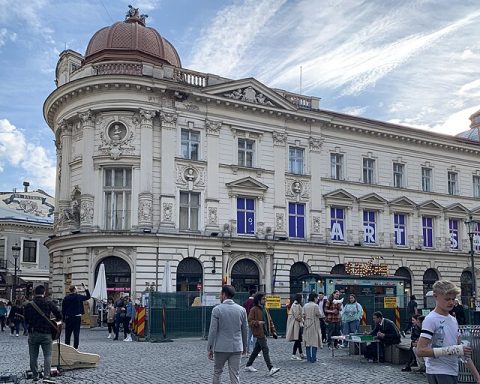
Bucharest's historic heart is a pedestrian-friendly maze of narrow cobblestone streets lined with cafés, restaurants, bars, and boutiques. Medieval merchants once traded here, and remnants of that era include old inns (hanuri) and churches. By day, it's charming for shopping and sightseeing; by night, it transforms into Bucharest's liveliest entertainment district. Historic buildings have been restored and repurposed into trendy venues. Street performers and outdoor terraces create vibrant atmosphere. Key landmarks include Stavropoleos Monastery, Macca-Villacrosse Passage, and Hanul lui Manuc. Essential for experiencing Bucharest's energy.
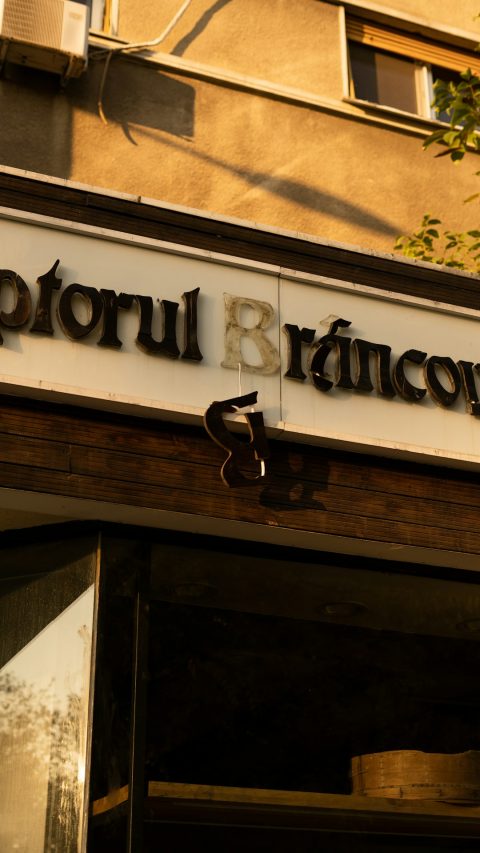
These affluent northern neighborhoods showcase Belle Époque and interwar architecture with tree-lined streets and elegant villas. Embassy Row occupies portions of this area. Upscale shopping on Calea Dorobanților offers international brands and local boutiques. Museums, including the Zambaccian and Storck collections, occupy former mansions. Fine dining restaurants and sophisticated cafés reflect the area's refined character. The residential streets are perfect for architecture enthusiasts. Ceaușescu's former residence in Primăverii offers tours showing how Romania's communist elite lived. It's Bucharest's most elegant district.
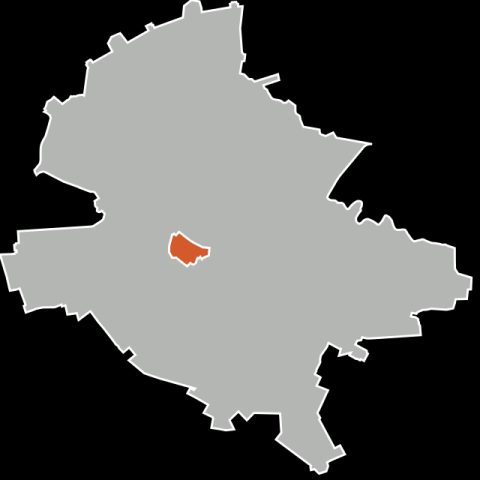
This residential area surrounds the Cotroceni Palace, Romania's presidential residence. The neighborhood features well-maintained streets, parks, and a mix of historic and modern architecture. Cotroceni Monastery, dating from 1679, is open to visitors. The Botanical Garden adds green space. TVR (Romanian Television) headquarters and Politehnica University contribute to the area's character. It's quieter and more residential than central Bucharest, offering authentic glimpses of local life. The National Museum of Cotroceni Palace offers tours of the former royal residence (booking required).
Tips for Neighborhoods & Districts
- Nightlife: Lipscani comes alive after 10 PM; explore different bars and clubs or enjoy rooftop terraces
- Architecture walks: Dorobanți rewards slow exploration on foot to appreciate architectural details
- Local markets: Each neighborhood has markets where locals shop; great for authentic experiences and people-watching
- Safety: All mentioned neighborhoods are safe for tourists; normal city precautions apply in crowded areas
Bucharest's public squares and boulevards tell the story of the city's evolution from medieval trading post to European capital. These spaces host markets, demonstrations, celebrations, and everyday life, serving as the city's living rooms.
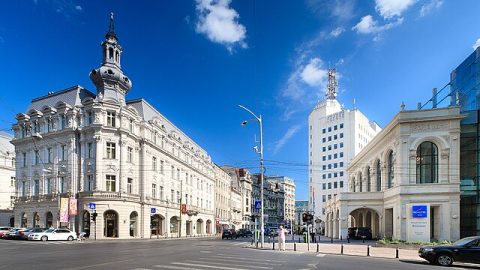
Bucharest's most prestigious street runs from north to south through the city center, lined with Belle Époque buildings, luxury shops, museums, and cafés. Historic landmarks include the Romanian Athenaeum, National Museum of Art, Kretzulescu Church, and Capșa House. The street showcases architectural evolution from 19th-century elegance to 20th-century modernism. Window shopping ranges from international luxury brands to Romanian designers. Multiple museums and galleries line the route. Walking Calea Victoriei provides an excellent overview of Bucharest's history and contemporary culture. Allow several hours for a complete exploration.
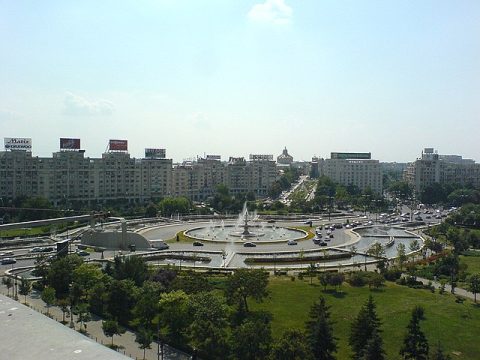
This massive plaza was created during Ceaușescu's systematization, demolishing much of Bucharest's historic center. The square features fountains that perform choreographed water shows in summer evenings. The underground Unirea Shopping Center sprawls beneath. Unirii Boulevard stretches toward the Palace of Parliament, wider than Paris's Champs-Élysées. The square serves as a major transportation hub and meeting point. While architecturally controversial, it represents a significant period in Bucharest's history. The fountain shows draw crowds on warm evenings and are beautifully lit after dark.
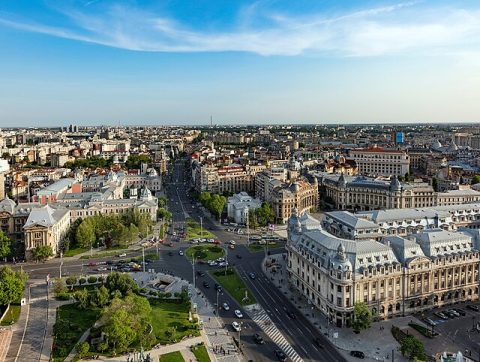
A central hub where major boulevards converge, University Square pulses with urban energy. The University of Bucharest, National Theatre, and Intercontinental Hotel define the space. Memorial crosses commemorate victims of the 1989 revolution who died here. The square hosts protests, celebrations, and everyday city life. Surrounded by cafés, bookstores, and shops, it's perfect for people-watching. The area stays lively from morning to late evening. Street performers and vendors add color. It's a microcosm of contemporary Bucharest life.

This charming covered passageway from 1891 features yellow glass and wrought-iron architecture reminiscent of European arcades. Two forked passages shelter cafés with outdoor seating year-round. The intimate scale and architectural details create a romantic atmosphere. Popular with locals and tourists alike for coffee or drinks. Live music occasionally fills the space. The passage connects the Old Town with the banking district. It's particularly beautiful when lit up in the evening. Perfect for a short break during city exploration.
Tips for Squares & Streets
- Fountain shows: Union Square fountains perform choreographed shows every hour in evenings from May to September
- Photography: Calea Victoriei is best photographed in morning light; arrive early for fewer crowds
- Café culture: Macca-Villacrosse Passage is perfect for experiencing Bucharest's coffee culture in historic surroundings
- Walking tours: Self-guided walks connecting these squares reveal Bucharest's historical layers and urban evolution
Specialized tours and activities help visitors understand Bucharest's complex history and culture while offering unique experiences. From communist history walks to culinary adventures and creative workshops, these activities provide deeper engagement with the city.
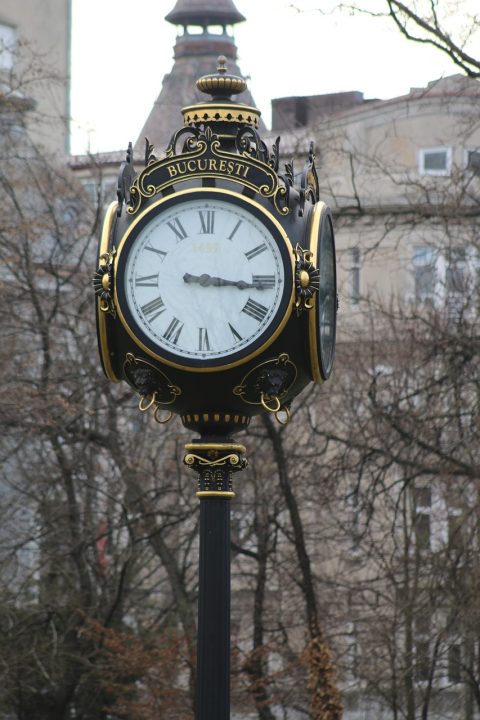
Communist Bucharest Tours
Guided tours exploring communist-era history visit key sites including the Palace of Parliament, Revolution Square, and former Securitate buildings. Expert guides explain how Ceaușescu's regime shaped the city and everyday life under communism. Tours typically include visits to systematization areas where historic neighborhoods were demolished and contrasts between pre-war and communist architecture. Some tours incorporate personal stories and survivors' testimonies from the 1989 revolution. Duration ranges from 3-5 hours. Booking online in advance recommended for quality guides who provide historical context beyond simple facts.
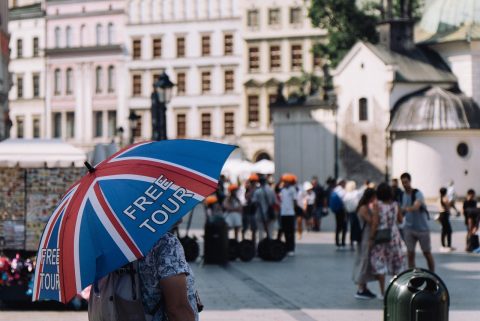
Free Walking Tours
Tip-based walking tours offer excellent introductions to Bucharest's Old Town, major landmarks, and history. Knowledgeable local guides share stories about Romanian culture, architecture, and daily life. Tours typically cover Revolution Square, Calea Victoriei, Lipscani, and major churches. The free format (tip expected based on satisfaction) makes them accessible while supporting local guides. Tours run daily with multiple departure times. No booking required; simply show up at meeting points. Duration averages 2-3 hours. Great for orientation on your first day and meeting fellow travelers. Guides often provide recommendations for restaurants and activities.
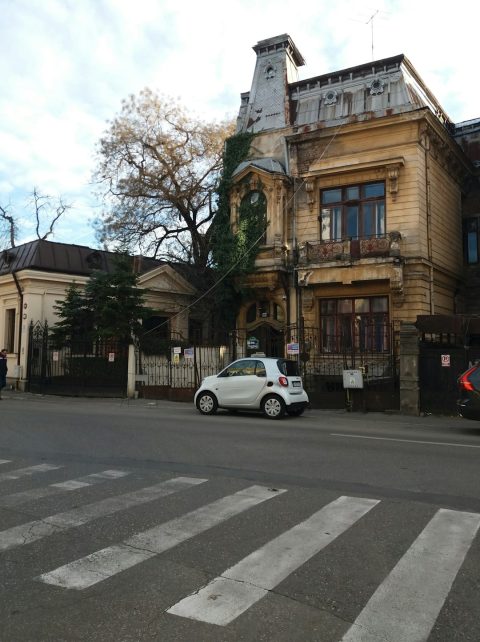
Food & Wine Tours
Culinary tours introduce visitors to Romanian cuisine and food culture through market visits, tastings, and restaurant stops. Sample traditional dishes like sarmale (cabbage rolls), mici (grilled sausages), and cozonac (sweet bread). Tours often include visits to Obor Market or smaller neighborhood markets where locals shop. Wine tastings feature Romanian varieties from regions like Dealu Mare and Cotnari. Some tours incorporate cooking classes teaching traditional recipes. Street food tours explore Lipscani's diverse offerings. These experiences provide cultural insights alongside delicious discoveries. Perfect for food enthusiasts wanting authentic local flavors.
Bike Tours
Cycling tours cover more ground than walking while maintaining an intimate perspective. Routes typically include parks (Herăstrău, Carol), major boulevards, and neighborhoods difficult to reach on foot. Some tours focus on communist architecture and systematization areas. Others emphasize Belle Époque elegance and green spaces. Electric bike options available for less strenuous riding. Most tours provide bikes, helmets, and experienced guides. Duration ranges from 2.5-4 hours. Spring through autumn offer the best cycling weather. Perfect for active travelers wanting comprehensive city overviews. Some operators offer sunset tours for romantic experiences.
Europe's largest wellness and entertainment center features thermal pools, saunas, water slides, and tropical gardens under a massive dome. Ten different thermal zones offer various temperatures and therapeutic experiences. The Galaxy zone includes wave pools and water rides. The Palm zone recreates a tropical paradise with exotic plants and relaxation areas. Multiple restaurants, bars, and relaxation lounges throughout. Full-day access allows unlimited enjoyment of all facilities. Located just outside Bucharest, free shuttle service from city center. Extremely popular with families and relaxation seekers. Towels and robes available for rent. Book online in advance for better prices.
Tips for Tours & Activities
- Advance booking: Palace of Parliament tours and popular activities fill up quickly; book 2-3 days ahead in peak season
- Local guides: Licensed guides provide deeper historical context and personal stories that bring sites to life
- Combo packages: Some operators offer combined tours (communist history + food tour) at discounted rates
- Weather planning: Book indoor activities like Therme Bucharest as backup options for rainy days
The areas surrounding Bucharest offer castles, monasteries, and natural landscapes that complement the urban experience. These day trips provide insights into Romanian history, architecture, and rural traditions beyond the capital.
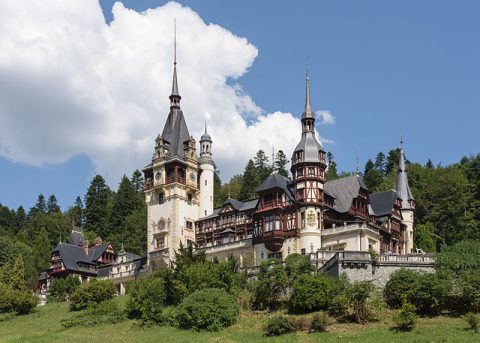
Romania's most spectacular castle served as the summer residence of Romanian royalty. Built in German Renaissance style between 1873-1914, it features 160 rooms decorated in themes from different cultures. Intricate woodcarvings, Murano chandeliers, German stained glass, and rare art collections fill the opulent interiors. Set in the Carpathian Mountains near Sinaia, the surrounding scenery is breathtaking. Nearby Pelișor Castle, smaller but equally ornate, can be visited on the same ticket. The 90-minute drive from Bucharest passes through beautiful landscapes. Tours must be booked; photography inside restricted. Essential Romanian heritage experience. Allow full day for travel and exploration.
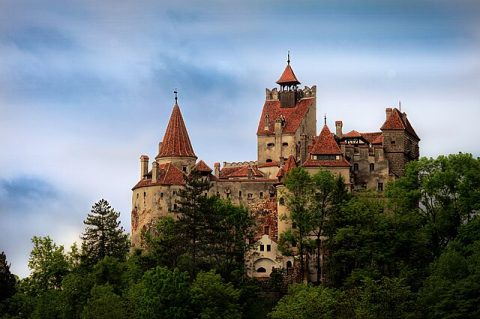
Marketed as "Dracula's Castle" though its connection to Vlad the Impaler is tenuous, this 14th-century fortress dramatically perches on a cliff. The castle museum displays furniture and art from Queen Marie's era when she owned the property. Narrow staircases, hidden passages, and medieval architecture create atmospheric exploration. The surrounding village offers crafts markets and restaurants. Brașov, a charming medieval city, is nearby and worth visiting. The full day trip from Bucharest (180 km) typically combines Bran with Brașov. Tours available or accessible by car/bus. Expect crowds, especially in summer. Photos from surrounding hills capture the castle's dramatic setting.
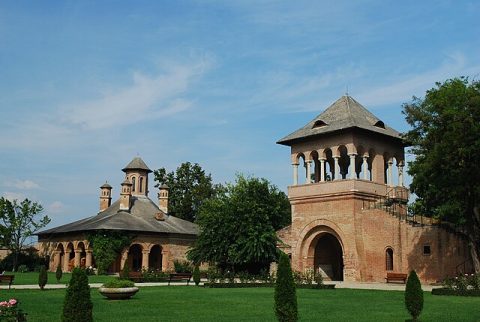
This Brâncovenesc-style palace from 1702 showcases Romanian architectural elegance on the shores of a lake. Built by Constantin Brâncoveanu, it blends Byzantine, Renaissance, and Oriental influences. The palace now houses a museum displaying period furniture, art, and historical artifacts. Beautiful gardens and lake views create romantic settings. Closer to Bucharest than other castles (15 km), it makes an easy half-day excursion. Less crowded than famous castles, offering relaxed exploration. The café terrace overlooks the lake. Cultural events and exhibitions occur regularly. Perfect for those interested in Romanian nobility history without long travel times.
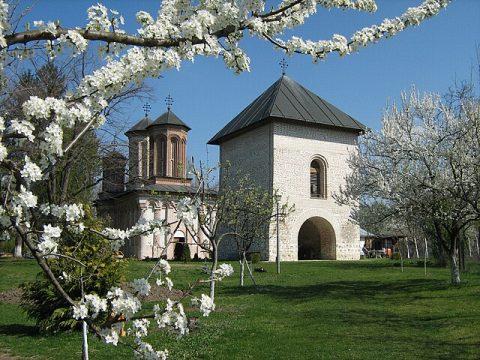
Located on an island in Snagov Lake, this peaceful monastery dates from the late 14th century. Local legend claims Vlad the Impaler (Dracula) is buried here, though historians debate this. The monastery church features beautiful frescoes and a serene atmosphere. Accessible by a small bridge, the island setting provides tranquil beauty. Snagov Forest surrounds the lake, offering hiking and nature activities. The area is popular with Bucharesters for weekend retreats. Only 40 km from Bucharest, it makes an easy half-day trip. Combine with lunch at lakeside restaurants. Less touristy than major castles, offering authentic Romanian monastery experience.
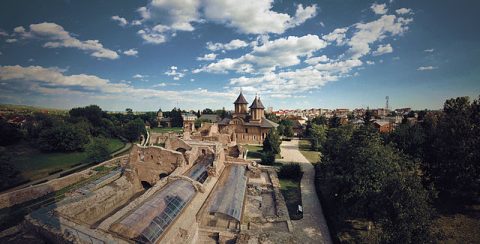
Romania's former medieval capital offers authentic historical sites without tourist crowds. The Princely Court ruins include Chindia Tower, offering panoramic views. This was Vlad the Impaler's residence and where he carried out many infamous acts. The Royal Church contains important frescoes and the tombs of rulers. Museums document Wallachia's history. The city witnessed the Ceaușescus' trial and execution in 1989; that location is preserved. Located 80 km from Bucharest, the full day trip provides deep historical immersion. Less polished than tourist-focused castles but more authentically medieval. Excellent for history enthusiasts seeking substance over spectacle.
Tips for Day Trips & Excursions
- Transportation: Organized tours include transportation and guides; independent travel by train or rental car offers flexibility but requires planning
- Combination trips: Peleș and Bran castles can be combined in one long day; start early to maximize time
- Seasonal considerations: Mountain routes may be challenging in winter; spring and autumn offer beautiful scenery with fewer crowds
- Booking: Peleș Castle requires advance online booking; purchase tickets early as they sell out, especially weekends
Real, highly-rated Restaurants in Bucharest, sourced from Google Places (rating above 4★).

AveForchetta is a highly-rated restaurant in Bucharest, rated 4.9★ from 12719 reviews. Located at Strada Matei Millo 5, 010144 București, Romania.
Opening Hours
- Monday: 12:00 – 11:30 PM
- Tuesday: 12:00 – 11:30 PM
- Wednesday: 12:00 – 11:30 PM
- Thursday: 12:00 – 11:30 PM
- Friday: 12:00 – 11:30 PM
- Saturday: 12:00 – 11:30 PM
- Sunday: 12:00 – 11:30 PM

Restaurant Slow is a highly-rated restaurant in Bucharest, rated 4.9★ from 1447 reviews. Located at Strada Colței 50, 030167 București, Romania.
Opening Hours
- Monday: Closed
- Tuesday: Closed
- Wednesday: 5:00 – 10:00 PM
- Thursday: 5:00 – 10:00 PM
- Friday: 5:00 – 11:00 PM
- Saturday: 2:00 – 11:00 PM
- Sunday: 2:00 – 10:00 PM

Restaurant TOKA is a highly-rated restaurant in Bucharest, rated 4.9★ from 975 reviews. Located at Calea Călărașilor 78, 030627 București, Romania.
Opening Hours
- Monday: 11:00 AM – 10:00 PM
- Tuesday: 11:00 AM – 10:00 PM
- Wednesday: 11:00 AM – 10:00 PM
- Thursday: 11:00 AM – 10:00 PM
- Friday: 11:00 AM – 10:00 PM
- Saturday: 11:00 AM – 11:00 PM
- Sunday: 11:00 AM – 10:00 PM
Explore Bucharest on the Map
Seasonal Guide to Bucharest
Spring (April-May): Ideal weather with temperatures 15-22°C (59-72°F). Parks bloom with flowers, outdoor cafés open, and tourist crowds remain manageable. Perfect for walking tours and photography. Occasional rain showers require light jacket.
Summer (June-August): Warm to hot with temperatures 25-35°C (77-95°F). Peak tourist season with longer days and vibrant nightlife. Parks are lush, outdoor festivals occur frequently, and fountain shows run nightly. Air conditioning essential; some older buildings lack it. Afternoon thunderstorms provide relief from heat.
Autumn (September-October): Excellent conditions with 15-25°C (59-77°F) and colorful foliage in parks. Fewer tourists than summer while weather remains pleasant. Cultural season begins with concerts, exhibitions, and theater. September is particularly lovely with warm days and cool evenings.
Winter (November-March): Cold with temperatures -5 to 5°C (23-41°F). December brings Christmas markets and festive atmosphere. January-February can be harsh with snow and freezing temperatures. Museums and indoor attractions are less crowded. Cișmigiu Lake ice skating operates December-February. Budget travelers benefit from lower hotel prices.
Best Overall: Late April-May and September-October offer optimal weather, manageable crowds, and full accessibility to attractions without extreme temperatures.
Getting Around Bucharest
✈️ Airport Transfer
Express Bus 780: Operates 24/7 between airport and city center (Piața Unirii). Journey takes 40-50 minutes. Ticket costs 7 RON (~€1.40), purchased from ticket machines or drivers. Buses run every 15-30 minutes.
Train: Direct train service to Gara de Nord (main railway station) takes 20 minutes. Trains depart hourly 6 AM-10 PM. Cost approximately 7 RON.
Taxi: Official taxi services at designated stands outside arrivals. Expect 60-100 RON (~€12-20) to city center depending on traffic. Use only authorized companies; verify meter is running. Journey takes 30-45 minutes.
Ride-sharing: Uber and Bolt widely available and generally cheaper than taxis. Book through apps. Average cost 40-70 RON to center.
Public Transportation in Bucharest
Metro: Five lines (M1-M5) cover major districts and attractions. Clean, efficient, and air-conditioned. Operates 5 AM-11:30 PM weekdays, until 12:30 AM weekends. Single journey 3 RON; 10 journeys 25 RON; day pass 8 RON. Validate cards at turnstiles.
Trams, Buses, Trolleybuses: Extensive surface network. Same tickets as metro but purchased from STB ticket machines, kiosks displaying "STB," or via contactless bank cards at validators. Validate upon boarding. Network maps available at stations and online.
Taxis and Ride-sharing: Abundant and affordable. Official taxis charge 1.4-3.5 RON per kilometer. Always use reputable companies or apps. Uber and Bolt offer transparent pricing and English-language interface.
Walking: Central Bucharest is walkable with most major attractions within 3 km of each other. Old Town, Calea Victoriei, and nearby parks easily explored on foot. Sidewalks generally good condition though watch for uneven pavement in older areas.
Bike Sharing: Limited compared to other European capitals but growing. Several companies offer app-based rentals. Best used in parks and wider boulevards; traffic can be challenging elsewhere.
Travel Passes
Bucharest Card: Not currently available. Instead, purchase multi-journey or day passes for public transport directly from metro stations.
Shopping in Bucharest
What to Buy
Traditional Crafts: Hand-embroidered blouses (ie românească), pottery from Horezu and Corund, wood carvings, painted Easter eggs, and woven textiles. Museum gift shops and specialized stores offer authentic items.
Food Products: Romanian wine (especially Fetească Neagră, Busuioacă), plum brandy (țuică or pălincă), honey, jam, dried mushrooms, and artisanal chocolate. Obor Market and specialty food shops stock local products.
Cosmetics: Gerovital and Farmec are Romanian beauty brands with international reputations for anti-aging products using natural ingredients.
Books and Music: Romanian literature in translation, folk music CDs, and art books. Cărturești Carusel bookstore offers beautiful editions.
Shopping Areas
Old Town (Lipscani): Boutiques, souvenir shops, jewelry stores, and art galleries in historic buildings. Mix of tourist-oriented shops and local designers. Perfect for gift shopping and browsing.
Calea Victoriei: Upscale shopping with international luxury brands, Romanian designers, and department stores. Historic buildings house elegant shops.
Obor Market: Bucharest's largest and most authentic market. Locals shop for produce, meat, cheese, spices, and household goods. Arrive early for best selection. Bring cash and bargaining skills.
Shopping Malls: Băneasa Shopping City, AFI Palace Cotroceni, and Promenada offer international brands, food courts, and modern amenities. Air-conditioned refuge on hot days.
Strada Selari (Old Town): Antique shops, vintage clothing, and unique collectibles. Great for treasure hunting.
Bargaining Tips
Markets: Bargaining expected and appreciated at outdoor markets and antique shops. Start at 60-70% of asking price. Be friendly and smile.
Shops: Fixed prices in regular stores and malls. No bargaining in supermarkets, boutiques, or established stores.
Souvenirs: Gentle negotiation possible in tourist areas, especially for multiple items. Vendors expect some haggling.
Shopping Hours
Most shops open 10 AM-8 PM Monday-Saturday, malls until 10 PM. Sunday hours vary; major malls open, smaller shops may close. Markets operate morning to afternoon, busiest before noon.
Annual Events & Festivals
Major Festivals
George Enescu Festival (August-September, odd years): International classical music festival honoring Romania's greatest composer. World-class orchestras and soloists perform in the Romanian Athenaeum and other prestigious venues. Three weeks of concerts, recitals, and masterclasses. Tickets sell quickly; book months ahead.
Bucharest International Film Festival (June): Romania's premier film event showcasing international and Romanian cinema. Screenings at various venues city-wide. Awards ceremonies and industry events attract filmmakers globally.
Spotlight Festival (October): Electronic music festival bringing international DJs and performers. Multiple venues across the city host concerts and parties.
Christmas Markets (December): Traditional markets in University Square and Constitution Square offer crafts, food, mulled wine, and holiday entertainment. Ice skating rinks, decorated trees, and festive atmosphere throughout December.
Bucharest Jazz Festival (May-June): Jazz performances by Romanian and international artists at various venues. Mix of free outdoor concerts and ticketed indoor shows.
National Holidays
January 1-2: New Year's Day - Most businesses closed
January 24: Unification Day - Celebrates 1859 union of Romanian principalities
Easter Monday: Major Orthodox holiday (date varies). Expect widespread closures; families gather for traditional meals. Churches hold special services.
May 1: Labor Day - Public holiday with closures
June 1: Children's Day - Events and activities for families throughout city parks
August 15: Assumption of Mary - Important religious holiday
November 30: St. Andrew's Day - Patron saint of Romania
December 1: National Day - Romania's 1918 unification celebrated with military parades, concerts, and patriotic events. Major celebration.
December 25-26: Christmas - Most businesses close; traditional celebrations with family
Cultural Events
Museum Night (May): Museums stay open until midnight or later with free admission, special exhibitions, and performances. Extremely popular; expect crowds.
Bucharest Pride (June): LGBTQ+ pride celebrations with parade, parties, and cultural events. Growing international participation.
Summer Concerts: Free open-air concerts in Herăstrău Park and other venues throughout June-August. Various music genres from classical to rock.
Bucharest Marathon (October): International marathon event attracting runners globally. Course passes major landmarks; creates traffic restrictions.
5 Perfect Days in Bucharest
Day 1: Historic Heart & Old Town
Morning: Start at Revolution Square (9 AM) to understand Romania's 1989 revolution. Walk down Calea Victoriei, admiring Belle Époque architecture. Visit the Romanian Athenaeum exterior and the National Museum of Art (opens 10 AM) - allow 2 hours for Romanian collection highlights.
Lunch: Head to Caru' cu Bere, Bucharest's most famous restaurant in a stunning Gothic Revival building, for traditional Romanian cuisine (book ahead).
Afternoon: Explore Lipscani Old Town - meander cobblestone streets, visit Stavropoleos Monastery, discover Macca-Villacrosse Passage. Browse shops and galleries. Stop for coffee at one of the charming cafés.
Evening: Watch sunset from a rooftop bar in Old Town. Dinner at a traditional restaurant followed by drinks and live music in Lipscani's vibrant nightlife district.
Day 2: Communist Legacy & Palace
Morning: Book 10 AM Palace of Parliament tour (must be reserved advance; bring passport). Spend 1.5-2 hours exploring this colossal building and learning about communist-era construction.
Lunch: Casual meal near Constitution Square or Union Square fountain area.
Afternoon: Join a communist Bucharest walking tour OR visit the Museum of the Romanian Peasant to understand pre-communist rural culture (provides important contrast). Then explore University Square area and see memorial crosses from 1989.
Evening: Dinner in Dorobanți or Primăverii neighborhoods, experiencing Bucharest's elegant side. Consider visiting Ceaușescu Residence if interested in how communist elite lived (book ahead).
Day 3: Museums & Culture
Morning: Visit Village Museum (opens 9 AM) - allow 2-3 hours to explore traditional houses and rural architecture in this open-air museum. Walk through adjacent Herăstrău Park.
Lunch: Picnic in Herăstrău Park with supplies from nearby market, or dine at park restaurant with lake views.
Afternoon: Choose based on interests: National Museum of Romanian History for archaeological treasures and Crown Jewels, OR Grigore Antipa Natural History Museum for modern interactive displays (great for families), OR Museum of the Romanian Peasant for folk culture.
Evening: If available, attend classical concert at Romanian Athenaeum (check schedule online). Otherwise, explore Cotroceni neighborhood and its monastery, followed by dinner at a local restaurant.
Day 4: Parks, Markets & Local Life
Morning: Visit Obor Market early (7-8 AM) to see authentic local shopping and sample fresh produce, cheese, and baked goods. Experience real Bucharest away from tourist areas.
Mid-Morning: Explore Cișmigiu Gardens - rent a rowboat in summer or ice skate in winter. Enjoy the romantic landscaping and monuments.
Lunch: Head to a local bistro or market food stall for authentic Romanian fast food - try mici (grilled sausages) with mustard and fresh bread.
Afternoon: Visit Carol Park for city views and the monumental architecture. Continue to the Botanical Garden for peaceful plant collections and greenhouses.
Evening: Food and wine tour (book ahead) exploring Romanian cuisine, or independent dinner trying dishes you discovered during your market visit. Enjoy craft beer at a local brewery.
Day 5: Day Trip + Relaxation
Full Day Option 1 - Castles: Early departure (7 AM) for Peleș Castle in Sinaia (90 min drive). Tour the opulent royal residence, have lunch in Sinaia, then visit nearby Pelișor Castle. Return evening. Alternatively, combine with Bran Castle for full "Dracula" experience (longer day, 12+ hours).
Full Day Option 2 - Relaxation: Spend the day at Therme Bucharest (opens 9 AM) - Europe's largest wellness center. Enjoy thermal pools, saunas, tropical environments, and water slides. Perfect for unwinding after days of sightseeing.
Half Day Alternative: Visit Mogoșoaia Palace (morning), return for lunch, spend afternoon at Herăstrău Park renting bikes, or revisit favorite neighborhoods for shopping and café hopping. Evening farewell dinner at finest restaurant you can afford - celebrate a wonderful visit.
General Tips: Adjust timing based on your pace. Museums typically close Mondays. Book restaurant and tours ahead, especially in summer. Use metro and walking for transportation. Allow flexibility for spontaneous discoveries. Bucharest rewards wanderers who explore beyond main attractions.
Best Photography & Instagram Locations
1. Cărturești Carusel Bookstore
The Shot: Stunning white spiral staircase ascending five levels surrounded by books. Best Time: Late morning (10-11 AM) for natural light through skylights without crowds. Weekdays preferred. Tip: Shoot from ground floor looking up, or from upper levels looking down. Café on top floor offers different perspective. This is Bucharest's most Instagrammed interior.
2. Palace of Parliament - Exterior
The Shot: Massive building from Constitution Square or Boulevard of Socialist Unity. Best Time: Golden hour before sunset when warm light hits the limestone facade. Blue hour after sunset captures dramatic illumination. Tip: Use wide-angle lens to capture scale. Fountains in foreground add interest. Northern facade (from Izvor Park) offers different perspective with gardens.
3. Stavropoleos Monastery
The Shot: Intricate carved columns and arches in the courtyard with Byzantine details. Best Time: Morning (9-10 AM) for soft directional light illuminating stonework. Avoid midday harsh shadows. Tip: Focus on architectural details - columns, carvings, frescoes. Empty courtyard best for clean shots. Interior photography may be restricted during services.
4. Macca-Villacrosse Passage
The Shot: Yellow glass roof and Art Nouveau ironwork creating geometric patterns above café tables. Best Time: Daytime for natural light through glass, evening (after 6 PM) for illuminated ambiance with people. Tip: Shoot through the archway for framing effect. Details of glass work and architecture. Evening captures romantic atmosphere with lights and diners.
5. Romanian Athenaeum
The Shot: Neoclassical dome and columns from across the street. Best Time: Evening blue hour when building is illuminated against darkening sky. Morning light (8-9 AM) good for front facade. Tip: Position yourself in small park opposite for unobstructed view. Concert nights capture elegant attendees on steps. Interior fresco and ceiling if attending performance.
6. Herăstrău Park Lake
The Shot: Lake reflections with boats and surrounding greenery. Best Time: Sunrise (6-7 AM summer) for mirror-still water and golden light. Sunset captures vibrant colors. Tip: Rent rowboat for water-level perspectives. Autumn colors spectacular September-October. Japanese Garden section offers intimate scenes.
7. Calea Victoriei Street View
The Shot: Long perspective down the elegant boulevard with Belle Époque buildings lining both sides. Best Time: Early morning (7-8 AM) before traffic and crowds, especially Sunday. Tip: Shoot from raised positions or building entrances for elevated view. Focus on architectural details - balconies, decorations, facades. Black and white works beautifully here.
8. Arcul de Triumf
The Shot: Triumphal arch framed by tree-lined avenue or with park in foreground. Best Time: Morning side-lighting (9-10 AM). Sunset backlighting creates dramatic silhouette. Tip: Stand in middle of road (carefully!) for symmetrical shot down Kiseleff Boulevard. Spring cherry blossoms add color. Occasional public access to top for aerial views.
9. Old Town Rooftops
The Shot: Panoramic city views with mix of old and new architecture, church spires, and distant Palace of Parliament. Best Time: Sunset through blue hour for dramatic lighting and city lights emerging. Tip: Rooftop bars in Lipscani offer best access. Panorama and Sky Bar provide 360° views. Spring and autumn clearer atmosphere than summer haze.
10. Cișmigiu Gardens in Winter
The Shot: Ice skaters on frozen lake with snow-covered trees and historic bridges. Best Time: Sunny winter mornings (10-11 AM) for sparkling snow and activity. Twilight captures lights reflecting on ice. Tip: Late December through January most reliable ice conditions. Capture both wide scenes and close-up candid moments of skaters. Evening illumination adds magic.
General Photography Tips: Respect religious sites - always ask before photographing inside churches. Golden hour (hour after sunrise, hour before sunset) provides best natural light. Cloudy days create even lighting for architecture. Bring backup batteries in winter cold. Many museums restrict photography; check before shooting. Engage with locals before street photography. Edit photos to enhance but maintain authenticity. Instagram hashtags: #Bucharest #VisitRomania #BucharestRomania #ExploreBucharest
Electricity & Adapters
Voltage: 230V
Frequency: 50 Hz
Plug Type: Type C (two round pins) and Type F (two round pins with grounding clips on sides) - standard European plugs
What You Need
From UK: Type G to Type C/F adapter required. UK devices rated for 230V work fine; most modern electronics (phones, laptops, cameras) automatically handle voltage.
From USA/Canada: Type A/B to Type C/F adapter required PLUS voltage converter if device is not dual-voltage. Check device specifications - most modern electronics are dual voltage (110-240V). Hair dryers, curling irons, and heating appliances often require converters unless specifically rated for 230V.
From Australia/New Zealand: Type I to Type C/F adapter needed. Australian devices rated for 230-240V work without voltage converter.
Where to Buy Adapters
Purchase at airport arrivals area (more expensive), electronics stores in city, or hotel reception desks (limited availability, may charge premium). Better to bring from home. Universal travel adapters work well for multiple European destinations.
Multi-Device Charging
Most hotels provide limited outlets. Bring multi-plug power strip or USB charging hub for multiple devices. Many modern hotels and cafés offer USB charging ports. Power banks useful for day-long sightseeing.
Important Notes
Power cuts are extremely rare in Bucharest. Older buildings may have limited outlets in rooms. Bathroom outlets typically provided for shavers (lower voltage, limited amperage). Always check device voltage rating before plugging in to avoid damage.
Romanian Cuisine & Dining
Must-Try Traditional Dishes
Sarmale: Cabbage rolls stuffed with minced meat (pork and beef mix), rice, and herbs. Slow-cooked in tomato sauce, traditionally served with mămăligă (polenta) and sour cream. Romania's national dish, especially popular during holidays. Rich, hearty, and deeply flavorful.
Mici (Mititei): Small skinless grilled sausages made from ground meat with garlic, black pepper, and secret spice blends. Served with mustard and fresh bread. Street food staple and beer garden favorite. Best eaten fresh off the grill.
Ciorbă: Sour soups made tangy with fermented wheat bran (borș), lemon juice, or sauerkraut juice. Varieties include ciorbă de burtă (tripe soup, hangover cure), ciorbă de legume (vegetable), and ciorbă țărănească (peasant soup with meat and vegetables). Served with hot peppers and sour cream.
Mămăligă: Traditional polenta made from cornmeal. Served as side dish with stews, topped with cheese and sour cream, or as base for various toppings. Romanian equivalent of bread, historically staple food.
Cozonac: Sweet bread with walnut, poppy seed, or Turkish delight filling. Traditional for Christmas and Easter but available year-round. Soft, rich dough requires skill to make properly. Best from artisan bakeries.
Papanași: Fried doughnut-like dessert made from sweet cheese, served with sour cream and fruit preserve (typically sour cherry). Iconic Romanian dessert - rich, indulgent, and substantial. Share unless very hungry.
Salată de vinete: Roasted eggplant spread mixed with onions and mayonnaise. Served cold as appetizer with bread or vegetables. Summer favorite, found in every traditional restaurant.
Tochitură: Hearty meat stew with pork, sausages, sometimes bacon, served in a clay pot with mămăligă, fried egg, and cheese. Rich and filling, perfect for cold weather.
Romanian Drinks
Țuică/Pălincă: Strong fruit brandies (plum most common). Țuică is commercial, pălincă is double-distilled artisanal version. Served as aperitif in small glasses. Traditional at celebrations.
Romanian Wine: Excellent quality and value. Try Fetească Neagră (red), Fetească Albă (white), Busuioacă de Bohotin (sweet rosé), and Tămâioasă Românească (aromatic white). Wine regions include Dealu Mare, Cotnari, and Murfatlar. Restaurant wine lists offer good selections at reasonable prices.
Beer: Ursus, Ciuc, Timișoreana, and Silva are popular Romanian brands. Craft beer scene growing rapidly with microbreweries in Bucharest offering innovative brews.
Socată: Traditional elderflower cordial, refreshing summer drink. Non-alcoholic, naturally sweet.
Where to Eat
Traditional Restaurants: Caru' cu Bere (historic beer house with Gothic Revival interior), Hanu' lui Manuc (oldest operating hotel-restaurant in Bucharest, caravanserai style), Pescăruș (elegant lakeside dining), and La Mama (multiple locations, reliable traditional food).
Modern Romanian: Kane (upscale interpretation of Romanian cuisine), Nor Sky Casual Restaurant (contemporary Romanian with city views), Shift Pub (modern takes on classics).
Casual/Street Food: Food trucks in parks and Old Town, Obor Market food stalls, Dristor Kebap (Romanian-style kebabs), and mici stands throughout the city.
International Cuisine: Bucharest offers Italian, Asian, Middle Eastern, and fusion restaurants of high quality. Old Town has highest concentration of diverse dining.
Dining Tips
Reservations: Book ahead for popular restaurants, especially weekends and Friday/Saturday evenings. Caru' cu Bere requires advance booking.
Meal Times: Lunch typically 12-3 PM, dinner 7-11 PM. Romanians dine later than Northern Europeans but earlier than Southern Europeans. Many restaurants open all day.
Service: Can be slower than Western Europe; meals are leisurely affairs. Server may not check frequently - this is normal, not neglect. Flag them when ready for bill.
Tipping: 10% is standard for good service; 15% for excellent service. Cash tips preferred even when paying by card. Round up for casual establishments.
Portions: Generous! Soups are substantial and could be light meal. Consider sharing mains or ordering strategically. Don't over-order first time out.
Menu Language: Tourist-area restaurants have English menus. Translation apps help elsewhere. Staff often speak some English, especially in central areas.
Costs: Dining significantly cheaper than Western Europe. Excellent meal with drinks costs €15-25 per person at traditional restaurants, €30-50 at upscale establishments. Street food €2-5.
Dietary Restrictions: Vegetarian options exist but traditional cuisine meat-heavy. Vegan more challenging; specify requirements clearly. Gluten-free awareness growing but limited options in traditional restaurants. International and modern restaurants more accommodating.
Tourist Passes
Bucharest City Card
Status: Currently Not Available. Bucharest previously offered a city tourist card but it is not currently in operation. Instead, purchase transportation passes separately and pay individual museum entrance fees. Many museums offer discounts for students, seniors, and groups. Check individual museum websites for current admission prices and any temporary discount programs. Free museum days (often first Wednesday of month) provide savings opportunities.
Public Transport Passes
The most economical option for tourists using public transportation regularly. Options include: Single journey (3 RON), 10 journeys (25 RON), Day pass (8 RON), Weekly pass (17 RON). Purchased at metro stations from ticket machines or kiosks. Cards are rechargeable and reusable. Coverage: Valid on metro, buses, trams, and trolleybuses throughout Bucharest. Must be validated at turnstiles (metro) or validators (surface transport). Children under 7 ride free. Students and seniors receive discounts with proper ID. Cards available at Piața Victoriei, Piața Unirii, Gara de Nord metro stations and other major hubs.
www.metrorex.roMuseum Individual Tickets
Most Bucharest museums charge individual entrance fees ranging from 10-40 RON (€2-8) per site. Many museums offer combined tickets covering multiple galleries within the same institution at reduced rates. Free admission days: Many state museums offer free entry on the first Wednesday of each month, though this can mean large crowds. Student/senior discounts: Bring valid ID for reduced rates (typically 50% off). Photography tickets: Some museums charge additional fees for photography rights (5-20 RON). Guided tours: Available at major museums for additional fees, often in multiple languages. Tip: Visit museum websites before your trip to check current prices, temporary exhibitions, and special programs. Group discounts available for 10+ people with advance booking.