Plan your trip to Cornwall
- How long
- 5-7 days: base in St Ives or Penzance, with day trips to Tintagel, St Michael’s Mount and the north coast.
- Best for
- Mixed-interest travellers: coastal walks, surfing, galleries, gardens and historic sites.
- Skip it if
- You rely on public transport for remote coast: many sights need a car or a long bus ride.
If you only do three things
- Tate St Ives and the Barbara Hepworth Museum.
- Tintagel Castle (book ahead).
- St Michael’s Mount (causeway or boat).
A one-day route
- Morning: St Ives: Tate St Ives above Porthmeor Beach.
- Midday: The Barbara Hepworth Museum nearby.
- Afternoon: A coastal walk or beach time.
- Evening: Dinner in St Ives harbour.
Before you go
- Tintagel advises booking ahead for a discount and can close in severe weather; check its page on the day.
- St Michael’s Mount is reached by causeway when the tide allows, or by boat when it is covered (the operator lists £3.20 one way).
- Go Cornwall Bus service 56 serves Cornwall Airport Newquay between Newquay and Padstow; check the current timetable.
Prices, opening status and transport in this plan checked against official sources on 1 October 2026.
Things to do in Cornwall
Cornwall's landmarks range from Arthurian legend to Tudor coastal defenses, shaped by centuries as England's most exposed and fiercely independent frontier. Perched on wind-battered cliffs and tidal islands, these sites have inspired storytellers for a thousand years.
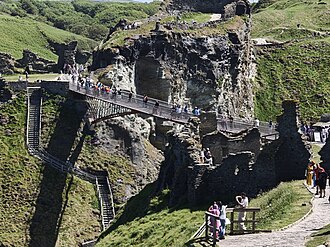
Tintagel Castle
A dramatic clifftop ruin famously linked to the legend of King Arthur's birthplace, split across the mainland and a rugged headland connected by a striking modern footbridge. The 13th-century castle ruins are atmospheric enough on their own, but the setting - sheer cliffs, crashing waves, and Merlin's Cave beneath - is what draws visitors. English Heritage manages the site with interpretive panels separating documented history from legend.
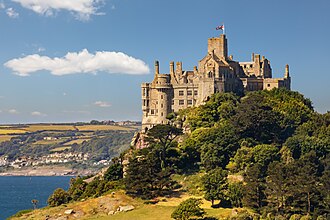
St Michael's Mount
A tidal island crowned by a medieval castle and priory, reachable on foot via a cobbled causeway at low tide or by boat when the sea covers it. Still home to the St Aubyn family, the castle interior features period rooms, armor, and gardens carved into the rock face. The dramatic reveal of the island rising from Mount's Bay as you approach makes this one of Cornwall's most photographed sights.
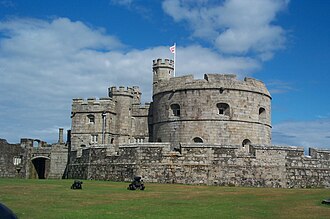
Pendennis Castle
An artillery fort built by Henry VIII to defend the strategically vital Carrick Roads estuary, standing guard over Falmouth alongside its sister fort St Mawes across the water. Visitors can explore the Tudor gun deck, WWII observation post, and underground tunnels used through both World Wars. Panoramic views stretch across Falmouth Harbour and out to the open Atlantic.
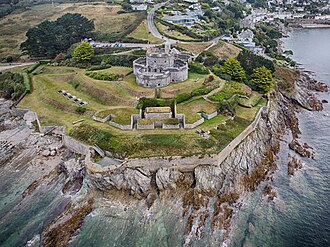
St Mawes Castle
The best-preserved of Henry VIII's coastal artillery forts, built as a clover-leaf shaped defense to work in tandem with Pendennis Castle across the Fal estuary. Unlike its larger sister, St Mawes saw little combat and survives remarkably intact, with decorative Tudor stonework rare among military architecture of the period. A short ferry ride from Falmouth makes it an easy half-day pairing.

Bodmin Jail
A former 18th-century prison turned atmospheric visitor attraction, with cells, gallows, and immersive exhibits recounting 250 years of crime and punishment in Cornwall. Interactive displays and dramatic lighting recreate the harsh conditions inmates faced, including public executions once held outside its walls. The site also houses a hotel and event space within the restored buildings.
Tips for Landmarks & Monuments
- Check tide times before visiting St Michael's Mount - the causeway is only walkable at low tide
- Book Tintagel and St Michael's Mount online in summer to guarantee entry slots
- Wear sturdy footwear - Tintagel involves steep steps and uneven coastal paths
- English Heritage/National Trust membership pays off quickly if visiting multiple sites
Cornwall's unique light and dramatic scenery have drawn artists for over a century, while its industrial past as the world's leading source of tin and copper is preserved in mining heritage collections found nowhere else.
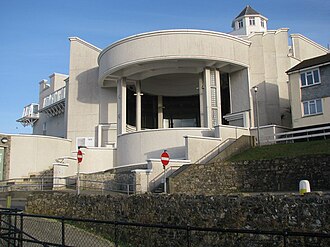
Tate St Ives
A striking modern gallery overlooking Porthmeor Beach, showcasing modern and contemporary British art with a focus on artists connected to the St Ives colony. The building's curved, light-filled design mirrors the coastal landscape that inspired generations of painters and sculptors to settle here from the 1920s onward. Rotating exhibitions pair permanent collection highlights with major touring shows.
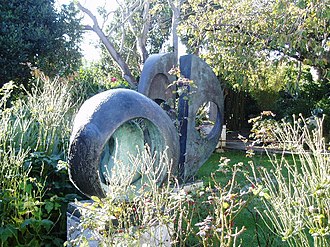
Barbara Hepworth Museum and Sculpture Garden
The preserved studio and garden of sculptor Barbara Hepworth, one of the 20th century's most important abstract artists, left largely as she worked in it until her death in 1975. Bronze and stone sculptures are arranged throughout a lush subtropical garden she designed herself, offering a rare glimpse into an artist's working environment rather than a conventional gallery display.
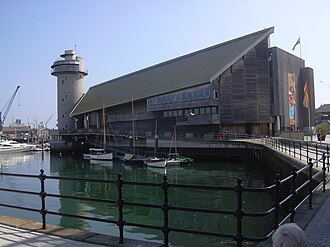
National Maritime Museum Cornwall
A striking waterfront museum in Falmouth exploring Cornwall's deep connection to the sea, from small boats and rescue history to the county's role in global trade and exploration. The Lookout Tower offers 360-degree views over Falmouth Harbour, and interactive galleries appeal to families with hands-on boat-building and knot-tying exhibits.
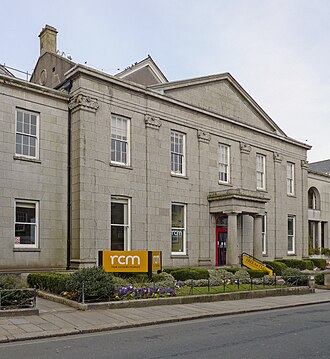
Royal Cornwall Museum (Truro)
The county's principal museum, covering Cornish archaeology, mineralogy, and fine art in the heart of Truro. Highlights include an extensive collection of Cornish minerals and gemstones reflecting the region's mining wealth, Egyptian antiquities donated by 19th-century collectors, and rotating exhibitions on local history and culture.
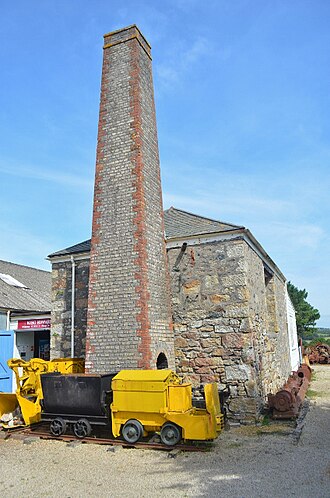
King Edward Mine Museum
The world's oldest surviving tin mining school and processing site, near Camborne, with original Victorian and Edwardian machinery still largely intact. Volunteer-led tours explain the ore-crushing and separation process that once made Cornwall the world's leading tin producer, offering a more hands-on, less polished experience than the larger heritage sites.
Tips for Museums & Galleries
- St Ives galleries cluster within walking distance - combine Tate St Ives with the Hepworth Museum in one visit
- Free entry to some smaller heritage museums; Tate St Ives and NMMC charge admission
- King Edward Mine has limited seasonal opening days - check before traveling out
- Photography generally permitted without flash; ask at galleries about specific exhibition restrictions
Cornwall's churches reflect its distinct Celtic Christian heritage, predating much of English religious history, with saints, holy wells, and coastal chapels tied closely to the county's fishing and mining communities.
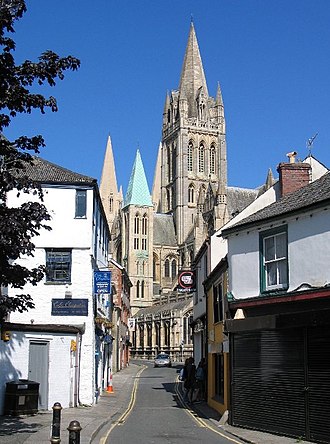
Truro Cathedral
A striking Gothic Revival cathedral completed in 1910, notable for being built on the site of a much older parish church whose surviving south aisle is incorporated into the new structure. Its three spires dominate Truro's skyline, and the interior features vibrant stained glass and a famously resonant organ used for regular recitals and choral evensong.
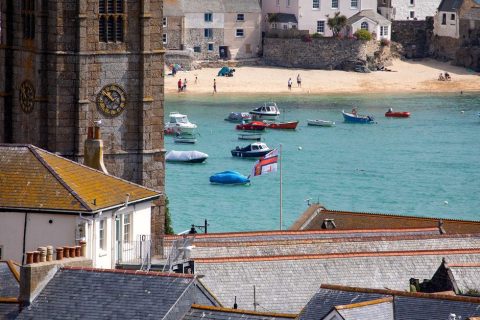
St Just in Roseland Church
Widely considered one of Britain's most beautifully situated churchyards, tucked into a lush subtropical creek-side garden on the Roseland Peninsula. The 13th-century church itself is modest, but the setting - palm trees, exotic plantings, and views over the tidal creek - draws visitors as much for the atmosphere as the architecture.
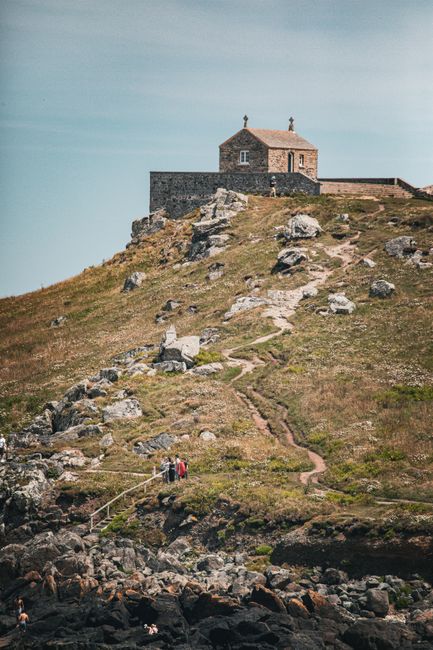
Gunwalloe Church (Church of the Storms)
An unusual medieval church built directly on the sand dunes above Gunwalloe Cove, so close to the sea that storm waves have occasionally reached its walls. Local legend attributes its coastal position to a shipwrecked sailor's vow, and the detached bell tower - built into the adjacent rock outcrop - is a rare architectural feature in England.
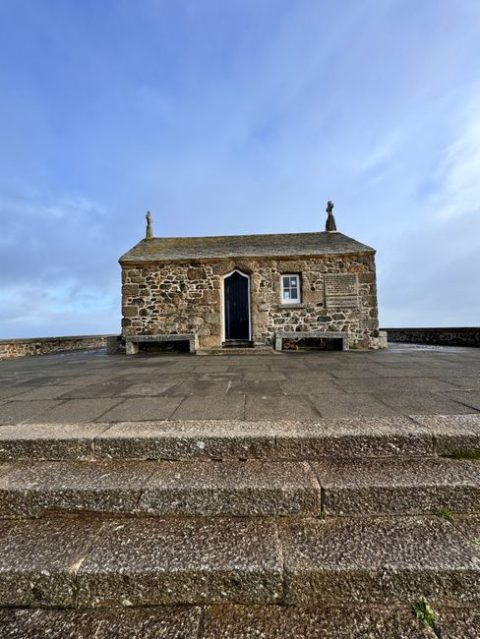
St Piran's Oratory & Cross
The ruined remains of one of Britain's oldest Christian chapels, buried and rediscovered beneath the sand dunes near Perranporth, associated with St Piran, the patron saint of Cornwall and of tin miners. A nearby granite cross marks the traditional site, and the surrounding dune landscape is where Cornwall's black-white-and-gold flag is said to have originated.
Tips for Religious Sites
- St Just in Roseland is best combined with a scenic drive or cycle around the Roseland Peninsula
- Truro Cathedral hosts free choral evensong most weekdays - check the schedule
- Gunwalloe and St Piran's require a short walk from parking across dunes or coast path
- Dress respectfully and keep voices low during active services
Cornwall's Cornish Mining World Heritage Site preserves the industrial landscape that once supplied much of the world's tin and copper, while scattered Bronze and Iron Age remains on its moors reveal habitation stretching back millennia before the mines.
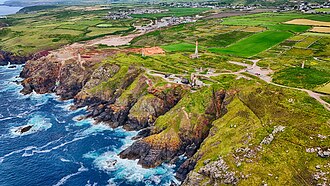
Levant Mine & Beam Engine
A National Trust site preserving a fully restored 1840s steam beam engine, still run under steam on selected days - the oldest working engine of its kind in Cornwall. The clifftop mine site was the scene of a fatal 1919 man-engine disaster, and exhibits explain both the engineering achievement and the harsh working lives of the miners who worked levels extending far beneath the seabed.
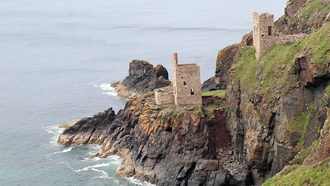
Botallack Mine
Cornwall's most photographed mining ruins, with the Crowns Engine Houses perched dramatically on the cliff edge just above the crashing Atlantic. Part of the Cornish Mining World Heritage Site, Botallack's underground workings once extended out beneath the seabed, and the site's rugged beauty made it a filming location for the BBC's Poldark series.
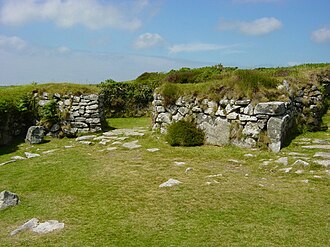
Chysauster Ancient Village
The best-preserved Iron Age and Romano-British settlement in Cornwall, with the stone foundations of courtyard houses still visible on a hillside near Penzance, occupied roughly 2,000 years ago. Interpretive panels explain daily life among the settlement's original inhabitants, and the site's remote moorland setting has changed little since abandonment.
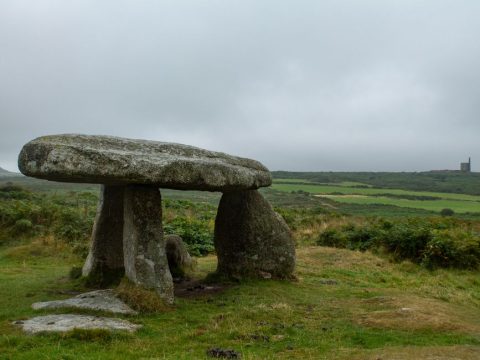
Men-an-Tol & Lanyon Quoit
Two of Cornwall's most striking Bronze Age megaliths on the Penwith moors: Men-an-Tol, a holed stone once believed to have healing properties, and Lanyon Quoit, a dolmen (ancient burial chamber) with a massive capstone balanced on upright stones. Both sit along easy moorland walking trails and are freely accessible year-round.
Tips for Ancient & Historical Sites
- Levant's steam days run on a limited schedule - check the National Trust website before visiting to see the engine running
- Wear windproof layers - the Penwith mining coast is exposed and often windy year-round
- Combine Botallack and Levant via the coast path - they're a 20-30 minute walk apart
- Prehistoric sites are unstaffed and free - park at designated pull-ins and follow marked footpaths
Cornwall's identity lives in its working harbours and fishing village lanes as much as any grand square - narrow, colorful streets tumbling down to slipways where boats still land the day's catch.
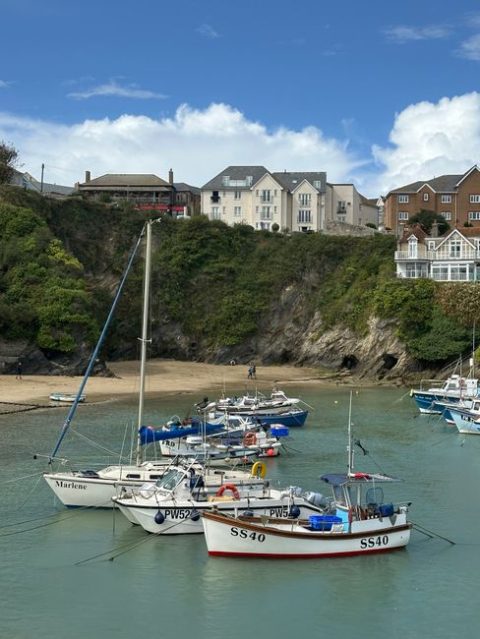
Port Isaac Harbour & Village
A postcard-perfect working fishing harbour with whitewashed cottages stacked along impossibly narrow lanes, familiar to television audiences as the filming location for Doc Martin. Boats still land fresh crab and lobster at the harbour, sold directly from the quayside, and the surrounding coast path offers dramatic views back over the village's tightly packed rooftops.
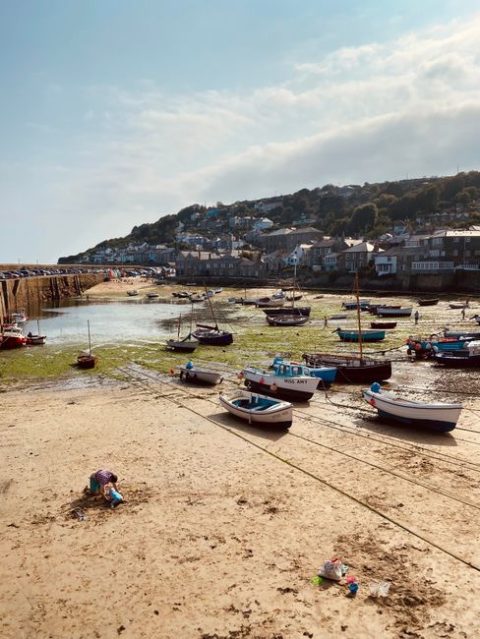
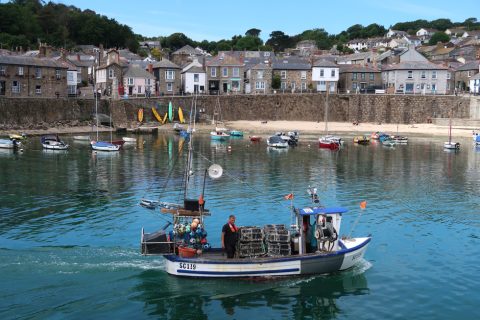
Mousehole Harbour
A tiny, sheltered harbour village near Penzance, once described by poet Dylan Thomas as 'the loveliest village in England'. Granite cottages cluster tightly around the small stone harbour, which nearly dries out completely at low tide. Mousehole is especially magical at Christmas, when the harbour walls are strung with elaborate lights reflecting on the water.
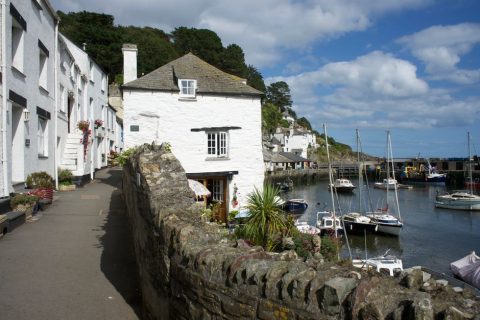
Polperro Harbour Village
A maze of narrow, car-free lanes lined with fishermen's cottages leading down to a small, protected harbour, historically notorious as a smuggling hub in the 18th century. Visitors park outside the village and walk or take a horse-drawn cart in, preserving Polperro's unspoiled, pedestrian character. Small galleries and seafood cafés line the main lane.
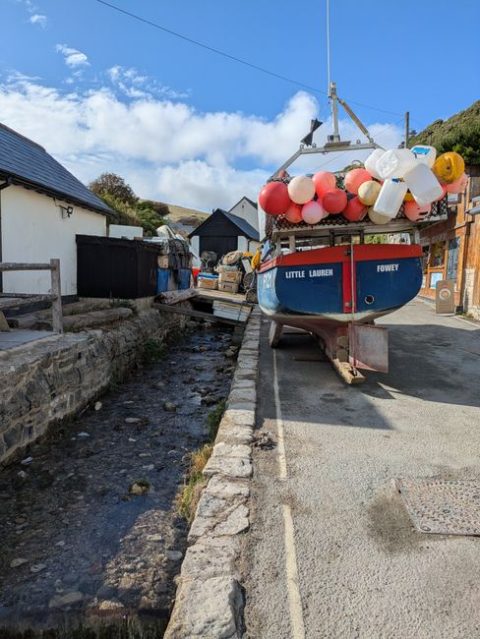
Fowey Waterfront
A colorful sailing town on the Fowey Estuary, with steep streets, independent shops, and a bustling waterfront dotted with yachts and small ferries crossing to Polruan opposite. Fowey has strong literary connections - it inspired settings in Daphne du Maurier's novels - and hosts a well-regarded festival of arts and literature each May.
Tips for Squares & Streets
- Park outside the villages - Port Isaac, Mousehole, and Polperro have very limited or no in-village parking, especially in summer
- Visit early morning for photos without crowds, particularly at Port Isaac's famous lane views
- Fresh seafood stalls at harbours are often the best value lunch option
- Mousehole at Christmas draws large crowds for the harbour lights - arrive early or expect traffic delays
Beyond its villages, Cornwall's larger towns each carry a distinct identity - an artists' quarter, a foodie destination, a Georgian film set - shaped by the industries and creative movements that defined them.
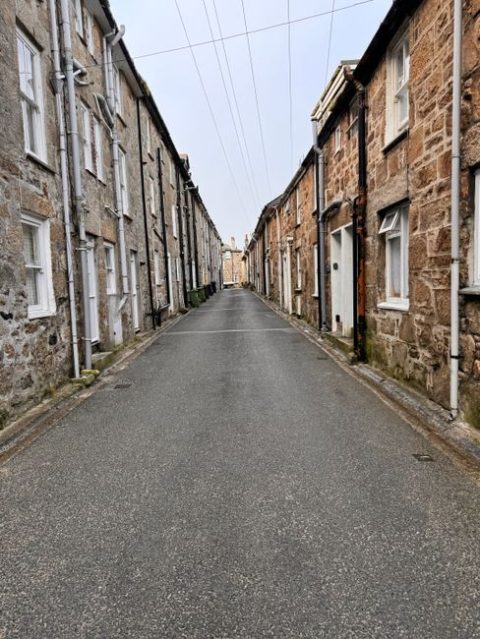
Downalong (St Ives Old Town)
The oldest part of St Ives, a tangle of narrow granite-cobbled lanes once home to fishing families, now filled with independent galleries, studios, and cafés. The district's tight, maze-like layout and whitewashed cottages have barely changed since it inspired generations of painters, and it remains the most atmospheric part of town to wander without a fixed destination.
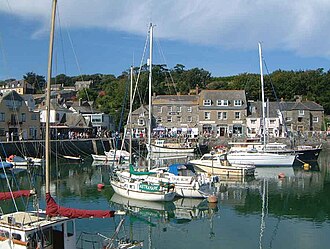
Padstow
A harbour town transformed into one of Britain's leading food destinations, largely thanks to chef Rick Stein's restaurants and cookery school based here. Beyond dining, Padstow retains a working fishing harbour, sandy beaches nearby (including Harbour Cove), and the start of the Camel Trail cycling route along a disused railway line to Wadebridge and beyond.
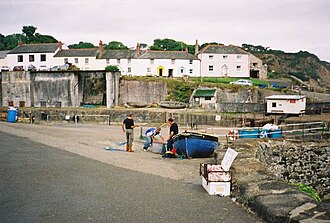
Charlestown
A remarkably preserved Georgian-era port built for the china clay trade, with tall ships still moored in its small harbour basin, unchanged enough to have doubled as a filming location for Poldark and other period dramas. A small shipwreck and heritage centre on the harbourside explains the port's history and its enduring popularity with maritime film productions.
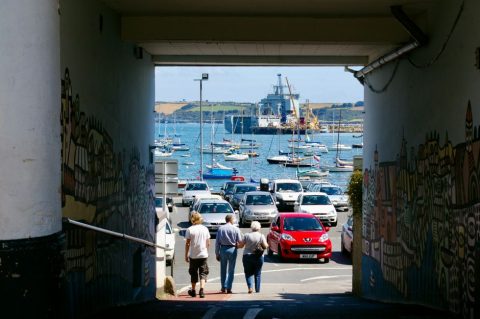
Falmouth Waterfront & Events Square
A lively university and sailing town built around one of the world's deepest natural harbours, with a waterfront mixing independent shops, the National Maritime Museum, and a packed calendar of sailing regattas and festivals. Falmouth's relaxed, youthful energy (driven partly by its art university) sets it apart from Cornwall's quieter fishing villages.
Tips for Neighborhoods & Districts
- Padstow gets very busy in summer - book restaurant tables well ahead, especially Stein's group
- The Camel Trail from Padstow is flat and family-friendly - bike hire available at the trailhead
- Charlestown's harbour is best seen from the surrounding coast path for full context
- Falmouth makes a good base with more year-round dining/nightlife than smaller villages
Cornwall's mild, frost-free climate - warmed by the Gulf Stream - supports subtropical gardens unlike anywhere else in Britain, alongside wild granite moorland and a coastline shaped entirely by the Atlantic.
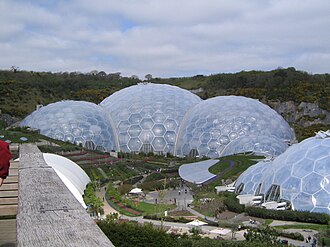
Eden Project
A former china clay quarry transformed into a globally recognized environmental attraction, with giant geodesic biomes recreating rainforest and Mediterranean ecosystems under one roof. Beyond the biomes, extensive outdoor gardens, art installations, and a full events calendar (including a well-known summer concert series) make it a full-day destination for all ages.
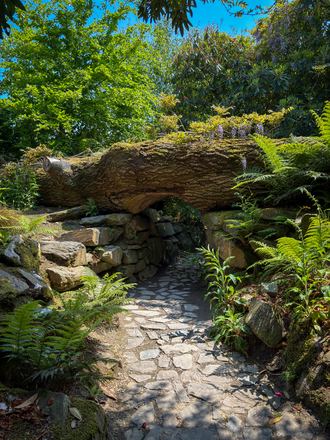
Lost Gardens of Heligan
One of Britain's most famous garden restoration projects, painstakingly revived after decades of neglect following the First World War, when most of the estate's gardeners never returned. The gardens combine formal Victorian plantings with a subtropical 'Jungle' valley and whimsical living sculptures (the Mud Maid and Giant's Head), making it a favorite for families and garden enthusiasts alike.
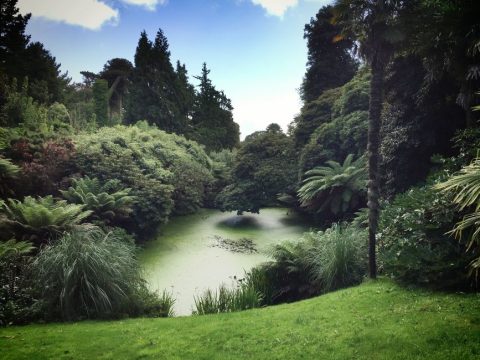
Trebah Garden
A steep, ravine subtropical garden descending 200 feet from the estate house to a private beach on the Helford River, filled with towering tree ferns, gunnera, and rhododendrons that thrive in Cornwall's mild microclimate. The garden's dramatic elevation change and river-mouth setting make it one of the most scenic of Cornwall's celebrated 'Great Gardens'.
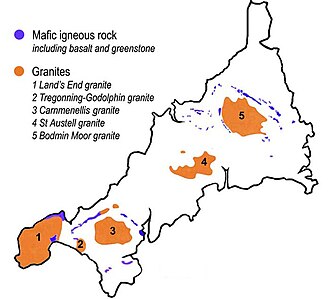
Bodmin Moor
A wild, granite-strewn moorland in central Cornwall, home to Brown Willy (the county's highest point), wild ponies, and Jamaica Inn, the isolated coaching inn made famous by Daphne du Maurier's novel of the same name. The moor's bleak, atmospheric landscape and Bronze Age remains offer a stark contrast to Cornwall's softer coastal gardens.
Tips for Parks & Gardens
- Book Eden Project tickets online in advance for a small discount and to skip queues in peak season
- Heligan and Trebah are best visited spring through early autumn when plantings are at their fullest
- Bodmin Moor weather changes fast - bring waterproofs even on a clear-looking day
- Comfortable shoes essential - Trebah's paths are steep, and Heligan covers extensive ground
Cornwall's Atlantic coastline and mining heritage make it one of Britain's top destinations for outdoor adventure, from the sport of coasteering (invented here) to world-class surf breaks.
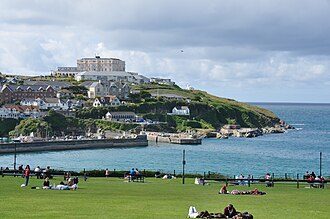
Surfing at Fistral Beach (Newquay)
Cornwall's most famous surf beach and the traditional home of British surfing culture, hosting national and international competitions. Numerous surf schools along the beachfront offer lessons for all levels, from complete beginners to those chasing bigger swells further along the coast. Newquay's broader surf scene includes board rental shops, beach bars, and a lively evening atmosphere.
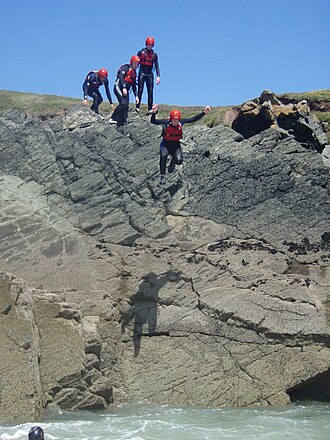
Coasteering
A sport invented on this coastline, combining cliff scrambling, sea swimming, and cliff jumping guided by wetsuit-clad instructors along Cornwall's rugged granite coves. Operators run trips from several Cornish bases, adjusting routes to tide, swell, and group experience level - an adrenaline-driven way to experience coastline inaccessible by any other means.
Isles of Scilly Boat Trips
Day trips by ferry from Penzance (or scenic flights from Land's End/Newquay) to the Isles of Scilly, a subtropical archipelago 28 miles off Cornwall's coast with turquoise water, white sand beaches, and the sub-tropical Tresco Abbey Garden. The crossing itself often includes dolphin and seabird sightings.
Cornish Mining Heritage Tours
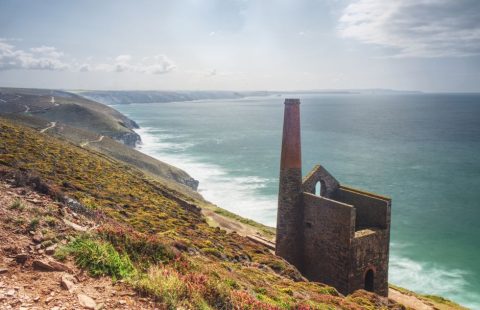
Guided tours connecting Cornwall's UNESCO-listed mining engine houses (Levant, Botallack, Geevor) with expert commentary on the industry that once made Cornwall a global mining powerhouse and drove Cornish emigration worldwide following the tin trade's 19th-century collapse. Some tours combine mine visits with underground experiences at sites like Geevor Tin Mine.
Camel Trail Cycling
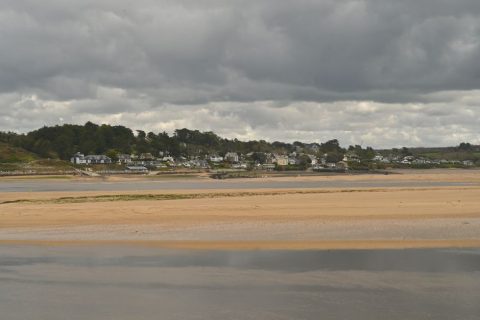
A flat, traffic-free cycling and walking route along a former railway line between Padstow, Wadebridge, and Bodmin, following the scenic Camel Estuary through woodland and open countryside. Bike hire is widely available at Padstow and Wadebridge, making it one of the most accessible ways to see inland Cornwall, suitable for families and casual riders.
Tips for Tours & Activities
- Book surf lessons and coasteering ahead in peak summer - popular schools fill quickly
- Wetsuits are provided for coasteering and most surf lessons even in summer - the Atlantic stays cool
- Isles of Scilly ferry can be rough - consider the flight option if prone to seasickness
- Camel Trail bike hire often includes child seats and tag-alongs for families
Cornwall's compact size makes its farthest extremities and neighboring Devon easy day trips, from the mainland's westernmost tip to an open-air theatre carved into a cliff face.
Land's End
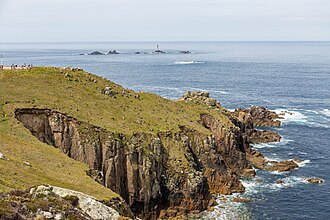
The westernmost point of mainland England, where dramatic granite cliffs meet the open Atlantic with nothing but ocean between here and the Americas. Beyond the iconic signpost (showing distances to New York and John o' Groats), the surrounding coast path offers some of Cornwall's most rugged scenery, largely free of the small visitor complex's crowds once you walk a short distance.
Minack Theatre
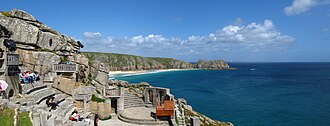
A spectacular open-air theatre carved into the cliffs above Porthcurno Beach, built almost single-handedly by Rowena Cade starting in the 1930s. Performances run through summer with the Atlantic as a literal backdrop, but even without a show, the terraced stone seating and clifftop setting make it worth visiting, especially at sunset.
The Lizard Peninsula
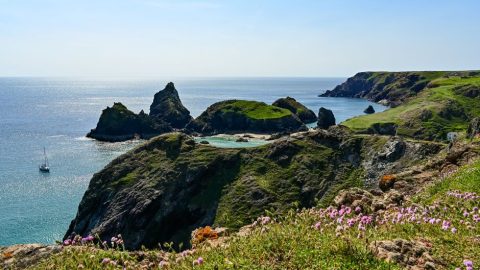
The southernmost point of mainland Britain, a wild peninsula of serpentine rock cliffs, coves, and the historic Lizard Lighthouse. Kynance Cove, with its turquoise water and jagged rock stacks, is considered one of Cornwall's most beautiful beaches and is best visited outside peak midday hours when parking and crowds are lighter.
Dartmoor National Park (Devon)
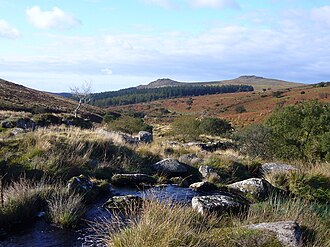
A vast expanse of wild granite moorland just across the Tamar River in neighboring Devon, offering a different landscape of tors, wild ponies, and prehistoric stone circles. Dartmoor makes a natural extension for travelers continuing east from Cornwall, with hiking routes ranging from easy valley walks to challenging multi-day treks.
Tips for Day Trips & Excursions
- Land's End and Minack Theatre pair naturally as a single day trip along the same stretch of coast
- Kynance Cove parking fills early in summer - arrive before 10 AM or plan for a walk-in from further away
- Book Minack performances well ahead for popular summer productions
- Dartmoor requires a car and a full day given the distance from most Cornish bases
Cornwall does not have one giant county-wide Christmas market, but its towns each run their own festive traditions through December. Expect twinkling harbourside lights in fishing villages, a proper market square in the county town of Truro, a chef-led food festival in Padstow, and an after-dark winter wonderland at the Eden Project.
Truro Christmas Market
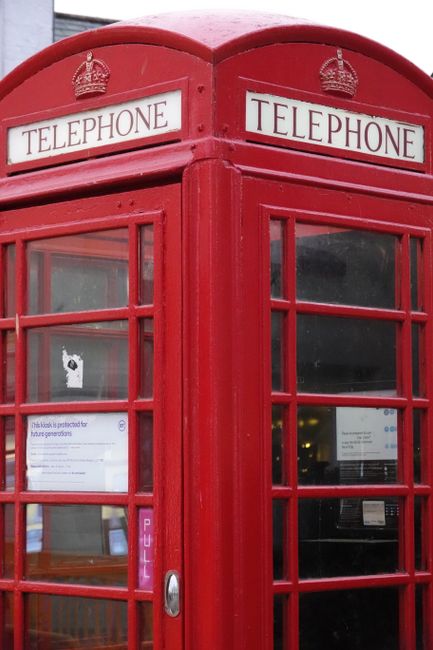
Cornwall's largest festive market fills Lemon Quay in Truro, the county town, with wooden chalets selling Cornish crafts, mulled cider, and street food. In December 2026 it is expected to run from late November through Christmas Eve, alongside a big wheel, carousel, and evening late-night shopping events with carol singers. It is free to enter and easy to combine with Truro's independent shops and the cathedral, which is lit up for the season. Weekends bring the biggest crowds, so a weekday afternoon visit is more relaxed. It is the closest thing Cornwall has to a classic European-style Christmas market and a good half-day base for exploring the rest of the city on foot.

Eden Project Christmas
The Eden Project transforms into an after-dark winter attraction each December, with an illuminated trail through the outdoor gardens, an ice rink, festive food stalls, and seasonal music inside the famous biomes. It typically runs on selected evenings from late November into early January, alongside normal daytime biome visits. It is one of the few Cornwall attractions that leans fully into a big-ticket festive experience rather than a traditional market, so it suits families and anyone wanting something more than stalls and mulled wine. Evening slots sell out, particularly weekends close to Christmas, so booking online in advance is strongly recommended. Warm clothing is essential as much of the trail is outdoors.
Padstow Christmas Festival
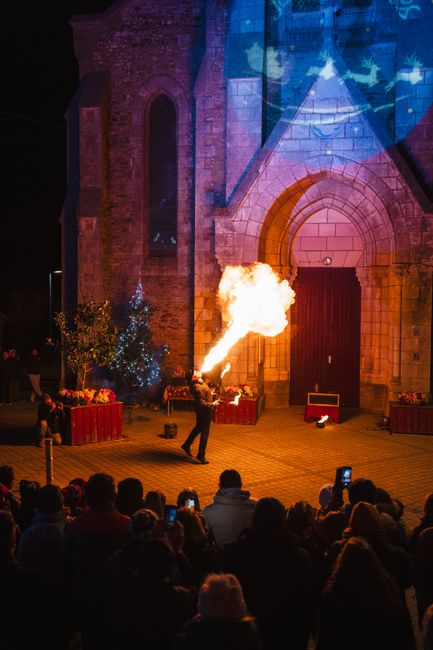
This foodie weekend festival, historically associated with chef Rick Stein, takes over the harbour town of Padstow in early December with cookery demonstrations, a torchlight procession, live music, and stalls selling Cornish produce and gifts. In 2026 it is expected to fall on the first weekend of the month. Unlike a typical market, the emphasis here is on food and drink rather than crafts, making it a great stop for anyone touring Cornwall's coast. The town itself, with its working harbour and pastel cottages, is worth wandering regardless of the festival. Arrive early on the Saturday, as the compact centre gets busy and some cookery events require advance booking.
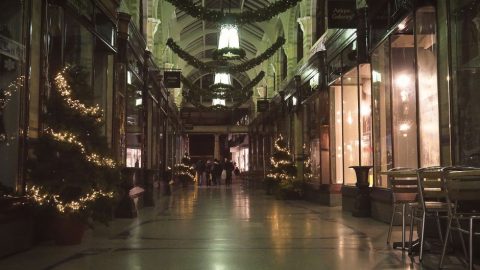
Falmouth Christmas Lights and Late-Night Shopping
Falmouth's high street and harbour area switch on their Christmas lights in late November, kicking off a season of late-night shopping evenings, carol singers, and small stalls run by local makers along Market Strand and the Moor. It is a low-key, distinctly Cornish alternative to a formal market: independent shops stay open late, cafes serve mulled wine, and the harbour lights reflect on the water. There is no single ticketed event, so visitors can simply wander at their own pace. It pairs well with a daytime look at Falmouth's maritime museum or a walk along the docks, and makes for a relaxed evening stop for travellers based elsewhere in Cornwall.
Tips for Christmas Market
- Cornwall's festive events are spread across towns rather than concentrated in one place, so plan a route rather than expecting to see everything from a single base.
- Book Eden Project evening slots and any Padstow Festival cookery events well ahead, as December dates sell out.
- Pack warm, waterproof layers — most events are outdoors and Cornish winter weather turns quickly.
- Weekday visits to Truro Christmas Market avoid the busiest weekend crowds.
Cornwall's after-dark scene ranges from Newquay's high-energy club strip to laid-back beach bars and centuries-old harbourside pubs. Whether you are after live music, sunset cocktails or a proper dance floor, the county's nightlife spreads across its coastal towns rather than concentrating in one district.
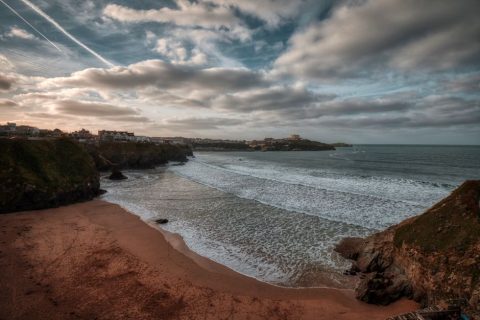
Newquay After Dark
As Cornwall's liveliest coastal town, Newquay turns from surf town to party town once the sun sets. Bank Street and the surrounding lanes host a dense cluster of bars, pubs and clubs that keep pumping until the early hours, drawing a mix of surfers, stag and hen parties and summer holidaymakers. Expect chart and dance music in venues like Sailors and Central, pool tables and cheap pitchers in the surf-crowd pubs, and a lively pre-drinks scene along the high street. It is loud, unpretentious and very much geared toward a younger crowd looking for a proper night out rather than a quiet pint. Queues form outside the bigger clubs from around 11pm on weekends, and fancy dress nights are a local tradition. For a calmer alternative, several bars along the same strip offer live acoustic sets earlier in the evening before the music switches over to DJs.
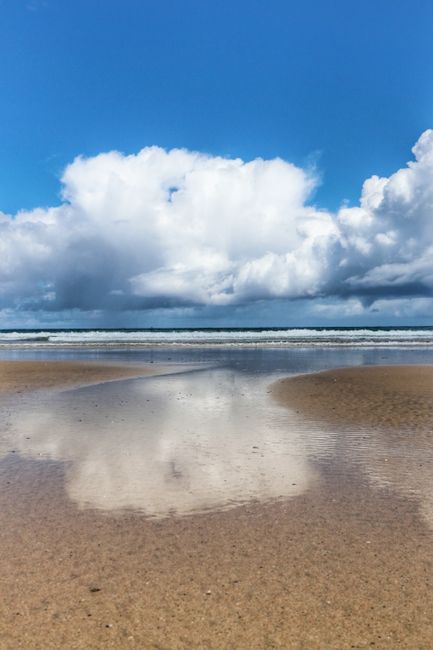
The Watering Hole, Perranporth
Billed as the only bar in the UK actually built on the beach, The Watering Hole at Perranporth is a Cornish institution for laid-back, sand-between-your-toes nightlife. Evenings here run from beachfire sunset sessions to full live band nights featuring reggae, ska and local rock acts, with the crowd spilling out onto the sand when the weather allows. It draws a mixed crowd of surfers, locals and visitors rather than a strictly party scene, and the atmosphere stays friendly and unpretentious even when the music gets going. Food and cocktails are served until late, and in summer the bar hosts themed festival-style weekends with multiple acts across a single night. Because it sits directly on an active beach, opening hours shift with the tide and season, so checking ahead before making the trip out is worthwhile.
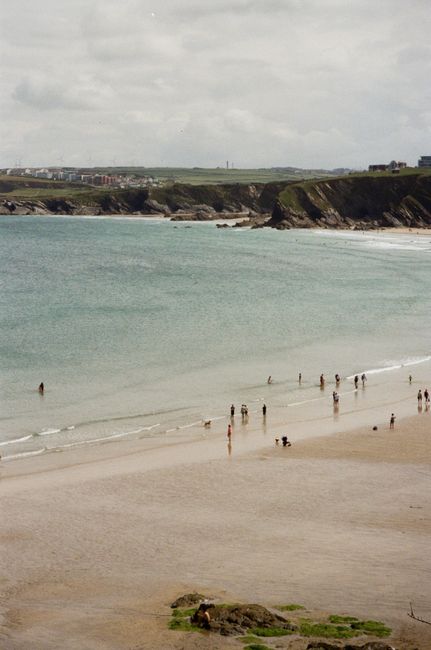
The Blue Bar, Fistral Beach
Perched right on Fistral Beach, this laid-back bar and restaurant is the go-to spot for watching the sun sink over the Atlantic with a cocktail in hand. By day it serves surfers and families; by night the vibe shifts to a relaxed lounge atmosphere with DJ sets on summer weekends and a terrace that stays busy long after the beach empties out. The drinks list leans heavily on rum cocktails and local ales, and the kitchen keeps serving well into the evening for anyone who wants dinner alongside the view. It is a favourite for a pre-club drink before heading into central Newquay, or simply as a destination in its own right for an evening that feels more coastal chic than nightclub. Booking a table for sunset is recommended in peak summer, though the bar area is generally walk-in.
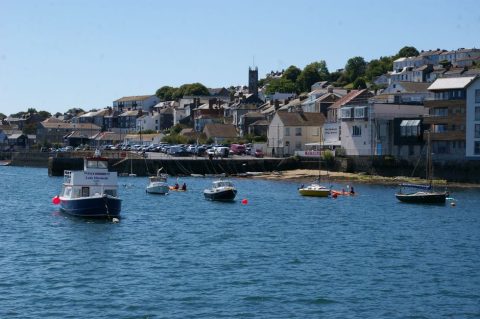
The Chain Locker, Falmouth
Overlooking the working harbour, The Chain Locker is one of Falmouth's oldest pubs and a reliable spot for an evening that favours atmosphere over volume. Wooden beams, nautical bric-a-brac and a quayside terrace set the scene for real ales, Cornish ciders and the occasional folk or acoustic session, especially during Falmouth's regular sailing and shanty events. It is popular with sailors, students from the nearby university and locals alike, giving it a more grown-up, conversational feel than the town's louder late-night bars. On calm evenings the outdoor tables fill quickly with people watching boats come in as the light fades. It makes an easy stop on a wider pub crawl through Falmouth's harbourside streets, most of which stay walkable and well lit into the night.
Tips for Nightlife & Entertainment
- Newquay's clubs get busiest after 11pm on weekends in summer, so arrive earlier to skip queues.
- Many coastal bars close early or unpredictably outside peak season, so call ahead between October and March.
- Local buses stop running well before closing time in most towns, so budget for a taxi back to your accommodation.
- Beachfront venues like The Watering Hole depend on tide times for access, check conditions before setting out after dark.
Cornwall packs an unusual amount of rainy-day and sunny-day fun for families into a small peninsula, from zoos and aquariums to farm parks and hands-on museums. Most attractions below are easy half-day stops that pair well with a beach morning, and many offer undercover play areas for when the weather turns.
Newquay Zoo
Set in subtropical gardens overlooking Trenance Boating Lake, Newquay Zoo is a compact, walkable zoo that punches above its size. Kids can watch African penguins being fed, spot red pandas, meerkats and lemurs, and cross the jungle-themed play area with rope bridges and slides. The zoo runs regular keeper talks throughout the day, giving children a chance to ask questions and get close to enrichment sessions. There is a splash pad in summer, an indoor soft-play barn for wet days, and a cafe with a terrace overlooking the lake. Paths are pushchair-friendly and the whole loop takes a comfortable half day. It is a reliable, low-stress outing that works for toddlers through to older children, and the site is small enough that nobody gets exhausted trying to see everything.

Blue Reef Aquarium Newquay
Built into the cliffs above Towan Beach, Blue Reef Aquarium walks visitors through a glass underwater tunnel surrounded by rays, sharks and tropical fish. Interactive touch pools let children handle starfish and anemones under staff supervision, and daily talks explain the marine life on show, including a resident colony of otters just outside the main tank hall. Themed zones cover everything from Cornish rockpool species to Amazonian piranhas, making it an easy way to combine local sea life with more exotic creatures in one visit. The indoor setting makes it a dependable choice when the coast is too wet or windy for the beach itself. Visits typically take around ninety minutes to two hours, and the aquarium sits close enough to Newquay's main beaches to slot into a longer day out.
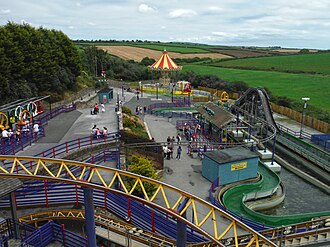
Flambards Theme Park
Near Helston, Flambards mixes fairground rides with quirky indoor exhibits, including a life-size recreation of a Victorian village street and a hangar of retired aircraft that older kids enjoy climbing through. Rollercoasters, a log flume and gentler rides for younger children sit alongside dinosaur-themed play zones and an indoor soft-play area, so the park works across a wide age range in one visit. Because much of the site is under cover, it stays a solid option even when Cornish weather turns. Queues are generally short compared with larger mainland parks, and there is enough variety that a full day rarely feels repetitive. Food options and picnic areas are dotted throughout, and the park is easy to reach from the Lizard Peninsula's beaches if families want to split a day between rides and coast.
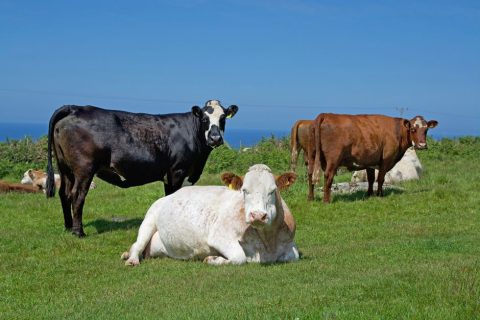
Dairyland Farm World
Near Newquay, Dairyland Farm World is a working dairy farm turned family attraction, where children can bottle-feed lambs or calves depending on the season and watch cows being milked from a viewing gallery. An adventure play barn with slides and ball pits gives younger visitors somewhere to burn energy indoors, while outdoor pens let kids handle rabbits, guinea pigs and other small animals. Tractor and trailer rides around the farm are a highlight for toddlers, and the farm shop sells produce made on site. It is a genuinely hands-on, unpolished sort of place rather than a slick theme park, which tends to suit younger children particularly well. Most of a visit can be done in a morning or afternoon, making it easy to combine with another nearby stop such as a beach or the zoo.

National Lobster Hatchery
On Padstow's harbourside, the National Lobster Hatchery is a small conservation centre where children can see baby lobsters being reared for release back into the sea. Interactive tanks let kids get close to crabs, lobsters and other shoreline creatures, and staff explain the hatchery's breeding programme in simple, child-friendly terms during short talks. Because it is compact, a visit rarely takes more than an hour, making it an easy add-on to a wander around Padstow's harbour rather than a destination in its own right. The hands-on touch tanks and the novelty of watching tiny lobsters up close tend to hold younger children's attention well. It is an inexpensive, low-key stop that also quietly teaches kids about marine conservation without feeling like a lesson.
Tips for With Kids
- Book zoo, aquarium and theme park tickets online in advance during summer school holidays for cheaper prices and shorter queues.
- Pack swimwear even for indoor attractions, several have splash pads or touch pools.
- Pair an indoor attraction with a beach visit on the same day to balance energy levels and weather risk.
- Most farm and wildlife attractions offer feeding sessions at set times, check the day's schedule on arrival.
Cornwall bursts into life with a packed calendar of festivals, harvest fairs, food weeks and seasonal lights that follow the rhythm of the coastline through the year. From spring flower shows in sheltered valley gardens to summer music series on clifftop greens and cosy midwinter celebrations in fishing villages, there is always something worth planning a visit around. Below is a selection of recurring 2026 events across the county.
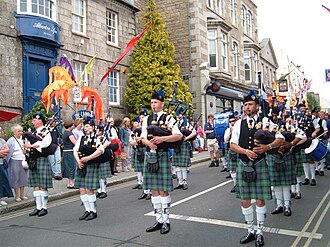
Golowan Festival (Penzance Midsummer Celebration)
Golowan, meaning midsummer in Cornish, transforms Penzance from 19 to 28 June 2026 with lantern parades, live music, a serpent dance through the streets and a fireworks finale over the harbour. Rooted in ancient Cornish bonfire traditions, the modern revival includes a large community arts programme, market stalls and Mazey Day, the festival's climactic street celebration on the final Saturday. Children's workshops run throughout the week to build lanterns for the evening procession. The atmosphere is loud, colourful and distinctly Cornish, blending Celtic heritage with contemporary performance. Most events are free and outdoors, though the town gets busy, so arriving early for good vantage points along the parade route is advised. It is one of the largest community festivals in the South West.

Mousehole Christmas Lights and New Year Harbour Celebration
From 12 December 2026 to 2 January 2027, the tiny harbour village of Mousehole strings thousands of lights across its harbour walls and cottages in a tradition dating back decades, drawing visitors from across the county each evening. A torchlight procession and choir performances mark the switch-on weekend, followed by nightly illuminations reflecting on the water. On New Year's Eve, crowds gather along the harbour for a midnight countdown and fireworks display over the sea. Narrow streets get extremely busy on peak evenings, so parking in the village itself is very limited and a park-and-ride shuttle from Penzance is recommended. The lights are especially photogenic at high tide when reflections double the display. It is a free, family-friendly way to see Cornwall at its most festive.

Cornwall Spring Flower and Garden Festival
Held across the county's famous subtropical valley gardens from 14 March to 5 April 2026, this festival celebrates Cornwall's mild microclimate with camellias, magnolias and early rhododendrons in full bloom. Visitors can join guided walks, plant sales and talks by head gardeners at participating estates near Falmouth and the Fal Estuary. The event marks the unofficial start of the tourist season, and many gardens open extended hours for the occasion. Early spring light makes this a favourite time for photographers, and local cafes run special garden-themed menus. Expect mild but changeable weather, so layers and waterproof footwear are recommended. It is a relaxed, low-key event ideal for families and gardening enthusiasts alike, with several gardens offering discounted joint entry tickets during the festival period.
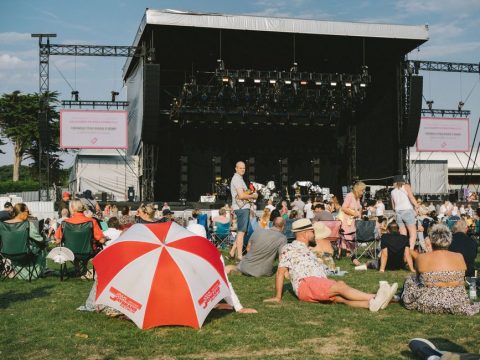
Port Eliot Summer Concert Series
Set within the parkland of a historic estate near St Germans, this open-air concert series runs on selected weekends from 18 July to 16 August 2026, hosting folk, acoustic and contemporary acts on an outdoor stage beside the river. Picnic blankets and camping chairs are welcome, and local food vendors line the grounds selling Cornish pasties, cider and seafood. The setting combines rolling lawns, ancient trees and glimpses of the estate's deer park, making it as much a scenic day out as a music event. Evening performances often finish with a communal singalong as the light fades over the valley. Advance tickets are recommended for headline dates since capacity is limited to protect the grounds. Dogs on leads are permitted on daytime sessions but not evening concerts.
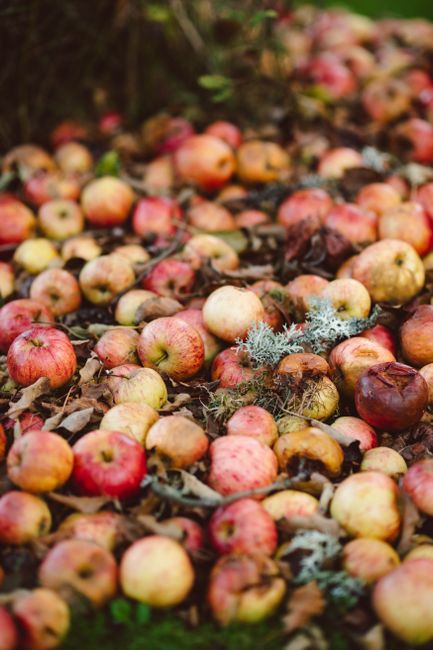
Cornwall Harvest and Cider Fair
Taking place across orchards and farms near Truro and the Tamar Valley from 26 September to 11 October 2026, this harvest fair celebrates the county's apple orchards with cider pressing demonstrations, farmers markets and pumpkin picking. Families can watch traditional wassailing displays, try fresh-pressed juice and browse stalls selling autumn produce, jams and local cheeses. Several farms host tractor rides and scarecrow trails aimed at younger visitors. The scent of woodsmoke and baked apples fills the air as evenings draw in, and some venues extend into candlelit weekend markets. It is a slower-paced, rural counterpart to Cornwall's summer festivals, best suited to visitors wanting a quieter, food-focused experience. Wellies are advisable after rain, as most sites are on working farmland.
Tips for Events Calendar
- Book accommodation well ahead for Golowan and the Mousehole lights, as both draw large crowds and fill nearby villages fast.
- Check individual event websites closer to the date, as exact dates can shift slightly year to year around tides and school holidays.
- Pack layers and waterproofs regardless of season, as Cornish weather can change quickly even during summer festivals.
- Use park-and-ride or arrive early for harbour village events, since parking in places like Mousehole is extremely limited.
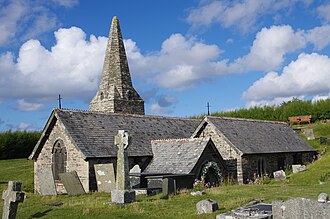
Real, highly-rated Restaurants in Cornwall, sourced from Google Places (rating above 4★).
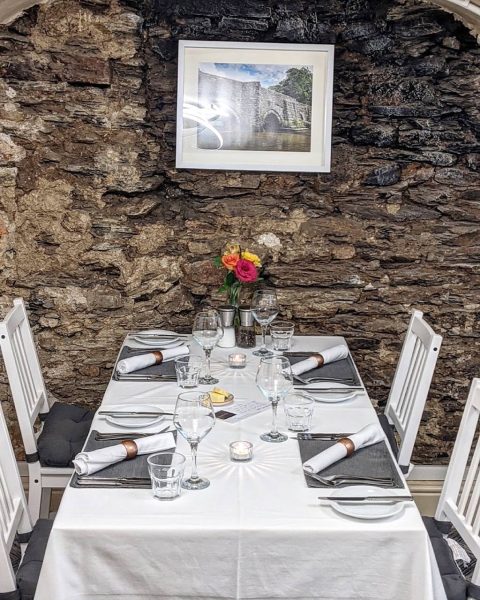
Restormel Kitchen
Restormel Kitchen is a highly-rated restaurant in Cornwall, rated 5★ from 106 reviews. Located at 3 Fore St, Lostwithiel PL22 0BP, UK.
Opening Hours
- Monday: Closed
- Tuesday: 6:00 – 9:00 PM
- Wednesday: 12:00 – 2:00 PM, 6:00 – 9:00 PM
- Thursday: 12:00 – 2:00 PM, 6:00 – 9:00 PM
- Friday: 12:00 – 2:00 PM, 6:00 – 9:00 PM
- Saturday: 12:00 – 2:00 PM, 6:00 – 9:00 PM
- Sunday: Closed
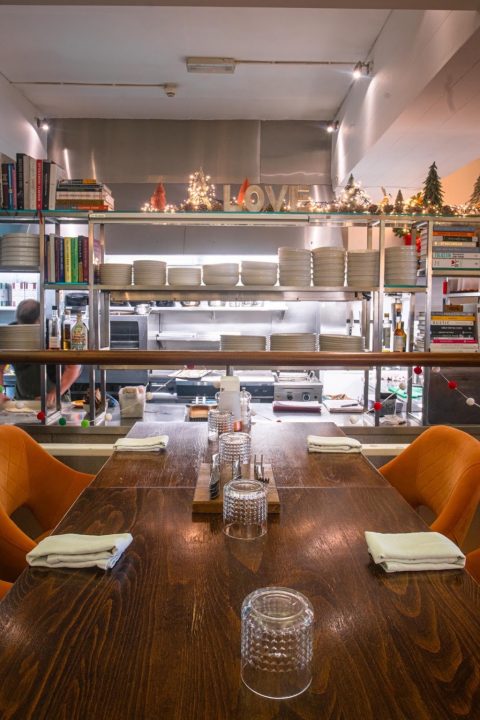
Edie's
Edie's is a highly-rated restaurant in Cornwall, rated 4.9★ from 606 reviews. Located at 10 Beach Rd, Carlyon Bay, Saint Austell PL25 3PH, UK.
Opening Hours
- Monday: Closed
- Tuesday: Closed
- Wednesday: 12:00 – 2:30 PM, 6:00 – 9:00 PM
- Thursday: 6:00 – 9:00 PM
- Friday: 12:00 – 2:30 PM, 6:00 – 9:00 PM
- Saturday: 12:00 – 2:30 PM, 6:00 – 9:00 PM
- Sunday: Closed
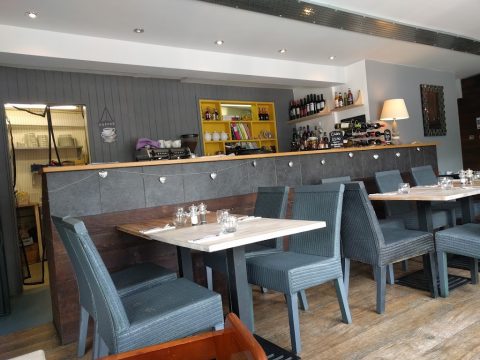
Stepping Stone
Stepping Stone is a highly-rated restaurant in Cornwall, rated 4.9★ from 304 reviews. Located at Foundry House, Polmorla Rd, Wadebridge PL27 7ND, UK.
Opening Hours
- Monday: Closed
- Tuesday: 6:30 – 8:30 PM
- Wednesday: 12:00 – 2:00 PM, 6:30 – 9:00 PM
- Thursday: 12:00 – 2:00 PM, 6:30 – 9:00 PM
- Friday: 12:00 – 2:00 PM, 6:30 – 9:00 PM
- Saturday: 12:00 – 2:00 PM, 6:30 – 9:00 PM
- Sunday: 12:00 – 3:00 PM
Explore Cornwall on the Map
Seasonal Guide to Cornwall
Spring (April-May): Gardens like Heligan and Trebah are at their most colorful with rhododendrons and camellias in bloom, temperatures mild (10-16°C), and crowds noticeably thinner than summer. Some coastal attractions may have reduced hours before the full season starts.
Summer (June-August): Peak season - warm weather (17-22°C), all attractions fully open, and the best window for beaches and watersports. Popular villages like Padstow and St Ives become very crowded, and parking fills early; book accommodation and restaurants well ahead, especially for the August school holidays.
Autumn (September-October): A favorite among repeat visitors - the sea stays relatively warm from summer, crowds thin significantly after early September, and mild temperatures (13-18°C) suit coastal walking. Storms become more frequent by late October, adding drama to the coastline.
Winter (November-March): Mild by UK standards (5-11°C) thanks to the Gulf Stream, but wet and windy with the shortest daylight hours. Many smaller attractions and seasonal cafés close; storm-watching along the north coast has its own appeal for a smaller number of visitors.
Getting Around Cornwall
Arriving in Cornwall
By Air: Newquay Cornwall Airport (NQY) has domestic flights from London and a few European routes. Most international visitors fly into London and continue by train or rental car (roughly 4.5-5.5 hours by road from London).
Inter-Town Travel
Trains: Great Western Railway runs the scenic main line from London Paddington to Penzance (about 5 hours), with a branch line to St Ives offering dramatic coastal views. Branch services to Newquay and Falmouth also exist but run less frequently.
Buses: First Kernow operates routes across the county, useful for reaching towns but with limited frequency to more remote villages and attractions.
Rental Cars: Highly recommended for exploring beyond the main towns - narrow country lanes with passing places are typical, and many of Cornwall's best sights (mining ruins, prehistoric sites, remote coves) are only practically reachable by car. Roads are generally well maintained but can be very slow-going and congested in peak summer weeks.
Local Transportation
Park & Ride / Village Parking: Several villages (Polperro, sometimes St Ives) restrict or heavily limit in-village parking - use designated car parks and walk or take a local shuttle in.
Ferries: Small foot-passenger ferries cross estuaries efficiently, e.g., Falmouth to St Mawes, Fowey to Polruan - often faster than driving around.
✈️ Airport Transfer
Cornwall Airport Newquay (NQY) to city center:
- The airport is served by Go Cornwall Bus service 56, which runs between Newquay and Padstow via the airport: Service 56 links the airport with Newquay, but it runs on a timetable; check the current service before relying on it as a regular 20-minute transfer, about £3-5 one way
- Taxi: Metered taxi to Newquay in 15-20 minutes for roughly £15-20, or up to £60-70 for longer runs to Truro or St Ives
- Car Hire: Several desks in the terminal, from about £35-50 per day, recommended given Cornwall's spread-out attractions
- Private Transfer: Pre-booked minibus or car to destinations across Cornwall in 30-90 minutes depending on distance, typically £40-120
Shopping & Souvenirs
What to Buy
Cornish Pasties: The definitive local food souvenir - look for the Cornish Pasty Association's protected geographical indication mark for an authentic recipe, sold at bakeries throughout the county.
Local Art & Crafts: St Ives' galleries sell everything from major gallery pieces to affordable prints and ceramics reflecting the town's century-long artistic tradition.
Cornish Sea Salt & Clotted Cream: Regional food products including hand-harvested sea salt and clotted cream (essential for a proper Cornish cream tea, spread on scones before jam).
Serpentine Stone Items: Polished green-veined serpentine rock, quarried on the Lizard Peninsula, carved into bowls, jewelry, and ornaments - a distinctly local craft.
Where to Shop
Farmers' Markets: Truro and Falmouth host regular markets with fresh local produce, cheese, and baked goods.
Independent Galleries: St Ives' Downalong district and Falmouth's high street have the highest concentration of artist-run shops.
Farm Shops: Roadside farm shops across Cornwall sell excellent local produce, jams, and clotted cream, often at better value than tourist-area shops.
Festivals & Annual Events
Major Cultural Festivals
Falmouth Week (August): One of the UK's largest sailing regattas, combining yacht racing with a week of harbourside entertainment, fireworks, and events across the town.
Golowan Festival (Penzance, June): A revival of Cornwall's traditional Midsummer celebrations, featuring the 'Mazey Day' street parade with elaborate lanterns and costumes.
The du Maurier Fowey Literary Festival; the 2026 festival ran 1–9 May: A week-long celebration of writing and the arts, drawing on the town's connection to author Daphne du Maurier.
Newquay Boardmasters (August): A major surf and music festival combining competitive surfing with live music performances on Fistral Beach.
Traditional Celebrations
St Piran's Day (March 5): Cornwall's patron saint's day, celebrated with parades and the flying of the black-and-white St Piran's flag across the county.
Padstow 'Obby 'Oss (May 1): An ancient May Day folk tradition in Padstow featuring costumed 'hobby horse' figures parading through the town accompanied by drumming and singing - one of England's oldest continuous folk customs.
Christmas Lights (December): Mousehole's harbour lights and similar displays in other fishing villages draw visitors throughout December.
Sample Day Itineraries
Day 1: St Ives & the Art Coast
Morning (9:00-12:00): Explore Tate St Ives and the Barbara Hepworth Museum, then wander Downalong's narrow lanes and galleries.
Lunch (12:00-13:30): Fresh seafood at the harbourside.
Afternoon (13:30-18:00): Drive to Land's End (45 minutes) and continue to Minack Theatre for a clifftop visit at Porthcurno.
Evening: Dinner in St Ives or Penzance.
Day 2: Castles & Coastline
Morning (9:00-12:30): Visit St Michael's Mount (check tide times), then drive to Falmouth (40 minutes).
Lunch (12:30-14:00): Waterfront lunch in Falmouth.
Afternoon (14:00-18:00): Explore Pendennis Castle and the National Maritime Museum; ferry across to St Mawes Castle if time allows.
Evening: Overnight in Falmouth or continue to the Roseland Peninsula.
Day 3: Mining Heritage & Fishing Villages
Morning (9:00-12:30): Visit Levant Mine and Botallack along the dramatic Penwith mining coast.
Lunch (12:30-13:30): Pasty lunch in St Just.
Afternoon (13:30-18:00): Drive to Port Isaac (about 1 hour) for the afternoon, then continue to Padstow for dinner.
Evening: Dinner in Padstow, overnight nearby.
Day 4: Gardens & Moorland
Morning (9:00-13:00): Full morning at the Eden Project or Lost Gardens of Heligan (choose one for a relaxed pace).
Lunch: Café at the gardens.
Afternoon (13:00-17:00): Drive to Bodmin Moor, stopping at Jamaica Inn, or continue toward Charlestown's Georgian harbour.
Evening: Return to base for a final Cornish dinner.
Best Photography Locations
Iconic Landmarks
Tintagel Castle Bridge: The dramatic modern footbridge spanning the gorge to the castle headland. Best time: Morning light before crowds build, or overcast days for even lighting on the stone.
St Michael's Mount at Low Tide: The castle reflected in wet sand as the causeway emerges. Best time: Check tide tables for low tide during golden hour.
Natural Landscapes
Botallack's Crowns Engine Houses: The iconic ruined engine houses perched above crashing waves. Best time: Late afternoon for warm light on the granite, or stormy days for dramatic spray.
Kynance Cove: Turquoise water and serpentine rock stacks. Best time: Around low tide, when more of the beach and rock formations are exposed.
Charming Villages
Port Isaac's Squeeze-belly Alley: The village's famously narrow lane between cottages. Best time: Early morning for empty streets.
Mousehole Harbour at Christmas: The illuminated harbour walls reflecting in the water. Best time: Just after dusk in December.
Instagram Favorites
- Minack Theatre Terraces: Stone seating framed against the Atlantic, especially striking at sunset during a performance interval.
- Eden Project Biomes at Dusk: The illuminated geodesic domes glowing against the evening sky.
- Trebah Garden's Gunnera Passage: Giant rhubarb-like leaves forming a jungle tunnel over the path.
- Check tide tables before planning shots at St Michael's Mount or any tidal location
- Cornwall's weather changes quickly - carry rain protection for camera gear even on clear mornings
- A polarizing filter helps cut glare on turquoise coastal water for richer color
- Golden hour light is especially dramatic on the north coast's granite cliffs
Electricity & Adapters
Voltage: The UK uses 230V, 50Hz.
Plug Type: Type G (three rectangular pins), standard across the United Kingdom.
Adapters Needed:
- EU travelers: Yes - continental Europe uses Type C/F
- US/Canada travelers: Yes - North America uses Type A/B, 110V
- Australia/NZ travelers: Yes - Australasia uses Type I
Voltage Converters: Most modern electronics (phones, laptops, cameras) are dual-voltage (100-240V); check your device's power adapter label. Hair dryers and other heat appliances may need a converter if not dual-voltage.
Where to Buy: Adapters widely available at UK airports, supermarkets, and electronics shops in larger towns like Truro and Falmouth.
Cornish Cuisine
Must-Try Traditional Dishes
Cornish Pasty: A D-shaped pastry traditionally filled with beef, potato, swede, and onion, crimped along one edge - originally a portable miner's lunch. Protected by geographical indication status, genuine Cornish pasties must be made in Cornwall to the traditional recipe.
Cornish Cream Tea: Scones served with clotted cream and jam - Cornwall famously insists on cream first, then jam, in friendly rivalry with neighboring Devon's opposite order.
Fresh Seafood: Crab, lobster, and mackerel landed daily at harbours like Port Isaac and Newlyn, often sold straight from the boat or served simply grilled at harbourside cafés.
Stargazy Pie: A traditional fish pie with sardine heads poking through the pastry crust, associated with the Mousehole village festival of Tom Bawcock's Eve.
Cornish Specialties
Yarg Cheese: A semi-hard cheese wrapped in nettle or wild garlic leaves, produced in Cornwall since the 1980s and now a recognized regional specialty.
Cornish Ice Cream: Made with high local dairy fat content, sold from countless beachside vans and parlors - Kelly's is the best-known commercial brand.
Rattler Cider: A popular Cornish cider brand, widely available in pubs across the county.
Dining Tips
Meal Times: Lunch typically 12:00-14:30, dinner 18:00-21:00; rural pubs may stop serving food earlier on weeknights.
Tipping: 10-12.5% standard in restaurants, often added automatically as a service charge on the bill - check before tipping twice.
Booking Ahead: Padstow's well-known restaurants require reservations well in advance, especially in summer.
Where to Eat
Padstow: Rick Stein's Seafood Restaurant and several other Stein-owned venues, alongside independent seafood spots.
St Ives: Numerous harbourside restaurants and cafés, particularly strong for casual seafood.
Falmouth: A varied dining scene reflecting the town's university population, from casual to upscale.
Where to Stay in Cornwall
- Downalong (St Ives Old Town): a maze of narrow cobbled lanes, fishermen's cottages, and harbour views, ideal for first-time visitors who want to walk everywhere and soak up an authentic Cornish atmosphere.
- Padstow: a foodie harbour town with acclaimed seafood restaurants and gentle estuary walks, well suited to families and couples looking for a relaxed, scenic base.
- Charlestown: a small, quiet Georgian harbour known for tall ships and period architecture, a good pick for budget travelers and anyone wanting a peaceful, low-key stay outside the busier resort towns.
- Falmouth Waterfront and Events Square: a lively marina area with bars, live events, and easy access to sailing and maritime attractions, best for visitors seeking nightlife or a business stay near conference and event venues.
Across these areas, book well ahead for summer months, as Cornwall's coastal towns fill quickly during peak season.
Is Cornwall Worth Visiting?
Yes — Cornwall rewards visitors with a rare mix of dramatic coastline, subtropical gardens, and deep-rooted maritime history packed into one compact peninsula.
- Varied scenery in a small area: clifftop castles, sheltered coves, and wild Atlantic beaches sit within short drives of each other, making it easy to see contrasting landscapes in a single trip.
- Distinctive attractions: from the Eden Project and Tremenheere's exotic plantings to the tin-mining heritage of St Just and the ruins of Tintagel, Cornwall offers cultural depth beyond its scenery.
- Authentic seaside charm: fishing villages like Mousehole and Polperro retain a working-harbour character that feels genuinely lived-in rather than staged for tourists.
- Something for every traveler: surfers head to the north coast, foodies chase fresh seafood and Cornish pasties, and families enjoy sandy beaches and rock pools along the south coast.
Whether you have a long weekend or a full week, Cornwall's combination of natural beauty and history makes it one of England's most rewarding regional destinations.
Cornwall Travel Budget
Cornwall suits every travel style, from campsite hopping to coastal five-star stays. Prices below are per person, per day, in British pounds (GBP).
- Budget (£55-£85/day): Hostel dorm or campsite pitch (£18-£30), self-catered or pasty-shop meals (£15-£20), First Kernow bus day pass (£8), and free attractions like coastal paths and beaches with the odd £5-£8 entry (St Ives harbour, Bodmin Moor walks).
- Mid-range (£120-£180/day): Three-star B&B or guesthouse (£70-£95), pub lunches and a sit-down dinner (£35-£45), a rental car with fuel (£30-£40), plus paid sites such as Eden Project (£32) or Tintagel’s 2026/27 adult admission varies by date and advance booking: English Heritage lists seasonal rates from £15.38 to £19.29.
- Luxury (£280-£450+/day): Boutique hotel or coastal resort (£180-£280), fine dining featuring Cornish seafood (£70-£100), private driver or premium car hire (£50-£70), and extras like a Isles of Scilly boat trip (£90) or a private surf lesson (£60).
Tip: The Cornwall Association of Tourist Attractions’ 2025/26 Golden Ticket expired on 28 February 2026; check for a current offer before planning around a pass.
Tourist Passes
National Trust & English Heritage Membership
Cornwall has an unusually high concentration of National Trust and English Heritage sites (Levant Mine, St Michael's Mount grounds, Tintagel, Pendennis, St Mawes, and more). Annual membership with either organization pays for itself quickly for visitors planning to see 4+ sites, with free parking at many properties an added benefit.
Eden Project Annual Pass
Standard admission to the Eden Project can be upgraded to an annual pass for a modest extra cost, worthwhile for visitors staying in Cornwall long enough to return, or planning a repeat trip within a year.
www.edenproject.comCornwall Great Gardens Pass
Several of Cornwall's celebrated gardens (including Heligan and Trebah) periodically offer joint or discounted multi-garden tickets through local tourism partnerships - check current offers with each garden directly, as availability varies by season.
More about Cornwall
Photo credits (54)
- Tintagel Castle: photo by Mustangbarry, CC BY 4.0, via Wikimedia Commons
- St Michael's Mount: photo by Werner Wilmes, CC BY 2.0, via Wikimedia Commons
- Pendennis Castle: photo by Willhsmit, Public domain, via Wikimedia Commons
- St Mawes Castle: photo by Kernow Skies, CC BY-SA 3.0, via Wikimedia Commons
- Bodmin Jail: photo by Chris j wood, CC BY-SA 3.0, via Wikimedia Commons
- Tate St Ives: photo by Jonathan Hutchins , CC BY-SA 2.0, via Wikimedia Commons
- Barbara Hepworth Museum and Sculpture Garden: photo by Ian Gillespie , CC BY-SA 2.0, via Wikimedia Commons
- National Maritime Museum Cornwall: photo by Tim Green, CC BY 2.0, via Wikimedia Commons
- Royal Cornwall Museum (Truro): photo by Tim Green from Bradford, CC BY 2.0, via Wikimedia Commons
- Truro Cathedral: photo by Mutney, CC0, via Wikimedia Commons
- St Just in Roseland Church: photo by Simon Burchell, CC BY-SA 4.0, via Wikimedia Commons
- Gunwalloe Church (Church of the Storms): photo by Jowaninpensans, CC BY-SA 4.0, via Wikimedia Commons
- St Piran's Oratory & Cross: photo by Rob Farrow , CC BY-SA 2.0, via Wikimedia Commons
- Levant Mine & Beam Engine: photo by Kernow Skies, CC BY-SA 3.0, via Wikimedia Commons
- Botallack Mine: photo by ArildV, CC BY-SA 4.0, via Wikimedia Commons
- Chysauster Ancient Village: photo by MortimerCat, CC BY 2.5, via Wikimedia Commons
- Port Isaac Harbour & Village: photo by Derek Voller , CC BY-SA 2.0, via Wikimedia Commons
- Mousehole Harbour: photo by ArildV, CC BY-SA 4.0, via Wikimedia Commons
- Polperro Harbour Village: photo by Edmund Shaw , CC BY-SA 2.0, via Wikimedia Commons
- Fowey Waterfront: photo by Len Williams , CC BY-SA 2.0, via Wikimedia Commons
- Downalong (St Ives Old Town): photo by Mutney, CC BY-SA 4.0, via Wikimedia Commons
- Padstow: photo by Personal photograph taken by Mick Knapton at en.wikipedia, CC BY-SA 3.0, via Wikimedia Commons
- Charlestown: photo by Fabiform, CC BY-SA 3.0, via Wikimedia Commons
- Eden Project: photo by A1personage at en.wikipedia, Public domain, via Wikimedia Commons
- Lost Gardens of Heligan: photo by Daderot, CC0, via Wikimedia Commons
- Trebah Garden: photo by Daderot, CC0, via Wikimedia Commons
- Bodmin Moor: photo by Raimond Spekking, CC BY-SA 4.0, via Wikimedia Commons
- Surfing at Fistral Beach (Newquay): photo by Nilfanion, CC BY-SA 4.0, via Wikimedia Commons
- Coasteering: photo by Rhyshuw1, CC BY-SA 3.0, via Wikimedia Commons
- Camel Trail Cycling: photo by Paul Smith (Sootyskye), CC BY-SA 4.0, via Wikimedia Commons
- Land's End: photo by Balon Greyjoy, CC0, via Wikimedia Commons
- Minack Theatre: photo by Benutzer:Chef, Public domain, via Wikimedia Commons
- The Lizard Peninsula: photo by Derek Voller , CC BY-SA 2.0, via Wikimedia Commons
- Dartmoor National Park (Devon): photo by Myself - Herby talk thyme, CC BY-SA 4.0, via Wikimedia Commons
- Truro Christmas Market: photo by Mutney, CC BY 4.0, via Wikimedia Commons
- The Watering Hole, Perranporth: photo by Fossick OU, CC BY-SA 3.0, via Wikimedia Commons
- The Chain Locker, Falmouth: photo by Flickr user:Tim Green aka atouch, CC BY 2.0, via Wikimedia Commons
- Newquay Zoo: photo by Wpt-zoo, CC0, via Wikimedia Commons
- Blue Reef Aquarium Newquay: photo by Lewis Clarke , CC BY-SA 2.0, via Wikimedia Commons
- Flambards Theme Park: photo by Lewis Clarke, CC BY-SA 2.0, via Wikimedia Commons
- Dairyland Farm World: photo by Philip Halling , CC BY-SA 2.0, via Wikimedia Commons
- National Lobster Hatchery: photo by Larrylobster, CC BY-SA 3.0, via Wikimedia Commons
- Golowan Festival (Penzance Midsummer Celebration): photo by Tom Corser, CC BY-SA 2.0 uk, via Wikimedia Commons
- St Enodoc Church: photo by Matthew Lemin, CC BY-SA 3.0, via Wikimedia Commons
- Carn Euny Ancient Village: photo by Andy Wright, CC BY 2.0, via Wikimedia Commons
- St Nectan's Glen: photo by Brian Deegan , CC BY-SA 2.0, via Wikimedia Commons
- Prussia Cove: photo by Kernow Skies, CC BY-SA 3.0, via Wikimedia Commons
- Golitha Falls: photo by Nilfanion, CC BY-SA 3.0, via Wikimedia Commons
- Restormel Kitchen: photo by Michael Garlick , CC BY-SA 2.0, via Wikimedia Commons
- Stepping Stone: photo by Mutney, CC BY-SA 4.0, via Wikimedia Commons
- The Shore Restaurant: photo by Mutney, CC BY 4.0, via Wikimedia Commons
- Mackerel Sky Seafood Bar: photo by Kernow Skies, CC BY-SA 3.0, via Wikimedia Commons
- The Hidden Hut: photo by Richard Rogerson , CC BY-SA 2.0, via Wikimedia Commons
- The Boathouse Charlestown: photo by Mutney, CC BY 4.0, via Wikimedia Commons


.jpg)
.jpg)


.jpg)


.jpg)


.jpg)


