Cornwall's mild, frost-free climate - warmed by the Gulf Stream - supports subtropical gardens unlike anywhere else in Britain, alongside wild granite moorland and a coastline shaped entirely by the Atlantic.
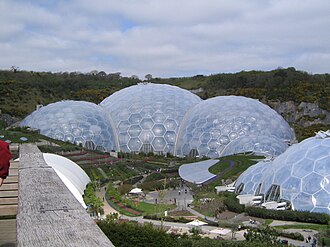
Eden Project
A former china clay quarry transformed into a globally recognized environmental attraction, with giant geodesic biomes recreating rainforest and Mediterranean ecosystems under one roof. Beyond the biomes, extensive outdoor gardens, art installations, and a full events calendar (including a well-known summer concert series) make it a full-day destination for all ages.
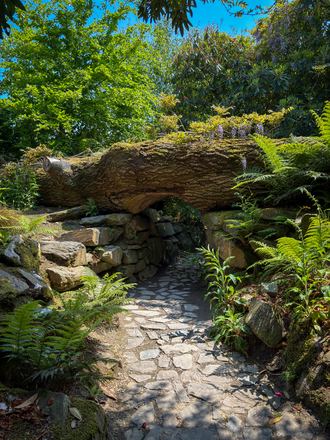
Lost Gardens of Heligan
One of Britain's most famous garden restoration projects, painstakingly revived after decades of neglect following the First World War, when most of the estate's gardeners never returned. The gardens combine formal Victorian plantings with a subtropical 'Jungle' valley and whimsical living sculptures (the Mud Maid and Giant's Head), making it a favorite for families and garden enthusiasts alike.
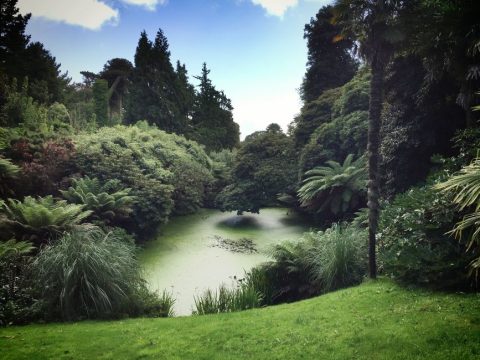
Trebah Garden
A steep, ravine subtropical garden descending 200 feet from the estate house to a private beach on the Helford River, filled with towering tree ferns, gunnera, and rhododendrons that thrive in Cornwall's mild microclimate. The garden's dramatic elevation change and river-mouth setting make it one of the most scenic of Cornwall's celebrated 'Great Gardens'.
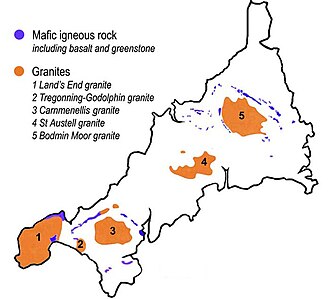
Bodmin Moor
A wild, granite-strewn moorland in central Cornwall, home to Brown Willy (the county's highest point), wild ponies, and Jamaica Inn, the isolated coaching inn made famous by Daphne du Maurier's novel of the same name. The moor's bleak, atmospheric landscape and Bronze Age remains offer a stark contrast to Cornwall's softer coastal gardens.
Tips for Parks & Gardens
- Book Eden Project tickets online in advance for a small discount and to skip queues in peak season
- Heligan and Trebah are best visited spring through early autumn when plantings are at their fullest
- Bodmin Moor weather changes fast - bring waterproofs even on a clear-looking day
- Comfortable shoes essential - Trebah's paths are steep, and Heligan covers extensive ground