Cornwall's Cornish Mining World Heritage Site preserves the industrial landscape that once supplied much of the world's tin and copper, while scattered Bronze and Iron Age remains on its moors reveal habitation stretching back millennia before the mines.
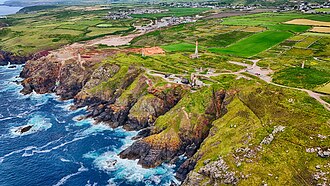
Levant Mine & Beam Engine
A National Trust site preserving a fully restored 1840s steam beam engine, still run under steam on selected days - the oldest working engine of its kind in Cornwall. The clifftop mine site was the scene of a fatal 1919 man-engine disaster, and exhibits explain both the engineering achievement and the harsh working lives of the miners who worked levels extending far beneath the seabed.
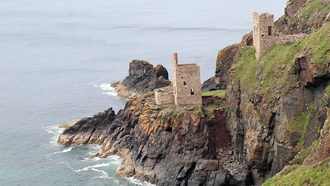
Botallack Mine
Cornwall's most photographed mining ruins, with the Crowns Engine Houses perched dramatically on the cliff edge just above the crashing Atlantic. Part of the Cornish Mining World Heritage Site, Botallack's underground workings once extended out beneath the seabed, and the site's rugged beauty made it a filming location for the BBC's Poldark series.
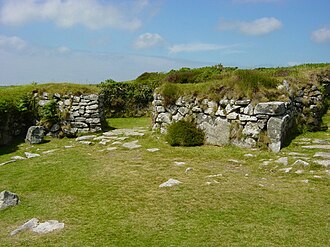
Chysauster Ancient Village
The best-preserved Iron Age and Romano-British settlement in Cornwall, with the stone foundations of courtyard houses still visible on a hillside near Penzance, occupied roughly 2,000 years ago. Interpretive panels explain daily life among the settlement's original inhabitants, and the site's remote moorland setting has changed little since abandonment.
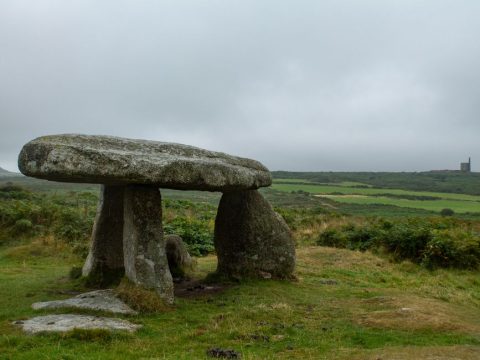
Men-an-Tol & Lanyon Quoit
Two of Cornwall's most striking Bronze Age megaliths on the Penwith moors: Men-an-Tol, a holed stone once believed to have healing properties, and Lanyon Quoit, a dolmen (ancient burial chamber) with a massive capstone balanced on upright stones. Both sit along easy moorland walking trails and are freely accessible year-round.
Tips for Ancient & Historical Sites
- Levant's steam days run on a limited schedule - check the National Trust website before visiting to see the engine running
- Wear windproof layers - the Penwith mining coast is exposed and often windy year-round
- Combine Botallack and Levant via the coast path - they're a 20-30 minute walk apart
- Prehistoric sites are unstaffed and free - park at designated pull-ins and follow marked footpaths