Beyond its villages, Cornwall's larger towns each carry a distinct identity - an artists' quarter, a foodie destination, a Georgian film set - shaped by the industries and creative movements that defined them.
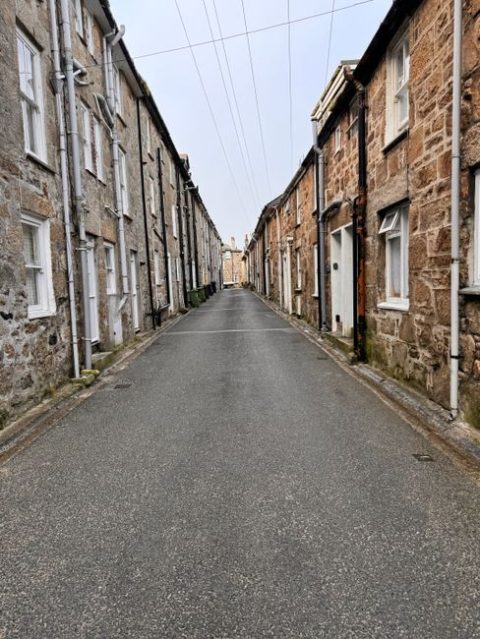
Downalong (St Ives Old Town)
The oldest part of St Ives, a tangle of narrow granite-cobbled lanes once home to fishing families, now filled with independent galleries, studios, and cafés. The district's tight, maze-like layout and whitewashed cottages have barely changed since it inspired generations of painters, and it remains the most atmospheric part of town to wander without a fixed destination.
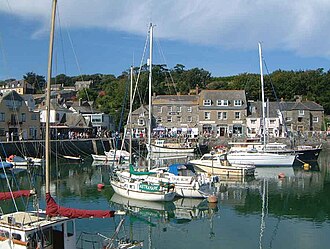
Padstow
A harbour town transformed into one of Britain's leading food destinations, largely thanks to chef Rick Stein's restaurants and cookery school based here. Beyond dining, Padstow retains a working fishing harbour, sandy beaches nearby (including Harbour Cove), and the start of the Camel Trail cycling route along a disused railway line to Wadebridge and beyond.
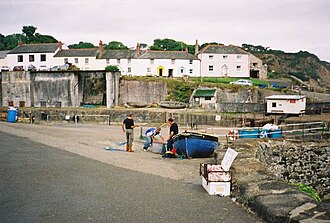
Charlestown
A remarkably preserved Georgian-era port built for the china clay trade, with tall ships still moored in its small harbour basin, unchanged enough to have doubled as a filming location for Poldark and other period dramas. A small shipwreck and heritage centre on the harbourside explains the port's history and its enduring popularity with maritime film productions.
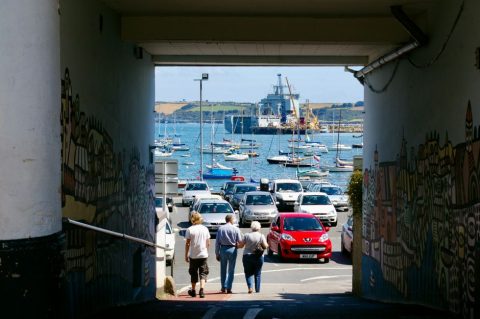
Falmouth Waterfront & Events Square
A lively university and sailing town built around one of the world's deepest natural harbours, with a waterfront mixing independent shops, the National Maritime Museum, and a packed calendar of sailing regattas and festivals. Falmouth's relaxed, youthful energy (driven partly by its art university) sets it apart from Cornwall's quieter fishing villages.
Tips for Neighborhoods & Districts
- Padstow gets very busy in summer - book restaurant tables well ahead, especially Stein's group
- The Camel Trail from Padstow is flat and family-friendly - bike hire available at the trailhead
- Charlestown's harbour is best seen from the surrounding coast path for full context
- Falmouth makes a good base with more year-round dining/nightlife than smaller villages