Cornwall's churches reflect its distinct Celtic Christian heritage, predating much of English religious history, with saints, holy wells, and coastal chapels tied closely to the county's fishing and mining communities.
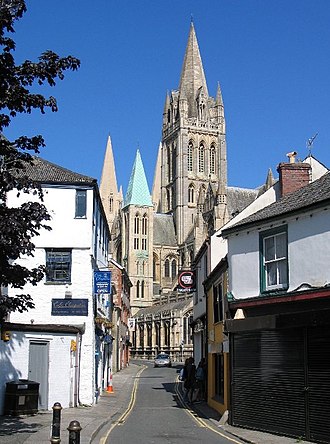
Truro Cathedral
A striking Gothic Revival cathedral completed in 1910, notable for being built on the site of a much older parish church whose surviving south aisle is incorporated into the new structure. Its three spires dominate Truro's skyline, and the interior features vibrant stained glass and a famously resonant organ used for regular recitals and choral evensong.
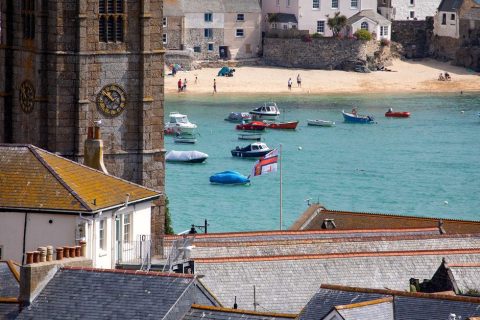
St Just in Roseland Church
Widely considered one of Britain's most beautifully situated churchyards, tucked into a lush subtropical creek-side garden on the Roseland Peninsula. The 13th-century church itself is modest, but the setting - palm trees, exotic plantings, and views over the tidal creek - draws visitors as much for the atmosphere as the architecture.
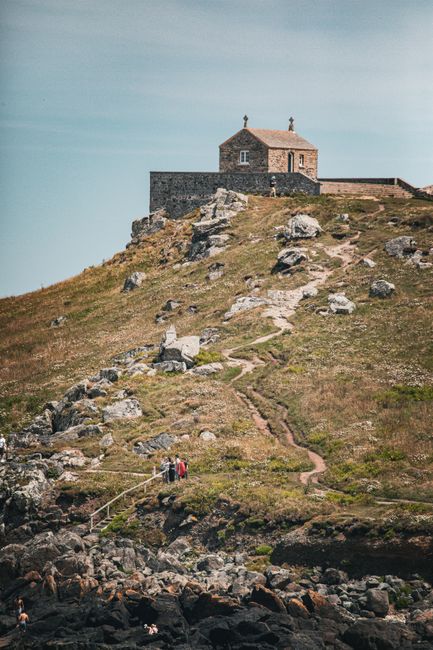
Gunwalloe Church (Church of the Storms)
An unusual medieval church built directly on the sand dunes above Gunwalloe Cove, so close to the sea that storm waves have occasionally reached its walls. Local legend attributes its coastal position to a shipwrecked sailor's vow, and the detached bell tower - built into the adjacent rock outcrop - is a rare architectural feature in England.
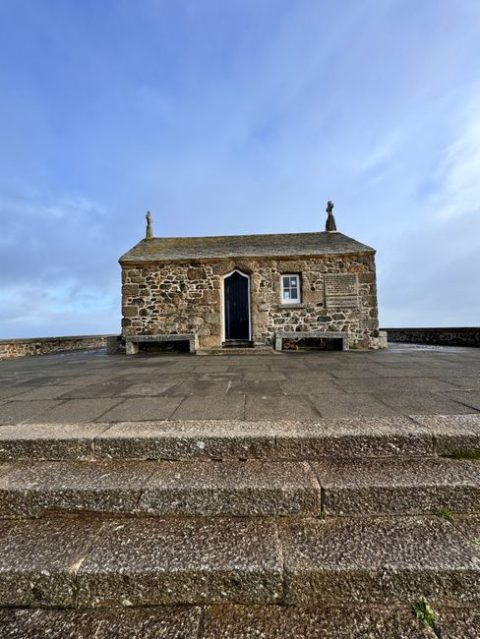
St Piran's Oratory & Cross
The ruined remains of one of Britain's oldest Christian chapels, buried and rediscovered beneath the sand dunes near Perranporth, associated with St Piran, the patron saint of Cornwall and of tin miners. A nearby granite cross marks the traditional site, and the surrounding dune landscape is where Cornwall's black-white-and-gold flag is said to have originated.
Tips for Religious Sites
- St Just in Roseland is best combined with a scenic drive or cycle around the Roseland Peninsula
- Truro Cathedral hosts free choral evensong most weekdays - check the schedule
- Gunwalloe and St Piran's require a short walk from parking across dunes or coast path
- Dress respectfully and keep voices low during active services