Beyond the postcard coves and crowded car parks, Cornwall hides a quieter layer of holy wells, sunken churches, ancient fogous and smugglers' inlets that most itineraries skip entirely. These are the places locals point visitors toward once they have already ticked off the big names, rewarding a bit of extra walking with real solitude.
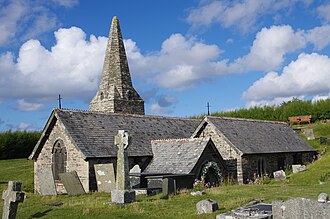
St Enodoc Church
Half-buried in the dunes above Daymer Bay, this 13th-century church was once so engulfed by drifting sand that the vicar and congregation had to be lowered in through a hole in the roof to hold services. It was dug out and restored in the Victorian era and now sits, crooked spire and all, in the middle of a working golf course near Rock. The poet Sir John Betjeman, who loved this stretch of coast, is buried in the small churchyard, and his grave draws a steady trickle of quiet pilgrims rather than tour buses. The walk in crosses fairways and dunes, so keep an eye out for stray golf balls. There is no entry fee and no ticket office, just a whitewashed nave, salt-worn gravestones and views over the Camel Estuary that feel a world away from nearby Padstow.
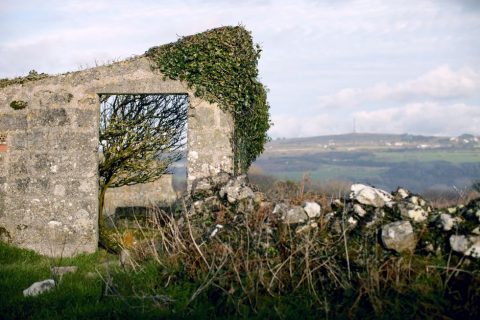
Carn Euny Ancient Village
Tucked in quiet farmland near Sancreed, this Iron Age settlement is a genuine rival to the better-known ancient villages of West Penwith, yet sees a fraction of the visitors. Its standout feature is a remarkably well-preserved fogou, a mysterious underground stone passage whose original purpose (storage, ritual, refuge) is still debated by archaeologists. Grass-covered stone courtyard houses, hut circles and a corbelled chamber sit scattered across a gentle hillside reached by a short walk from a small roadside parking area. There are no crowds, no gift shop and often no other visitors at all, just birdsong, granite outcrops and a palpable sense of the ancient people who farmed this same land two thousand years ago. Sturdy shoes help since the ground can be uneven and damp underfoot.
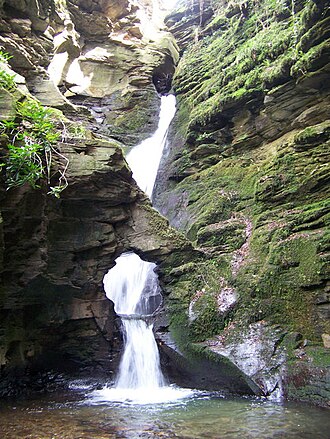
St Nectan's Glen
A short but steep woodland walk inland from Tintagel leads to this secluded 66-foot waterfall, which plunges through a rock formation locals call the Kieve before cascading into a wooded ravine. The site has been considered sacred since at least medieval times and today the trees along the path are strung with ribbons, coins and handwritten notes left by visitors. A small tearoom at the entrance marks the start of the trail, but once inside the glen the noise fades and it is just moss, ferns and falling water. It is best visited on a weekday morning to have the waterfall largely to yourself, and an entry fee supports the trust that maintains the woodland. The path involves roots, steps and slippery stones, so this is not a stroller-friendly outing, but the reward is one of Cornwall's most atmospheric natural spots.
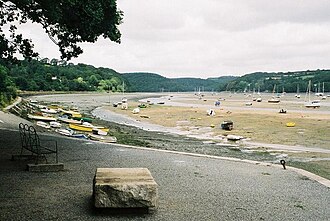
Golitha Falls
On the wooded southern edge of Bodmin Moor, the River Fowey tumbles through a series of mossy cascades known as Golitha Falls, set within an ancient oak woodland that has been designated a Site of Special Scientific Interest. A gentle, well-signed path follows the riverbank past lichen-draped boulders and past the remains of old leats built to power long-vanished mills, making it an easy, family-friendly walk rather than a strenuous moorland trek. Dappled light through the tree canopy and the constant sound of falling water give the whole gorge an almost otherworldly feel, especially after rain when the falls are at their fullest. It is a favourite among Cornish locals but rarely appears on visitor itineraries, so it is easy to find a quiet spot on the rocks for a picnic. A small free car park sits at the trailhead.
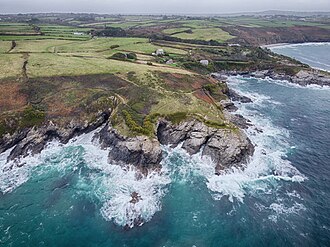
Prussia Cove
Named after the 18th-century smuggler John Carter, who styled himself the King of Prussia, this cluster of tiny coves near Marazion was once one of the busiest contraband landing points on the Cornish coast. A narrow lane leads down to a scatter of whitewashed fishermen's cottages, a small stone slipway and rock pools that are ideal for a quiet swim away from the busier beaches nearby. There are no facilities, shops or lifeguards here, which is exactly why it stays so peaceful; visitors are mostly locals walking dogs or wild swimmers who know the spot. The surrounding coast path offers views toward St Michael's Mount without the crowds gathered at the more obvious viewpoints. Parking is extremely limited, so arriving early or on foot from a nearby village is the best approach.
Tips for Hidden Gems
- Most of these spots have little or no parking, so arrive early in the day or walk in from a nearby village.
- Sturdy footwear is essential for St Nectan's Glen, Carn Euny and Golitha Falls, where paths get muddy and uneven.
- None of these sites charge for entry except St Nectan's Glen, which asks a small fee to help maintain the woodland trail.
- Bring cash for the honesty-box car parks or tearooms found at several of these locations, as card payment is not always available.