Things to do in Granada
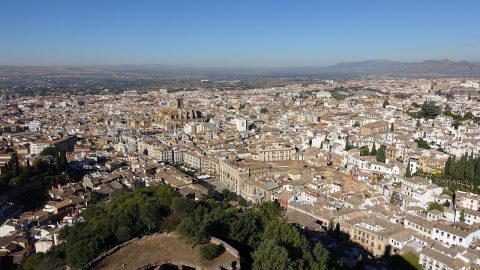
Granada's skyline is dominated by some of Spain's most breathtaking landmarks, from the towering Alhambra fortress to the ornate Renaissance palaces below. These iconic structures tell the layered story of Moorish, Christian and Renaissance Granada.
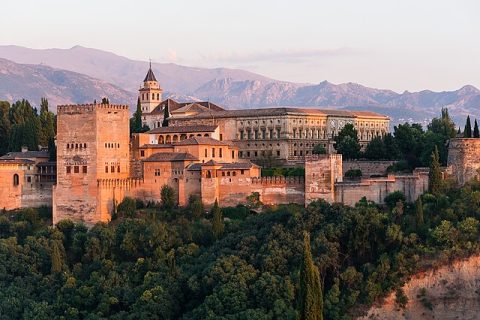
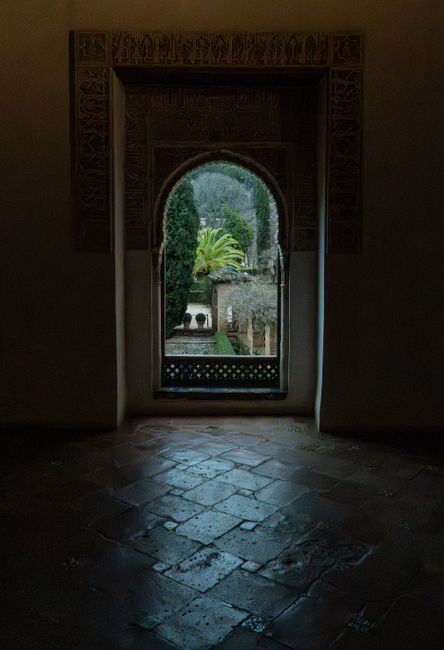
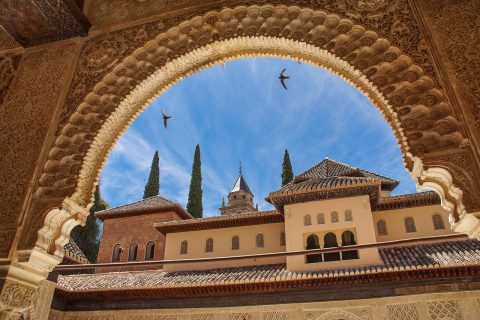
The Alhambra is Spain's most-visited monument and a UNESCO World Heritage Site. This vast 13th–14th-century Nasrid palace complex crowns a forested hill above Granada. Its highlight, the Nasrid Palaces, dazzles with intricate arabesque stucco, muqarnas ceilings and reflecting pools. The Alcazaba fortress offers panoramic city views, while the Generalife gardens cascade down the hillside in terraced perfection. Book tickets weeks in advance — timed-entry slots sell out quickly, especially for the Nasrid Palaces. Evening visits offer a magical, less-crowded experience bathed in golden light.
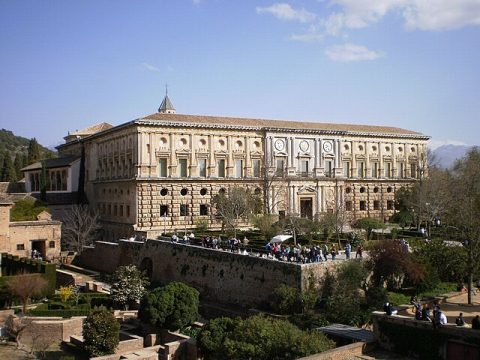
Standing incongruously within the Alhambra complex, the Palacio de Carlos V is a masterpiece of Spanish Renaissance architecture designed by Pedro Machuca in 1527. Its most striking feature is the perfectly circular inner courtyard — unique in Renaissance architecture — ringed by two storeys of Doric and Ionic columns. The palace houses the Museo de la Alhambra and the Museo de Bellas Artes, both included with Alhambra general admission. Despite never being fully completed, it remains one of the finest Renaissance buildings in Spain.
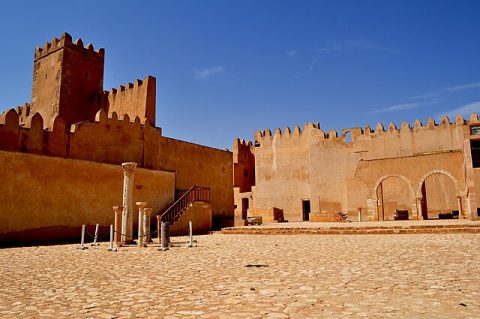
The Alcazaba is the oldest part of the Alhambra complex, a military fortress dating to the 9th century and expanded by the Nasrid kings. Its watchtower, the Torre de la Vela, offers the finest panoramic views in Granada — stretching across the city to the Sierra Nevada. On clear winter days, snow-capped peaks frame the cityscape. Ringing the tower bell on January 2nd (Día de la Toma) is a centuries-old local tradition. The fortress walls and barracks reveal the scale of the medieval garrison that protected the Nasrid kingdom.
Tips for Landmarks & Monuments
- Book Alhambra tickets at least 3–4 weeks ahead, especially for the Nasrid Palaces timed entry.
- Purchase tickets only through the official website to avoid inflated reseller prices.
- Visit the Alcazaba first thing in the morning before crowds arrive at the Nasrid Palaces.
- Evening Nasrid Palaces tickets (Tuesday–Saturday) offer a quieter, atmospheric experience.
Granada's museums range from world-class collections housed within the Alhambra to cutting-edge contemporary galleries in the city centre. The city's rich history — Moorish, Jewish, Christian and modern — gives its cultural institutions extraordinary depth.
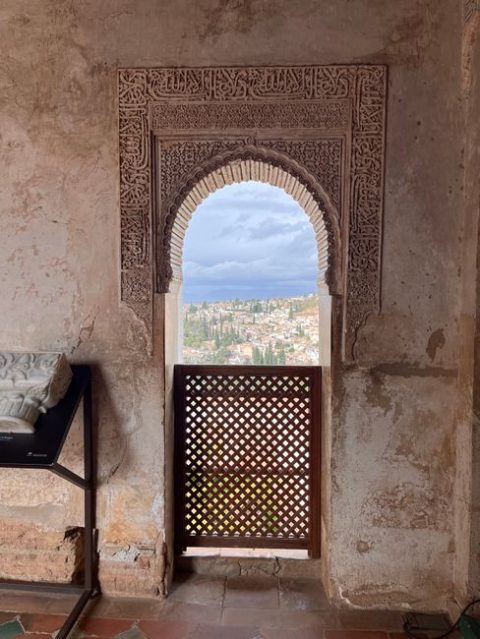
Housed inside the Palacio de Carlos V, the Museo de la Alhambra holds one of the world's finest collections of Nasrid art and artefacts. Highlights include the celebrated Alhambra Vase — a monumental 14th-century lusterware amphora — intricate carved wooden ceilings, bronze door knockers and painted ceramic tiles removed from the palaces for preservation. The collection illuminates the extraordinary craftsmanship of Nasrid Granada. Admission is included with the general Alhambra ticket, making this a must-see add-on to any palace visit.
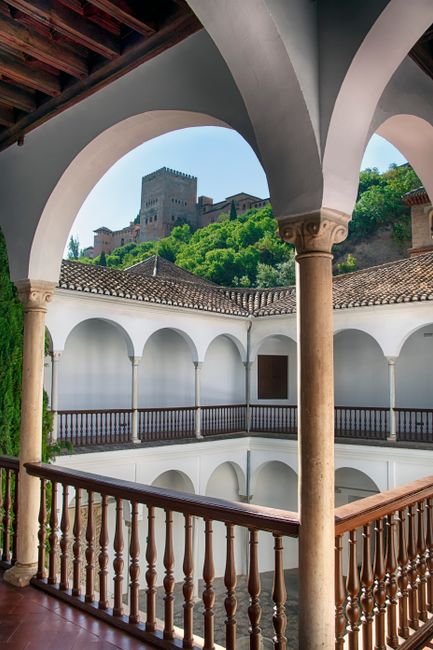
This intimate city-centre gallery celebrates José Guerrero (1914–1991), Granada's most internationally acclaimed abstract painter. A permanent collection of Guerrero's vibrant, large-scale canvases occupies the main floors, while a dynamic programme of temporary exhibitions showcases leading contemporary Spanish and international artists. The centre is free on Fridays and hosts regular talks and events. Located steps from the Cathedral, it's an easy cultural stop on any city-centre itinerary. The building itself, a restored historic townhouse, is worth admiring.
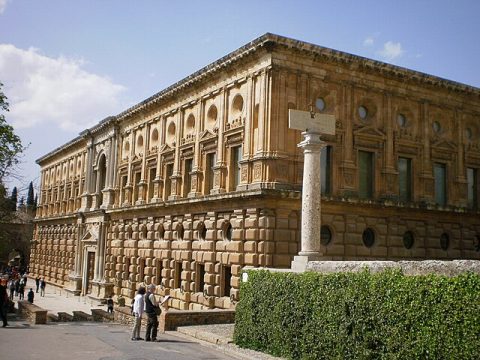
Also within the Palacio de Carlos V, Granada's Fine Arts Museum displays an impressive survey of Andalusian painting and sculpture from the 15th to 20th centuries. Standout works include altarpieces by Alonso Cano — Granada's own Baroque master — alongside sculptures, drawings and decorative arts tracing the city's post-Reconquista artistic flowering. The museum is spread across two elegant floors of the Renaissance palace. Entry is free for EU citizens; nominal fee for others. Combine the visit with the Museo de la Alhambra on the same ticket.
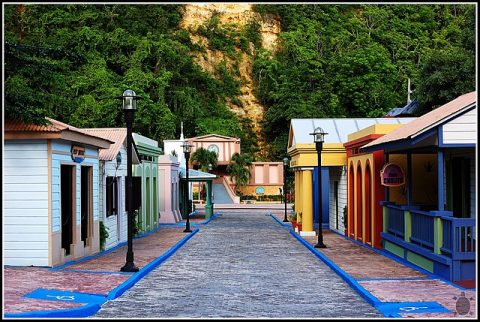
Granada's Parque de las Ciencias is Andalusia's largest interactive science museum, ideal for families and curious minds. Highlights include a planetarium, a 50-metre observation tower, a butterfly house and hands-on exhibits spanning physics, biology, ecology and technology. Permanent galleries explore everything from the human body to the cosmos, while temporary blockbuster exhibitions draw visitors from across Spain. The outdoor science park and tropical greenhouse add to the appeal. Budget a full morning or afternoon — there is genuinely more here than most visitors expect.
Tips for Museums & Galleries
- Many Granada museums offer free entry on Sundays — check individual websites for hours.
- EU citizens enter the Museo de Bellas Artes free; bring your ID or passport.
- The Parque de las Ciencias is excellent for a rainy day and absorbs a full afternoon.
Granada's religious landscape is uniquely layered: mosques became cathedrals, churches rose over Moorish palaces, and cave churches hewn into hillsides still host flamenco. From the grand Cathedral to the whitewashed churches of the Albayzín, faith is woven into Granada's every street.
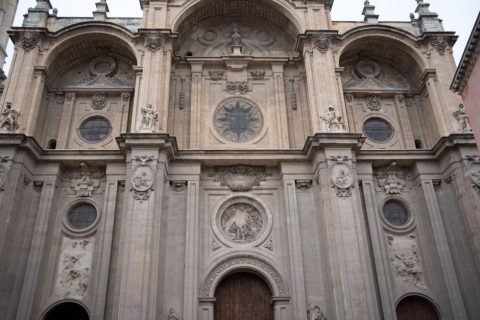
Granada's Cathedral is one of Spain's greatest Renaissance churches, begun in 1523 on the site of the city's former Great Mosque. Its soaring interior — the tallest nave in Spain at 30 metres — floods with light through circular windows designed by Alonso Cano. The façade's Churrigueresque portal by Hurtado Izquierdo is a riot of Baroque ornamentation. Don't miss the Capilla Mayor with its gilded altarpiece and royal portraits. An audio guide (included with entry) is highly recommended to understand the complex architectural history spanning two centuries of construction.
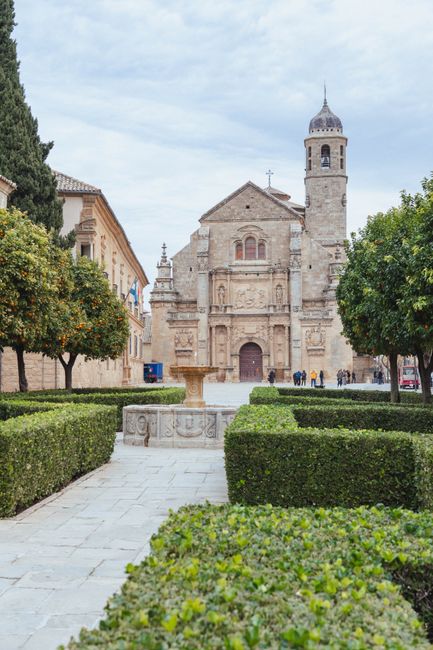
The Royal Chapel is Granada's most emotionally charged monument — the final resting place of Ferdinand and Isabella, the monarchs who united Spain, funded Columbus's voyage and conquered Granada in 1492. Their elaborately carved marble mausoleum by Domenico Fancelli is a masterpiece of funerary sculpture. The adjacent sacristy displays Isabella's personal art collection (including Flemish masterworks by Rogier van der Weyden), her crown and sceptre, and Ferdinand's sword. The chapel is attached to the Cathedral but requires a separate ticket. Photography is not permitted inside.
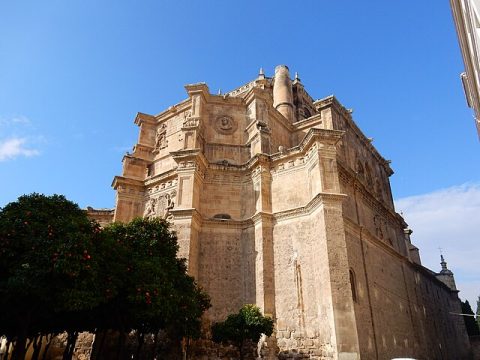
The Monastery of San Jerónimo, founded in 1496, was the first Christian monastery built in Granada after the Reconquista. Its two Renaissance cloisters are exquisite — the larger one, with 36 arches on each level, ranks among the finest in Andalusia. The church interior is a Baroque extravaganza with an elaborate gilded altarpiece honouring El Gran Capitán, Gonzalo Fernández de Córdoba, who is buried here. Far fewer tourists visit compared to the Cathedral, making it a peaceful and rewarding detour just northwest of the city centre.
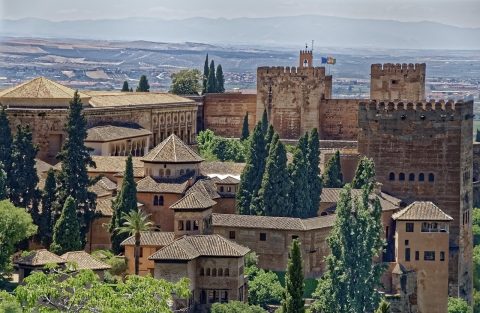
Inaugurated in 2003, the Mezquita Mayor de Granada stands on the Albayzín hill directly opposite the Alhambra — the most symbolically charged location imaginable. The mosque was built on the site of a Moorish palace and is open to non-Muslim visitors outside prayer times. Its minaret is modelled on the Giralda in Seville, and the rooftop garden commands arguably the best view of the Alhambra in the entire city. Entry is free. Staff are welcoming to respectful visitors of all backgrounds.
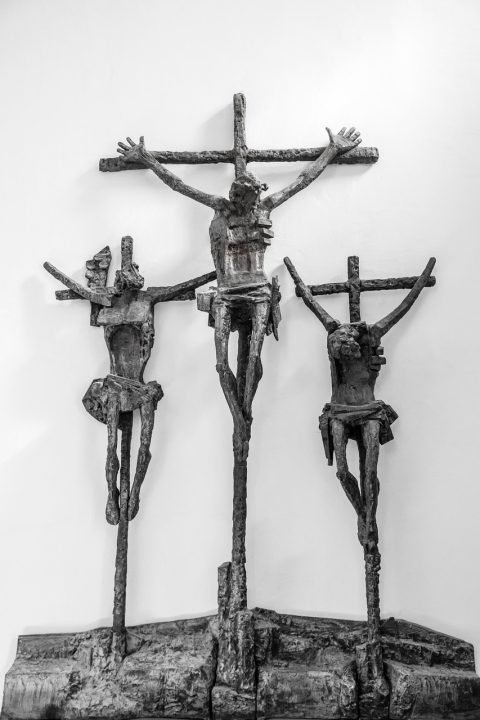
Perched high above the Sacromonte neighbourhood, this 17th-century Baroque abbey is one of Granada's lesser-known gems. Founded to house holy relics discovered in nearby caves, it commands sweeping views of the Alhambra, Albayzín and Sierra Nevada. The catacombs beneath the church, where the relics were found, can be visited on a guided tour. The abbey also houses a small museum of religious art and artefacts. The winding 20-minute uphill walk from the Sacromonte road is rewarded with unforgettable panoramas, especially at sunset.
Tips for Religious Sites
- The Bono Monumentos ticket covers the Cathedral and Capilla Real together at a discount.
- Dress modestly (covered shoulders and knees) for all religious sites.
- The Mezquita Mayor rooftop garden at sunset rivals any paid viewpoint in the city — and it's free.
- Visit San Jerónimo on a weekday morning for a crowd-free experience.
Long before the Nasrids, Granada was Ilbira — a Roman and Visigothic city of considerable importance. The city's layered history spans millennia, from prehistoric cave dwellings to the final stronghold of Moorish Spain, leaving behind a rich archaeological legacy in and around the modern city.
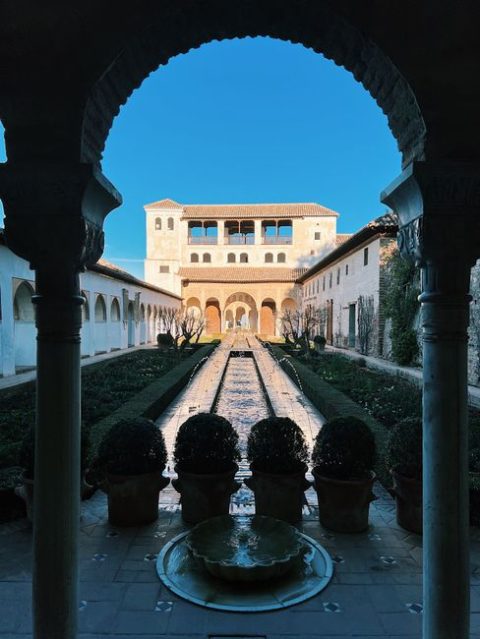
The Generalife was the Nasrid sultans' summer palace and gardens — a paradise of fountains, cypress alleys, rose beds and water channels designed to evoke the Quranic concept of heaven. The iconic Acequia Court, with its long pool flanked by arching jets of water, is one of the most photographed spots in Spain. The upper gardens, terraced into the hillside, offer serene views of the Alhambra towers. Separate timed access is included within the standard Alhambra ticket. Allow at least an hour to fully explore the gardens at a leisurely pace.
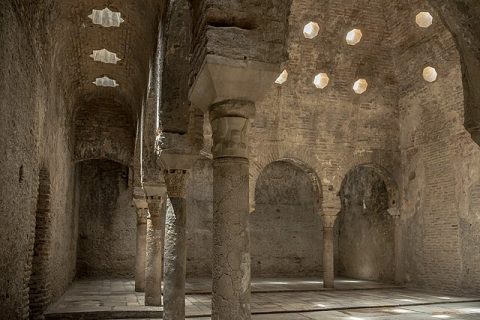
The El Bañuelo are the best-preserved Moorish bathhouse in Spain, dating to the 11th century. Hidden in the lower Albayzín near the Carrera del Darro, these remarkably intact hammam chambers retain their star-pierced vaulted ceilings, horseshoe arches and marble columns. The cold, warm and hot rooms illustrate the sophisticated bathing rituals of Al-Andalus. Entry is free and the site is managed by the city council. Opening hours are limited, so check before visiting. A short explanatory audio guide is available at the entrance.
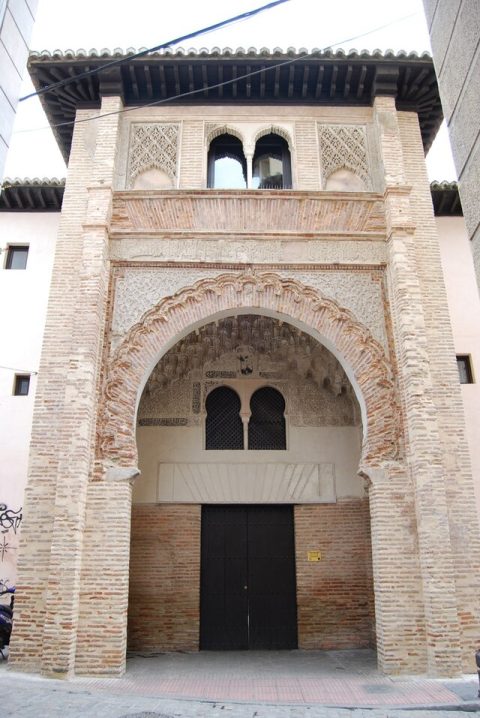
The Corral del Carbón is the oldest surviving Moorish building in Granada's city centre and the only remaining funduq (caravanserai/inn) in all of Spain. Built in the 14th century as a merchant hostelry, its elegant horseshoe-arched entrance portal is a remarkable example of Nasrid civil architecture. The inner courtyard, once busy with traders and their goods, now hosts cultural events. Entry is free. The building is a five-minute walk from the Cathedral and easily combined with visits to the surrounding Alcaicería market district.
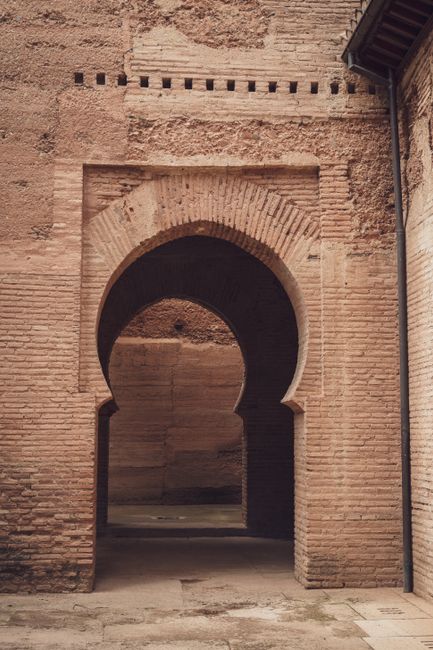
Medina Elvira, located 12 km northwest of Granada near the village of Atarfe, was the main city of Moorish Granada before the Nasrid dynasty moved their capital. Archaeological excavations have revealed the outlines of a substantial 10th-century Islamic city with mosques, hammams and artisan quarters. The small on-site museum displays ceramics, coins and architectural fragments. While the ruins themselves require imagination to bring to life, the site offers a fascinating counterpoint to the Alhambra's grandeur, revealing the urban precursor that made Nasrid Granada possible.
Tips for Ancient & Historical Sites
- The Bañuelos has limited opening hours — verify on the Granada tourism website before visiting.
- Combine Corral del Carbón with the adjacent Alcaicería silk market for a step back into medieval Granada.
- Medina Elvira requires a car; combine with the nearby village of Atarfe for a half-day excursion.
Granada's public spaces are the stage for daily life — where tapas bars overflow onto cobblestones, flamenco guitarists strum under orange trees and students debate into the night. From the grand central squares to the ancient lanes of the Albayzín, Granada's streets reward aimless wandering.
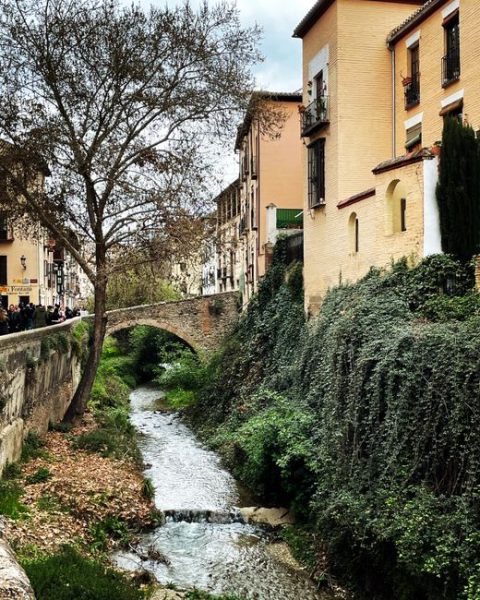
One of Spain's most romantic streets, the Carrera del Darro follows the Río Darro as it runs between the Albayzín hill and the Alhambra hill. Medieval bridges span the river, Moorish towers rise above, and the El Bañuelo bathhouse and several Nasrid palaces line the way. The street ends at the Paseo de los Tristes, a riverside esplanade of café terraces directly below the illuminated Alhambra — the most dramatic outdoor dining backdrop in Andalusia. A must-walk at both midday and after dark.
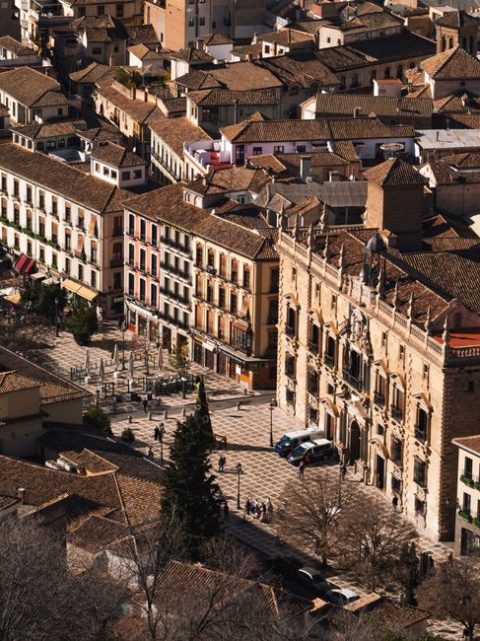
Plaza Nueva is Granada's historic main square and the city's social heart. Built in the 16th century over the Río Darro — which still flows beneath it — the square is flanked by the Renaissance Real Chancillería (Royal Chancellery) and a string of lively bars and restaurants. It's the starting point for walks up to both the Alhambra (via Cuesta de Gomérez) and the Albayzín (via Carrera del Darro). Street performers, tapas-seekers and tourists converge here at all hours. The fountain at the centre and the surrounding terraces make it one of Andalusia's finest squares.
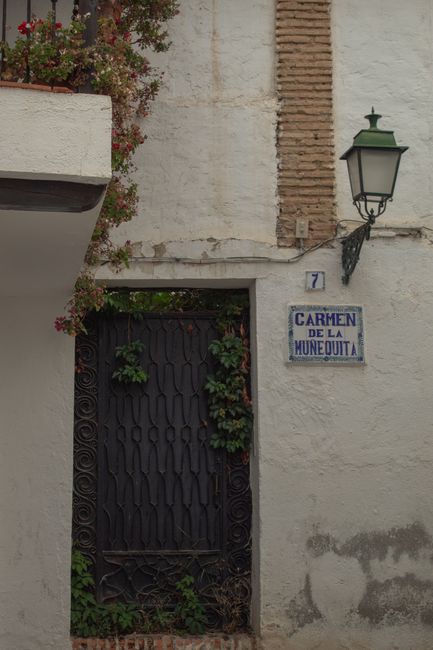
Calle Elvira and the adjacent Calderería Nueva form Granada's most atmospheric street corridor, running from Plaza Nueva into the lower Albayzín. Calderería Nueva — nicknamed Calle de las Teterías — is lined with Moroccan tea houses (teterías), Arabic sweet shops, hookah bars and artisan stalls selling leather, ceramics and silver. The scent of mint tea and incense mingles with flamenco guitar from nearby bars. It feels transported directly from Fez. Stop into one of the traditional teterías for mint tea and pastries — a classic Granada experience.
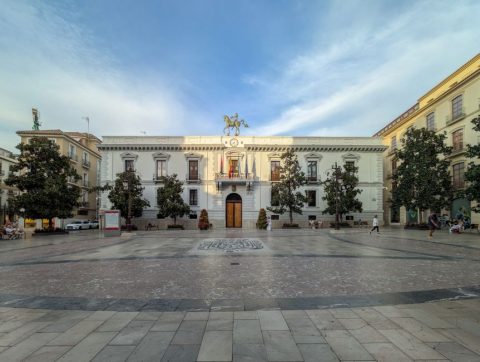
Plaza de Bib-Rambla was Granada's main public square during Moorish rule and the site of royal ceremonies and bullfights after the Reconquista. Today it's a pleasant flower-market square surrounded by outdoor café terraces, ideal for a mid-morning coffee or afternoon gelato. The central Neptune fountain dates to the 17th century. The square is steps from the Cathedral and Alcaicería market, making it a natural pause point on any city-centre itinerary. On weekday mornings, flower vendors fill the square with colour.
Tips for Squares & Streets
- Walk the Carrera del Darro in both directions — north in the morning light, south at dusk when the Alhambra is illuminated.
- Paseo de los Tristes terrace bars fill up quickly on warm evenings — arrive before 8 pm for a table.
- Calderería Nueva teterías are busiest in the late afternoon; mornings are quieter for authentic mint tea.
Granada's neighbourhoods are worlds unto themselves. The Albayzín UNESCO quarter tumbles down a Moorish hillside; Sacromonte is a cave-dwelling flamenco community; the Realejo retains its Sephardic Jewish quarter character. Each rewards hours of unhurried exploration.
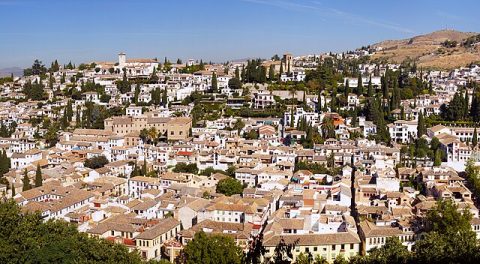
Granada's Albayzín is a UNESCO World Heritage Site — a labyrinthine Moorish quarter of whitewashed houses, walled garden estates (carmenes), hidden squares and ancient mosques. Wandering its steep cobbled lanes past jasmine-draped walls feels unchanged from the 15th century. The unmissable highlight is the Mirador de San Nicolás, offering the city's most famous sunset view across to the Alhambra and Sierra Nevada. The neighbourhood also contains the city's best selection of Moroccan craft shops, teterías and fusion restaurants. Get lost here — that's the whole point.
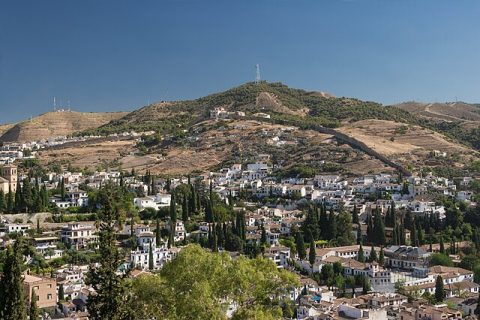
Sacromonte is Granada's most singular neighbourhood — a hillside community of whitewashed cave dwellings (cuevas) carved into the soft tufa rock above the Darro gorge. It is the spiritual home of Zambra flamenco, the passionate, intimate style born in these very caves. Several cave houses operate as flamenco venues (zambras) offering nightly shows. The Museo Cuevas del Sacromonte explores cave living and Romani culture. The neighbourhood's winding paths offer stunning views and a raw, authentic atmosphere unlike anything else in Granada.
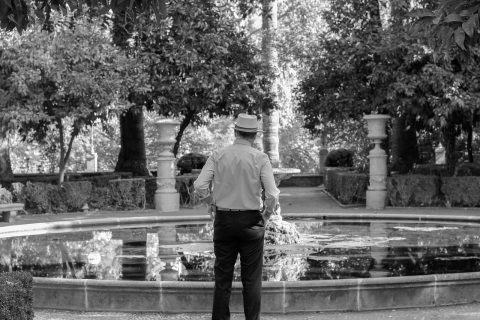
The Realejo district, south of the Cathedral, was Granada's Jewish quarter (judería) before 1492. Today it's a charming, bohemian neighbourhood of independent restaurants, craft bars and student hangouts centred on the Campo del Príncipe square. Street murals by local artists brighten its walls, and the area hosts a lively Sunday morning market. The neighbourhood's gentle hillsides offer alternative approaches to the Alhambra via the forest path. Less touristy than the Albayzín, it offers an authentic slice of student-city Granada.
Tips for Neighborhoods & Districts
- The Mirador de San Nicolás is best visited 30 minutes before sunset — arrive early to secure a front-row spot on the terrace wall.
- Pickpockets operate in the Albayzín's narrow lanes; keep bags zipped and phones pocketed.
- Sacromonte zambra flamenco shows run nightly — book directly with caves like Venta El Gallo or Cueva La Rocío for best prices.
- The Realejo is the best neighbourhood for an authentic tapas crawl away from tourist crowds.
Granada sits at the foot of the Sierra Nevada, gifted with an extraordinary natural setting. From the lush forested hill of the Alhambra to the formal palace gardens of the Generalife and the rambling carmen gardens of the Albayzín, the city is threaded with greenery.
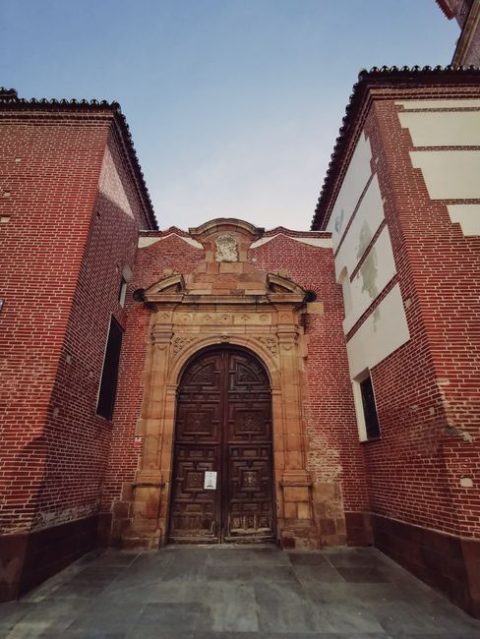
The Carmen de los Mártires is Granada's most beautiful public garden — a romantically wild English-style park set within a historic 19th-century carmen (walled estate) on the Alhambra hill. Peacocks roam freely among ornamental lakes, topiary, rose gardens and shaded woodland paths. The views of the city below are spectacular, and the gardens see far fewer visitors than the nearby Alhambra. Entry is free. The garden is a ten-minute walk from the Alhambra ticket office and makes a peaceful escape after the intensity of the palace complex.
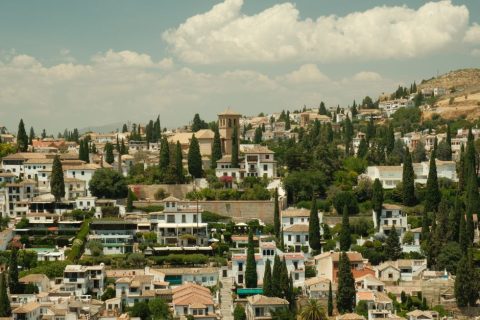
The Bosque de la Alhambra is the ancient forest that drapes the Alhambra hill in dense green, providing the palace complex with its iconic wooded approach. The shaded paths — lined with towering elms, holm oaks and cypresses planted by Wellington's troops during the Napoleonic Wars — offer a cool, fragrant walk up to the Alhambra gate. The forest is freely accessible at all times and is popular with joggers and dog-walkers. The Puerta de las Granadas (Gate of Pomegranates) marks the formal entrance to this green sanctuary.
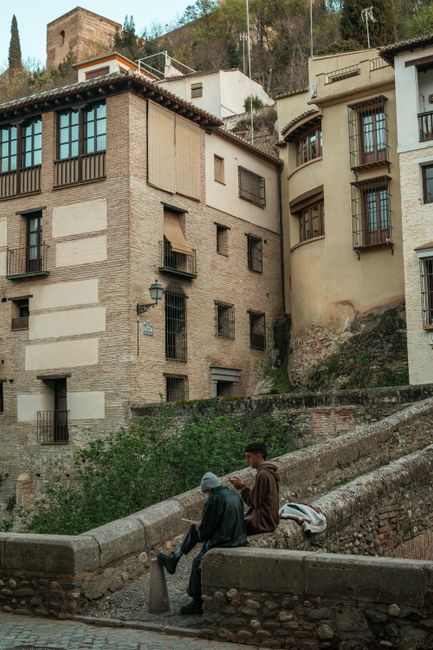
The Jardines del Triunfo, adjacent to the Hospital Real (now the University of Granada rectorate), are among the city centre's most pleasant green spaces. A baroque column topped by the Immaculate Conception gives the garden its name. Mature trees, fountains and shaded benches make it a favourite lunchtime retreat for university staff and students. The surrounding area includes several additional green spaces that form a pleasant corridor of parkland in northern Granada, easily combined with a visit to the nearby Monasterio de San Jerónimo.
Tips for Parks & Gardens
- Carmen de los Mártires closes on Monday; check seasonal hours before visiting.
- The Alhambra forest path from Plaza Nueva takes about 20 minutes on foot — a lovely alternative to the tourist bus.
- Visit Carmen de los Mártires at golden hour for extraordinary light on the city below.
Water has always been sacred in Granada — the Nasrids engineered an elaborate system of channels and fountains to bring snowmelt from the Sierra Nevada into their palaces and gardens. This hydraulic legacy lives on in the city's decorative fountains, while contemporary street art transforms its urban walls.
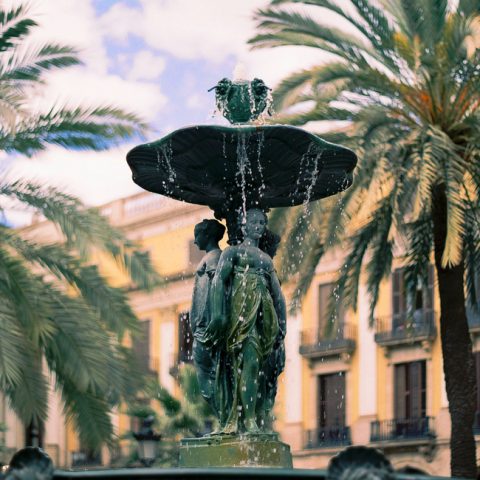
The ornate Fuente de las Batallas (Fountain of Battles) on the Gran Vía de Colón is one of Granada's most elaborate 19th-century public monuments. Crowned with allegorical figures representing the Christian triumph in the Reconquista, it stands at one of the city's busiest intersections. The fountain was restored in the early 2000s and remains an important point of orientation and civic pride on the main commercial boulevard. It makes a good starting point for exploring the Gran Vía's architecture and the surrounding pedestrian shopping streets.
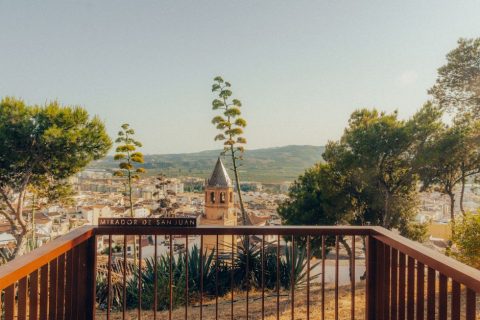
The northern Albayzín is home to Granada's most vibrant street art scene, concentrated around the Mirador de San Cristóbal and the streets descending toward Calle Elvira. Large-scale murals by Spanish and international artists cover gable ends and retaining walls throughout the neighbourhood, exploring themes of Moorish heritage, flamenco, immigration and social justice. The Mirador itself offers an alternative, crowd-free panorama of Granada often overlooked in favour of the more famous San Nicolás viewpoint. A self-guided street art walk here takes 1–2 hours.
Tips for Fountains & Public Art
- The Alhambra's interior water features — especially the Lion Court fountain — are the greatest hydraulic art in Spain; don't rush past them.
- Street art in the Albayzín changes regularly — a map from the tourist office marks the most significant current pieces.
Granada is well-connected by air, rail and road. Within the city, the Granada Metro, city buses and a tourist minibus network serve the main sights, though the historic quarters of Albayzín and Sacromonte are accessible only on foot.
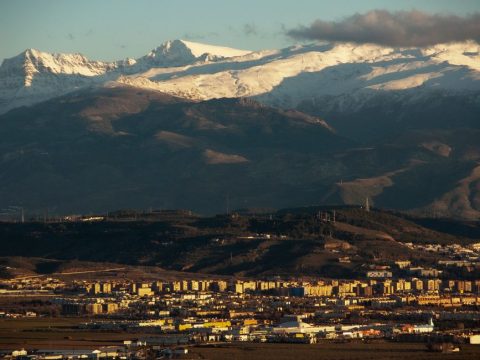
Granada Airport (IATA: GRX) handles domestic Spanish flights and limited European routes, primarily operated by Vueling and Iberia Express. A regular bus service (Bus Aeropuerto) connects the airport to the city centre (Gran Vía) in approximately 45 minutes. Taxis take 20–25 minutes and cost roughly €25–30. The airport is small and manageable. For wider international connections, Malaga Airport (AGP) — served by Alsa bus in 1h 45m — offers far more flight options and is the preferred gateway for most international visitors.
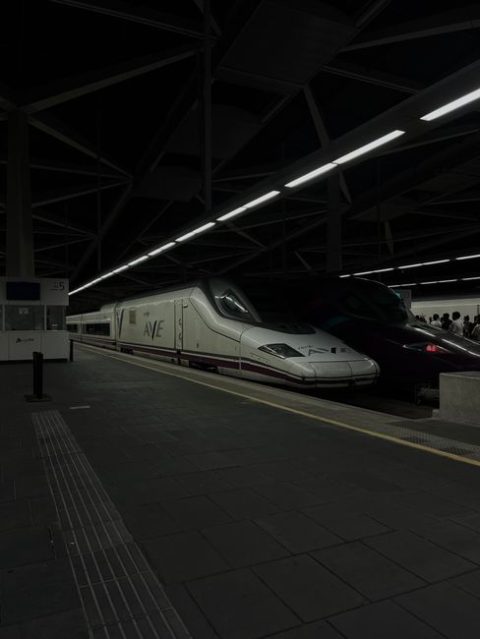
Granada Estación de Tren, located northwest of the city centre, is the terminus of the Renfe AVE high-speed line from Madrid (approx. 3 hours, from €20). Regional trains connect to Almería, Ronda and Algeciras. City buses and taxis link the station to the centre. The station was rebuilt as part of the AVE project and is modern and well-equipped. The AVE service transformed Granada's accessibility, making it a realistic day trip or weekend destination from Madrid for the first time.
Tips for Transportation
- The LAC C30 minibus from Plaza Nueva to the Alhambra runs every 7–8 minutes and costs €1.40 — easier than walking uphill.
- Granada's historic quarters are largely pedestrianised — do not attempt to drive into the Albayzín or Sacromonte.
- Book AVE trains to/from Madrid well in advance for the cheapest fares (from €20 each way).
- The Alsa bus from Malaga airport to Granada (€12, 1h 45m) is more affordable and frequent than flying into GRX.
Beyond the monuments, Granada comes alive through its experiences — passionate flamenco in cave venues, traditional hammam rituals, tapas bar-hopping, and guided walks that unlock layers of history invisible to the independent visitor.
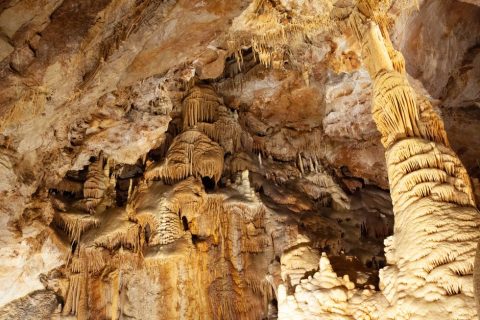
Zambra is Granada's own flamenco tradition — more intimate, raw and improvisational than the staged shows of Seville. Performed in the cave houses of Sacromonte, it involves singing, guitar, dance and hand-clapping in a uniquely charged atmosphere. Leading venues include Cueva La Rocío, Venta El Gallo and Zambra María la Canastera. Shows typically run 9–10 pm; pre-booking is essential. Most venues include a drink and offer transport from the centre. This is one of Andalusia's most authentic cultural experiences — not to be missed.
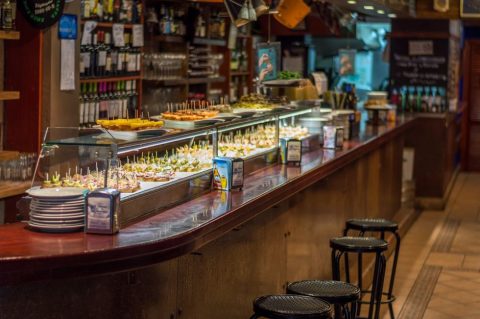
Granada is one of the last Spanish cities where every drink comes with a free tapa — order a beer or wine and a plate of food arrives automatically, no charge. This tradition fuels the city's legendary tapas culture. The best areas for bar-hopping are Calle Navas, Plaza de la Trinidad, Campo del Príncipe (Realejo) and the streets around the Mercado San Agustín. Several tour companies offer guided tapas crawls with inside knowledge of the best kitchens. Three bars equals a full dinner at essentially no extra cost. Granada's tapas culture is a reason in itself to visit.
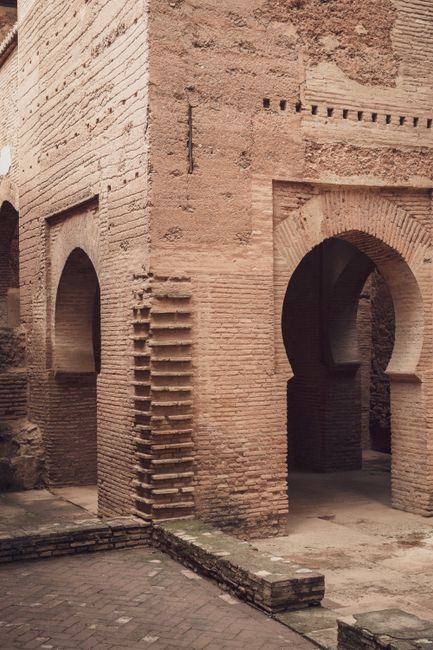
Hammam Al Ándalus, steps from the Carrera del Darro, recreates the Moorish bathhouse tradition in an atmospheric setting of vaulted ceilings, starlit domes and warm marble pools. Sessions include access to cold, warm and hot pools, with optional aromatherapy massage packages available. The experience lasts 1.5 hours (bath) or 2+ hours with massage. Dimly lit and hushed, it is the most popular relaxation experience in Granada. Book at least a week in advance — sessions sell out, especially on weekends. Swimwear is required.
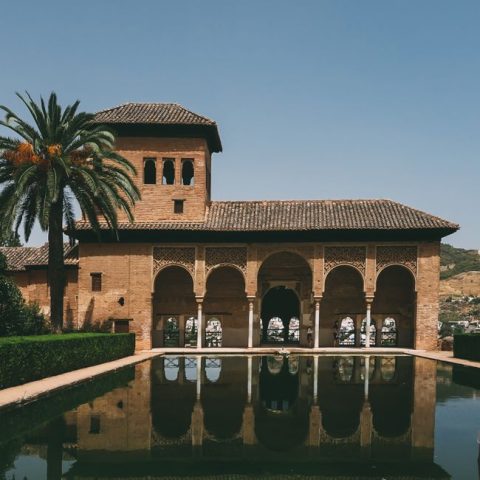
A guided tour of the Alhambra dramatically enriches the experience, unlocking the symbolism of Nasrid geometry, the political narratives encoded in inscriptions and the hydraulic engineering behind every fountain. Official guides offer 2-hour tours of the Nasrid Palaces and surrounding complex; many operators also combine the Alhambra with the Albayzín in a half-day format. Sandeman's, Granada Free Tour and specialist Moorish history guides all offer excellent options. Note: a guided tour requires its own Alhambra ticket — the guide does not provide entry.
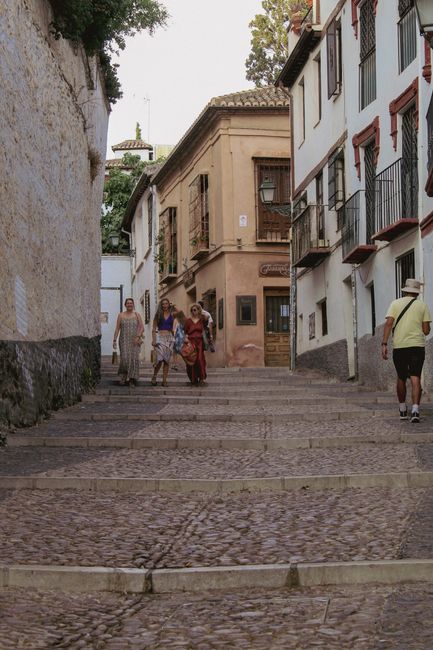
Granada's free walking tours are among Spain's best-rated, covering the Cathedral, Albayzín, Carrera del Darro and Sacromonte in 2–3 hours with knowledgeable local guides. Sandemans and Granada Free Tour both depart daily from Plaza Nueva. Tours run on a tip-basis (€10–15 suggested). The Albayzín-specific tour, which includes the Mirador de San Nicolás, is particularly popular. Book online to reserve your place — popular morning tours fill up. An excellent way to orientate yourself on Day 1 before diving into individual attractions.
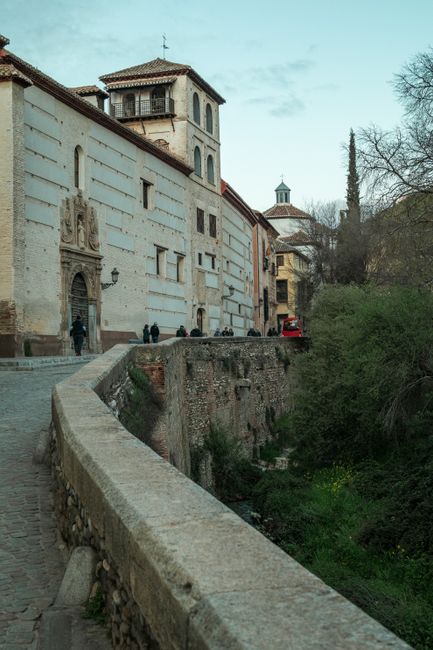
The Museo Cuevas del Sacromonte is an open-air ethnographic museum built into a series of authentic cave houses on the Sacromonte hillside. It documents the history of Granada's Romani (Gitano) community through reconstructed cave interiors showing traditional crafts, tools, domestic life and flamenco heritage. The hilltop setting offers sweeping views of the Alhambra and Generalife. Live demonstrations of basket-weaving, pottery and forge-work take place on certain days. It combines well with a walk through the Sacromonte neighbourhood and an evening zambra show nearby.
Tips for Tours & Activities
- Book Hammam Al Ándalus and Sacromonte flamenco shows at least a week in advance, especially in spring and autumn.
- Granada's free tapa system means three bar visits = dinner. Try Bar Los Diamantes (fried fish) and Bodegas Castañeda (ham and wine) as non-negotiable stops.
- The best free walking tour time is late morning — you'll finish in time for a tapas lunch.
Granada's location at the foot of the Sierra Nevada and within easy reach of the Costa Tropical and other Andalusian cities makes it a superb base for day excursions. From ski slopes to white villages, Roman ruins to Mediterranean beaches, there is no shortage of rewarding trips within 2 hours.
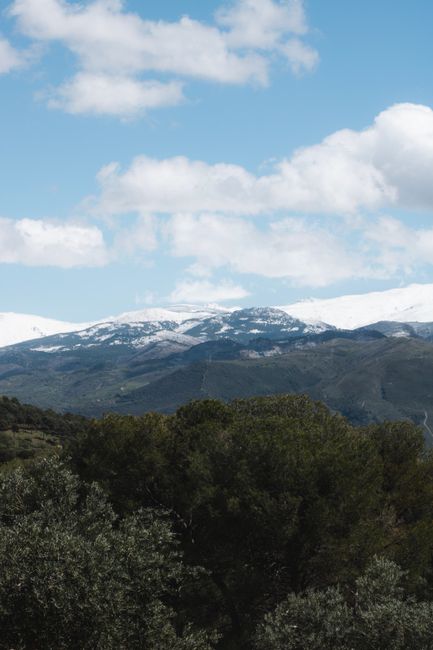
The Sierra Nevada, visible from virtually everywhere in Granada, is a UNESCO Biosphere Reserve and home to the highest peaks in mainland Spain — Mulhacén (3,479 m) and Veleta (3,396 m). In winter (December–April), the Sierra Nevada ski resort is Spain's southernmost ski area with 110 km of pistes. In summer and autumn, the mountains offer world-class hiking, mountain biking and stargazing. The resort village of Pradollano is 32 km from Granada, accessible by dedicated bus from the city in 45 minutes.
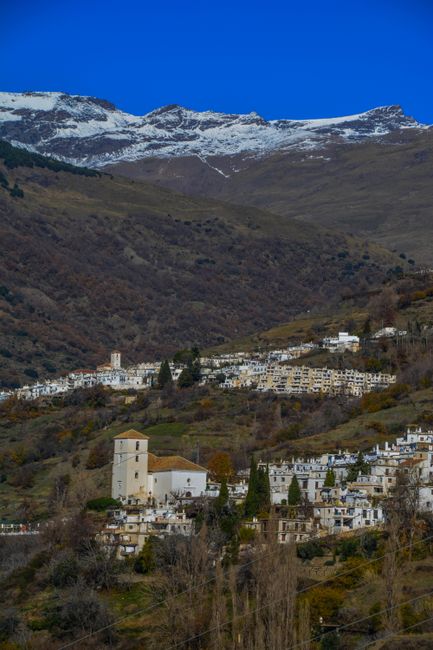
The Las Alpujarras are a string of Berber-influenced white villages cascading down the southern slopes of the Sierra Nevada — among the most picturesque rural landscapes in Spain. Lanjarón (spa town), Capileira and Pampaneira are the most visited, connected by winding mountain roads with spectacular gorge views. Traditional crafts (woven textiles, leather), artisan food shops and excellent hiking trails make this a superb full-day excursion. Organised tours depart from Granada; driving independently gives more flexibility to explore off-the-beaten-path hamlets.
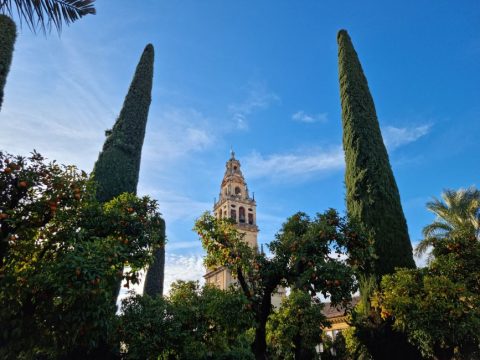
Córdoba, just 2.5 hours northwest by road or bus, was the caliphate capital of Moorish Spain and now harbours one of the world's most extraordinary buildings — the Mezquita-Catedral, a vast mosque-cathedral of hypostyle arches in red and white striped marble. The UNESCO-listed Jewish Quarter (Judería), with its flower-draped courtyards, is equally unmissable. The annual Festival de los Patios (May) transforms private courtyards into floral competition gardens. A direct Alsa bus connects Granada to Córdoba in 2h 30m.
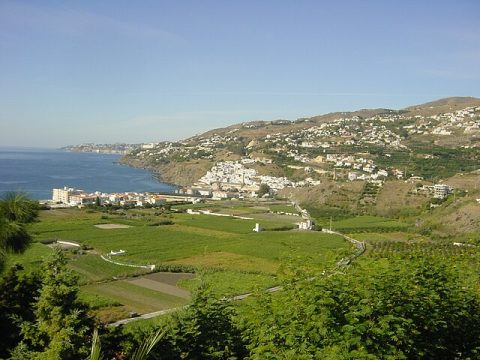
Granada's own Costa Tropical coastline, just 70 km south, offers a refreshingly uncommercial alternative to the Costa del Sol. Almuñécar, the main resort, has a Phoenician-Roman-Moorish castle overlooking pebbly beaches and excellent seafood restaurants. Nearby Salobreña, crowned by a Moorish castle, is arguably the most photogenic coastal village in the region. Buses connect Granada to both towns in about 1.5 hours; summer services are frequent. A beach day combined with Almuñécar's old town makes for a perfect contrast to the city's monuments.
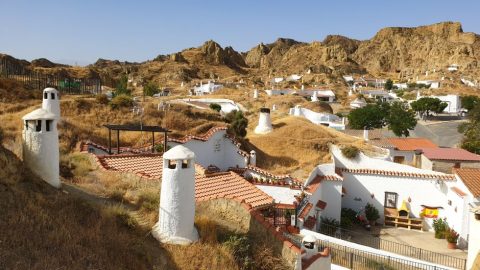
Guadix, 60 km northeast of Granada, is one of Spain's most unusual towns — home to the largest cave-dwelling community in Europe. Over 2,000 people live in cuevas carved into the distinctive badlands of red and white tufa cliffs. The Barrio de las Cuevas can be toured on foot or by tuk-tuk, and the town's Renaissance Cathedral and Moorish Alcazaba add historical interest. The Museo de las Cuevas opens a typical cave home for visits. Easily reached by bus from Granada in 1 hour; combine with a Sierra Nevada hike for a varied full day.
Tips for Day Trips & Excursions
- Sierra Nevada ski buses run from Granada bus station from December to April; book ski equipment hire in advance during peak weeks.
- Las Alpujarras driving tour: the GR-421 road through the Poqueira Gorge is spectacular but narrow — drive slowly.
- Combine Córdoba with a day in Seville if staying for a week — the AVE connects them in 45 minutes.
- Guadix cave accommodation (casas cueva) is a genuinely memorable alternative to city hotels.
Granada does not have one giant fairy-lit market like the cities of northern Europe, but the historic centre still gets thoroughly festive every December. Expect a traditional belén (nativity) market on Plaza Bib-Rambla, a citywide lights switch-on along Gran Via and Puerta Real, a seasonal ice rink, and an artisan craft market inside a Nasrid-era caravanserai.
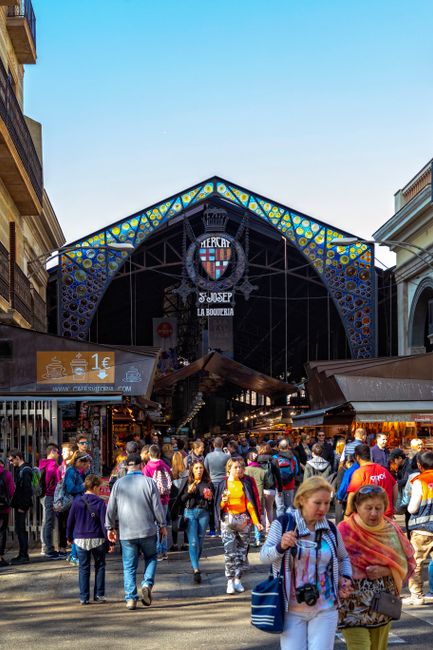
Granada's most enduring holiday tradition is not baubles and mulled wine but rows of wooden stalls selling belen figurines, moss, cork bark and miniature landscapes for building a nativity scene at home. The market fills the flower-stall square of Plaza Bib-Rambla, just steps from the Cathedral, and has run in some form for generations. It is a genuinely local scene rather than a tourist-oriented market, so prices are modest and the crowd is mostly Granadinos doing their yearly shopping. Expect the market to run from late November through early January 2027, with the biggest crowds on weekends and around Christmas Eve. Even visitors with no interest in nativity figures enjoy the photogenic, lantern-lit square in the evening. Combine a visit with a coffee at one of the surrounding terrace cafes.
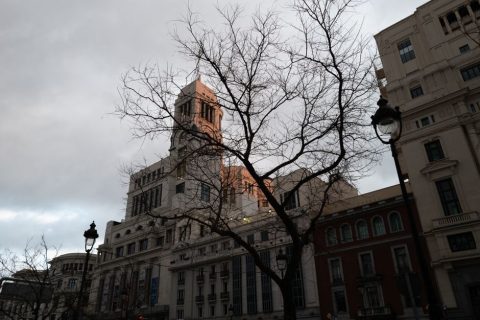
Granada's city council switches on its holiday illuminations in a public encendido navideno ceremony in late November, lighting up Gran Via de Colon, Puerta Real, Calle Reyes Catolicos and Acera del Darro with arches of lights, often themed around a giant ornament or star. The display stays lit nightly through Cabalgata de Reyes on 5 January 2027, making an evening stroll from the Cathedral down toward Puerta Real one of the easiest and most atmospheric free activities in the city during the season. Street musicians, chestnut vendors and occasional choirs add to the mood. It pairs naturally with the nearby Bib-Rambla nativity market and the Christmas lights along Calle Reyes Catolicos toward Puerta Real are especially photogenic after dark.
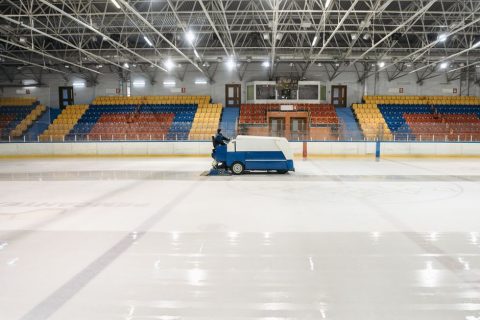
An open-air seasonal ice rink is typically installed for the holidays in central Granada, in past years around the Paseo del Salon or Fuente de las Batallas area near the Genil riverside, complete with skate rental and festive music. It is a popular outing for local families and a fun, low-cost activity for travelers visiting with children in December 2026 or the first days of January 2027. Exact placement and dates shift slightly year to year depending on the council's setup, so it is worth checking current signage or the city's tourism office once in town. Sessions usually run in timed slots through the evening, and queues build up on weekends, so an earlier visit on a weekday tends to be smoother. Bring gloves, since rental skates are the only equipment provided.
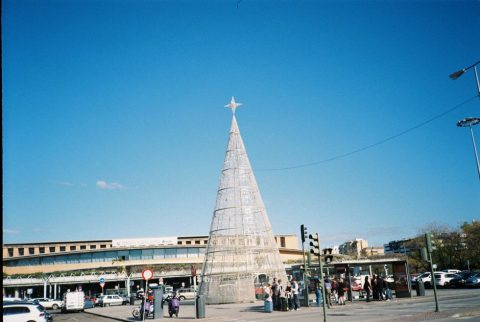
The Corral del Carbon, the best-preserved Nasrid-era merchants' inn in Spain, occasionally hosts small artisan and craft markets during the holiday season, with local vendors selling handmade ornaments, ceramics, leather goods and gourmet food gifts inside its atmospheric courtyard. Even outside market days, the building itself is worth a stop: built in the fourteenth century to house traders and their goods, it later served as a theatre and now holds craft shops and a tourism office. Checking for seasonal pop-up stalls here in December 2026 rewards visitors with a market experience that feels historic rather than commercial, set inside horseshoe arches and carved stucco rather than a plastic chalet. Entry to the courtyard itself is free.
Tips for Christmas Market
- Granada's holiday scene is spread across a few central spots rather than one big market, so plan a walking loop from Bib-Rambla to Puerta Real rather than expecting a single fairground.
- The nativity figurine stalls on Plaza Bib-Rambla are a genuine local tradition, not a tourist trap, and make an easy, inexpensive souvenir stop.
- Evenings are best for the lights along Gran Via and Puerta Real; visit after dinner for the fullest effect.
- If Granada's offerings feel modest, Malaga's much larger illuminated Christmas lights display is about 90 minutes away by car or train and is a popular day trip in December.
- Check exact ice rink placement and dates locally, as the setup location has varied in past years.
Granada's student population keeps the city buzzing well past midnight, from bar-lined streets pulsing with reggaeton and flamenco fusion to rooftop terraces facing the floodlit Alhambra. Nights here mix free tapas culture with genuinely late closing times, so the energy rarely dies before sunrise.
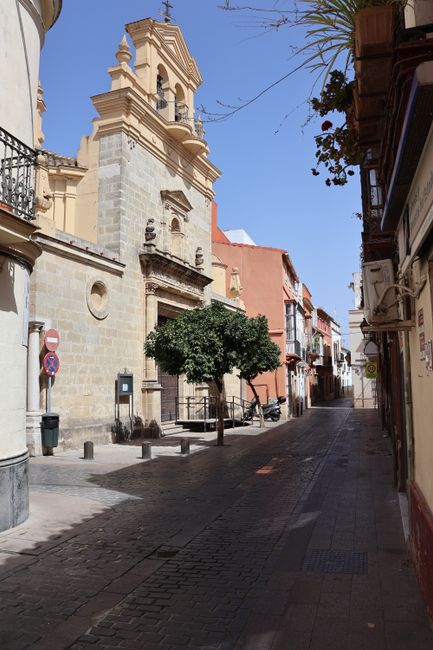
This long avenue near the university is Granada's densest strip of bars and clubs, packed with students and travelers most nights of the week. Venues here range from cheap shot bars to full dance clubs blasting reggaeton, house, and Spanish pop until dawn. The street has an unpretentious, high-energy feel and is one of the easiest places to bar-hop without planning ahead, since nearly every doorway leads to a different scene.
Expect queues forming after 2am at the biggest clubs and a steady flow of people moving between venues all night. It is loud, crowded, and inexpensive by European standards, making it popular with backpackers and Erasmus students. Locals mix in too, especially earlier in the evening before the bigger crowds arrive. Comfortable shoes and a light wallet are recommended, as most places only take cash for door charges.
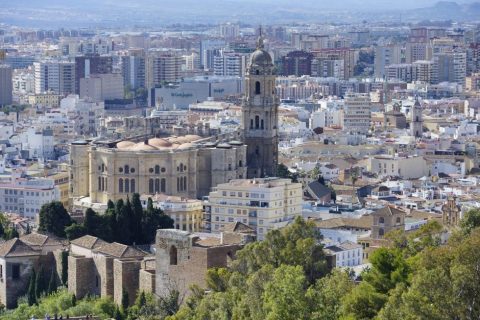
Built into the hillside of Sacromonte, this multi-terrace nightclub is famous for its open-air dance floors overlooking the illuminated Alhambra. Unlike the flamenco cave shows nearby, El Camborio operates as a straightforward club with resident DJs spinning commercial and Latin hits late into the night. The climb up from the Albayzín is part of the appeal, rewarding visitors with sweeping views over the Darro valley.
The venue really gets going after 1am and stays busy until sunrise, especially on weekends. Multiple levels and outdoor terraces mean there is usually room to escape the loudest speakers and just take in the skyline. It draws a mixed crowd of locals, students, and tourists, and the walk up in the dark adds a bit of adventurous atmosphere to the night out.
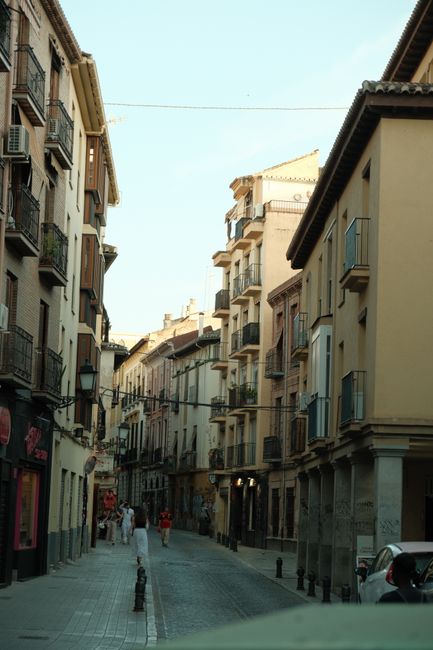
A long-running fixture of Granada's electronic and indie music scene, this club hosts live DJ sets and touring acts in a compact, atmospheric space near the city center. It leans toward techno, house, and alternative sounds rather than mainstream pop, drawing a crowd more interested in the music than in bottle service. The intimate size means the dance floor fills up fast on weekends.
Programming changes throughout the week, with quieter concert nights early on and full club sets from Thursday through Saturday. Doors typically open late and the venue stays lively into the early morning hours. It is a solid pick for visitors who want a genuine local nightlife experience rather than a tourist-oriented bar crawl, though checking the current schedule online before heading over is worthwhile since lineups rotate often.

Tucked into the Albayzín's narrow lanes, this small basement venue blends live flamenco, jazz, and blues with a relaxed bar atmosphere. Named after the surrealist film by Buñuel and Dalí, it has an artsy, bohemian vibe quite different from the big dance clubs elsewhere in the city. Nightly sets typically start with a live performance before the space shifts into a more casual late-night bar.
Seating is limited and tables fill quickly, so arriving early for a good spot is wise. Drink prices are reasonable and the crowd tends to be a mix of locals, expats, and travelers looking for something more musical than a typical club night. It is an easy stop for anyone exploring the Albayzín after dark who wants live music in an intimate setting without a formal show ticket.
Tips for Nightlife & Entertainment
- Many bars serve a free tapa with every drink, so a bar crawl can double as dinner.
- Clubs in Granada rarely fill up before 1am, plan a late start.
- Sacromonte venues involve a steep, poorly lit walk uphill, go in a group or take a taxi at night.
- Bring cash, as smaller bars and club doors often do not accept cards.
Granada moves to a distinct rhythm across the year, from Holy Week processions and springtime pilgrimages to open-air concerts in the Alhambra and cross-cultural festivals honoring the citys Moorish and Christian layers. Plan a visit around these recurring happenings to see the city at its most alive.
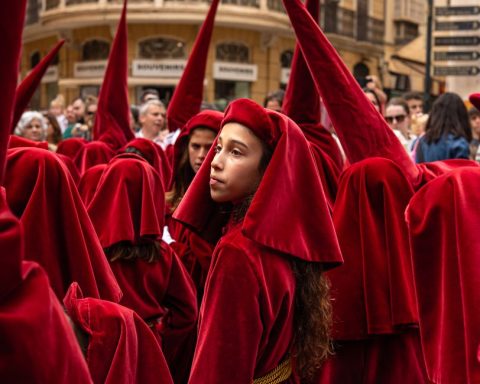
Each spring Granada stages one of Spains most visually striking Holy Week observances, with hooded penitents and ornate floats of Christ and the Virgin carried through the historic center by religious brotherhoods. In 2026 the observance runs from March 29 to April 5, with the most dramatic processions passing through the Carrera del Darro and Plaza de las Pasiegas after nightfall. Expect brass bands, incense, and crowds many rows deep along the main routes. The Cristo de los Gitanos procession, climbing into the Sacromonte quarter, is a local highlight not found in other Spanish cities. Arrive early to secure a viewing spot near the cathedral, and check the official Semana Santa schedule for nightly route timings, as they shift daily throughout the week.
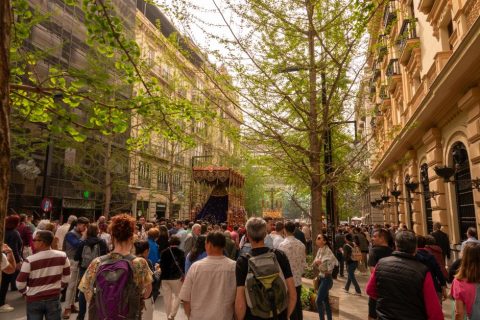
Granadas biggest annual celebration blends a religious procession with a week-long fairground fiesta in the Fuente de las Batallas and Ferial El Real de la Feria. In 2026, expect the core dates to fall around June 3 to June 9, anchored by the Corpus Christi procession carrying the monstrance through streets decked in flowers and awnings. By afternoon the fairgrounds fill with striped casetas, flamenco dresses, horse-drawn carriages, and fried pescaito, while nights bring live orchestras and dancing until dawn. Locals treat the whole week as an informal holiday, so expect shops on Gran Via and Reyes Catolicos to adjust hours. It is Granadas most communal event, drawing visitors from across Andalusia. Book central accommodation months ahead, as prices spike noticeably during fair week.

Since 1952 this prestigious festival has staged classical music, opera, ballet, and flamenco in extraordinary settings, most famously the Palacio de Carlos V courtyard and the gardens of the Generalife within the Alhambra complex. The 2026 edition is expected to run from June 19 to July 4, featuring international orchestras, chamber ensembles, and contemporary dance companies performing after sunset beneath the Alhambras towers. Hearing a string quartet or watching flamenco with the illuminated palace as backdrop is a genuinely rare atmosphere unmatched elsewhere in Europe. Tickets for Generalife garden performances sell out early given limited seating among the cypress hedges. Check the festival program in spring, as venues rotate between the Alhambra, Corral del Carbon, and Manuel de Falla Auditorium depending on the performance type.
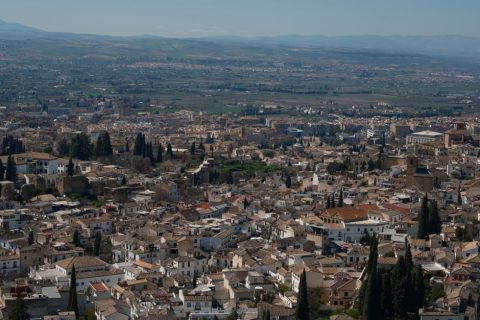
Every autumn the Auditorio Manuel de Falla and other venues around the city host one of Spains longest-running jazz festivals, drawing internationally touring musicians alongside emerging Spanish and Andalusian talent. The 2026 edition is anticipated for November 5 to November 15, with evening concerts complemented by smaller late-night jam sessions in bars around the Realejo quarter. The festivals intimate scale means many shows happen in venues seating only a few hundred, giving a close-up experience rare at larger jazz festivals. Past editions have paired big-name headliners with free outdoor daytime sets in Plaza Isabel la Catolica. Buy tickets for the Auditorio shows in advance, but keep an evening free to wander the Realejo, where impromptu jazz spills out of tapas bars once the main program winds down.
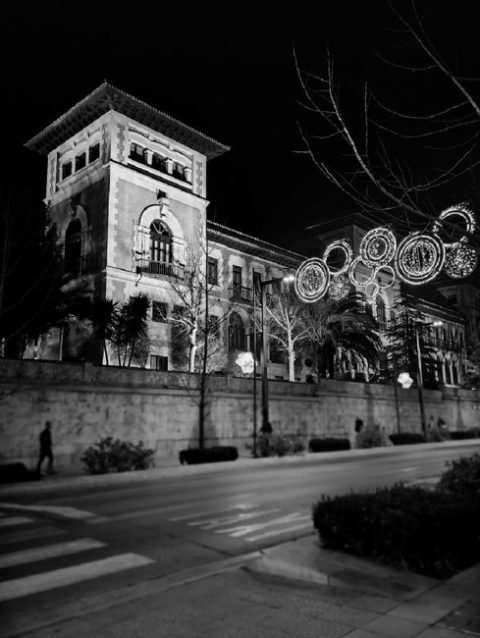
On December 31, 2026, Granadinos gather in Plaza del Carmen in front of the Ayuntamiento and in Plaza Nueva to ring in the new year with the Spanish tradition of eating twelve grapes, one on each clock chime at midnight. The square fills with families and visitors bundled against the winter chill, cava bottles popping the moment the countdown ends, followed by fireworks visible from the Mirador de San Nicolas above the Albaicin. Many locals climb to the mirador beforehand for a panoramic view of the Alhambra lit up against the night sky as the new year begins. Bars around Plaza Nueva stay open well past dawn on January 1st. Arrive at least an hour early to claim a good spot, since the main squares fill quickly as midnight approaches.
Tips for Events Calendar
- Book accommodation and Alhambra tickets far in advance during Semana Santa, Corpus Christi, and the Music and Dance Festival, as prices and demand peak sharply.
- Many events shift dates slightly year to year since they follow the liturgical or lunar calendar, so confirm exact 2026 dates closer to your visit.
- Evening events in the Albaicin and Sacromonte involve steep, cobbled streets, wear comfortable shoes.
- Locals plan around fair week and Holy Week, expect some shops and offices to run reduced hours.
Granada rewards young explorers with hands-on science, shady parks, and playful surprises tucked between its historic monuments. These family-friendly stops offer a break from museum-hopping while keeping the citys charm close at hand.
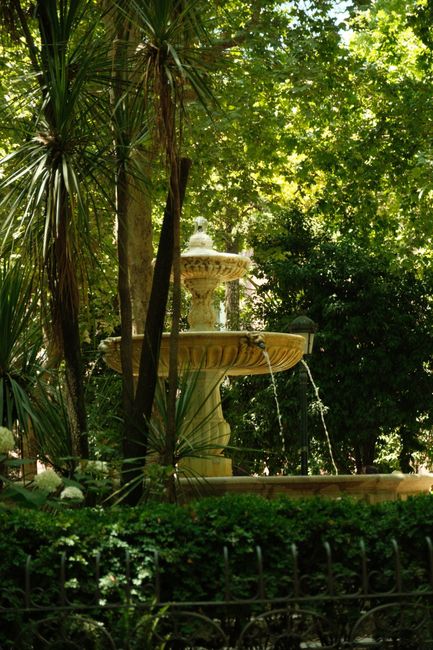
This spacious municipal park in the Fuentenueva area centers on the Huerta de San Vicente, the summer house where poet Federico García Lorca once lived. Families come for the wide, tree-lined paths, several playgrounds scattered across the grounds, and open lawns perfect for a picnic or a round of tag. There are shaded benches for tired parents, a small pond area, and enough space for kids to run freely without traffic worries. The park is generally quiet and local, giving visitors a relaxed slice of everyday Granada life away from the crowds around the Alhambra. It is an easy stop to combine with a stroller walk or a bike ride, and admission to the park itself is completely free, though the house-museum inside charges a small separate fee. Weekday mornings are especially peaceful, while weekends bring local families out for games.
A modern neighborhood park built specifically with children in mind, offering multiple play zones with slides, climbing structures, and swings suited to different age groups. Wide paved paths make it easy to navigate with a stroller or scooter, and the open green spaces give younger kids room to burn off energy after a morning of sightseeing. Unlike the historic center, this park sits in a quieter residential district, so it feels distinctly local and unhurried. There are shaded seating areas nearby for parents, and small kiosks in the surrounding streets sell snacks and drinks. It works well as a late-afternoon stop to let kids decompress, and its layout makes supervising multiple children fairly easy. The park is free to enter and rarely crowded, making it a low-key but genuinely useful addition to a family itinerary in Granada.
A seasonal water park on the outskirts of Granada offering slides, wave pools, and dedicated splash zones for younger children, making it a favorite warm-weather escape from the summer heat. The park typically operates from June through early September, with separate shallow pools and gentler slides designed for toddlers and small kids alongside taller thrill slides for older children and teens. Lifeguards are stationed throughout, and there are grassy areas with sun loungers where parents can relax while keeping an eye on the action. On-site snack bars and lockers make a full day trip manageable without much planning. Given Granadas hot, dry summers, this is one of the most reliably kid-pleasing outings in the region during peak season. It sits a short drive from the city center, so a car or taxi is the easiest way to reach it, and checking seasonal opening dates in advance is worthwhile since hours shift year to year.

Occasional open-house style visits and educational programs at Granadas fire and emergency services facilities give curious kids a chance to see trucks, gear, and demonstrations up close. These sessions are typically arranged through local schools or announced around civic holidays, but families visiting Granada can sometimes join by checking with the tourist office for current dates. Children get to try on helmets, sit in truck cabs, and watch short safety demonstrations, which tends to delight kids fascinated by vehicles and uniforms. It is a more offbeat option compared to typical museum visits, adding variety to a family trip and giving energetic younger children something interactive and physical rather than another walk-through exhibit. Availability is irregular, so this works best as a flexible bonus activity rather than a planned centerpiece, and confirming current schedules locally is recommended before making it part of a fixed itinerary.
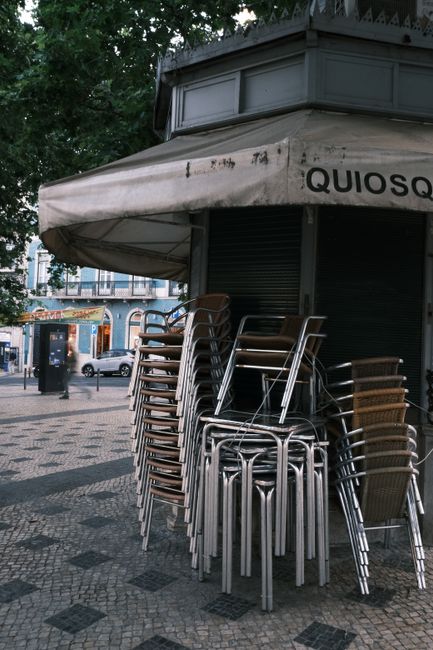
Near the Jardines del Triunfo, a small vintage-style carousel and rotating seasonal kiosks give younger children an easy, low-cost dose of fun during a break from sightseeing. The carousel runs on relaxed hours and offers short, gentle rides suited to toddlers and young kids, while nearby stalls sell ice cream, churros, and balloons that make for a natural pit stop on a family walking route. Benches and open plaza space around it let parents rest while kids play, and the area stays lively into the early evening during warmer months. It is not a major attraction on its own, but as a five-to-ten-minute stop woven into a longer day exploring the city, it reliably lifts spirits and gives small children a tangible highlight to look forward to. Hours can vary by season and weather, so treat it as a flexible extra rather than a fixed stop.
Tips for With Kids
- Summer afternoons in Granada get very hot, so plan outdoor park visits for morning or early evening
- Bring water and sun protection, as shade can be limited in open plazas and parks
- Check seasonal opening dates for the aquapark before traveling, since it closes outside summer months
- Strollers work well on paved park paths but struggle on the cobblestones of the historic center
Real, highly-rated Restaurants in Granada, sourced from Google Places (rating above 4★).
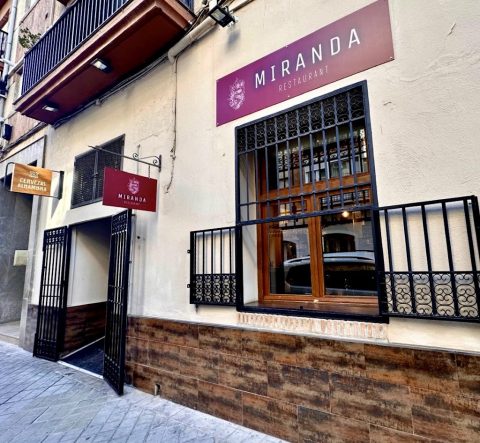
Miranda Restaurant is a highly-rated restaurant in Granada, rated 5★ from 163 reviews. Located at C. Marqués de Mondéjar, 17, Ronda, 18004 Granada, Spain.
Opening Hours
- Monday: 1:00 – 4:00 PM, 8:30 – 11:00 PM
- Tuesday: 1:00 – 4:00 PM, 8:30 – 11:00 PM
- Wednesday: 1:00 – 4:00 PM, 8:30 – 11:00 PM
- Thursday: 1:00 – 4:00 PM, 8:30 – 11:00 PM
- Friday: 12:00 AM – 11:30 PM
- Saturday: Closed
- Sunday: Closed
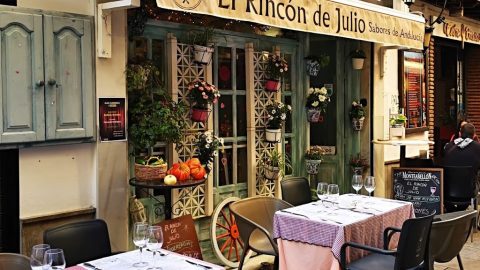
El Rincón de Julio is a highly-rated restaurant in Granada, rated 4.9★ from 5528 reviews. Located at C. Navas, 27, Loc bajo centro, Centro, 18009 Granada, Spain.
Opening Hours
- Monday: Closed
- Tuesday: Closed
- Wednesday: Closed
- Thursday: 12:30 – 3:00 PM, 7:30 – 11:00 PM
- Friday: 12:30 – 3:00 PM, 7:30 – 11:00 PM
- Saturday: Closed
- Sunday: Closed
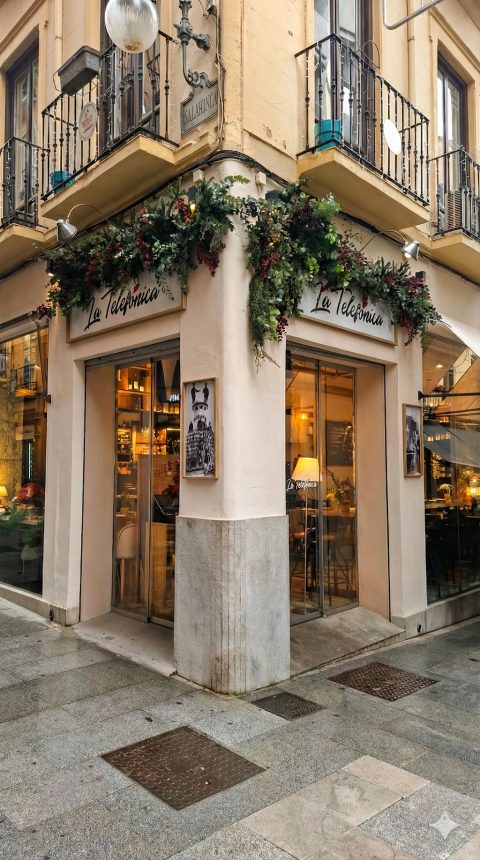
La Telefónica is a highly-rated restaurant in Granada, rated 4.9★ from 10961 reviews. Located at C. Salamanca, 19, Centro, 18001 Granada, Spain.
Opening Hours
- Monday: 1:00 PM – 12:00 AM
- Tuesday: 1:00 PM – 12:00 AM
- Wednesday: 1:00 PM – 12:00 AM
- Thursday: 1:00 PM – 12:00 AM
- Friday: 1:00 PM – 12:00 AM
- Saturday: 1:00 PM – 12:00 AM
- Sunday: 1:00 PM – 12:00 AM
Explore Granada on the Map
Best Time to Visit Granada
| Season | Months | Weather | Crowds | Notes |
|---|---|---|---|---|
| Spring | March–May | 18–24°C, mild, some rain | Moderate–High | Best overall season. Alhambra gardens in bloom. Semana Santa (Holy Week) is spectacular but very busy. |
| Summer | June–August | 30–38°C, very hot, dry | Very High | Intense heat in July–August. Book everything weeks ahead. Sierra Nevada easily accessible for hiking. |
| Autumn | September–November | 18–27°C, pleasant, light rain | Moderate | Excellent second season. Harvest festivals, lower prices, comfortable temperatures. Recommended. |
| Winter | December–February | 8–15°C, cool, occasional snow | Low | Fewer crowds, cheapest prices. Sierra Nevada ski season begins. Snow on the Alhambra is magical but rare. |
Sweet spot: Late September to early November and late March to May offer the best combination of weather, manageable crowds and full Alhambra access.
Shopping in Granada
What to Buy
- Marquetería (Inlaid Wood): Granada's most famous craft — intricate geometric marquetry boxes, frames and furniture following Nasrid geometric patterns. Best found in specialist shops near the Alhambra and Alcaicería.
- Taracea: Mother-of-pearl and wood inlay work; authentic pieces are handmade and expensive. Avoid cheap imports.
- Leather Goods: Moroccan-influenced leather bags, poufs and belts in the Alcaicería and Calderería Nueva.
- Ceramics: Fajalauza-style blue-and-green glazed pottery is Granada's distinctive ceramic tradition. Look for the Fajalauza stamp.
- Olive Oil and Local Food: Sierra Nevada honey, dried herbs, jamón ibérico from Trevélez, and local wines from the Contraviesa-Alpujarra DO.
Where to Shop
- Alcaicería: Reconstructed Moorish silk market adjacent to the Cathedral; tourist-oriented but atmospheric.
- Calderería Nueva: Best for Moroccan imports, leather and artisan crafts.
- Calle Recogidas: Main pedestrian high street for Spanish chain stores and fashion.
- Mercado San Agustín: Indoor food market near the Cathedral for fresh produce, cheese and charcuterie.
Festivals and Events in Granada
- Semana Santa (Holy Week, March/April): Granada's Easter processions are among Andalusia's most solemn and spectacular, with ornate pasos (floats) carried through the steep Albayzín streets. Book accommodation 3–6 months ahead.
- Día de la Cruz (3 May): The city decorates crosses with flowers in a competition across neighbourhoods; the Albayzín and Realejo are particularly festive.
- Corpus Christi (June): Granada's biggest secular festival, with a week of bullfights, fairs, concerts and the famous Tarasca parade.
- Festival Internacional de Música y Danza (June–July): World-class classical concerts, flamenco and dance performed within the Alhambra and Generalife — one of the world's most atmospheric festival settings.
- Noche en Blanco (late September): A single night of free cultural events across the city's monuments, museums and public spaces — free Alhambra access after dark.
- Día de la Toma (2 January): Commemorates the Christian conquest of Granada in 1492; locals ring the bell of the Alcazaba's Torre de la Vela.
Sample Day Itineraries for Granada
Day 1 — The Alhambra and Generalife
- 8:00 am: Enter the Alhambra complex early (C30 bus from Plaza Nueva). Start with the Alcazaba for morning panoramas.
- 9:30 am: Enter the Nasrid Palaces at your timed slot. Allow 2 hours minimum for the Court of the Myrtles and Court of the Lions.
- 12:00 pm: Visit the Palacio de Carlos V and Museo de la Alhambra.
- 13:30 pm: Stroll through the Generalife gardens.
- 15:00 pm: Lunch at a restaurant on Paseo de los Tristes with Alhambra views.
- 17:00 pm: Walk the Carmen de los Mártires gardens (free).
- 20:00 pm: Tapas crawl on Calle Navas.
Day 2 — Albayzín and Sacromonte
- 10:00 am: Free walking tour of the Albayzín departing Plaza Nueva.
- 12:30 pm: Mint tea and pastries on Calderería Nueva.
- 14:00 pm: Lunch at a restaurant in the Albayzín with terrace views.
- 16:00 pm: Visit the Mezquita Mayor rooftop garden and El Bañuelo Arab baths.
- 17:30 pm: Walk to Sacromonte for the Museo Cuevas del Sacromonte.
- 19:00 pm: Sunset from Mirador de San Nicolás (arrive by 19:30 in summer).
- 21:30 pm: Zambra flamenco show in a Sacromonte cave.
Day 3 — Cathedral Quarter and Hammam
- 10:00 am: Cathedral and Capilla Real (combined ticket).
- 12:00 pm: Explore the Alcaicería and Corral del Carbón.
- 13:30 pm: Lunch at Mercado San Agustín food hall.
- 15:30 pm: Monasterio de San Jerónimo.
- 17:30 pm: Hammam Al Ándalus bath session (pre-booked).
- 20:30 pm: Evening tapas in the Realejo neighbourhood.
Day 4 — Sierra Nevada or Las Alpujarras
- 8:30 am: Bus from Granada to Pradollano (ski season) or drive to Pampaneira (Alpujarras).
- 10:00 am – 17:00 pm: Full day in the mountains — hiking, skiing, or village exploration.
- 19:30 pm: Return to Granada for a final sunset from Paseo de los Tristes.
- 21:00 pm: Farewell dinner on Carrera del Darro.
Day 5 — Córdoba Day Trip
- 8:00 am: Early Alsa bus to Córdoba (2h 30m).
- 10:30 am: Mezquita-Catedral (pre-book; allow 2 hours).
- 13:00 pm: Lunch in the Judería quarter.
- 14:30 pm: Explore the Jewish Quarter, Alcázar de los Reyes Cristianos and floral patios.
- 17:30 pm: Return bus to Granada.
- 20:30 pm: Tapas and rest in Granada.
Best Photography Locations in Granada
- Mirador de San Nicolás (Albayzín): The classic Alhambra shot. Best light: golden hour before sunset in spring and autumn. Arrive 45 minutes early for a front-row position. In winter, snow on the Sierra Nevada transforms the backdrop.
- Paseo de los Tristes: Evening shots of the Alhambra illuminated above the Darro river. Tripod essential after dark. Best: 30–60 minutes after sunset.
- Carrera del Darro: Medieval bridge reflections in the river, Moorish towers framing the Alhambra hill. Best at dawn with no crowds.
- Alhambra Court of the Lions: The iconic fountain surrounded by 124 marble columns. Use wide-angle lens; timed entry means space is limited — work quickly.
- Alhambra Court of the Myrtles: Mirror reflection of the Comares Tower in the long pool. Best in morning light (east-facing).
- Sacromonte hillside: Whitewashed cave houses tumbling down to the Darro gorge with the Alhambra rising behind. Walk the Camino del Sacromonte at dawn for empty frames.
- Generalife Acequia Court: Arching water jets framing the palace tower. Mid-morning light is ideal; avoid midday glare.
- Alcazaba Torre de la Vela: 360° panorama — city, Albayzín, Sierra Nevada. Best for wide landscape shots at golden hour.
- Mezquita Mayor rooftop garden: Free, uncrowded, and arguably the best wide shot of the entire Alhambra complex from across the Darro valley.
Electricity and Power in Granada (Spain)
- Voltage: 230V / 50 Hz (standard European).
- Plug Type: Type F (Schuko) — round two-pin plugs with grounding clips. Same as most of continental Europe.
- UK visitors: Need a Type G to Type F adapter (widely available at airports and hardware stores).
- US/Canada visitors: Need a Type A/B to Type F adapter and a voltage converter if devices are not dual-voltage (most modern phones, laptops and cameras are 100–240V and need only an adapter).
- Australia/NZ: Need a Type I to Type F adapter.
- USB charging: Most hotels provide USB ports at bedside. Power banks are recommended for all-day Alhambra visits.
Food and Drink in Granada
Must-Try Dishes
- Free tapas: Granada's defining culinary tradition — every drink ordered brings a free tapa. The more you drink, the more elaborate the tapas become at many bars. Three bars equals dinner.
- Plato Alpujarreño: Hearty mountain plate of potatoes, blood sausage, chorizo, fried egg and ham — fuel for Sierra Nevada hikers.
- Tortilla Sacromonte: Granada's famous omelette made with brains, sweetbreads and vegetables — an adventurous local speciality.
- Jamón de Trevélez: Air-cured ham from the high Alpujarras village of Trevélez — one of Spain's finest, with protected designation of origin.
- Pionono: Granada's signature pastry — a small sponge roll dipped in syrup and topped with toasted cream, invented in Santa Fe near Granada.
- Remojón: Traditional salad of salt cod, orange, olives and hard-boiled egg — a Moorish-influenced dish unique to Granada.
- Habas con jamón: Broad beans sautéed with Trevélez ham — a classic spring tapa found everywhere.
Best Areas for Eating
- Calle Navas and surrounds: Tourist-friendly tapas bars with reliable quality; good starting point.
- Campo del Príncipe (Realejo): More local atmosphere; excellent value; favoured by students and families.
- Bodegas Castañeda (Calle Elvira): Historic bodega-bar with excellent wine and jamón; essential stop.
- Bar Los Diamantes: Two locations; legendary fried fish and seafood tapas.
- Paseo de los Tristes: Pricier than average but the view of the illuminated Alhambra justifies a drink or two.
Tourist Passes
Alhambra Ticket (General Access)
The standard Alhambra ticket (approx. €19 adult) covers the Alcazaba, Generalife, Palacio de Carlos V museums and general grounds. The Nasrid Palaces add-on (included in most standard tickets) grants timed entry to the site's centrepiece. Book only through the official website (alhambra-patronato.es) to avoid inflated reseller prices. Evening tickets (Nasrid Palaces only, Tuesday–Saturday) cost approximately €8 and sell out fast. Children under 12 enter free.
www.alhambra-patronato.esBono Monumentos Granada
The Bono Monumentos is a combined ticket covering the Granada Cathedral and Capilla Real (Royal Chapel) at a reduced combined price compared to buying separately. Available at either monument's ticket desk. It does not include the Alhambra. A good value option for those spending a full day in the Cathedral quarter.
www.catedraldegranada.comGranada Card
The Granada Card is a multi-attraction city pass covering the Alhambra (general access), bus travel, and a selection of city monuments including the Cathedral, Capilla Real, Corral del Carbón and Parque de las Ciencias. Available in 24h, 48h and 72h versions (approximately €37–45). The key advantage is that it includes Alhambra entry and books your Nasrid Palaces slot — useful if you have left booking late.
www.granadacard.comSierra Nevada Ski Pass
The Sierra Nevada ski resort offers daily, multi-day and seasonal ski passes covering its 110 km of marked pistes and 21 lifts. Day passes for adults cost approximately €40–55 depending on the season (peak: January–February). Online purchase is strongly recommended and usually cheaper than at the window. Equipment rental packages can be combined with the lift pass for significant savings.
www.sierranevadaski.com