Beyond the cathedral and the caves lies a quieter Mallorca of overgrown gardens, forgotten watchtowers, and villages that rarely make the postcards. These spots reward travelers willing to detour off the ring road and wander a little further inland or along the lesser-known coast.
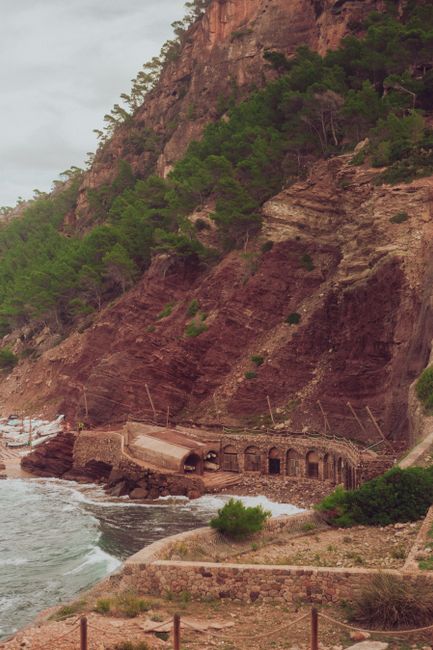
Talaiot de Capocorb Vell
Near Llucmajor on the southern coast, Capocorb Vell is one of the largest and best-preserved Talaiotic settlements on the island, dating back roughly 3,000 years, yet it receives only a trickle of visitors compared to the caves and castles that dominate most itineraries. Massive cyclopean stone towers and the remains of circular dwellings sit scattered across an open field, with informational panels explaining the prehistoric Talaiotic culture that once thrived here. Walking among the megalithic ruins with no crowds and only birdsong for company gives a genuine sense of Mallorca's deep past long before Roman or Moorish influence. Wear a hat, as the site is entirely exposed with no shade, and check opening days beforehand since hours are limited.
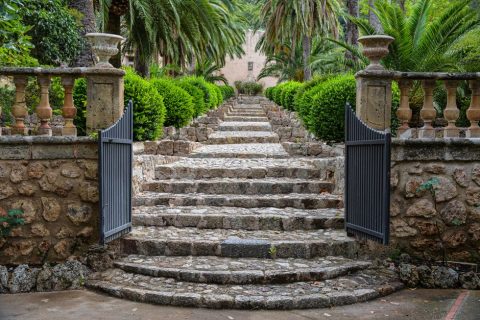
Jardins de Alfabia to Raixa Estate Backroads
Tucked behind the better-known gardens near Bunyola, the Raixa estate is a sprawling 17th-century country property with Italianate terraces, faded statuary, and citrus groves that see a fraction of the visitors nearby attractions get. Owned today by the Consell de Mallorca, it is open to the public but rarely appears on itineraries. Wander past crumbling fountains and stone staircases shaded by ancient olive trees, with views stretching toward the Tramuntana foothills. It is an atmospheric, slightly wild counterpoint to more manicured gardens elsewhere on the island. Bring water, as there is little shade once you reach the upper terraces, and wear sturdy shoes for the uneven stone paths.
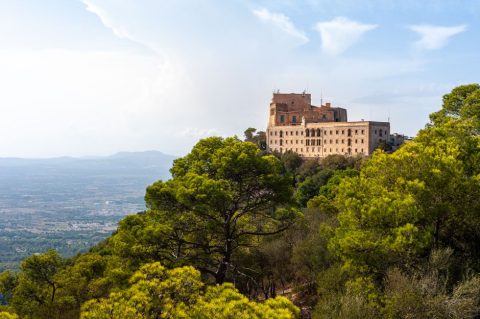
Puig de Randa Hilltop Monasteries
Rising alone from the flat central plain near Algaida, Puig de Randa is dotted with three small sanctuaries along its switchback summit road, most notably the Santuari de Cura, once home to philosopher Ramon Llull. Far fewer visitors make the winding drive up compared to the island's coastal sights, yet the summit offers a genuinely panoramic view stretching from the Tramuntana range to the Badia de Palma on a clear day. The modest chapels and a small museum on Llull's life add a reflective, scholarly note rarely found elsewhere on the island. A simple cafeteria at the top serves coffee and snacks. Visit near sunset for a dramatically quiet, golden-lit panorama with almost no other tourists present.
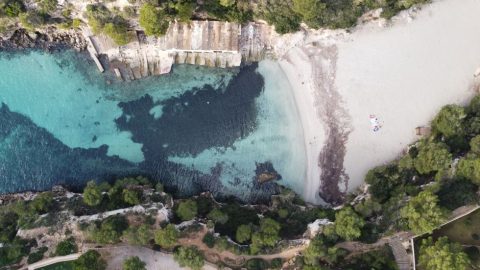
Cala Varques
Reached only by a fifteen-minute walk through pine forest and farmland near Manacor, Cala Varques is a pristine cove of turquoise water and white sand that remains free of beach clubs or sunbeds. No road leads directly to it, which keeps crowds thin even in high season. The surrounding cliffs and sea caves are popular with snorkelers, and a nearby freshwater cave occasionally opens for informal swims. Access can be restricted seasonally to protect the dunes, so it is worth checking locally before setting out. Arrive early morning to secure a quiet patch of sand, and pack everything in and out since there are no facilities whatsoever on site.
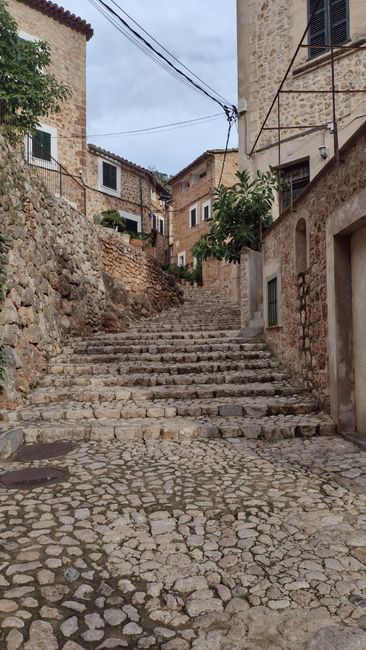
Fornalutx Village Wanders
Often called one of Spain's prettiest villages yet consistently overshadowed by its more famous Tramuntana neighbors, Fornalutx is a maze of stone lanes, orange trees, and terraced hillsides that stays remarkably peaceful outside a brief midday tour-bus window. Wander uphill past shuttered stone houses draped in bougainvillea toward small viewpoints looking over the Sóller valley's citrus terraces. A handful of family-run cafes serve orange-based dishes reflecting the valley's agricultural heritage. Because it lacks major monuments or museums, Fornalutx is easy to skip entirely, which is precisely why its cobbled squares stay unhurried and authentic. Come in late afternoon once day-trip groups have departed for a near-empty village experience.
Tips for Hidden Gems
- Many of these sites have no official website or fixed hours, so check with the local tourism office or Google's current listing before visiting
- Rent a car for the Puig de Randa, Fornalutx, and Capocorb Vell detours — public transport rarely reaches these spots
- Cala Varques has zero facilities, so bring your own water, shade, and snacks
- Visit hilltop and inland villages in late afternoon to avoid coach-tour crowds that pass through around midday