Mallorca's art scene ranges from Joan Miró's former studio-home to contemporary galleries housed in converted fortresses and Modernist palaces, reflecting the island's long pull on 20th-century artists.
Fundació Pilar i Joan Miró
This museum preserves the studios and home where Joan Miró lived and worked for the last 27 years of his life, overlooking Palma Bay. The Sert Studio, designed by architect Josep Lluís Sert, remains exactly as Miró left it, with unfinished canvases and tools in place. The adjacent modern gallery displays rotating exhibitions of his paintings, sculptures, and sketches. A must for understanding Miró's late, most experimental period, set in peaceful gardens above the sea.
Es Baluard Museum
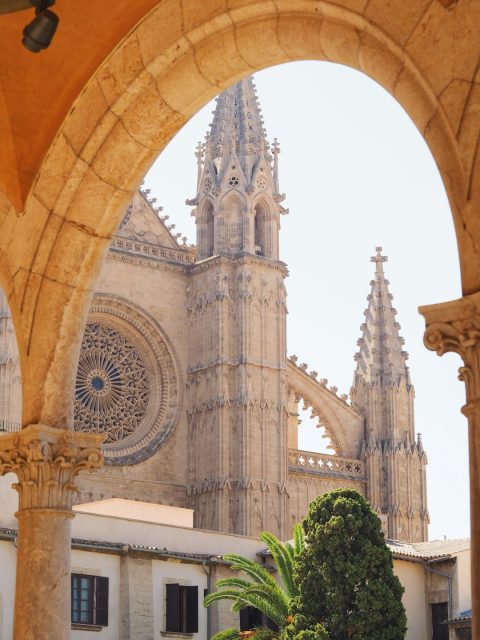
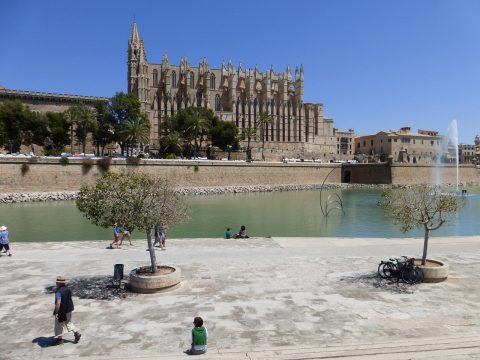
Built into a 16th-century sea bastion on Palma's old city walls, Es Baluard houses modern and contemporary art from Picasso and Miró to living Spanish artists. The building itself is a highlight, blending Renaissance fortifications with minimalist concrete additions, and includes excavated Arab-era ruins visible through glass floors. The rooftop terrace café offers one of Palma's best sunset views over the bay and cathedral. Rotating temporary exhibitions keep repeat visits worthwhile.
Museu de Mallorca
Housed in a former noble mansion, this museum traces the island's history from prehistoric Talayotic culture through Roman, Islamic, and medieval Christian periods. Highlights include Gothic panel paintings, Islamic ceramics, and archaeological finds from Talayotic settlements found across the island. Less crowded than Palma's headline sights, it's a useful stop for context before visiting rural archaeological sites. Check the museum's site for ticket prices and free-entry days.
CaixaForum Palma (Gran Hotel)
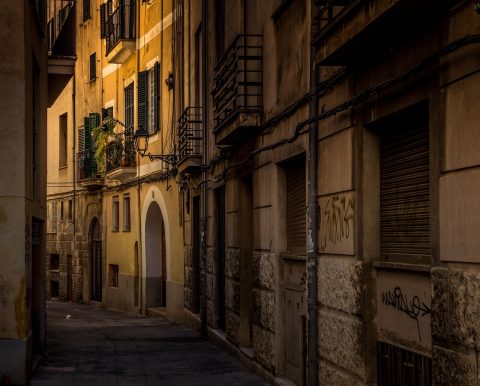
This striking Modernist building designed by Lluís Domènech i Montaner opened in 1903 as Mallorca's first grand hotel and now serves as a cultural center. The facade's ceramic tiles and iron balconies make it a landmark of Catalan Art Nouveau on the island. Inside, free exhibitions cover art, photography, and local history, alongside a room dedicated to painter Anglada-Camarasa. General exhibition admission costs €6; eligibility-based exemptions apply.
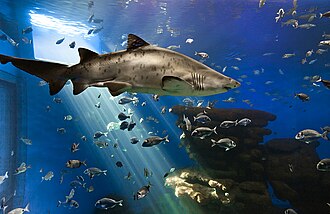
Palma Aquarium
One of Europe's deepest shark tanks anchors this large aquarium on the outskirts of Palma, home to over 8,000 marine animals across Mediterranean and tropical exhibits. The Big Blue tank The Big Blue shark tank is 8.5 metres deep. A dedicated children's play area and beach make it a popular half-day family outing, especially on cooler or rainy days.
Tips for Museums & Galleries
- Fundació Miró is a 15-minute bus ride from central Palma – combine it with a coastal walk
- Es Baluard's rooftop café is a great sunset alternative to crowded viewpoints
- Some Palma museums have free-entry days; check each museum's site
- Book Palma Aquarium tickets online for a discount over gate prices