Plan your trip to Mallorca
- How long
- 4-7 days: Palma's old town, the Serra de Tramuntana villages (Sóller, Deià) and a few beaches.
- Best for
- Beach, hiking and cycling travellers: a Gothic cathedral in Palma, mountain villages and calm coves.
- Skip it if
- You want to avoid crowds: July and August are very busy and expensive, especially Magaluf and the south coast.
If you only do three things
- La Seu Cathedral and Palma's old town.
- The Tramuntana villages by the Sóller train and tram.
- A beach day (Es Trenc or Cala Mondragó) and Cap de Formentor at sunset.
A one-day route
- Morning: La Seu Cathedral and the Almudaina Palace.
- Midday: Lunch at the Mercat de l'Olivar or in the old town.
- Afternoon: Bellver Castle or a beach.
- Evening: Dinner in Santa Catalina.
Before you go
- Palma Airport is about 8 km from the city; the A1 bus and taxis run to the center.
- A rental car opens up the island, but parking in villages is limited.
- Book Coves del Drac tickets ahead in July and August.
- Check each attraction's prices and free-entry rules.
Prices, opening status and transport in this plan checked against official sources on 30 September 2026.
Things to do in Mallorca
Mallorca's skyline is defined by La Seu Cathedral rising over Palma Bay, while inland and along the coast, royal palaces, hilltop castles, and dramatic natural landmarks trace the island's Moorish, Christian, and geological history.
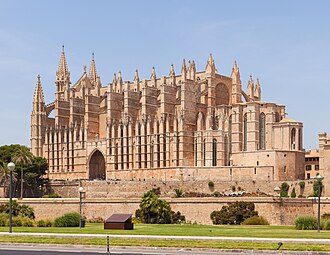
La Seu (Palma Cathedral)
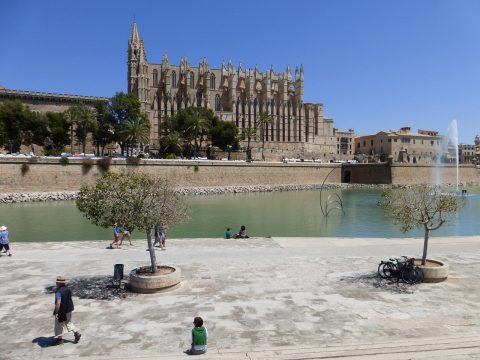
This towering Gothic cathedral, The mosque was consecrated after the 1229 conquest; construction of the present cathedral began later in the 13th century, dominates Palma's seafront skyline. Its interior holds the world's largest Gothic rose window and a striking canopy over the altar designed by Antoni Gaudí, plus a chapel remodeled by artist Miquel Barceló. Climb to the rooftop terraces for close-up views of the flying buttresses and Palma Bay. Best photographed from Parc de la Mar at sunset, when the honey-colored stone glows against the water.
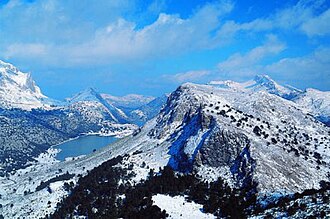
Serra de Tramuntana
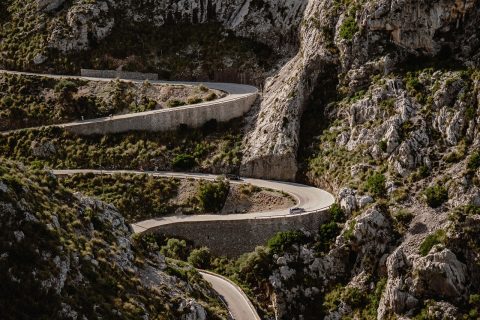
This UNESCO World Heritage mountain range stretches 90 km along Mallorca's northwest coast, shaped by centuries of dry-stone terracing, water channels, and olive groves. The range shelters villages like Deià and Sóller and reaches its highest point at Puig Major (1,445m, closed to public access). Winding roads and the famous Sa Calobra hairpin descent make it as thrilling to drive as to hike. A defining feature of the island's identity beyond its beaches.
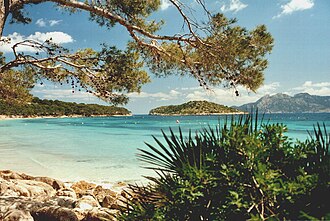
Cap de Formentor
The dramatic rocky peninsula at Mallorca's northeastern tip, reached via a serpentine cliffside road with sweeping viewpoints such as Mirador Es Colomer. The lighthouse at the very end sits 200m above crashing waves, looking toward Menorca on clear days. The road itself, lined with pine forest and limestone cliffs, is considered one of the most scenic drives in Spain. Arrive early morning to avoid tour bus crowds at the main viewpoints.
Palau de l'Almudaina
Facing the cathedral, this former Moorish alcazaba was converted into a royal residence after the Christian conquest of 1229 and remains an official residence of the Spanish royal family. Visitors can tour Gothic royal chambers, Arab baths, and courtyards blending Islamic and Christian architecture. The Patio de Armas offers one of the best angles for photographing the cathedral. English guided tours run once daily, at noon, Tuesday–Sunday.
Bellver Castle
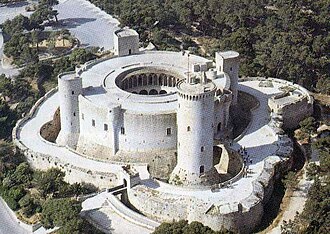
This rare circular Gothic castle, built in the early 14th century on a pine-covered hill above Palma, once served as a royal residence and later as a military prison. Its unusual round design and central courtyard set it apart from typical medieval fortresses. The rooftop walkway delivers panoramic views over Palma Bay and the Tramuntana mountains. The castle also houses the City History Museum. A pleasant uphill walk or short taxi ride from the old town.
Coves del Drac (Caves of Drach)
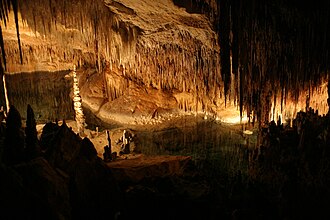
Near Porto Cristo, these underground limestone caves stretch over a kilometer and contain Lake Martel, one of the world's largest underground lakes. Visitors follow a prescribed route in timed groups; the visits are not guided.live classical music boat concert on the lake itself. Discovered in their current tourist form in the 19th century, Interior temperatures vary between 17°C and 20°C throughout the year. Book ahead in summer as tour groups fill up quickly.
Tips for Landmarks & Monuments
- Visit La Seu Cathedral right at opening (10 AM) to avoid cruise-ship crowds
- Drive the Sa Calobra road in the morning – it gets congested with tour buses by midday
- Check the ticket prices and any free-entry days for Bellver Castle
- Book Coves del Drac tickets online in July/August, when slots sell out by early afternoon
- Formentor has vehicle restrictions from 15 May–18 October 2026, 10:00–22:00; ordinary rental cars cannot access the lighthouse road then.
Mallorca's art scene ranges from Joan Miró's former studio-home to contemporary galleries housed in converted fortresses and Modernist palaces, reflecting the island's long pull on 20th-century artists.
Fundació Pilar i Joan Miró
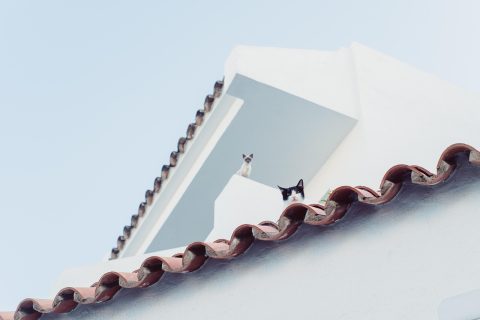
This museum preserves the studios and home where Joan Miró lived and worked for the last 27 years of his life, overlooking Palma Bay. The Sert Studio, designed by architect Josep Lluís Sert, remains exactly as Miró left it, with unfinished canvases and tools in place. The adjacent modern gallery displays rotating exhibitions of his paintings, sculptures, and sketches. A must for understanding Miró's late, most experimental period, set in peaceful gardens above the sea.
Es Baluard Museum
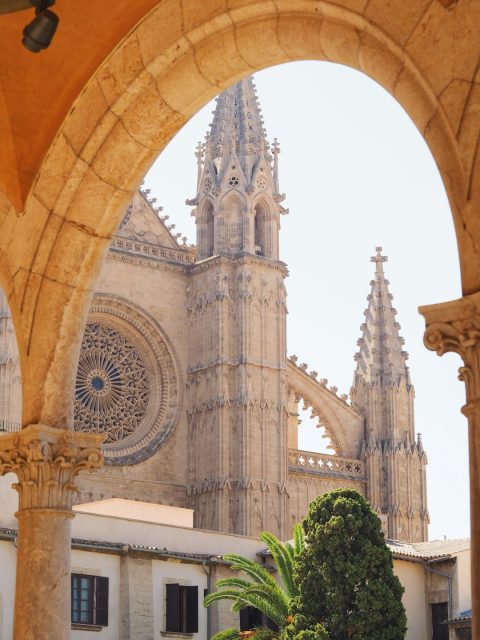
Built into a 16th-century sea bastion on Palma's old city walls, Es Baluard houses modern and contemporary art from Picasso and Miró to living Spanish artists. The building itself is a highlight, blending Renaissance fortifications with minimalist concrete additions, and includes excavated Arab-era ruins visible through glass floors. The rooftop terrace café offers one of Palma's best sunset views over the bay and cathedral. Rotating temporary exhibitions keep repeat visits worthwhile.
Museu de Mallorca
Housed in a former noble mansion, this museum traces the island's history from prehistoric Talayotic culture through Roman, Islamic, and medieval Christian periods. Highlights include Gothic panel paintings, Islamic ceramics, and archaeological finds from Talayotic settlements found across the island. Less crowded than Palma's headline sights, it's a useful stop for context before visiting rural archaeological sites. Check the museum's site for ticket prices and free-entry days.
CaixaForum Palma (Gran Hotel)
This striking Modernist building designed by Lluís Domènech i Montaner opened in 1903 as Mallorca's first grand hotel and now serves as a cultural center. The facade's ceramic tiles and iron balconies make it a landmark of Catalan Art Nouveau on the island. Inside, free exhibitions cover art, photography, and local history, alongside a room dedicated to painter Anglada-Camarasa. General exhibition admission costs €6; eligibility-based exemptions apply.
Palma Aquarium
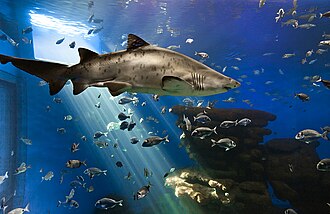
One of Europe's deepest shark tanks anchors this large aquarium on the outskirts of Palma, home to over 8,000 marine animals across Mediterranean and tropical exhibits. The Big Blue tank The Big Blue shark tank is 8.5 metres deep. A dedicated children's play area and beach make it a popular half-day family outing, especially on cooler or rainy days.
Tips for Museums & Galleries
- Fundació Miró is a 15-minute bus ride from central Palma – combine it with a coastal walk
- Es Baluard's rooftop café is a great sunset alternative to crowded viewpoints
- Some Palma museums have free-entry days; check each museum's site
- Book Palma Aquarium tickets online for a discount over gate prices
Beyond La Seu Cathedral, Mallorca's religious architecture includes a mountaintop monastery revered across the island and the Carthusian charterhouse where Chopin famously spent a difficult winter.
Santuari de Lluc
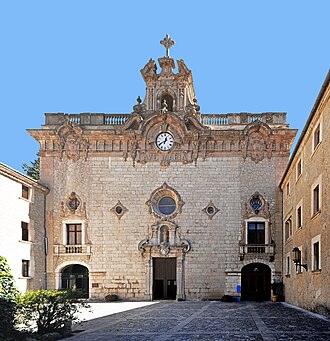
Mallorca's most important pilgrimage site, this monastery sits deep in the Tramuntana mountains and has drawn visitors to its shrine of the Verge de Lluc (the island's patron saint) since medieval times. The complex includes a basilica, museum, botanical garden, and accommodation once used by monks and pilgrims. The Blauets boys' choir sings daily in the basilica. A peaceful, scenic stop that pairs well with a Tramuntana driving route.
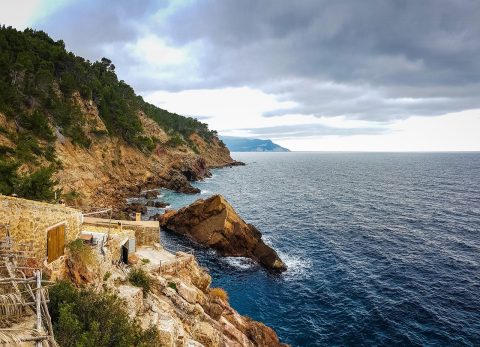
Real Cartuja de Valldemossa
This former Carthusian monastery in the mountain village of Valldemossa is best known as the place where composer Frédéric Chopin and writer George Sand spent the winter of 1838-39, an experience Sand chronicled in A Winter in Majorca. Visitors can tour the monks' cells, a pharmacy, and the rooms where Chopin composed, including his piano. Combine with a wander through Valldemossa's flower-lined stone streets.
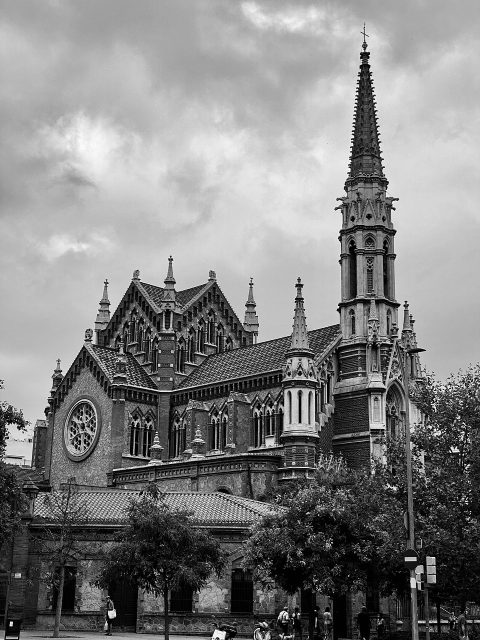
Basílica de Sant Francesc
This 13th-century Franciscan basilica in Palma's old town is known for its elegant Gothic cloister, one of the finest on the island, and its Baroque main altarpiece. The tomb of Ramon Llull, the medieval Mallorcan philosopher and missionary, lies in a side chapel. The cloister's tranquil arcaded courtyard offers a quiet break from the busier cathedral nearby, with far fewer visitors.
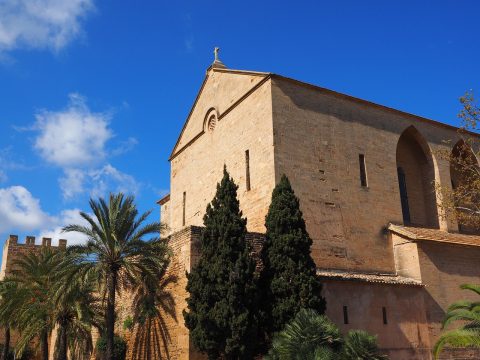
Església de Santa Eulàlia
One of Palma's oldest parish churches, built shortly after the 1229 Christian conquest on the site of a former mosque, with a soaring Gothic nave added later. Santa Eulàlia sits at the heart of a maze of narrow old-town streets bearing its name. Climb the bell tower for elevated views over the rooftops of the old city, a quieter alternative to the cathedral rooftop tour.
Tips for Religious Sites
- The Blauets choir at Lluc The sanctuary lists the public Salve at 13:15; check performance dates before travelling. – check current times
- Visit Valldemossa's Cartuja early morning before tour buses arrive from Palma
- Combine Sant Francesc and Santa Eulàlia with a general old-town walking route
- Modest dress (covered shoulders/knees) is expected at all religious sites
Palma's old town is a dense web of medieval lanes and grand squares, best explored on foot, connecting Gothic mansions, tapas bars, and boutique shopping streets.
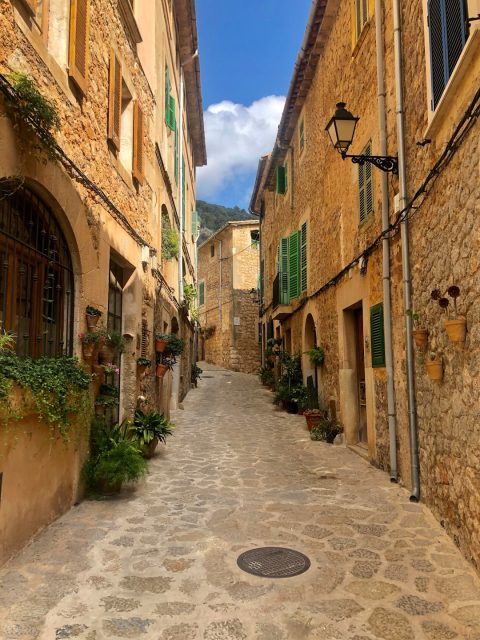
Passeig del Born
Palma's grandest boulevard, lined with plane trees, Modernist mansions, and high-end boutiques, runs from Plaça de la Reina toward the old town center. Once a jousting ground and later the site of a medieval stream, it's now the city's premier promenade for an evening stroll or people-watching from a café terrace. The street connects easily to the cathedral, Almudaina Palace, and Sa Llotja quarter.
Sa Llotja
This 15th-century former merchants' exchange, with its elegant spiral columns and crenellated roofline, is one of the finest examples of Gothic civil architecture in Spain. Now used as an exhibition hall, the building anchors the Sa Llotja neighborhood, one of Palma's liveliest areas for evening tapas and bars, especially along Carrer de Sant Joan. The adjacent seafront promenade offers views toward the marina.
Plaça Major
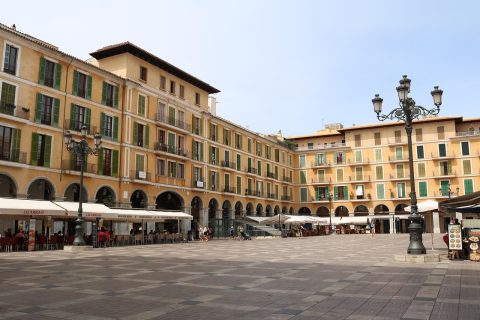
This arcaded 19th-century square, built over the site of a former Inquisition headquarters, forms the social heart of Palma's old town. Underground, the Plaça Major Market The underground commercial galleries largely closed after 2019; they are not an operating crafts-and-produce market, while the square above hosts artisan stalls, street performers, and cafés. It's a natural starting point for exploring the surrounding tangle of shopping streets, including Carrer de Sant Miquel and Carrer Sindicat.
Plaça de Cort
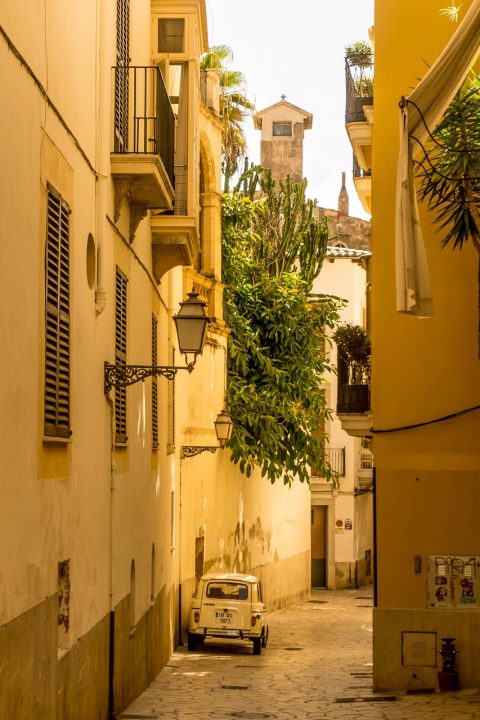
Home to Palma's Baroque town hall (Ajuntament), this small square is shaded by a centuries-old olive tree, one of the city's informal landmarks. The town hall facade features an ornate carved eave typical of Mallorcan civic architecture. Just steps from the cathedral, it's a natural pause point on any old-town walking route and a popular photo spot around the ancient olive tree.
Passeig Marítim
Palma's palm-lined waterfront promenade stretches for several kilometers along the bay, connecting the old town and cathedral to the yacht-filled Porto Pi marina and Bellver Castle hill. Popular with joggers, cyclists, and evening strollers, it offers unbroken views of the cathedral silhouette across the water and is especially striking at sunset. Bike rental stands are available at several points along the route.
Tips for Squares & Streets
- Explore the old town on foot – most streets are pedestrianized or too narrow for cars
- Passeig Marítim is best for cycling in early morning before the midday heat
- Plaça Major's underground market is a good spot for a quick coffee break
- Evening (after 7 PM) is when Sa Llotja's bar scene comes alive
From Palma's historic quarters to the mountain villages of the Tramuntana, each Mallorcan neighborhood carries a distinct character shaped by centuries of Moorish, maritime, and artistic influence.
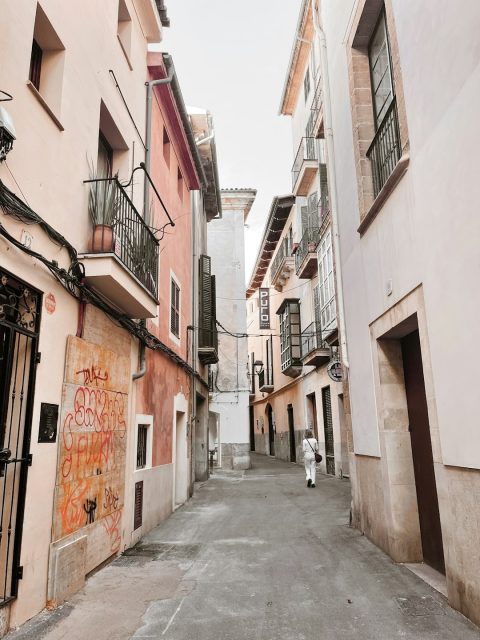
Casc Antic (Palma Old Town)
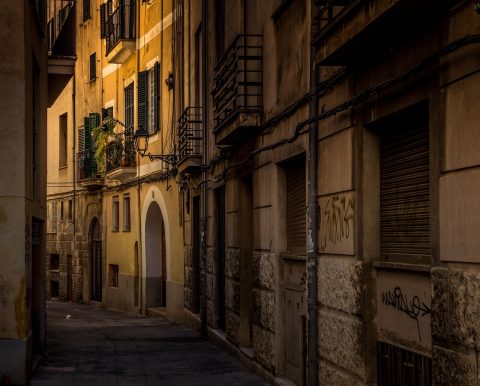
Palma's historic center is a labyrinth of narrow medieval streets, hidden courtyards, and Gothic mansions largely unchanged since the 15th century. Highlights include the cathedral quarter, Sa Llotja, and quiet residential lanes like Carrer de la Almudaina. Look up to spot ornate window grilles and interior patios glimpsed through open doorways. Best explored slowly on foot with no fixed itinerary, getting pleasantly lost is part of the appeal.
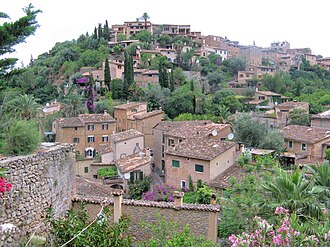
Deià
This tiny stone village clinging to a mountainside above the sea has drawn artists and writers for a century, most famously poet Robert Graves, who lived and is buried here. Deià's terracotta-roofed houses and hillside cemetery overlooking the Mediterranean make it one of the island's most photographed villages. A steep path leads down to the pebbly Cala de Deià cove for a swim.
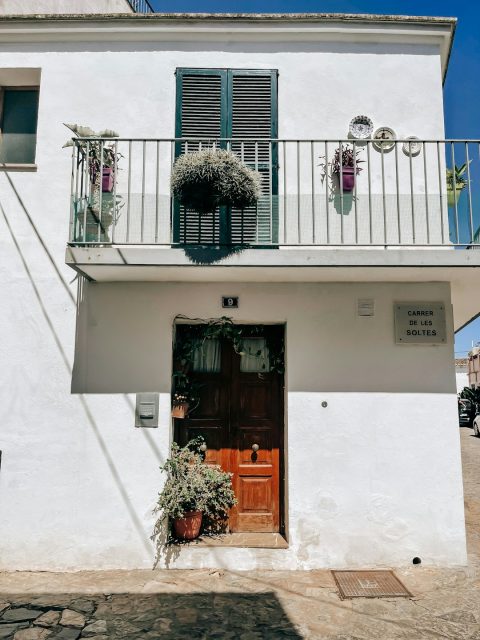
Santa Catalina
Once a working-class fishermen's district, Santa Catalina has become Palma's trendiest food neighborhood, packed with independent bistros, cocktail bars, and the bustling Mercat de Santa Catalina food hall. Its grid of low, colorful houses feels distinct from the old town's grandeur. A short walk from the cathedral, it's the best area for an evening of tapas-hopping among a mix of locals and expats.
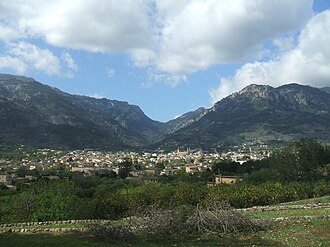
Sóller
Nestled in a valley of orange and lemon groves in the Tramuntana mountains, Sóller is a handsome Modernist-influenced town connected to Palma by a century-old wooden train. Its main square, Plaça Constitució, is dominated by a striking Gaudí-influenced church facade. A vintage tram continues from town down to the port, where a curving harbor beach and seafood restaurants await.
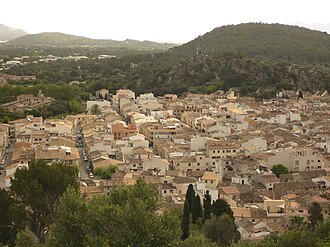
Pollença
An elegant inland town near the north coast, Pollença is known for its 365-step Calvari staircase leading to a hilltop chapel with panoramic views, and its lively Sunday market in Plaça Major. The town's honey-colored stone architecture and quieter pace make it a favorite base for exploring Cap de Formentor and the surrounding countryside without the crowds of coastal resorts.
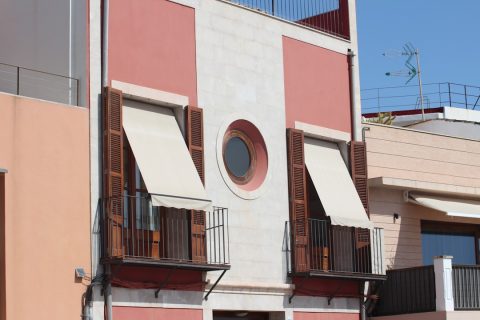
Portixol
This former fishing village turned seaside marina district sits just east of central Palma, with a small beach, waterfront restaurants, and a laid-back Mediterranean feel. It's popular for a relaxed lunch overlooking the harbor or a swim without leaving the city. The palm-lined promenade connects easily back to Passeig Marítim for those walking or cycling from downtown.
Tips for Neighborhoods & Districts
- Take the vintage Sóller train from Palma rather than driving – parking in Sóller is limited
- Deià gets very busy at midday in summer; visit early morning or late afternoon
- Santa Catalina market is best visited around lunchtime for the food stalls
- Pollença's Sunday market runs until early afternoon only
Mallorca's green spaces range from formal Arab-influenced gardens in central Palma to a botanical estate showcasing the island's Mediterranean flora and cactus collections.
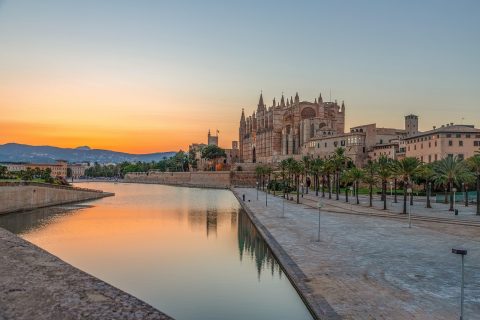
Parc de la Mar
This artificial lake and park sits directly below the cathedral, The park was inaugurated on 12 October 1984. A ceramic mural by Joan Miró decorates one section of wall. The park offers the classic postcard view of La Seu reflected in the water, especially striking at sunset, and is a pleasant place to relax after exploring the old town.
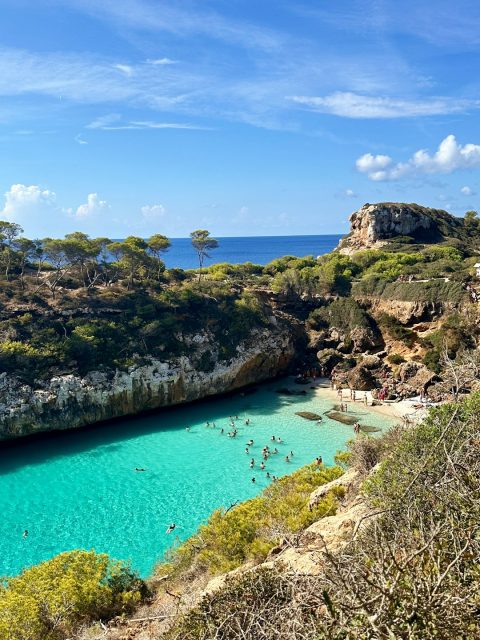
S'Hort del Rei
These formal gardens beside the Almudaina Palace blend Arab-style water features with contemporary sculpture, including works by Joan Miró. Once the royal orchard during the Islamic period, the small, walkable park is a quiet green pocket in the middle of Palma's monumental center, ideal for a short break between the cathedral and Passeig del Born.
Jardins d'Alfàbia
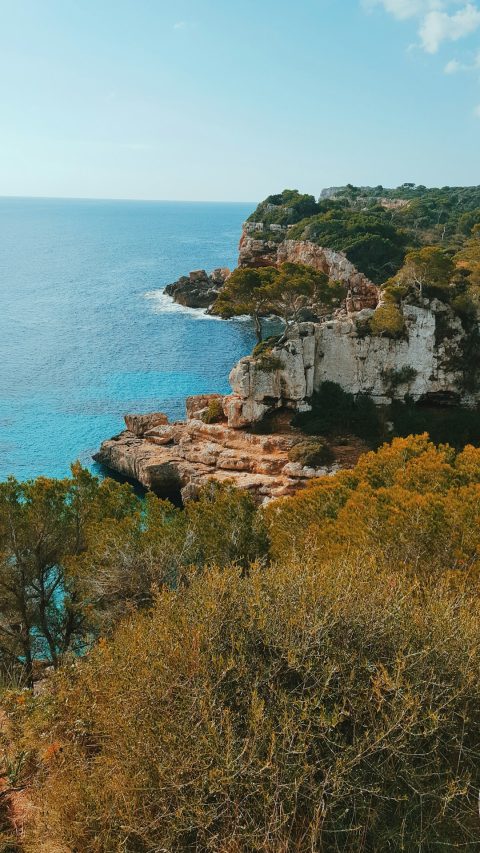
These lush terraced gardens near the Sóller road preserve a Moorish irrigation system of channels and fountains dating back centuries, planted with towering palms, bamboo, and subtropical species. The adjoining manor house displays period furniture and a coffered Mudéjar ceiling. A cool, shaded escape from summer heat, often combined with a drive over the Coll de Sóller mountain pass.
Botanicactus
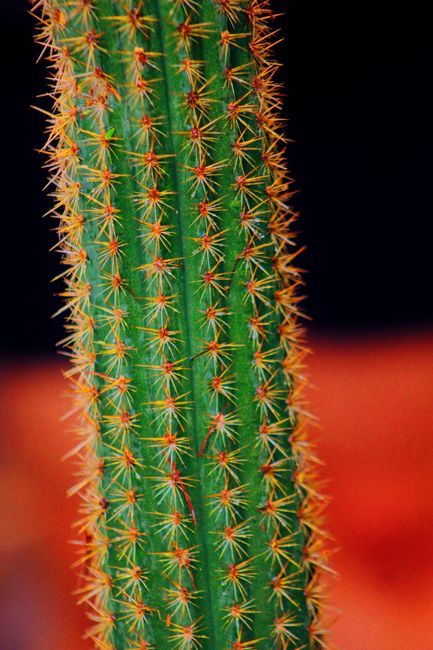
One of Europe's largest botanical gardens, Botanicactus near Ses Salines holds over 12,000 cacti and succulents alongside a Mediterranean flora section and a small lake with flamingos. The scale is unusual for the island, with towering saguaro-style cacti rarely seen outside desert climates. A striking, less-visited stop in the island's flatter southeastern region, easily combined with nearby beaches like Es Trenc.
Tips for Parks & Gardens
- Parc de la Mar is free and open 24 hours – great for an early morning or evening cathedral photo
- Combine Jardins d'Alfàbia with the scenic Coll de Sóller drive
- Botanicactus pairs well with an afternoon at Es Trenc beach, 15 minutes away
Mallorca's coastline ranges from vast white-sand bays to secluded pine-backed coves reachable only on foot or by boat, giving the island one of Spain's most varied beach scenes.
Es Trenc
Often compared to a Caribbean beach, Es Trenc's fine white sand and turquoise shallows stretch for nearly 2 km along the island's protected southern coast, backed by dunes and pine woods rather than hotel development. Part of a natural park, it remains largely undeveloped, though beach bars operate in summer. Arrive early or use the paid parking areas, as the main access road fills up quickly on hot days.
Platja de Formentor
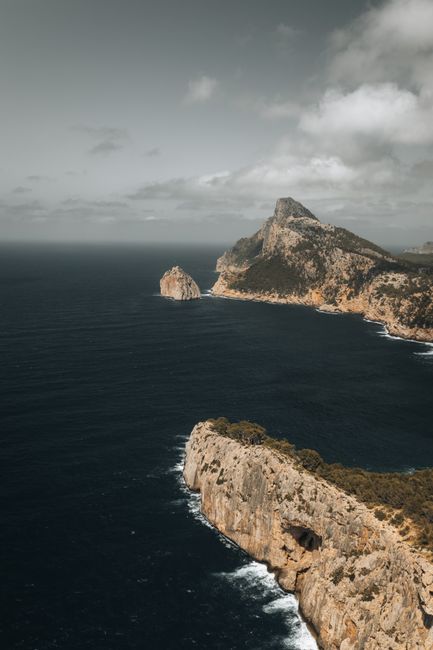
Backed by a dense pine forest and framed by the mountains of the Formentor peninsula, this crescent of fine sand is regarded as one of the island's most beautiful beaches. Calm, sheltered waters make it good for families, while the surrounding cliffs and the historic Hotel Formentor lend the bay a genteel, old-world atmosphere dating to its early 20th-century heyday as a celebrity retreat.
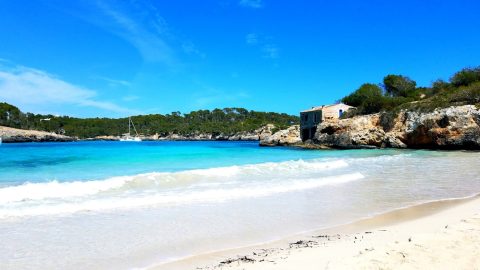
Cala Mondragó
Within a protected natural park on the southeast coast, Cala Mondragó comprises two adjoining coves of clear water and soft sand flanked by low pine-covered cliffs. Because development inside the park is restricted, it retains a wilder feel than nearby resort beaches. A short coastal path connects the two coves, and both offer good snorkeling near the rocky edges.
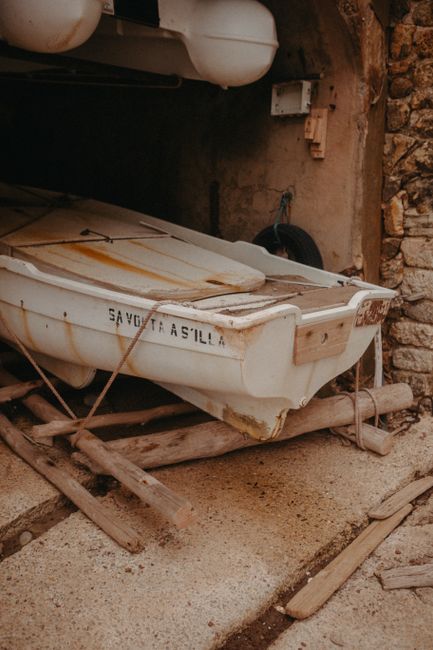
Cala Deià
A small pebble cove below the village of Deià, reached by a steep 15-minute walk down from the main road. Two rustic beach restaurants serve fresh fish just steps from the water, and the setting, with dramatic cliffs rising behind, is among the most scenic on the west coast. Less crowded than sandy beaches, it draws swimmers who don't mind pebbles for the views.
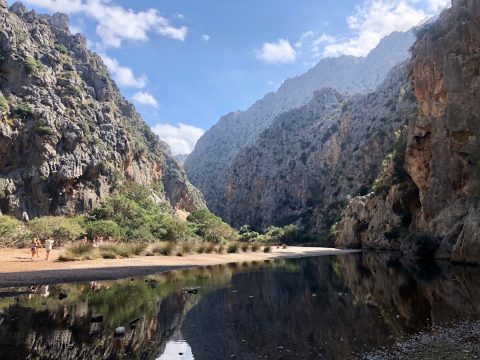
Sa Calobra & Torrent de Pareis
This dramatic pebble cove sits at the mouth of the Torrent de Pareis gorge, one of Europe's most impressive canyons, where a short tunnel walk leads to a narrow beach wedged between towering limestone cliffs. Reachable by the famous switchback road or by boat from Port de Sóller, it's one of Mallorca's most striking natural sights, though it gets crowded midday in summer.
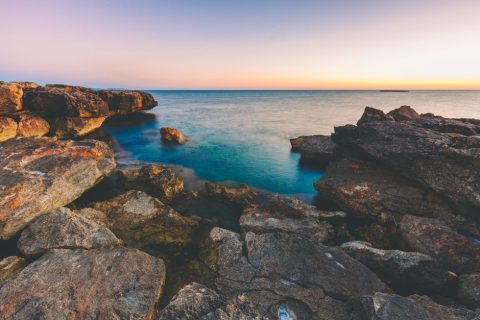
Alcúdia Bay (Platja de Muro)
A long, gently sloping stretch of fine sand on the island's northern coast, backed by protected wetlands (S'Albufera Natural Park). Shallow, calm water makes it one of the best family beaches on the island, while the adjacent nature reserve offers birdwatching away from the crowds. The walled old town of Alcúdia, with its Roman ruins, sits a short drive inland.
Tips for Beaches & Coastal Areas
- Arrive at Es Trenc before 10 AM in July/August – parking fills fast
- Sa Calobra is far less crowded if reached by boat from Port de Sóller instead of driving
- Cala Deià and Cala Mondragó have no sunbed rental – bring your own towel
- S'Albufera near Platja de Muro is one of the best birdwatching spots on the island
From a century-old mountain railway to hiking trails and boat excursions, Mallorca's activities showcase the island's varied terrain beyond its beach resorts.
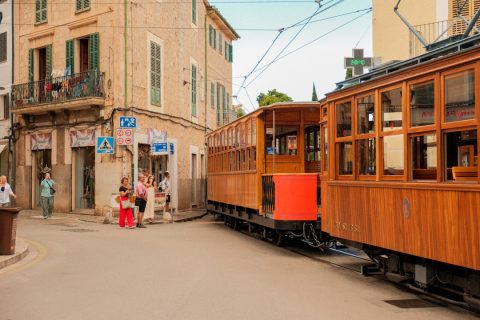
Sóller Vintage Train & Tram
This wooden 1912 train climbs from Palma through olive and orange groves and a mountain tunnel to reach Sóller in about an hour, followed by a rattling open-air tram down to the port. The combined round trip is one of Mallorca's most popular half-day excursions, offering mountain views without needing to drive the winding roads. Book the earliest departure to avoid the busiest midday trains.
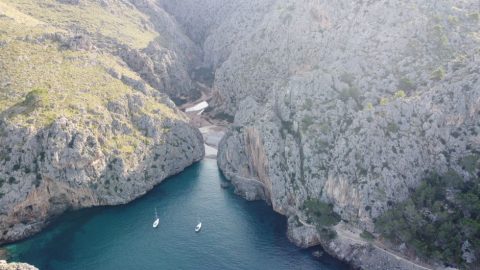
Boat Trip to Sa Calobra & Sóller Coast
Boats depart from Port de Sóller for the dramatic coastline toward Sa Calobra, passing sea caves and cliffs inaccessible by road, with some routes stopping for swimming in secluded coves. This is widely considered the best way to see the Tramuntana coast, avoiding both the winding road and the crowds at the Sa Calobra beach itself. Multiple operators run daily departures in season.
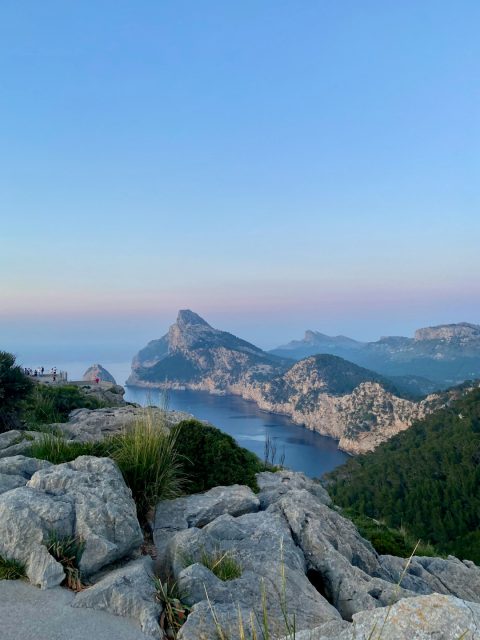
Hiking the GR221 (Ruta de Pedra en Sec)
This long-distance trail, known as the Dry Stone Route, follows centuries-old paths and terracing through the Tramuntana mountains, linking villages from Andratx to Pollença. Day-hikers can tackle individual stages, such as the popular Deià-to-Sóller coastal section, without committing to the full multi-day trek. Refuges along the route offer basic accommodation for those attempting longer stretches.
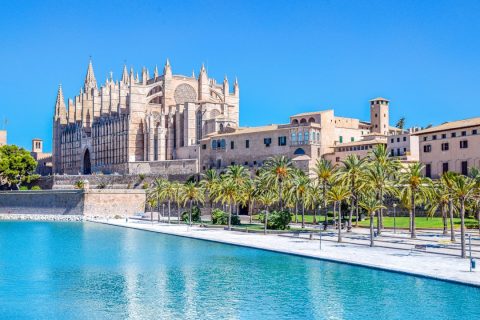
La Seu Cathedral Rooftop Terraces
The currently advertised terrace visit is self-guided, with a terrace admission ticket. flying buttresses and rooftop terraces offers a rare close-up view of the Gothic stonework and a sweeping panorama over Palma's old town and bay. Access is only via booked tour, with limited daily slots and no lift, small group sizes are used for safety on the narrow stairways. Not recommended for those uneasy with heights or enclosed stairwells.
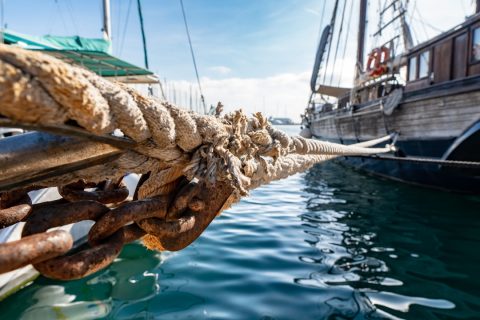
Sailing & Catamaran Tour, Palma Bay
Half-day and sunset catamaran trips depart from Palma's marina, sailing along the bay with the cathedral skyline as backdrop, often including stops for swimming and snorkeling. Some operators combine the sail with paddleboarding or a barbecue lunch on board. A relaxed way to see Palma from the water without the logistics of a longer coastal excursion.
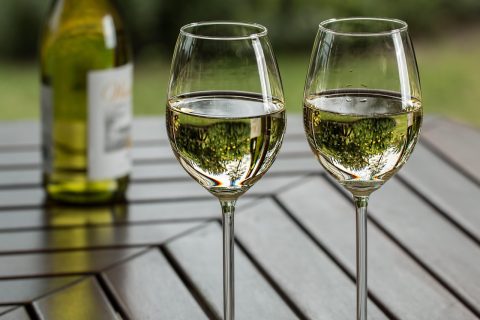
Wine Tasting in Binissalem
Mallorca's oldest wine region, centered on the town of Binissalem, produces reds from the native Manto Negro grape alongside international varietals. Several family-run bodegas within a short drive of Palma offer tastings and cellar tours, some paired with local cheese and charcuterie. A relaxed inland alternative to a beach day, easily combined with a visit to nearby market towns like Sineu.
Tips for Tours & Activities
- Book the Sóller train's first morning departure to secure window seats and beat crowds
- Sa Calobra boat trips sell out in peak summer – book at least a day ahead
- Cathedral rooftop tours require flat, closed shoes – sandals are not permitted
- Bring reef-safe sunscreen and water shoes for boat trips with swim stops
Palma de Mallorca does not host a market on the scale of Germany or Austria, but the city still embraces the festive season with a lively holiday fair at Plaça Major, twinkling lights along the Passeig del Born, and a seafront ice rink. December 2026 in Mallorca is best enjoyed as a Mediterranean take on winter tradition, mixing Catalan nativity customs with mild, walkable weather.
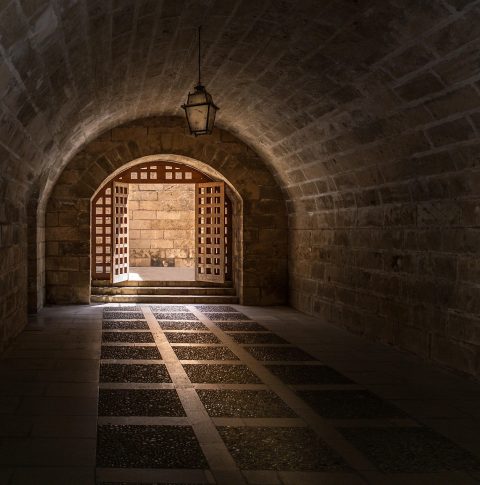
Fira de Nadal de Palma (Plaça Major)
The heart of Palma's holiday season is the small Christmas fair set up in the arcaded Plaça Major, running from late November through early January 2027, including all of December 2026. Wooden stalls sell handmade ornaments, nativity figurines, roasted chestnuts, and local sweets like turrón and ensaimada. It is compact compared to northern European markets, but its central location makes it an easy stop while exploring the old town. Evenings are especially atmospheric once the surrounding streets are lit. Expect the biggest crowds on weekends and around the Christmas Eve and New Year holidays. Vendors also sell mulled wine and local crafts, giving the square a cozy, communal feel despite the island's typically mild December air.
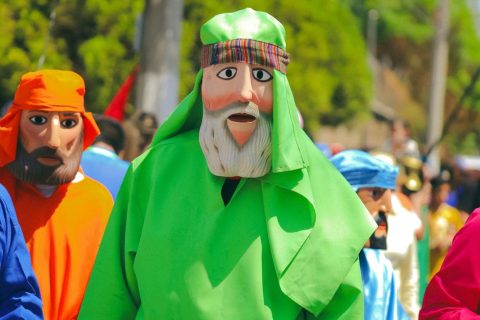
Cavalcada dels Reis Mags (Three Kings Parade)
While it falls just after Christmas proper, the Cavalcada dels Reis Mags on the evening of January 5th, 2027 is the true climax of Mallorca's holiday season and worth planning a December trip around if dates allow. The Three Kings arrive by boat in Palma harbor before parading through the old town on elaborate floats, tossing sweets to crowds of children lining the streets. Local marching bands, costumed characters, and thousands of spectators fill the route from the port toward the cathedral area. It is a deeply rooted Spanish tradition, often considered more important locally than Christmas Day itself. Arrive well ahead of the stated start time to find a good viewing spot, since central streets fill quickly. Dress warmly, as Mallorcan January evenings can be cool near the water.
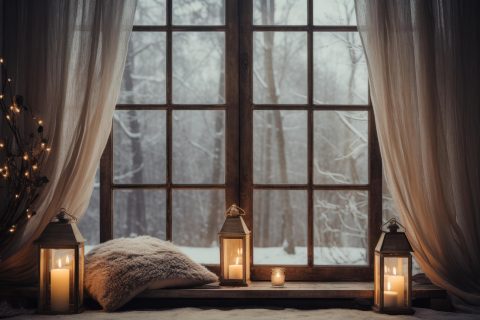
Passeig del Born Christmas Lights
Each December the tree-lined Passeig del Born, Palma's grandest boulevard, is strung with festive lighting that turns it into the citys favorite evening stroll. Locals and visitors wander between the illuminated plane trees, stopping at nearby cafes for hot chocolate or coffee. The display typically switches on in late November and stays lit through early January 2027. It connects easily to Plaça Major and the cathedral area, making it simple to combine with other holiday sights on foot. The atmosphere is relaxed rather than crowded, and it is a favorite spot for family photos beneath the lights. Come after sunset for the full effect, since the decorations are far less striking in daylight.
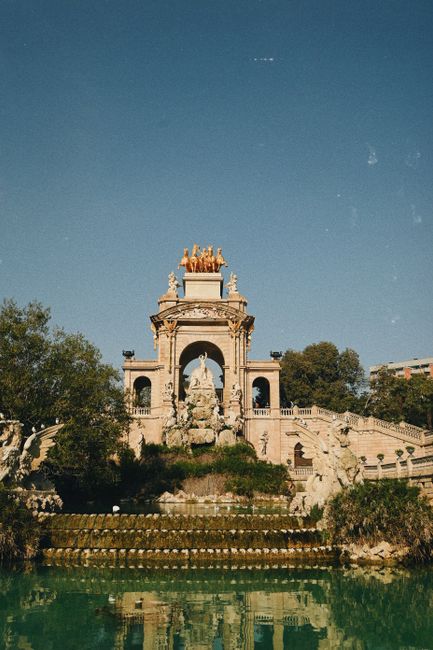
Pista de Gel Parc de la Mar (Seafront Ice Rink)
A seasonal outdoor ice skating rink Palma’s documented seasonal Ice Park is at Parc de ses Estacions; its published season was November 2025–January 2026, the seafront park facing Palma Cathedral, running through the December and early January holiday period. Skaters glide with views of the illuminated cathedral facade and the harbor beyond, a distinctly Mediterranean twist on a wintertime classic. Sessions are usually sold in timed slots, and skate rental is included in the ticket price. It draws families and young couples especially on weekend evenings. Exact opening dates and hours can shift year to year, so checking locally or with the city tourism office closer to your visit is recommended. Arrive early in the evening to avoid the busiest slots and enjoy shorter queues.
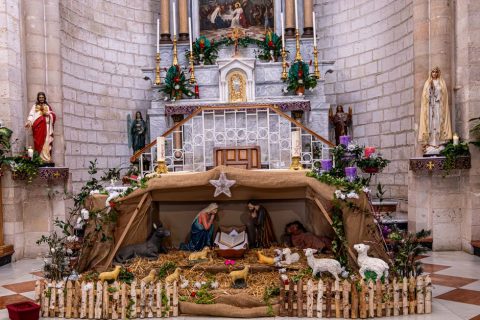
Betlem de Cort (Nativity Scene Displays)
In keeping with strong Catalan and Balearic tradition, Palma's Ajuntament and several churches set up elaborate belens, or nativity scenes, throughout December. The traditional Betlem de Cort is installed inside the town hall’s entrance vestibule. Many parish churches across the old town host their own versions, and a short self-guided walk can take in several within an hour. These displays usually appear in late November and remain up until the Epiphany in early January 2027. It is a quiet, low-cost way to see local holiday customs away from any market crowds. Families with children particularly enjoy comparing the different craftsmanship styles across the various neighborhood churches.
Tips for Christmas Market
- December weather in Mallorca is mild by European standards, but evenings by the sea can still be chilly, so bring a light jacket.
- The Plaça Major market is modest in size compared to mainland Spain or northern Europe, so pair it with the Born lights and Parc de la Mar rink for a fuller evening out.
- Confirm exact opening dates for the ice rink and market locally, since setup dates can shift slightly year to year.
- If your trip allows, staying through January 5th to see the Cavalcada dels Reis Mags is the single most memorable local holiday tradition.
- Many shops and restaurants close on December 25th and January 1st, so plan dining reservations accordingly.
When the sun sets, Mallorca trades postcard beaches for pulsing dance floors, candlelit cocktail terraces, and jazz-filled old-town bars. Palma anchors the islands after-dark scene with its mix of glamorous clubs and laid-back live-music haunts, while the coastal resort strips further afield keep the party going until sunrise. Whether you want a refined rooftop g&t or a sweaty night on a superstar DJ lineup, Mallorca delivers.
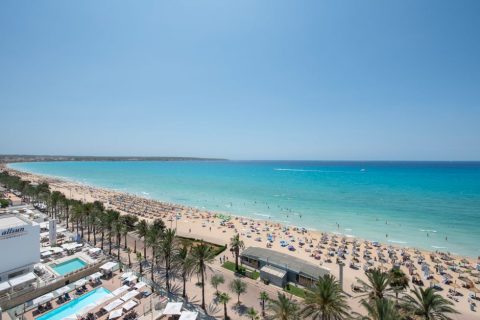
Sky Bar Palma, Hotel Saratoga
Set atop a hotel overlooking the bay, this rooftop lounge pairs sweeping views of the cathedral and harbour with a relaxed cocktail-bar atmosphere. It is a favourite for sunset drinks, with DJs adding a low-key soundtrack as the sky turns pink over the water and the city lights come on below. The pool-side loungers and cabanas give it a resort feel even for guests not staying at the hotel, and the menu leans toward creative cocktails and light tapas rather than a full club experience. It works well earlier in the evening before heading elsewhere for dancing, or as a standalone night of good views and good drinks. Reserve a table in advance for the best sunset-facing spots, especially in high season.
Tito's Palma
A Palma institution since the 1950s, Tito's is a glass-walled club perched above the harbour with panoramic sea views and a glass elevator that drops straight onto the dance floor. Expect a polished crowd, international DJs spinning house and commercial dance tracks, and a terrace where you can cool off between sets. The venue has reinvented itself many times over the decades but keeps its reputation as one of the island's most glamorous nightspots. Dress codes are enforced, and the energy really builds after 1am. It is an easy walk from Passeig Marítim, making it a natural stop for visitors staying near the port. Book ahead in peak summer, as queues can be long and tables sell out fast for groups wanting bottle service.
Pacha Palma
The Mallorcan outpost of the legendary Ibiza brand, Pacha Palma Pacha Palma is no longer an operating club; its former operator relinquished the activity licence in January 2018. Resident and guest DJs play house and electronic sets across a sleek indoor space and an open-air terrace overlooking the yachts, and the crowd skews stylish and international. Summer brings themed nights and occasional live PA performances, while the terrace bar works well even for those who just want a cocktail and people-watching rather than a full night of dancing. Its central location near Passeig Marítim makes it easy to combine with dinner in the old town beforehand. Entry can include a cover charge on weekends, and reserved tables are the best way to guarantee a spot on busy nights.
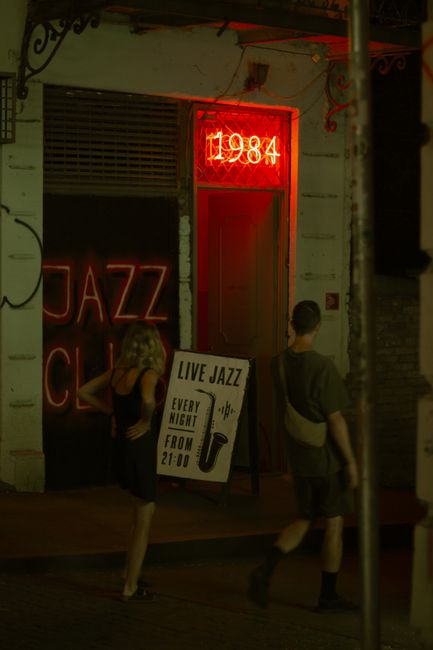
Jazz Voyeur Club
Tucked into the Casc Antic, this intimate basement venue has been Palma's go-to spot for live jazz, blues, and soul since 2001. Local trios and touring musicians play most nights on a small stage just steps from the audience, creating an up-close atmosphere rarely found in the island's bigger venues. The bar serves classic cocktails and wine, and the vaulted stone room gives it a moody, speakeasy feel that contrasts nicely with the island's flashier clubs. It suits travellers wanting a relaxed evening with real musicianship rather than a DJ set. Doors are small and seating is limited, so arriving early or reserving a table is worth it on weekend nights when the room fills up quickly with regulars and visitors alike.
BCM Planet Dance, Magaluf
One of Europe's largest and longest-running superclubs, BCM has hosted headline DJs and global dance-music tours since 1975 and remains the beating heart of Magaluf's nightlife strip. The main room holds thousands of clubbers under a barrage of lasers and pyrotechnics, while themed foam parties and student-week takeovers keep the calendar packed all summer. It is unapologetically loud, youthful, and high-energy, drawing an international crowd looking for a big night out rather than a quiet drink. Multiple bars and a huge sound system make it feel more like a festival than a club. Arrive early to avoid the worst of the queues, and check the event calendar in advance, as lineups and themed nights vary by date and can sell out.
Tips for Nightlife & Entertainment
- Palma's superclubs typically don't get going until after midnight and run until 5-6am.
- Dress codes are common at upscale clubs like Tito's and Pacha; smart casual is the safe bet.
- Book tables in advance for rooftop bars in July and August, when sunset spots fill quickly.
- Magaluf's strip is louder and more budget-oriented than Palma's marina clubs; pick based on the vibe you want.
- Many venues only operate seasonally, roughly May through October, so check ahead outside summer.
Mallorca packs plenty of rainy-day and sunny-day fun for younger travelers, from upside-down houses and dolphin shows to water slides and treetop rope courses. Most family attractions cluster around the resort areas west of Palma, making them easy to combine with a beach day.
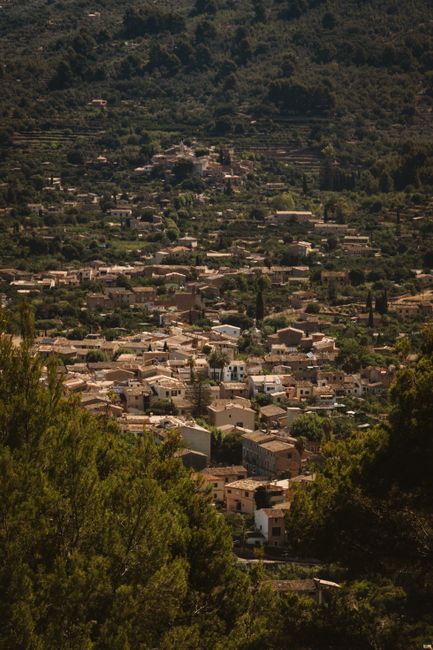
Katmandu Park Magaluf
An unmistakable upside-down house facade marks this quirky indoor-outdoor attraction in Magaluf, packed with optical-illusion rooms, mirror mazes, and interactive exhibits that keep kids of all ages entertained regardless of weather. Inside, tilted floors and inverted furniture create a genuinely disorienting (and very photogenic) experience, while an escape room and themed play areas add extra challenges for older children. The attraction is compact enough to finish in an hour or two, making it easy to slot into a beach day along the Calvia coast. Strollers are welcome in most areas, though some rooms involve stairs and narrow passages. There is a small gift shop and snack counter near the exit. It works well as a midday break from the sun or as a fun alternative on a cloudy afternoon, and its central Magaluf location means it is walkable from most nearby hotels.
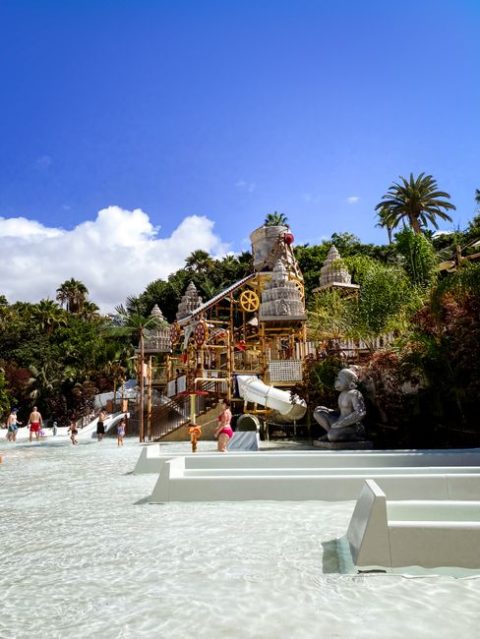
Aqualand El Arenal
One of the island's largest water parks, Aqualand El Arenal offers slides and pools graded by age, including a dedicated children's zone with gentle water play, mini slides, and shallow splash areas for toddlers. Older kids and teens can tackle steeper flumes, a wave pool, and a lazy river, while parents can relax on sun loungers scattered around the grounds. Lifeguards are stationed at every major attraction, and lockers plus changing facilities are available near the entrance. Food stalls and shaded seating are spread throughout the park, so a full day trip does not require leaving the grounds. It gets busy in peak summer months, so arriving soon after opening helps avoid queues for the popular slides. A shuttle bus service connects the park to nearby resort areas, which is convenient for families without a rental car. It is best suited to a warm, sunny day rather than a rainy backup plan.
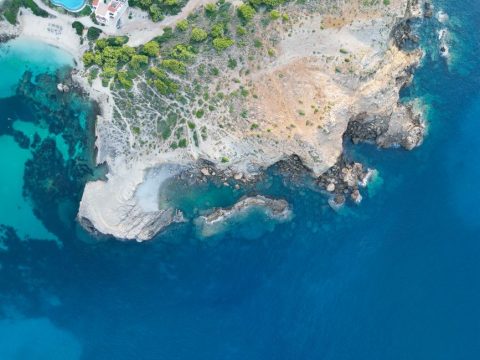
Jungle Parc Mallorca
Set among pine trees near Santa Ponsa, Jungle Parc is an outdoor adventure course with rope bridges, zip lines, and climbing platforms arranged across several circuits graded by difficulty and height. Younger children can start on low, ground-level courses designed for first-timers, while teens and adults progress to higher circuits with longer zip lines through the tree canopy. All participants are fitted with a harness and given a safety briefing before starting, and staff supervise the easier circuits closely. The wooded setting keeps the park relatively cool even in summer, and there are picnic tables and a small snack bar on site. It is a good active alternative to beach days and works well for burning off energy after a morning at a museum or aquarium. Comfortable closed shoes are recommended, and it is best to book a specific circuit time slot in advance during busy holiday weeks.
Tips for With Kids
- Book water park and adventure course tickets online in July and August to skip entrance queues.
- Bring reef-safe sunscreen and reapply often, especially at outdoor water parks with little shade.
- Most family attractions are on the west coast near Magaluf and Santa Ponsa, so grouping them into one day saves driving time.
- Pack water shoes for water parks and closed shoes for the adventure ropes course.
Mallorca's calendar runs on a mix of fire, faith, and food, from smoke-filled winter bonfires to open-air summer concerts in medieval courtyards. These recurring festivals give visitors a reason to plan a trip around a specific date rather than just good weather.
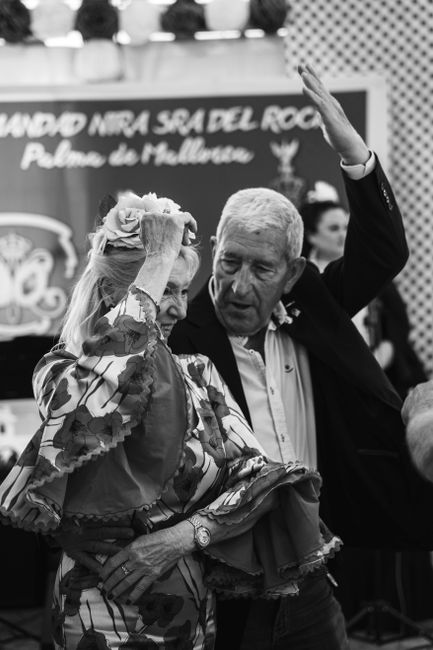
Sant Sebastia Festival (Palma)
Palma's patron saint festival fills the old town with bonfires, live music stages, and grilled sausage stands across squares like Placa Major and Placa Cort. Expect the celebrations to run from around January 16 to January 20, 2026, The 2026 Sant Sebastià correfoc took place on 25 January. Locals gather around neighborhood bonfires (fogarons) to roast botifarro sausages long after midnight. It is one of the few times Palma's historic center is closed to traffic and taken over entirely by pedestrians and drummers. Dress in old clothes near the fire runs, as sparks do land on spectators.
Sant Joan Bonfire Night (Nit de Sant Joan)
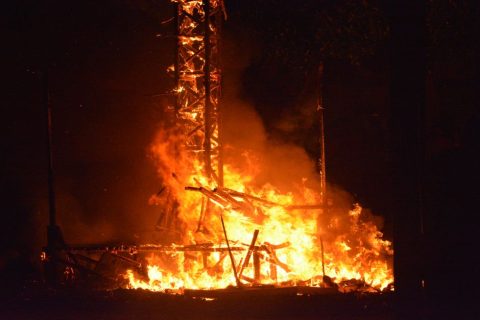
On the shortest night of the year, beaches across the island fill with bonfires, fireworks, and midnight swimmers marking the summer solstice. Celebrated on the night of June 23 into June 24, 2026, families and friends gather on Palma's Ciutat Jardi and Can Pere Antoni beaches to burn old furniture symbolically and welcome summer. Tradition holds that jumping over a bonfire or swimming at midnight brings good luck for the year ahead. Chiringuito beach bars stay open well past sunrise serving coca de Sant Joan, a sweet flatbread topped with candied fruit or pine nuts. Arrive early to claim beach space, as it is one of the busiest nights of the year.
Palma Nights Summer Concert Series
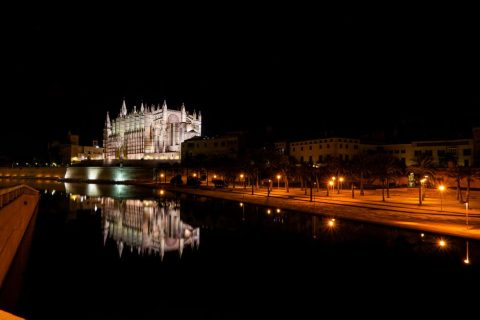
Through peak summer, courtyards and squares around Palma's old town host an open-air concert series spanning jazz, flamenco, and chamber music. Running roughly from July 3 to August 30, 2026, performances take place in atmospheric venues such as the Banys Arabs gardens and the cloister of Sant Francesc church. Tickets for smaller venues sell out quickly given limited seating, while some plaza performances remain free and standing-room only. The cooler evening air makes these shows a popular counterpoint to daytime beach heat. Check listings a few weeks ahead, as the full summer lineup is usually confirmed only in late spring.

Palma New Year's Eve Grape Countdown
Placa d'Espanya and the seafront near Palma Cathedral fill with crowds for a midnight countdown involving the Spanish tradition of eating twelve grapes, one per chime, to bring luck for the coming year. The main event runs the evening of December 31, 2026, into the early hours of January 1, 2027, with a fireworks display over the bay following the countdown. Bars and chiringuitos along Passeig Maritim host their own countdowns with cava toasts for those who prefer a seated view over the main square crowds. Grapes are sold pre-packaged at nearly every corner shop in the days leading up to the event. Public transport typically runs extended hours to handle the crowds dispersing afterward.
Palma Fashion and Spring Festival Weekend
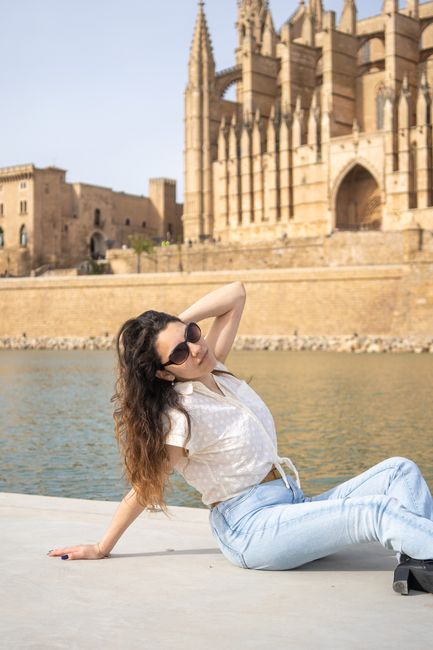
As almond blossoms fade and terraces reopen, Palma's spring cultural weekend brings open-air markets, street performances, and gallery openings to the Passeig des Born and the Santa Catalina neighborhood. Planned for roughly April 24 to April 26, 2026, the event mixes local design pop-ups with live acoustic sets on small stages. It is a lower-key alternative to the island's bigger summer festivals, ideal for travelers who prefer fewer crowds. Many restaurants extend hours and offer set spring menus featuring artichokes and fresh peas. Evenings stay cool enough for a jacket even when afternoons are warm.
Mallorca Wine and Harvest Festival (Binissalem)
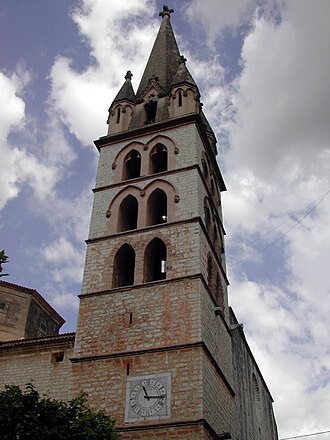
The inland wine town of Binissalem celebrates its autumn grape harvest with a weekend of grape-treading, wine tastings, and a playful tomato-and-grape-skin street fight. Held around September 25 to September 27, 2026, the Festa d'es Vermar draws visitors to sample local Fogoneu and Manto Negro wines straight from area bodegas. A parade with giant papier-mache figures (capgrossos) opens the festivities on Friday evening. The 2026 grape battle took place on Saturday 19 September in the sports-centre area, following the noon proclamation. Many bodegas offer extended tasting hours and cellar tours during the festival dates.
Tips for Events Calendar
- Book accommodation well ahead for Sant Sebastia (January) and New Year, when Palma's old town fills quickly.
- Fire-run events like correfocs involve real sparks and firecrackers, so keep children at a safe distance and wear closed shoes.
- Summer concert schedules are usually only confirmed a few weeks in advance, so check local listings closer to your travel dates.
- The Sant Joan and grape-harvest events are informal and free to attend, while the summer concert series often requires paid tickets for seated venues.
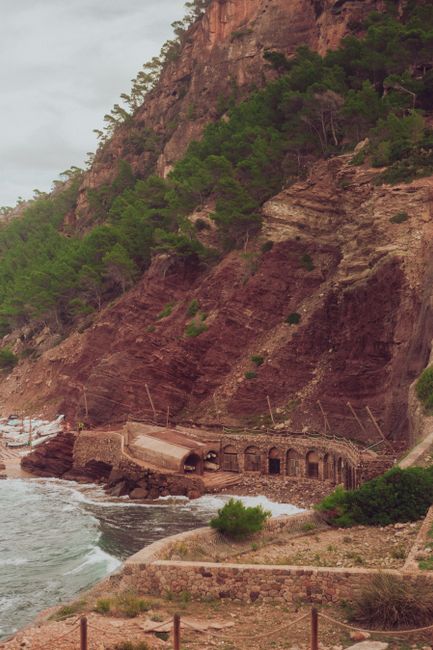
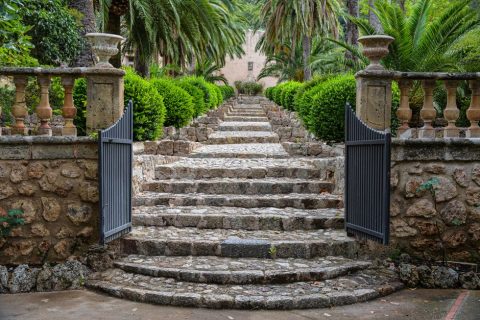
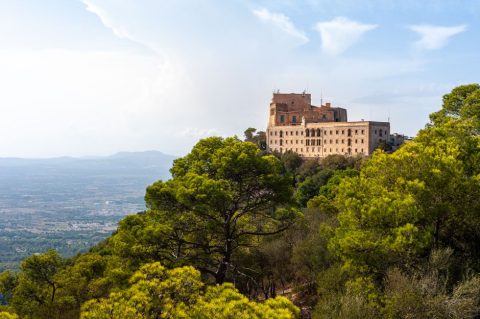
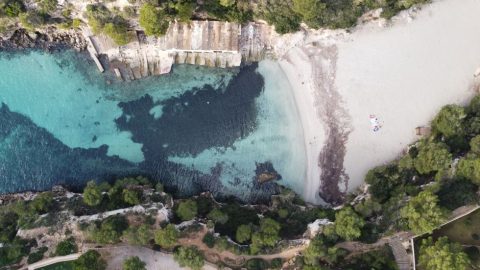
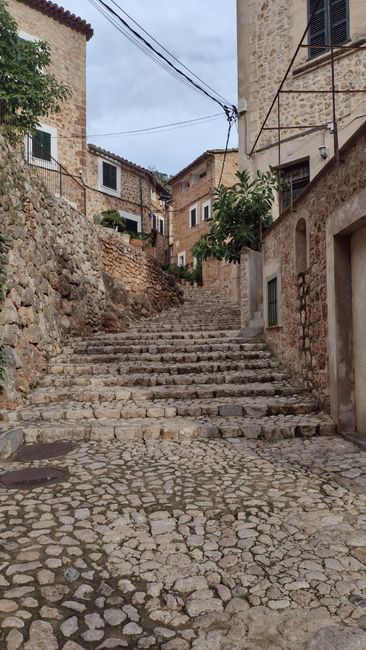
Real, highly-rated Restaurants in Mallorca, sourced from Google Places (rating above 4★).
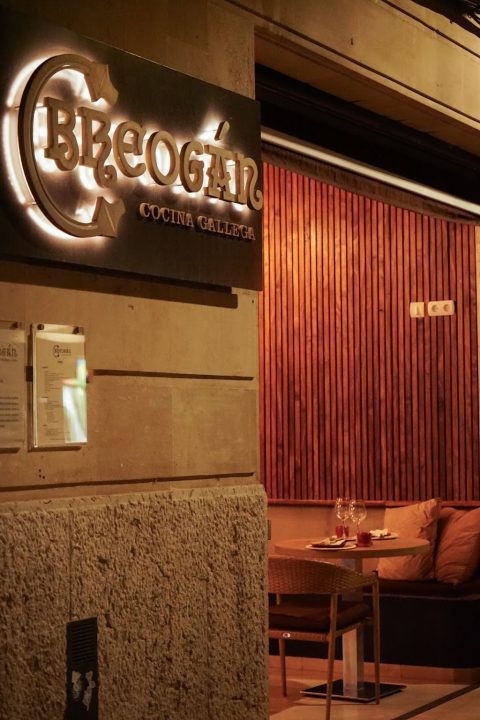
Breogán Cocina Gallega
Breogán Cocina Gallega is a highly-rated restaurant in Mallorca, rated 4.9★ from 948 reviews. Located at Carrer de Rubén Darío, 9, Centre, 07012 Palma, Illes Balears, Spain.
Opening Hours
- Monday: Closed
- Tuesday: 1:30 – 11:00 PM
- Wednesday: 1:30 – 11:00 PM
- Thursday: 1:30 – 11:00 PM
- Friday: 1:30 – 11:00 PM
- Saturday: 1:30 – 11:00 PM
- Sunday: 1:30 – 4:00 PM
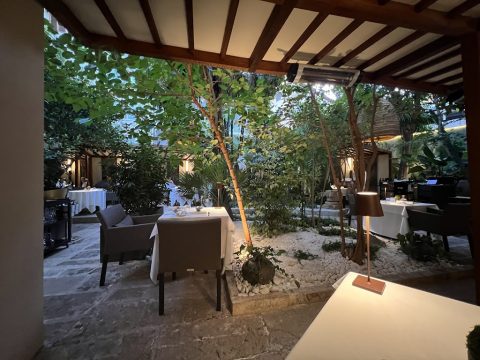
Fera Palma Restaurant
Fera Palma Restaurant is a highly-rated restaurant in Mallorca, rated 4.8★ from 1066 reviews. Located at C/ de la Concepció, 4, Centre, 07012 Palma, Illes Balears, Spain.
Opening Hours
- Monday: 1:00 – 3:00 PM, 6:30 – 10:30 PM
- Tuesday: Closed
- Wednesday: Closed
- Thursday: 6:30 – 10:30 PM
- Friday: 1:00 – 3:00 PM, 6:30 – 10:30 PM
- Saturday: 1:00 – 3:00 PM, 6:30 – 10:30 PM
- Sunday: 6:30 – 10:30 PM
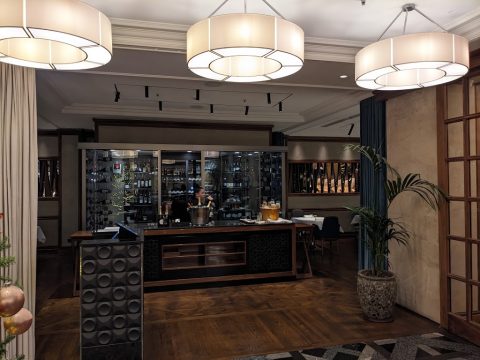
DINS Santi Taura
DINS Santi Taura is a highly-rated restaurant in Mallorca, rated 4.8★ from 1085 reviews. Located at Plaça de Llorenç Villalonga, 4, Centre, 07001 Palma, Illes Balears, Spain.
Opening Hours
- Monday: Closed
- Tuesday: 7:30 – 9:00 PM
- Wednesday: 7:30 – 9:00 PM
- Thursday: 7:30 – 9:00 PM
- Friday: 7:30 – 9:00 PM
- Saturday: 1:00 – 2:15 PM, 7:30 – 9:00 PM
- Sunday: Closed
Real, highly-rated Beach Bars in Mallorca, sourced from Google Places (rating above 4★).
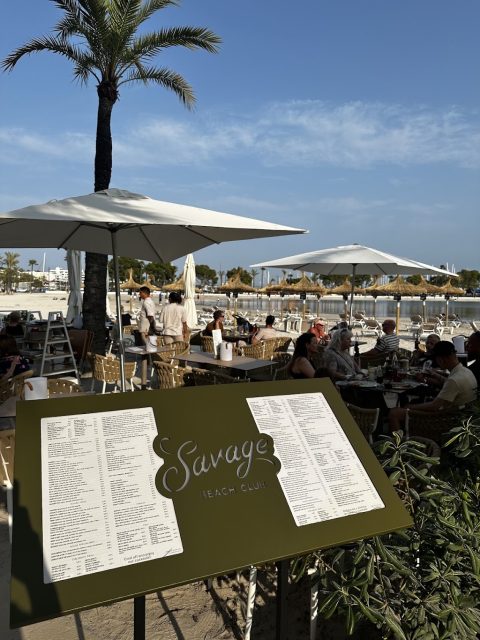
Savage Beach Club
Savage Beach Club is a highly-rated beach bar in Mallorca, rated 4.7★ from 2518 reviews. Located at Carretera d'Artà, 5, bajos, 07400 Alcúdia, Illes Balears, Spain.
Opening Hours
- Monday: 9:00 AM – 11:30 PM
- Tuesday: 9:00 AM – 11:30 PM
- Wednesday: 9:00 AM – 11:30 PM
- Thursday: 9:00 AM – 11:30 PM
- Friday: 9:00 AM – 11:30 PM
- Saturday: 9:00 AM – 11:30 PM
- Sunday: 9:00 AM – 11:30 PM
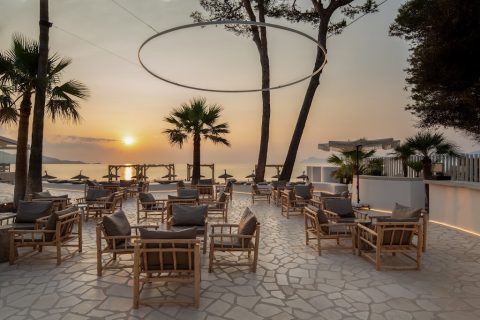
NU Mallorca
NU Mallorca is a highly-rated beach bar in Mallorca, rated 4.6★ from 4894 reviews. Located at Carrer Flamencs, 5, 07458 Playa de Muro, Illes Balears, Spain.
Opening Hours
- Monday: 9:00 AM – 12:00 AM
- Tuesday: 9:00 AM – 12:00 AM
- Wednesday: 9:00 AM – 12:00 AM
- Thursday: 9:00 AM – 12:00 AM
- Friday: 9:00 AM – 12:00 AM
- Saturday: 9:00 AM – 12:00 AM
- Sunday: 9:00 AM – 12:00 AM
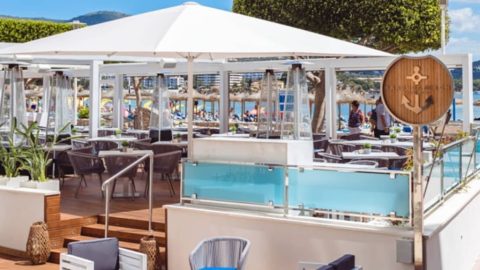
Barbuda Beach Mallorca
Barbuda Beach Mallorca is a highly-rated beach bar in Mallorca, rated 4.6★ from 1576 reviews. Located at Carrer Duc Estremera, 12, 07181 Palmanova, Illes Balears, Spain.
Opening Hours
- Monday: 11:00 AM – 12:00 AM
- Tuesday: 11:00 AM – 12:00 AM
- Wednesday: 11:00 AM – 12:00 AM
- Thursday: 11:00 AM – 12:00 AM
- Friday: 11:00 AM – 12:00 AM
- Saturday: 11:00 AM – 12:00 AM
- Sunday: 11:00 AM – 12:00 AM
Explore Mallorca on the Map
Optimal Travel Seasons
Spring (April-June) is the best overall time to visit, with mild temperatures (16-24°C), wildflowers blooming across the Tramuntana, and comfortable hiking conditions before peak crowds and sea temperatures arrive. Late May and June offer warm enough seas for swimming with far fewer visitors than July-August.
Summer (July-August) brings hot, dry weather (28-32°C), the warmest sea temperatures, and the island's busiest, most expensive period – Palma and the main resorts can feel overcrowded, and popular beaches like Es Trenc fill up by mid-morning.
Fall (September-October) maintains warm temperatures (22-27°C) and swimmable seas well into October, with thinning crowds after the August peak – widely considered the best balance of weather and value.
Winter (November-March) is mild but cool (10-16°C), with many coastal restaurants and hotels closed for the season. Good for hiking, cycling, and exploring Palma's culture without crowds, though beach weather is unreliable.
| Month | Avg Temp | Sea Temp | Crowd Level |
|---|---|---|---|
| April | 17°C | 15°C | Low |
| June | 24°C | 22°C | Moderate |
| August | 29°C | 26°C | Very High |
| October | 22°C | 22°C | Moderate |
Getting To & Around Mallorca
Palma de Mallorca Airport (PMI) sits about 8 km from central Palma and is served by frequent flights from across Europe, especially in summer. Bus line A1 connects the airport to Palma's center in about 20 minutes; taxis take a similar time. Ferries also run from Barcelona, Valencia, and Dénia to Palma's port, taking 6-8 hours (overnight options available).
Renting a car is the most practical way to explore the island, especially the Tramuntana villages, Formentor, and quieter beaches, as public transport doesn't reach many rural coves. Roads to Sa Calobra and Formentor are narrow and winding – drive cautiously and expect summer traffic.
TIB buses connect Palma to most towns and resorts island-wide, though frequency drops in winter and on rural routes. The Sóller train and tram is a scenic (if touristy) alternative to driving that mountain route.
Within Palma itself, the compact old town is entirely walkable, and EMT city buses plus a small metro line cover the wider urban area.
✈️ Airport Transfer
Palma de Mallorca Airport (Son Sant Joan) (PMI) to city center:
- Bus A1 (EMT): Direct service to Palma city center (Plaza España) in about 20 minutes, A1 costs €5 cash or €3 for the first passenger paying by contactless bank card.
- Taxi: Around 20-25 minutes to Palma center, roughly 25-30 euros depending on traffic and time of day
- Private transfer: Pre-booked door-to-door shuttle to resorts like Alcudia or Magaluf, 45-60 minutes, from 40 euros per person
- Rental car: Pick up at the airport terminal, from about 30 euros per day, ideal for exploring beyond Palma
What to Buy & Where
Mallorca is known for Majorica artificial pearls, manufactured in Manacor since 1890 and sold island-wide, and for leather goods from the shoemaking town of Inca, home to several factory outlet stores. Ensaïmada pastries in their signature round boxes make a popular edible souvenir, sold at bakeries and the airport.
Palma's old town streets around Carrer de Sant Miquel and Passeig del Born mix international boutiques with local design shops. For a more authentic market experience, visit the Sineu Wednesday market (the island's oldest, dating to medieval times) or Pollença's Sunday market, both selling local produce, crafts, and clothing at village-fair prices.
Palma's Mercat de l'Olivar and Mercat de Santa Catalina are the best food markets for local cheeses, cured meats, and olive oil to take home.
Annual Events & Local Holidays
Sant Sebastià (January 19-20) is Palma's patron saint festival, with bonfires, folk music, and street food filling the old town over several nights in mid-January.
Setmana Santa (Holy Week), in March or April, brings solemn processions through Palma's old streets, among the most elaborate in the Balearics.
Sant Joan (June 23-24) is celebrated island-wide with beach bonfires and midnight swims marking the summer solstice.
Es Firó is held in May; the 2026 reenactment took place on 11 May. Es Firó in Sóller reenacts a 16th-century battle against Barbary pirates with mock combat and costumed processions through town.
September brings grape harvest festivals in Binissalem, while towns across the island hold local patron-saint fiestas (festes patronals) throughout summer with concerts, fireworks, and traditional dances.
Sample Itineraries
Day 1: Palma Old Town
Morning (9 AM-1 PM): Start at La Seu Cathedral (1 hour), then Palau de l'Almudaina (1 hour). Walk through S'Hort del Rei gardens to Passeig del Born.
Lunch (1:30-3 PM): Tapas around Sa Llotja or the old town.
Afternoon (3-7 PM): Explore Plaça Major and the old-town lanes. Visit Es Baluard Museum (1.5 hours) for art and sunset bay views. Walk Parc de la Mar for the classic cathedral photo.
Evening: Dinner and drinks in Santa Catalina.
Day 2: Tramuntana – Sóller & Deià
Morning (9 AM-1 PM): Take the vintage train to Sóller (1 hour), explore town, then the tram down to Port de Sóller.
Lunch (1:30-3 PM): Seafood at Port de Sóller.
Afternoon (3-7 PM): Drive or bus to Deià (30 min), wander the village and cemetery viewpoint, swim at Cala Deià if time allows.
Evening: Dinner in Deià or back in Palma.
Day 3: North Coast – Formentor & Alcúdia
Morning (8:30 AM-1 PM): Drive to Cap de Formentor, stopping at Mirador Es Colomer, continuing to the lighthouse.
Lunch (1:30-3 PM): Beach lunch at Platja de Formentor.
Afternoon (3-6:30 PM): Visit Alcúdia's walled old town and Roman ruins, then relax at Platja de Muro.
Evening: Dinner in Alcúdia or Pollença.
Day 4: South Coast Beaches
Morning (9 AM-1 PM): Arrive early at Es Trenc for sand and swimming before crowds build.
Lunch (1:30-3 PM): Beach kiosk lunch.
Afternoon (3-6:30 PM): Visit Botanicactus (1.5 hours), then Cala Mondragó for a second swim.
Evening: Dinner in Santanyí or Portocolom.
Day 5: Caves & Inland Villages
Morning (9 AM-1 PM): Tour Coves del Drac (1 hour with lake concert), then Porto Cristo old harbor.
Lunch (1:30-3 PM): Lunch in Porto Cristo.
Afternoon (3-7 PM): Drive to Binissalem for a winery visit, or Sineu for its market/village atmosphere.
Evening: Final dinner back in Palma, evening stroll along Passeig Marítim.
Tips: A rental car is essential for Days 2-5. Many restaurants close between 3:30-7:30 PM outside Palma. Book Sóller train and Coves del Drac tickets in advance during summer.
Parc de la Mar: the cathedral reflected in the lake, best 30-45 minutes before sunset. Mirador Es Colomer (Formentor road): dramatic cliff and sea views, arrive by 9 AM to beat tour buses. Deià cemetery viewpoint: terracotta rooftops framed by the Mediterranean, golden-hour light works best. Sa Calobra road: hairpin switchbacks photographed from the higher viewpoints along the descent. Es Baluard rooftop terrace: sunset over Palma Bay with a drink in hand. Sóller's Plaça Constitució: the Gaudí-influenced church facade, best in soft morning light before crowds arrive with the train.
Spain (including the Balearic Islands) uses 230V, 50Hz electricity with Type C and Type F plugs (two round pins), standard across continental Europe. UK, US, and Australian visitors will need an adapter; US/Canadian appliances not rated for 230V also require a voltage converter. Adapters are widely available at Palma airport and supermarkets if forgotten.
Must-Try Local Dishes
Sobrassada, a spreadable cured pork sausage seasoned with paprika, appears on menus island-wide, often paired with honey on toast. Ensaïmada, a coiled, powdered-sugar-dusted pastry, is the classic Mallorcan breakfast, sometimes filled with cream or pumpkin jam (cabell d'àngel). Pa amb oli – rustic bread rubbed with tomato, olive oil, and salt, topped with cheese or cured meats – is a simple island staple.
Tumbet, a layered vegetable dish of potato, eggplant, and pepper in tomato sauce, and frit mallorquí, a hearty fry-up of lamb offal, vegetables, and fennel, represent traditional home cooking. Along the coast, fresh caldereta de langosta (lobster stew) is a signature, if pricey, specialty, particularly around Fornells-style preparations adapted locally.
Pair meals with reds from Binissalem or Pla i Llevant, Mallorca's two protected wine regions, and finish with locally made almond ice cream, reflecting the island's historic almond orchards.
Where to Stay in Mallorca
- Casc Antic (Palma Old Town): Best for first-time visitors who want to be steps from the cathedral, cobbled lanes, and tapas bars without a car.
- Santa Catalina: A trendy former fishermen's quarter packed with cafes, bars, and a lively food market, ideal for nightlife seekers and younger travelers wanting a walkable, buzzy base.
- Portixol: A relaxed seafront neighborhood with a small marina and beach club feel, well suited to families and travelers who want an easy, low-key stay close to the water yet a short ride from central Palma.
- Sóller, Deia, and Pollenca: These inland and northern towns offer boutique hotels and countryside charm away from the crowds, a good fit for business travelers combining meetings with downtime, or anyone chasing a quieter, scenic escape rather than a city base.
Budget travelers will find better value staying just outside Casc Antic or in Santa Catalina, where guesthouses and apartments cost less than beachfront resorts while keeping easy bus or tram access to central Palma and the wider island.
Mallorca Travel Budget
Mallorca suits every budget, from hostel dorms in Palma to five-star resorts along the coast. Below are realistic daily spending bands for 2026, covering accommodation, food, local transport, and attractions.
- Budget (€55-85/day): Hostel dorm or budget guesthouse €20-35, self-catering or menu del dia lunch plus simple dinner €15-20, EMT bus or TIB regional bus tickets €2-8, free beaches and hiking with occasional paid sight like Bellver Castle €4.
- Mid-range (€120-190/day): 3-star hotel or apartment €70-110, restaurant meals with local wine €35-50, rental car or scooter plus fuel and parking €25-35, entry to attractions such as Adult admission is €18.50 online or €19.50 at the ticket office.
- Luxury (€300-600+/day): 4-5 star beachfront hotel or boutique finca €200-450, fine dining and Michelin-listed restaurants €80-150, private driver or premium car rental €60-100, private boat charter or golf green fees €100-250.
Tip: Prices rise sharply from June through September; visiting in shoulder months like May or October can cut accommodation costs by nearly a third while keeping warm, sunny weather.
Is Mallorca Worth Visiting?
Yes — few Mediterranean islands pack this much contrast into one destination. Mallorca pairs the cultural depth of Palma, with its Gothic cathedral and old town, against the raw drama of the Serra de Tramuntana mountains and the postcard villages of Deià, Sóller and Valldemossa.
- Beyond the beach-resort reputation: prehistoric caves, hilltop monasteries, and a mountain range recognized as a UNESCO World Heritage Site give the island substance well past its sun-and-sand image.
- A coastline built for exploring: over 500 km of shore ranges from lively family beaches to hidden turquoise coves reachable only by boat or hiking trail.
- Easy access, real payoff: short flight times from mainland Europe make it simple to reach, yet the island rewards visitors with a genuinely varied landscape rarely found in a single trip.
Whether the draw is coastal scenery, mountain hiking, historic architecture, or quiet villages, Mallorca delivers enough range to justify more than a single visit.
Tourist Passes
Palma Hop-On Hop-Off Bus
A flexible sightseeing bus looping past the cathedral, Bellver Castle, Sa Llotja, and the marina, with recorded commentary in multiple languages. Tickets valid 24 or 48 hours allow unlimited boarding at any stop. Useful for visitors short on time who want an overview of central Palma without walking between spread-out sights like Bellver Castle, which sits on a hill outside the old town.
www.city-sightseeing.comBellver Castle + Museum Combined Ticket
A single ticket covering entry to Bellver Castle and its City History Museum, with modest savings over paying separately. Sunday admission is free for everyone, subject to scheduled closures. Worth checking current free-entry days before booking, as they can offset the need for a paid ticket entirely.
castelldebellver.palma.catTIB Intermodal Transport Card
A rechargeable card usable across TIB buses, Palma's metro, and some rail lines, offering lower per-journey fares than single paper tickets. The resident Intermodal/Única card is not a general tourist pass; visitors can use contactless bank cards on TIB. Available at metro stations and TIB customer service points; single paper tickets remain available for occasional riders.
tib.caib.esSóller Train + Tram Combined Ticket
Covers the historic train from Palma to Sóller and the connecting vintage tram down to Port de Sóller in one purchase, at a modest discount over buying separately. Popular enough in summer that early booking (online or at the Palma station) is recommended to secure a preferred departure time and avoid sold-out midday trains.
www.trendesoller.comPalma Aquarium Online Ticket
Booking Palma Aquarium tickets online typically saves 10-15% over gate prices and allows entry at a chosen time slot, useful for avoiding queues in peak summer. Combination pricing for families and add-ons like the shark-tank dive experience (for certified divers) can be booked through the same online system.
www.palmaaquarium.comMore about Mallorca
Photo credits (43)
- La Seu (Palma Cathedral): photo by Thomas Wolf, www.foto-tw.de, CC BY-SA 3.0 de, via Wikimedia Commons
- Palau de l'Almudaina: photo by This Photo was taken by Wolfgang Moroder. Feel free to use my photos, but please mention me as the author and send me, CC BY-SA 3.0, via Wikimedia Commons
- Bellver Castle: photo by This Photo was taken by Wolfgang Moroder. Feel free to use my photos, but please mention me as the author and send me, CC BY-SA 3.0, via Wikimedia Commons
- Serra de Tramuntana: photo by H. Zell, CC BY-SA 3.0, via Wikimedia Commons
- Cap de Formentor: photo by Unknown, CC BY-SA 3.0, via Wikimedia Commons
- Coves del Drac (Caves of Drach): photo by no, CC BY 2.0, via Wikimedia Commons
- Fundació Pilar i Joan Miró: photo by Bärwinkel,Klaus, CC BY 4.0, via Wikimedia Commons
- Es Baluard Museum: photo by Thomas Wolf, www.foto-tw.de, CC BY-SA 3.0 de, via Wikimedia Commons
- Museu de Mallorca: photo by Derbrauni, CC BY-SA 4.0, via Wikimedia Commons
- CaixaForum Palma (Gran Hotel): photo by Enric, CC BY-SA 4.0, via Wikimedia Commons
- Palma Aquarium: photo by palma aquarium, CC BY-SA 4.0, via Wikimedia Commons
- Santuari de Lluc: photo by H. Zell, CC BY-SA 3.0, via Wikimedia Commons
- Basílica de Sant Francesc: photo by Schnobby, CC BY-SA 3.0, via Wikimedia Commons
- Església de Santa Eulàlia: photo by Joan Gené, CC0, via Wikimedia Commons
- Real Cartuja de Valldemossa: photo by Malopez 21, CC BY-SA 4.0, via Wikimedia Commons
- Passeig del Born: photo by Николай Максимович, CC BY 3.0, via Wikimedia Commons
- Plaça Major: photo by Joan Gené, CC BY-SA 4.0, via Wikimedia Commons
- Plaça de Cort: photo by Николай Максимович, CC BY 3.0, via Wikimedia Commons
- Sa Llotja: photo by This Photo was taken by Wolfgang Moroder. Feel free to use my photos, but please mention me as the author and send me, CC BY-SA 3.0, via Wikimedia Commons
- Passeig Marítim: photo by Sukkoria, CC BY-SA 4.0, via Wikimedia Commons
- Santa Catalina: photo by Chixoy, CC BY-SA 3.0, via Wikimedia Commons
- Portixol: photo by Andrés Nieto Porras from Palma de Mallorca, España, CC BY-SA 2.0, via Wikimedia Commons
- Sóller: photo by Top Cat 14, Public domain, via Wikimedia Commons
- Deià: photo by Photographed by Adrian Pingstone, Public domain, via Wikimedia Commons
- Pollença: photo by Sam Wilson (taken with Panasonic Lumix DMC-FT1), CC BY-SA 2.0, via Wikimedia Commons
- Parc de la Mar: photo by Kritzolina, CC BY-SA 4.0, via Wikimedia Commons
- S'Hort del Rei: photo by Chixoy, CC BY-SA 4.0, via Wikimedia Commons
- Jardins d'Alfàbia: photo by Lothar Velling - Web…, CC BY 3.0, via Wikimedia Commons
- Botanicactus: photo by Frank Vincentz, CC BY-SA 3.0, via Wikimedia Commons
- Es Trenc: photo by Wasquewhat, CC BY-SA 4.0, via Wikimedia Commons
- Cala Mondragó: photo by Xxlstier, CC BY-SA 4.0, via Wikimedia Commons
- Platja de Formentor: photo by Josi, CC BY-SA 4.0, via Wikimedia Commons
- Cala Deià: photo by Michal Osmenda from Brussels, Belgium, CC BY 2.0, via Wikimedia Commons
- Sa Calobra & Torrent de Pareis: photo by Isiwal, CC BY-SA 3.0, via Wikimedia Commons
- Alcúdia Bay (Platja de Muro): photo by Mac Edmunds, CC BY 4.0, via Wikimedia Commons
- Hiking the GR221 (Ruta de Pedra en Sec): photo by Amber Sun, CC BY-SA 2.0, via Wikimedia Commons
- Betlem de Cort (Nativity Scene Displays): photo by Joan Gené, CC BY-SA 4.0, via Wikimedia Commons
- Tito's Palma: photo by Unknown authorUnknown author, Public domain, via Wikimedia Commons
- BCM Planet Dance, Magaluf: photo by TrisHR, CC BY-SA 4.0, via Wikimedia Commons
- Mallorca Wine and Harvest Festival (Binissalem): photo by Chixoy, CC BY-SA 3.0, via Wikimedia Commons
- Cala Varques: photo by Olaf Tausch, CC BY 3.0, via Wikimedia Commons
- Talaiot de Capocorb Vell: photo by Olaf Tausch, CC BY 3.0, via Wikimedia Commons
- El Camino: photo by Unknown, CC BY-SA 3.0, via Wikimedia Commons


,_tribuna_cantonera.jpg)


.jpg)
.jpg)


.jpg)

_majorca_spain_arp.jpg)


.jpg)


_(14572170236).jpg)


.jpg)