From Palma's historic quarters to the mountain villages of the Tramuntana, each Mallorcan neighborhood carries a distinct character shaped by centuries of Moorish, maritime, and artistic influence.
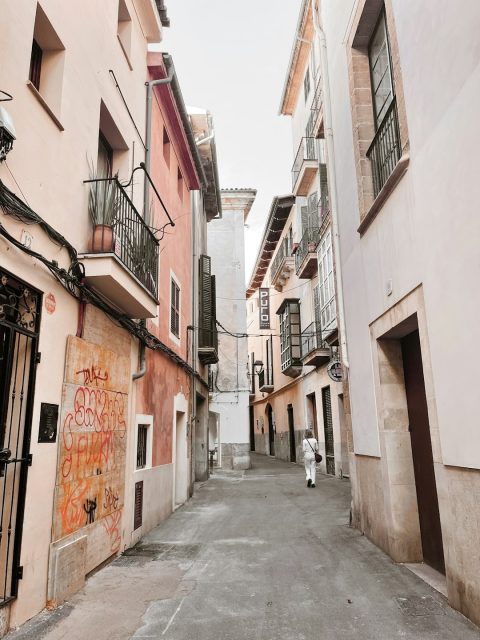
Casc Antic (Palma Old Town)
Palma's historic center is a labyrinth of narrow medieval streets, hidden courtyards, and Gothic mansions largely unchanged since the 15th century. Highlights include the cathedral quarter, Sa Llotja, and quiet residential lanes like Carrer de la Almudaina. Look up to spot ornate window grilles and interior patios glimpsed through open doorways. Best explored slowly on foot with no fixed itinerary, getting pleasantly lost is part of the appeal.
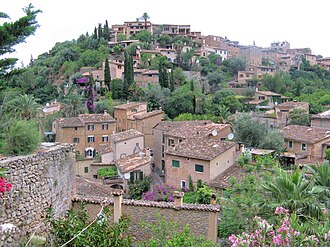
Deià
This tiny stone village clinging to a mountainside above the sea has drawn artists and writers for a century, most famously poet Robert Graves, who lived and is buried here. Deià's terracotta-roofed houses and hillside cemetery overlooking the Mediterranean make it one of the island's most photographed villages. A steep path leads down to the pebbly Cala de Deià cove for a swim.
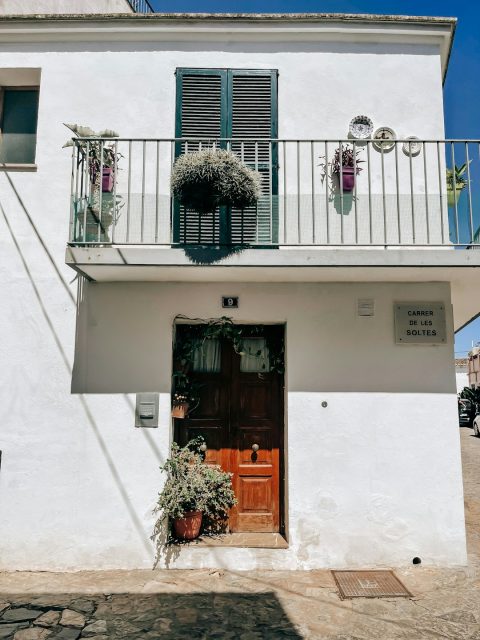
Santa Catalina
Once a working-class fishermen's district, Santa Catalina has become Palma's trendiest food neighborhood, packed with independent bistros, cocktail bars, and the bustling Mercat de Santa Catalina food hall. Its grid of low, colorful houses feels distinct from the old town's grandeur. A short walk from the cathedral, it's the best area for an evening of tapas-hopping among a mix of locals and expats.
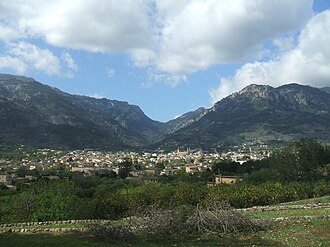
Sóller
Nestled in a valley of orange and lemon groves in the Tramuntana mountains, Sóller is a handsome Modernist-influenced town connected to Palma by a century-old wooden train. Its main square, Plaça Constitució, is dominated by a striking Gaudí-influenced church facade. A vintage tram continues from town down to the port, where a curving harbor beach and seafood restaurants await.
Pollença
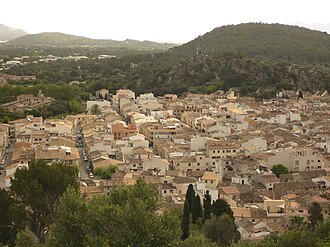
An elegant inland town near the north coast, Pollença is known for its 365-step Calvari staircase leading to a hilltop chapel with panoramic views, and its lively Sunday market in Plaça Major. The town's honey-colored stone architecture and quieter pace make it a favorite base for exploring Cap de Formentor and the surrounding countryside without the crowds of coastal resorts.
Portixol
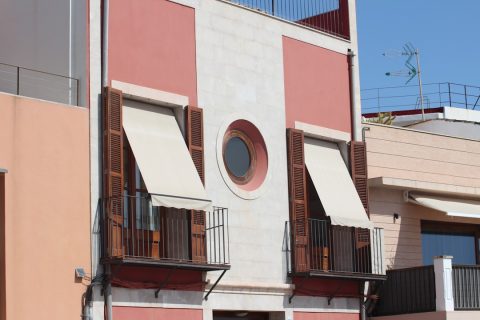
This former fishing village turned seaside marina district sits just east of central Palma, with a small beach, waterfront restaurants, and a laid-back Mediterranean feel. It's popular for a relaxed lunch overlooking the harbor or a swim without leaving the city. The palm-lined promenade connects easily back to Passeig Marítim for those walking or cycling from downtown.
Tips for Neighborhoods & Districts
- Take the vintage Sóller train from Palma rather than driving – parking in Sóller is limited
- Deià gets very busy at midday in summer; visit early morning or late afternoon
- Santa Catalina market is best visited around lunchtime for the food stalls
- Pollença's Sunday market runs until early afternoon only