Beyond the postcard cliffs and famous canyons, Kauai hides a quieter side that most itineraries skip entirely. These spots reward travelers willing to detour a few miles inland or along the south shore, from a forgotten Japanese garden to a beach paved in decades of sea glass. Expect fewer crowds, no entry fees, and a closer look at everyday island life.
Kukuiolono Park
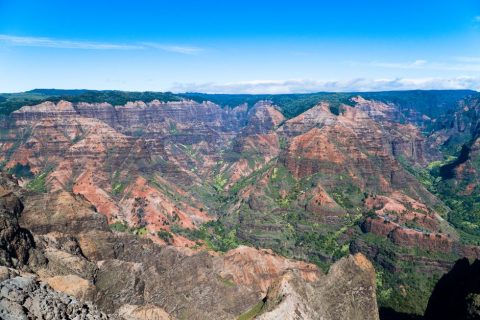
Perched above Kalaheo on the south shore, this free public park was once the private estate of pineapple baron Walter McBryde and is now almost entirely overlooked by visitors. A short walk through ironwood trees leads to a Japanese garden with koi ponds, stone lanterns, and a small collection of Hawaiian petroglyph stones and historic artifacts gathered from around the island. The grounds also hold a modest nine-hole golf course open to the public on an honor-system basis. From the highest point near the old estate site, the view stretches across Poipu and the south coast without another tourist in sight. Bring a picnic, wander the winding paths at your own pace, and expect total quiet on weekday mornings. It is the kind of place locals grew up visiting that rarely makes it onto a first-time visitor's list, and it costs nothing to enjoy.
Kauai Coffee Company Estate
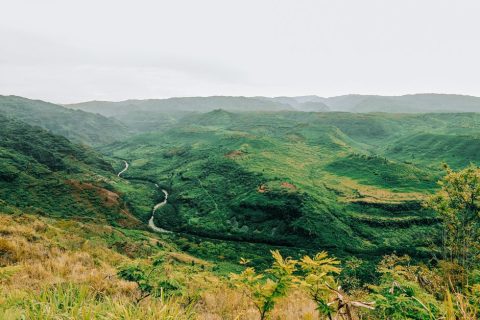
Covering former sugar cane land above the south shore, this working plantation is the largest coffee farm in the United States and one of the few places on the island offering a completely free self-guided experience. A short walking trail winds through the coffee rows with placards explaining how the beans are grown, harvested, and processed, ending at a visitor center where every roast is available for tasting at no charge. It draws a fraction of the attention that beaches and hikes get, despite being an easy stop for anyone driving toward Waimea. The gift shop sells beans not distributed elsewhere, and the surrounding grounds offer shaded picnic tables with distant ocean views. Mornings are quietest, before tour groups headed to the canyon make their one stop of the day. It suits travelers curious about island agriculture rather than just its coastline, and it pairs naturally with other west-side stops.
Salt Pond Beach Park
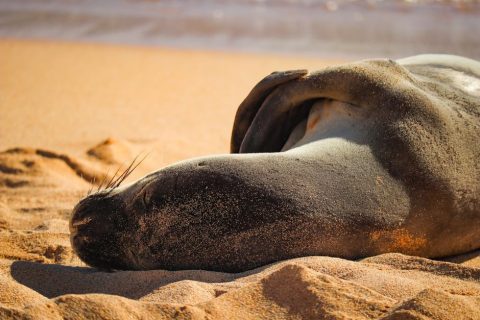
Just west of Hanapepe, this shallow, reef-protected bay is best known locally for the adjacent salt ponds where Native Hawaiian families still harvest sea salt by hand using centuries-old methods, a practice found nowhere else in the state. The ponds themselves are private and only briefly active during the dry summer harvest season, but the beach beside them is calm, sandy, and largely used by residents rather than tour buses. Its natural rock barrier creates one of the safest swimming spots on the west side, ideal for families and calmer than the surf-heavy beaches near Poipu. A grassy shoreline with picnic tables and restrooms makes it comfortable for a slow afternoon. Visiting respectfully means staying off the salt beds themselves, since they remain culturally significant and actively used. It is an easy add-on for anyone already exploring Hanapepe town nearby.
Glass Beach (Port Allen)
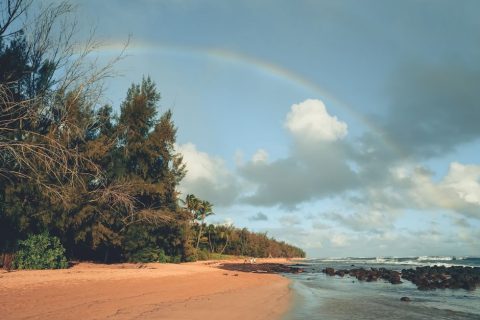
Tucked behind an industrial shoreline near Port Allen, this small cove is easy to miss and that is exactly its appeal. Decades of discarded glass from a former dump site have been tumbled smooth by the surf, blanketing the sand in sparkling shards of green, amber, and blue. It is not a swimming beach and the approach along a gravel access road past fuel tanks is unglamorous, but the payoff is a genuinely strange and photogenic landscape found almost nowhere else in Hawaii. Visit in late afternoon when low sun catches the glass and the color show intensifies. Sturdy shoes are worth wearing since the beach surface is uneven and can be sharp underfoot. Locals treat it as a curiosity rather than a destination, and there are no facilities, signage, or crowds. Pack out anything brought in, and resist the urge to pocket glass so future visitors get the same effect.
Hanapepe Swinging Bridge
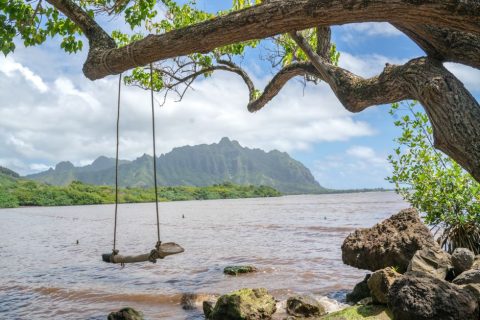
Strung across the Hanapepe River at the edge of town, this narrow pedestrian suspension bridge sways gently underfoot as you cross, a small thrill that surprises visitors expecting just another small-town shortcut. Built originally by plantation workers and rebuilt after storm damage over the years, it connects the main street to taro fields and quiet residential lanes on the opposite bank. Crossing takes only a minute, but the view up and down the river valley, framed by loulu palms and distant ridgelines, is worth lingering for. It sits a block off Hanapepe's main road, so travelers focused only on the town's galleries and shops often walk right past the turnoff. Early morning light and late afternoon shade both make for pleasant photos without the bridge feeling crowded. It costs nothing, takes almost no time, and offers a genuine slice of old plantation-era infrastructure still in daily use.
Tips for Hidden Gems
- Most of these spots have no entry fee and little to no signage, so a GPS pin is more reliable than road signs.
- Weekday mornings offer the quietest experience at all five locations.
- Sturdy footwear is recommended for Glass Beach, where the terrain is uneven and can be sharp.
- Respect posted boundaries at Salt Pond's harvest ponds, as they remain in active cultural use by local families.