Kauai's museums trace its path from Native Hawaiian settlement through sugar plantation boom, while Hanapepe's gallery row keeps a small-town art scene thriving.
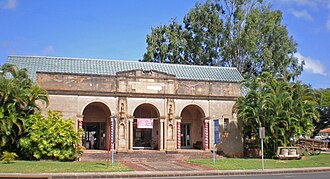
Kauai Museum
Housed in a 1924 sandstone building in downtown Lihue, this museum traces Kauai's story from its volcanic formation and early Polynesian voyaging through the monarchy era and the sugar plantation economy that shaped much of the island's modern population. Exhibits include feather lei, koa wood canoes, and photography documenting immigrant plantation laborers from Japan, China, Portugal, and the Philippines. It's a useful first stop for understanding the layered history behind the island's landscapes.
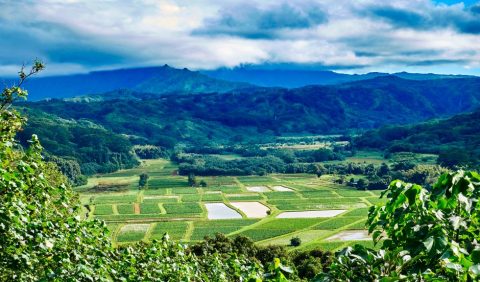
Kilohana Plantation
This restored 1935 Tudor-style mansion once belonged to sugar baron Gaylord Parke Wilcox and now anchors a plantation-era estate with heritage gardens, a working farm, and horse-drawn carriage tours. Rooms display period furnishings and photographs of Kauai's plantation aristocracy, while the grounds house artisan shops, a distillery, and Gaylord's restaurant. The Kauai Plantation Railway train tour loops through the working farm, offering a hands-on look at tropical agriculture.
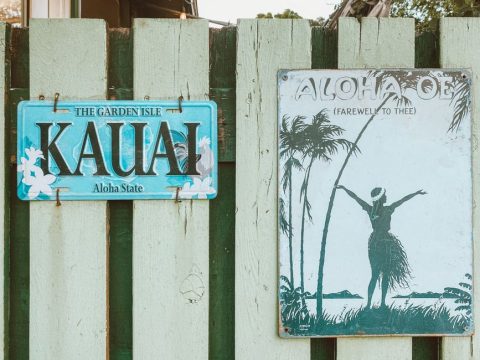
Hanapepe Art Night Galleries
The small former plantation town of Hanapepe bills itself as Kauai's "biggest little art town," with a single main street lined with independent galleries showing local painting, glass, and photography. Every Friday evening, Hanapepe Art Night brings live music, food vendors, and open studios to the sleepy street. Even outside the weekly event, the walkable row of historic wooden storefronts makes for an easy, low-key browse.
Tips for Museums & Galleries
- Visit Hanapepe on a Friday evening to catch Art Night, when galleries stay open late and the street closes to traffic
- Kilohana's carriage and train tours run on a schedule — check times online before arriving