Las Vegas is a young city, but its surrounding valley holds genuine 19th- and 20th-century history - a pioneer fort, the railroad that first put Vegas on the map, and the museums preserving both.
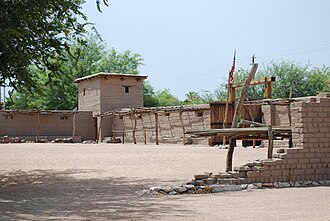
Old Las Vegas Mormon Fort State Historic Park
The oldest surviving structure in the Las Vegas Valley, built in 1855 by Mormon missionaries as a way station along the Salt Lake-to-Los Angeles trail. The reconstructed adobe fort, orchard, and museum mark the site where Las Vegas effectively began, offering a striking contrast to the Strip's neon a few miles south.
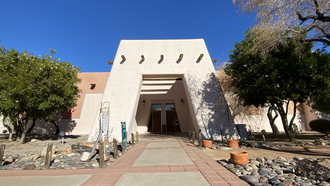
Clark County Museum
A 30-acre heritage site in nearby Henderson featuring relocated historic buildings from across Southern Nevada, including a print shop, a 1930s-era neighborhood, and mining-era structures. Exhibits trace the region's transformation from mining and railroad outpost to modern metropolis, with a strong focus on everyday domestic life rather than the casino industry.
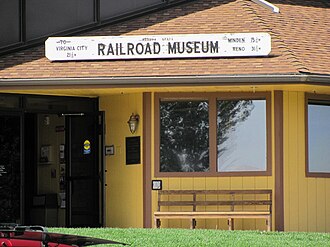
Nevada State Railroad Museum
Preserves the rolling stock of the Las Vegas and Tonopah Railroad, whose original 1905 route effectively founded the townsite that became modern Las Vegas. Restored steam and diesel locomotives, vintage passenger cars, and periodic train rides bring the region's railroad-driven origins to life for visitors and rail enthusiasts alike.
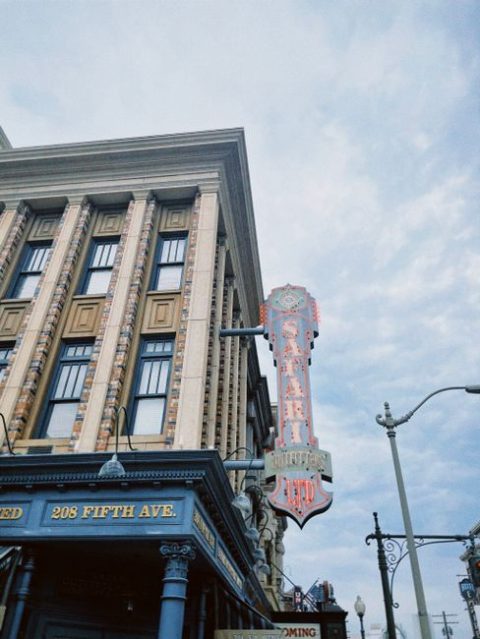
Historic Fifth Street School
Las Vegas's oldest surviving school building, a 1936 Spanish Colonial Revival structure now restored as a cultural center and event space in the Arts District. The building's careful restoration preserved original details while adapting the interior for exhibitions, making it a small but meaningful anchor for the surrounding downtown arts community.
Tips for Ancient & Historical Sites
- These sites sit outside the Strip - a rental car or rideshare is the practical way to reach them
- Combine the Mormon Fort with downtown/Fremont Street - they're a short drive apart
- Nevada State Railroad Museum is in Boulder City, en route to Hoover Dam - easy to combine with that day trip
- Free or low-cost entry at most of these sites compared to Strip attractions