Plan your trip to Las Vegas
- How long
- 3 days: the Strip and Fremont Street, a show, plus Red Rock or the Hoover Dam.
- Best for
- Entertainment and nightlife lovers: casinos, shows, the Bellagio fountains and the neon museums.
- Skip it if
- You dislike crowds, smoke and extreme heat: Vegas is loud, and summer temperatures are very high.
If you only do three things
- The Bellagio Fountains and the Strip at night.
- The Neon Museum and the Mob Museum.
- A show, and a day trip to Red Rock or the Hoover Dam.
A one-day route
- Morning: The Mob Museum downtown.
- Midday: Lunch at a Strip buffet or café.
- Afternoon: The Neon Museum (book ahead).
- Evening: The Bellagio Fountains and a show; Fremont Street at night.
Before you go
- Airport taxi fares to Strip hotels use three flat-rate zones, currently $21.25, $25.25, or $29.25 depending on the hotel.
- Many resorts add daily resort fees; check them before you book.
- Drink water in the desert heat.
- Book shows and the Neon Museum ahead.
Prices, opening status and transport in this plan checked against official sources on 1 October 2026.
Things to do in Las Vegas
Las Vegas reinvented the idea of a landmark - instead of centuries-old monuments, the city built its own instantly recognizable icons out of neon, water, and steel, each one designed to be photographed and remembered.
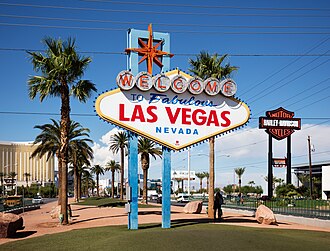
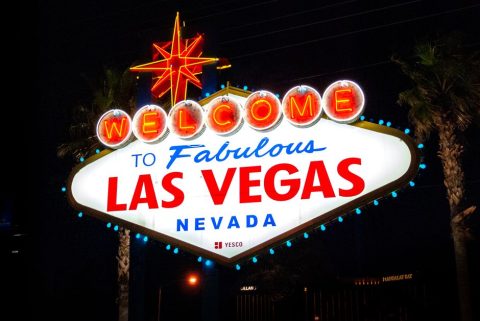
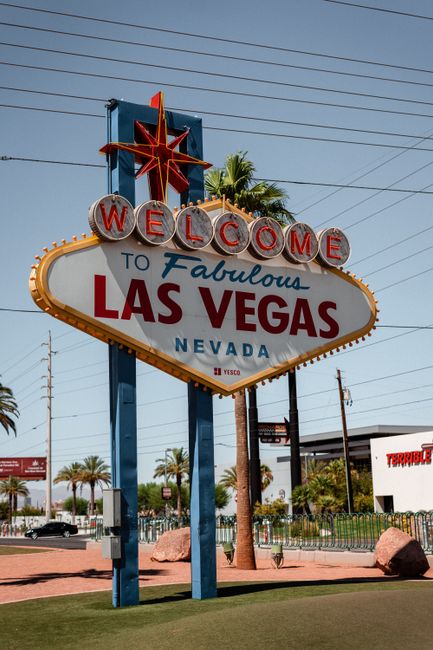
Welcome to Fabulous Las Vegas Sign
The single most photographed sign in America, standing at the south end of the Strip since 1959. This mid-century neon icon has appeared in countless films and postcards, and a small dedicated parking lot and median walkway let visitors line up for the classic shot day or night. It's a quick, free stop that's become a rite of passage for every first-time Vegas visitor.
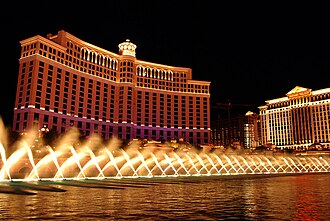
Bellagio Fountains
A choreographed water, light, and music show erupting from an 8.5-acre lake in front of the Bellagio, with jets shooting water hundreds of feet into the air in sync with everything from classical scores to pop hits. Weekday shows start at 3 p.m.; weekend and holiday shows start at noon. They run every 30 minutes until 7:30 p.m., then every 15 minutes until midnight, drawing crowds along the sidewalk and casino-front walkway without ever charging admission.
Eiffel Tower Experience (Paris Las Vegas)
A half-scale replica of the Paris landmark rising from the middle of the Strip, with a glass-floor observation deck at 460 feet offering some of the best panoramic views on the entire Strip. Night visits catch the Bellagio Fountains directly below in full choreography, making timing your visit around a fountain show well worth the small planning effort.
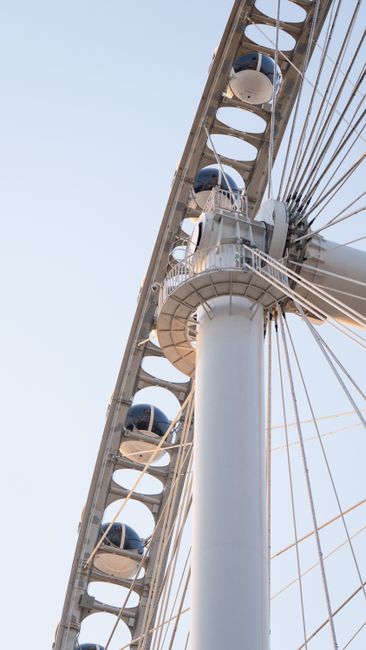
High Roller Observation Wheel
One of the world's tallest observation wheels at 550 feet, with climate-controlled cabins completing a slow, 30-minute rotation over the LINQ Promenade and the Strip. Cabins hold up to 40 people and can be booked with a drink package for an evening ride, making sunset the most popular time slot to catch the Strip lighting up.
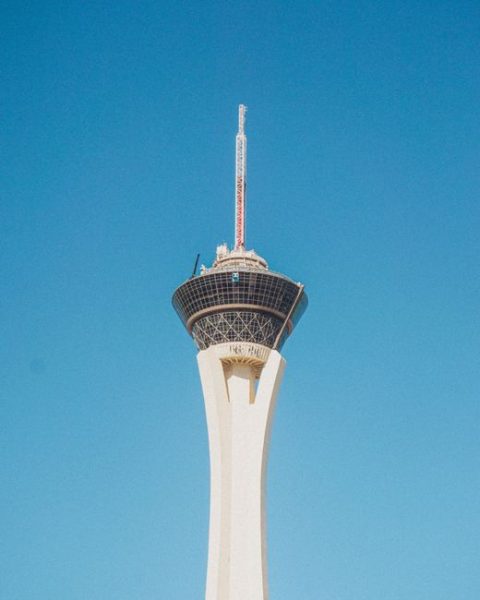
The STRAT Tower
The tallest freestanding observation tower in the United States at 1,149 feet, with an indoor/outdoor deck offering 360-degree views stretching from the Strip to the surrounding desert mountains. Thrill-seekers can add one of four extreme rides perched at the top, including a free-fall drop and a ride that dangles riders over the tower's edge.
Tips for Landmarks & Monuments
- Time the Eiffel Tower or High Roller around a Bellagio Fountains showtime for the best combined view
- Visit the Welcome sign early morning or late night to avoid the longest photo lines
- Book observation deck tickets online for a discount versus walk-up prices
- Summer heat is intense - outdoor landmark visits are more comfortable before 11 AM or after 7 PM
Beyond the casino floor, Las Vegas has quietly built a collection of genuinely excellent museums covering organized crime history, the golden age of neon signage, Cold War nuclear testing, and fine art - a side of the city most first-time visitors don't expect.
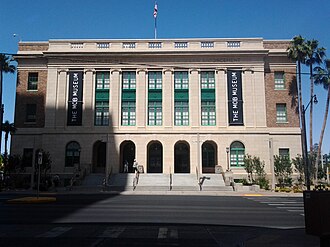
The Mob Museum
Housed in a former federal courthouse downtown, this museum traces the history of organized crime in America and its deep ties to the growth of Las Vegas. Interactive exhibits include a recreated speakeasy, forensic crime-lab demonstrations, and the actual wall from the 1929 St. Valentine's Day Massacre. A basement distillery and speakeasy-style bar add an unusually immersive, adults-oriented finish to the visit.

Neon Museum
An outdoor 'boneyard' preserving over 200 rescued vintage casino and motel signs, including pieces from the Stardust, Golden Nugget, and Sahara. Guided tours (day or the especially atmospheric night tours, when select signs are relit) explain the design history and cultural significance behind Vegas's neon golden age, before LED displays took over the Strip.
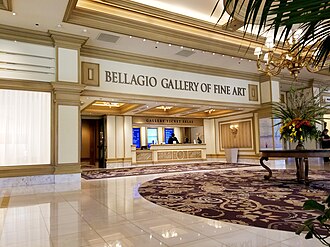
Bellagio Gallery of Fine Art
A compact but serious rotating gallery inside the Bellagio showcasing works on loan from private collections and major museums worldwide, spanning Impressionist, Modern, and Contemporary art. Exhibitions change periodically, and the intimate scale means a visit rarely takes more than an hour - an easy, air-conditioned break between casino floors.
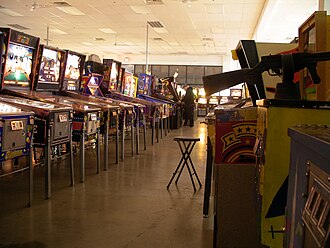
Pinball Hall of Fame
A nonprofit arcade housing one of the largest collections of playable vintage pinball and arcade machines in the country, all set to accept quarters at their original prices. Proceeds go to charity, and the sheer range - from 1950s electromechanical machines to modern licensed tables - makes it a nostalgic, low-cost break from the Strip's casino floors.

National Atomic Testing Museum
An affiliate of the Smithsonian covering the history of nuclear weapons testing at the nearby Nevada Test Site, once a major driver of the region's economy and Cold War identity. Exhibits include declassified footage, a recreated blast simulation room, and artifacts explaining how nearby atomic tests briefly became a tourist spectacle of their own in the 1950s.
Tips for Museums & Galleries
- Book Neon Museum night tours well ahead - they sell out and offer a completely different experience from daytime visits
- Combine the Mob Museum with lunch downtown - it's a short walk from Fremont Street
- Most museums are indoors and air-conditioned - a good midday escape from summer heat
- Advance online tickets save time and often money versus walk-up admission
Las Vegas's most famous religious-adjacent institution is the wedding chapel - a genuinely unique local tradition, alongside a handful of active churches serving both residents and the millions of visitors who pass through the city each year.
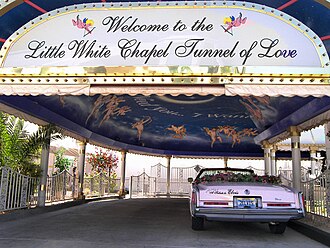
A Little White Wedding Chapel
Open since 1951 and famous for its drive-through Tunnel of Love ceremony, this chapel has married countless celebrities and remains the most recognizable of Vegas's wedding institutions. Nevada's minimal marriage-license requirements and the chapel's round-the-clock availability turned quick Vegas weddings into their own cultural phenomenon, still going strong today.

Guardian Angel Cathedral
The Roman Catholic cathedral of the Diocese of Las Vegas, built in 1963 with a distinctive mid-century A-frame design and striking mosaic exterior, standing just off the Strip near Wynn. A working parish rather than a tourist stop, it offers a quiet, air-conditioned moment of calm and a notable architectural contrast to the neon and glass surrounding it.
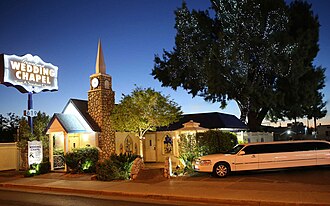
Graceland Wedding Chapel
One of the oldest continuously operating wedding chapels in Las Vegas, opened in 1980 and known for its Elvis-themed ceremonies complete with impersonator officiants. Its vintage neon sign and small-town-chapel exterior have made it a frequent film and TV location, and it remains a favorite for couples wanting a classic, kitsch-forward Vegas wedding.

Chapel of the Flowers
A larger, more contemporary wedding venue just off the Strip offering everything from quick civil ceremonies to full garden weddings with multiple indoor and outdoor settings. Consistently rated among the top-reviewed Vegas chapels, it reflects how far the city's wedding industry has evolved beyond the classic drive-through stereotype.
Tips for Religious Sites
- Marriage licenses are issued same-day at the Clark County Marriage License Bureau downtown, with no waiting period or blood test required
- Book chapel slots ahead for weekends and holidays - popular chapels run tightly scheduled ceremonies
- Guardian Angel Cathedral is an active church - keep visits brief and respectful during services
- Themed weddings (Elvis, drive-through) typically cost less than full traditional packages
Las Vegas is a young city, but its surrounding valley holds genuine 19th- and 20th-century history - a pioneer fort, the railroad that first put Vegas on the map, and the museums preserving both.
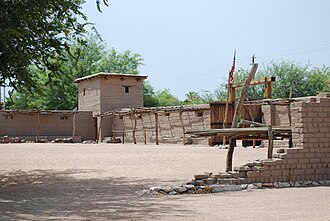
Old Las Vegas Mormon Fort State Historic Park
The oldest surviving structure in the Las Vegas Valley, built in 1855 by Mormon missionaries as a way station along the Salt Lake-to-Los Angeles trail. The reconstructed adobe fort, orchard, and museum mark the site where Las Vegas effectively began, offering a striking contrast to the Strip's neon a few miles south.
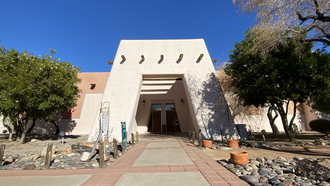
Clark County Museum
A 30-acre heritage site in nearby Henderson featuring relocated historic buildings from across Southern Nevada, including a print shop, a 1930s-era neighborhood, and mining-era structures. Exhibits trace the region's transformation from mining and railroad outpost to modern metropolis, with a strong focus on everyday domestic life rather than the casino industry.
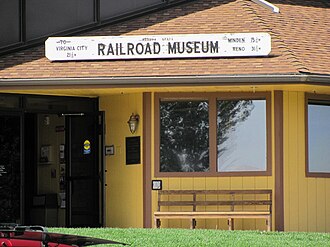
Nevada State Railroad Museum
Preserves the rolling stock of the Las Vegas and Tonopah Railroad, whose original 1905 route effectively founded the townsite that became modern Las Vegas. Restored steam and diesel locomotives, vintage passenger cars, and periodic train rides bring the region's railroad-driven origins to life for visitors and rail enthusiasts alike.
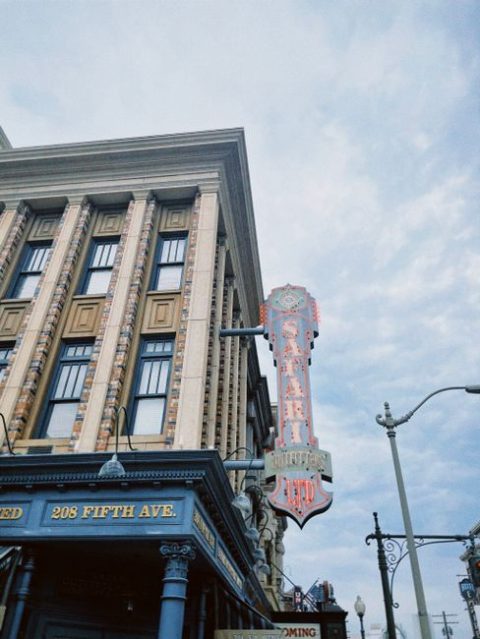
Historic Fifth Street School
Las Vegas's oldest surviving school building, a 1936 Spanish Colonial Revival structure now restored as a cultural center and event space in the Arts District. The building's careful restoration preserved original details while adapting the interior for exhibitions, making it a small but meaningful anchor for the surrounding downtown arts community.
Tips for Ancient & Historical Sites
- These sites sit outside the Strip - a rental car or rideshare is the practical way to reach them
- Combine the Mormon Fort with downtown/Fremont Street - they're a short drive apart
- Nevada State Railroad Museum is in Boulder City, en route to Hoover Dam - easy to combine with that day trip
- Free or low-cost entry at most of these sites compared to Strip attractions
Las Vegas has two defining thoroughfares - the glittering resort corridor of the Strip and the older, scrappier neon canopy of Fremont Street - each with a distinct personality and its own crowd.
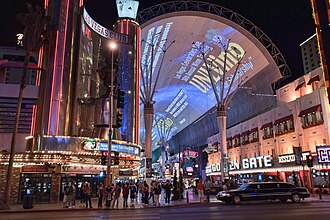
Fremont Street Experience
A pedestrian mall covering five historic downtown blocks under a massive LED canopy that runs synchronized light-and-music shows every hour after dark. Street performers, live music stages, and classic casinos like the Golden Nugget line the route, giving Fremont Street a grittier, more local energy than the resort-corporate Strip a few miles south.
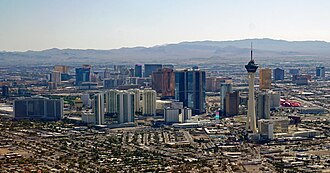
The Las Vegas Strip
The 4.2-mile stretch of Las Vegas Boulevard lined with the world's largest resort-casinos, each competing to out-build the next with themed architecture spanning ancient Rome, Venice, Paris, and New York. Walking the full Strip end to end is a genuine full-day undertaking, but a shorter core stretch between Bellagio and the Cosmopolitan covers most of the iconic photo stops.
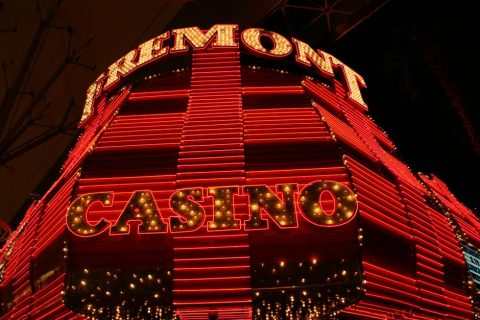
Fremont East Entertainment District
The area just east of the Fremont Street canopy, packed with craft cocktail bars, live music venues, and street art that give downtown a younger, more independent feel than either the Strip or the older casino blocks. It's the neighborhood locals are most likely to recommend for a night out away from tourist crowds.
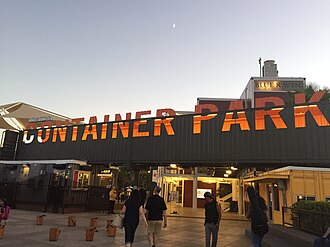
Downtown Container Park
An open-air shopping and dining complex built from repurposed shipping containers, anchored by a giant fire-breathing praying mantis sculpture and a treehouse playground for kids. Independent boutiques, food stalls, and a small stage for live music make it a distinctly non-corporate contrast to Strip shopping malls, just a block from Fremont Street.
Tips for Squares & Streets
- The Strip and Fremont Street are about 4 miles apart - rideshare, monorail, or the free Downtown Loop connect them, not a walk
- Fremont Street's light shows run on the hour after dark - time your visit accordingly
- Wear comfortable shoes - Strip resorts are enormous, and walking between them takes longer than it looks on a map
- Both areas are walkable and generally safe, but stay alert at night as in any major tourist district
Beyond the Strip and Fremont Street, Las Vegas has real, lived-in neighborhoods with their own dining scenes, arts communities, and suburban comforts - a side of the city most visitors never see but locals rely on.
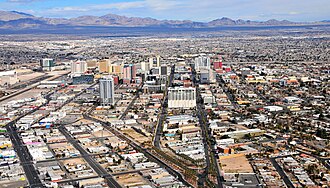
Downtown Las Vegas
The city's original core, anchored by Fremont Street but extending into government buildings, older casinos, and a growing wave of independent restaurants and bars. Downtown has undergone significant revitalization in the past decade, driven partly by tech investment, and now offers a genuinely walkable urban district distinct from the resort-corridor feel of the Strip.
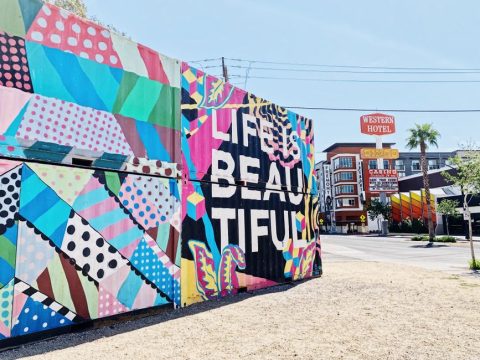
Arts District (18b)
A compact gallery and studio district just south of downtown, named for its 18 original blocks, now filled with independent art galleries, vintage shops, and coffee roasters. The neighborhood's monthly First Friday event turns the streets into an open-air festival with live art, music, and food vendors, drawing a distinctly local crowd.
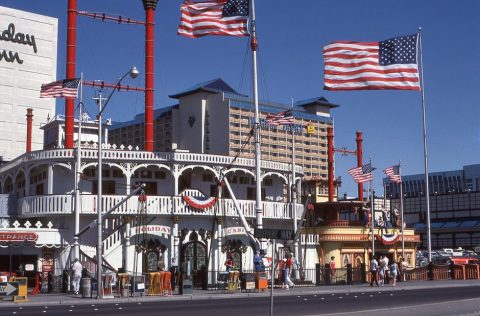
Chinatown Las Vegas
A sprawling stretch of Spring Mountain Road packed with authentic Chinese, Vietnamese, Korean, Japanese, and Filipino restaurants, alongside Asian grocery stores and strip-mall dessert shops. Despite the name, the district represents pan-Asian cuisine broadly and has become one of the most consistently recommended food destinations in the city, just west of the Strip.
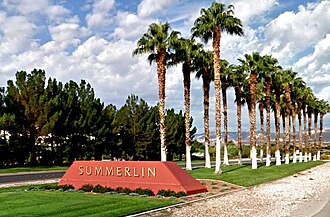
Summerlin
A large, well-planned suburban community on the western edge of the valley, closest to Red Rock Canyon and known for its upscale outdoor mall, Downtown Summerlin, and extensive walking trails. It's a good base for travelers wanting to combine city amenities with easy access to hiking and desert scenery without staying directly on the Strip.
Tips for Neighborhoods & Districts
- Chinatown is best reached by car or rideshare - it's a few miles from the Strip along Spring Mountain Road
- First Friday in the Arts District is free and family-friendly, held monthly
- Summerlin makes a quieter, more affordable base for travelers prioritizing Red Rock Canyon over Strip nightlife
- Reservations recommended at the most popular Chinatown restaurants, especially weekend evenings
Just minutes from the casino floor, the Mojave Desert offers dramatic red-rock scenery and rare desert wetlands - a side of Las Vegas that surprises visitors who only expect the Strip.
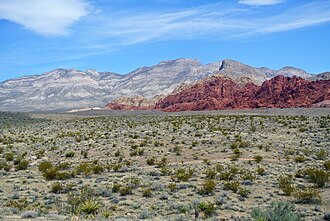
Red Rock Canyon National Conservation Area
A stunning expanse of red and cream sandstone formations just 20 minutes from the Strip, with a 13-mile scenic drive and trails ranging from easy overlooks to challenging canyon hikes. Rock climbers, cyclists, and photographers all flock here, and the visitor center offers excellent context on the geology and desert wildlife of the surrounding Mojave.
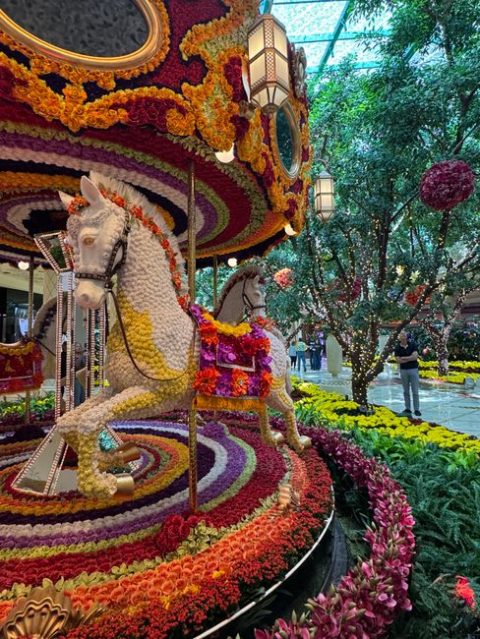
Bellagio Conservatory & Botanical Garden
A free indoor garden inside the Bellagio's lobby, completely redesigned five times a year around seasonal themes ranging from Chinese New Year to autumn harvest, using tens of thousands of live plants and flowers. The elaborate, ever-changing displays make it a worthwhile stop regardless of when you visit, and it's one of the few completely free experiences inside a Strip resort.
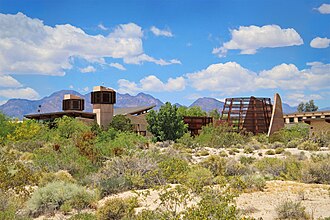
Springs Preserve
A 180-acre cultural and botanical site built around the natural springs that first drew settlers to the Las Vegas Valley, combining walking trails, desert gardens, and interactive museum exhibits on the region's ecology and history. It's a rare spot in the city genuinely built around sustainability and native desert landscaping rather than imported spectacle.
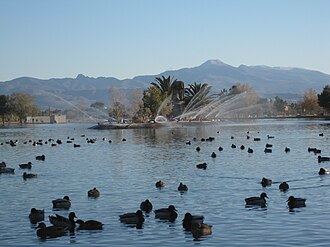
Sunset Park
A large municipal park with a lake, walking and biking trails, dog park, and picnic areas, popular with Las Vegas residents rather than tourists. It's a useful, unglamorous stop for travelers wanting a genuine local green space to decompress from casino floors and Strip crowds, particularly convenient for visitors staying near the airport.
Tips for Parks & Gardens
- Visit Red Rock Canyon early morning in summer - temperatures can exceed 100°F (38°C) by midday
- Timed entry passes for Red Rock's scenic drive are required during peak hours - check current requirements before visiting
- Bring more water than you think you need - the desert climate dehydrates faster than visitors expect
- Bellagio Conservatory is busiest midday - early morning or late evening is quieter for photos
Las Vegas built an entire economy around spectacle and entertainment - world-class production shows, helicopter flights over natural wonders, and experiences engineered purely for a great story afterward.
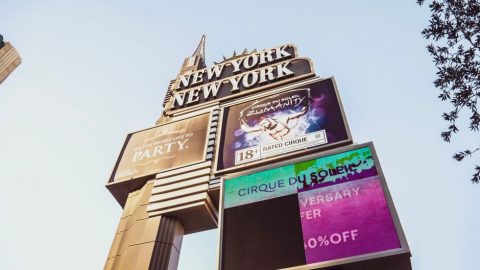
Cirque du Soleil Shows
Multiple permanent Cirque du Soleil productions run nightly across different Strip resorts, each with its own theme - from the aquatic spectacle of 'O' at the Bellagio to the Beatles-scored 'Love' at The Mirage. These large-scale acrobatic and theatrical productions are consistently rated among the best entertainment experiences in the city, justifying their premium ticket prices.
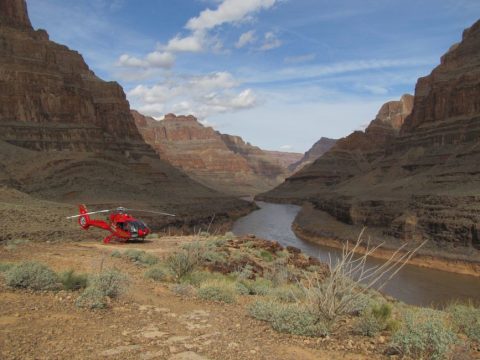
Grand Canyon Helicopter Tours
Helicopter flights departing from Las Vegas that reach the Grand Canyon's West Rim in about 45 minutes, with some tours including a landing on the canyon floor near the Colorado River for a champagne toast. Far faster than a full-day ground excursion, this is the most popular way for time-limited visitors to see the canyon during a Vegas trip.
SlotZilla Zipline
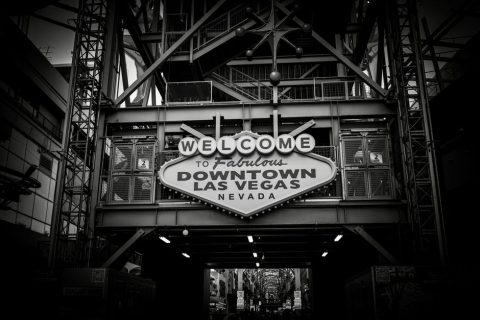
A dual zipline suspended above the Fremont Street canopy, with two ride options - a seated line for a quick pass, or the higher, faster 'Superhero' zoom line flying visitors face-down over the crowds below for several blocks. It's a distinctly Vegas way to experience Fremont Street's light canopy from above.
Casino Gaming Lessons
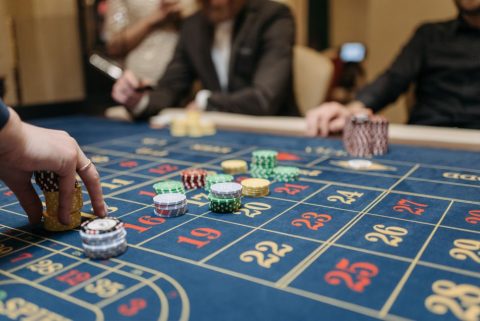
Free or low-cost lessons offered by several Strip casinos teaching the basics of blackjack, craps, roulette, and poker to first-time players, typically held at off-peak hours on low-stakes tables. A practical, low-pressure way to learn table games before risking real money on the main casino floor.
Vegas Food & Cocktail Tours
Guided walking tours through Strip resorts or downtown, sampling signature dishes and cocktails from multiple restaurants and bars in a single outing, with commentary on the city's celebrity-chef dining scene. A useful way to sample high-end Vegas restaurants without committing to a single full-price tasting menu.
Tips for Tours & Activities
- Book Cirque du Soleil tickets in advance - popular shows and prime evening slots sell out, especially weekends
- Helicopter tours can be canceled for weather - build a buffer day into your itinerary if this is a priority
- Ask hosts about comped gaming lessons - many casinos offer them free during slower afternoon hours
- Food tours require walking between venues - wear comfortable shoes and pace your eating
Las Vegas sits within striking distance of some of America's most dramatic landscapes - canyons, dams, and national parks that make for unforgettable full-day escapes from the Strip.
Hoover Dam & Lake Mead
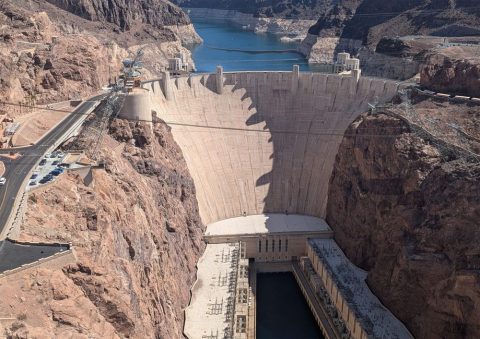
An Art Deco engineering marvel completed in 1936, still one of the tallest concrete dams in the world, holding back the waters of Lake Mead, the largest reservoir in the United States. Guided tours descend into the dam's power plant and tunnels, and the drive there along US-93 crosses the dramatic Mike O'Callaghan-Pat Tillman Memorial Bridge with its own overlook.
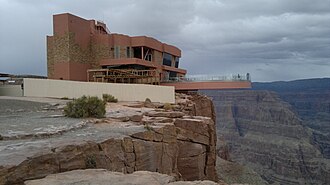
Grand Canyon West (Skywalk)
The closest section of the Grand Canyon to Las Vegas, roughly 2.5 hours by road, managed by the Hualapai Tribe and home to the glass-bottomed Skywalk extending 70 feet over the canyon rim. While not part of Grand Canyon National Park itself, it offers dramatic canyon views and is the most time-efficient full ground day trip from the city.
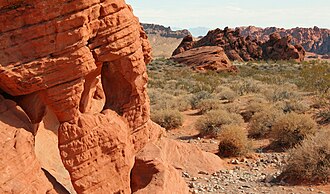
Valley of Fire State Park
Nevada's oldest state park, about an hour northeast of Las Vegas, named for its brilliant red Aztec sandstone formations that appear to glow at sunrise and sunset. Short, well-marked trails lead to ancient petroglyphs, natural arches, and slot canyons, making it one of the most photogenic and accessible desert landscapes near the city.
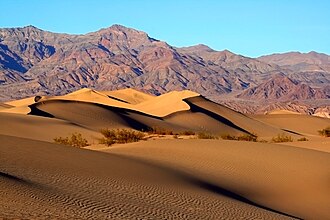
Death Valley National Park
The hottest, driest, and lowest national park in North America, about a 2-hour drive from Las Vegas, featuring otherworldly landscapes from the salt flats of Badwater Basin (the lowest point in the US) to the colorful hills of Zabriskie Point. Best visited October through April - summer temperatures regularly exceed 120°F (49°C) and can be genuinely dangerous.
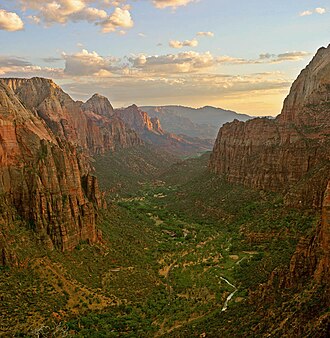
Zion National Park
A roughly 2.5-hour drive into Utah, Zion's towering sandstone cliffs and the Virgin River carve some of the most dramatic canyon scenery in the American Southwest. Popular hikes include the strenuous Angels Landing (permit required) and the wade-through-the-river Narrows, making it a rewarding but full-day-plus commitment best suited to travelers with an extra day to spare.
Tips for Day Trips & Excursions
- Rent a car or book a guided tour - none of these destinations are reachable by public transit
- Start early - most of these drives plus time on-site fill a full day, especially Zion and Death Valley
- Carry extra water and check weather - flash flooding and extreme heat are real risks in this desert terrain
- Hoover Dam and Valley of Fire can be combined into one long day if time is limited
Las Vegas has no traditional European-style Christmas market, but the city leans hard into holiday spectacle with dazzling light displays, an outdoor ice rink, and charity-run winter wonderlands. Visitors in December 2026 can expect twinkling desert gardens, festive vendor booths, and family-friendly light shows across the valley from late November through early January 2027.

Downtown Summerlin Holiday Market and Ice Rink
The closest thing Las Vegas has to a proper Christmas market, Downtown Summerlin transforms its open-air promenade into a festive village each winter. Expect a seasonal outdoor ice-skating rink, a towering lit tree, weekend vendor stalls selling crafts and holiday treats, and occasional visits from Santa for photos. Strings of lights wrap the trees and storefronts along the walkway, and nearby restaurants offer patio seating so shoppers can warm up with cocoa or mulled cider between laps on the ice. It runs from mid-November 2026 through early January 2027, with the rink open nightly and extended hours on weekends. Families, couples, and locals alike treat it as a low-key alternative to the Strip during the holiday season, and it is completely free to browse even if you skip the skating.
Magical Forest at Opportunity Village
A beloved Las Vegas tradition since 1993, the Magical Forest is a charity-run holiday wonderland benefiting Opportunity Village, a nonprofit serving people with intellectual disabilities. The grounds feature over a million lights strung through a man-made forest, a miniature train ride, carnival games, a tubing hill, and nightly entertainment. Kids can meet Santa in his workshop while parents browse hot cocoa and snack stands scattered along the path. It typically opens in late November 2026 and runs nightly through early January 2027, closing on Christmas Eve and reopening after. Tickets are inexpensive and proceeds go directly to the charity, making it one of the most feel-good holiday outings in the city. Expect crowds on weekends, so early evening visits midweek are more relaxed.
Ethel M Chocolates Cactus Garden Holiday Lights
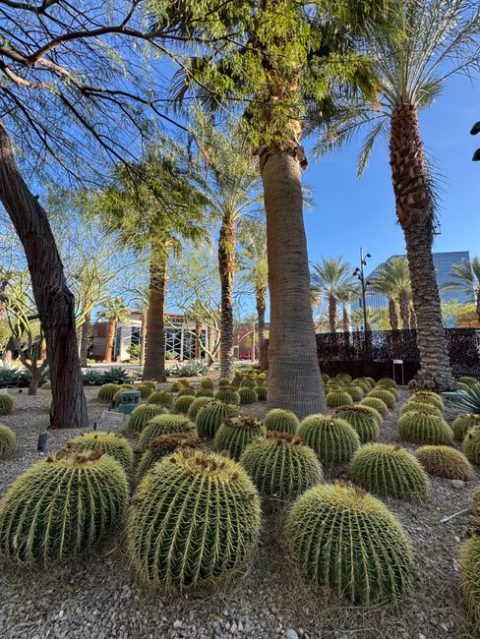
Just outside the city in Henderson, the Ethel M Chocolates Cactus Garden becomes one of the region's prettiest free holiday attractions each winter. Over 500 species of cacti and desert plants are strung with hundreds of thousands of twinkling lights, creating a striking contrast between spiky desert flora and festive sparkle. The display is free to walk through and pairs naturally with a stop inside the adjoining Ethel M factory shop for chocolate tastings and hot cocoa. Lights typically switch on right after Thanksgiving in late November 2026 and stay lit nightly through early January 2027. It is a quieter, more romantic alternative to the bigger holiday events on the Strip, and photographers love it for evening shots. Plan for a short but memorable stop, especially if combining it with other Henderson attractions.
Springs Preserve Season of Light
The Springs Preserve, a cultural and botanical site near downtown Las Vegas, hosts its annual Season of Light display each December, wrapping its trails, gardens, and historic structures in colorful lights. Visitors wander self-guided paths past illuminated desert landscaping, seasonal decor, and occasional live entertainment or food trucks on select nights. Because the Preserve sits on the site of the valley's original natural springs, the setting feels more nature-focused and less commercial than Strip-based events, appealing to families wanting a calmer evening out. The lights typically run on select evenings from early December 2026 through early January 2027, often paired with daytime access to the Preserve's museums and trails. It is a good half-day option for travelers wanting to see a different side of Las Vegas beyond the casino corridor.
Tips for Christmas Market
- Las Vegas has no German-style Christmas market, so plan around holiday light displays and the Downtown Summerlin ice rink instead.
- Book Magical Forest tickets online in advance, as weekend evenings sell out close to Christmas.
- Bring a light jacket after sunset, as December desert nights can drop into the 40s Fahrenheit even when days are mild.
- Combine Ethel M Cactus Garden with a Henderson day trip since it is a short visit on its own.
- Christmas Eve and Christmas Day hours vary or close entirely at some venues, so check each site directly before visiting.
Las Vegas turns into a different city after dark, with mega-clubs, speakeasies, and rooftop lounges drawing crowds until sunrise. From pounding EDM dance floors to intimate live-jazz rooms, the citys after-hours scene rivals its casinos as the main event.
Omnia Nightclub
Omnia at Caesars Palace is one of the Strips most spectacular mega-clubs, anchored by a massive kinetic chandelier that rises and dips over the main dance floor in sync with the music. Resident and headline DJs spin house, EDM, and hip-hop across multiple rooms, including a marble-clad room with rotating art installations and a rooftop terrace overlooking the Strip. The energy is relentless, with a top-tier sound system, laser shows, and a crowd that dresses to impress. Bottle service tables surround the floor for those wanting a VIP vantage point, while general admission still gets you close to the action. Arrive early or book ahead, as lines can stretch for hours on weekends. It is a quintessential Vegas clubbing experience, best enjoyed after 11pm when the room hits full stride.
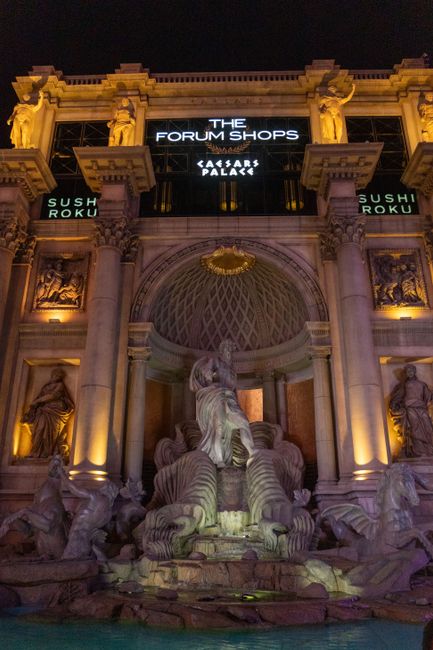
Fontana Bar
Perched on the lakeside terrace of the Bellagio, Fontana Bar offers a far more relaxed alternative to the Strips high-energy clubs. Live bands play jazz, soul, and pop covers most nights while guests sip craft cocktails on an open-air patio with a front-row view of the fountain show just steps away. It is a favorite for couples and small groups who want music and atmosphere without the cover charge or velvet-rope scene. The bar menu leans classic, with expertly made martinis and an approachable wine list. Seating fills quickly during fountain show times, so arriving a little before showtime is wise if you want a rail-side spot. The vibe is upscale but unpretentious, making it an easy stop for a nightcap or a pre-dinner drink while soaking in some of the best free entertainment on the Strip.
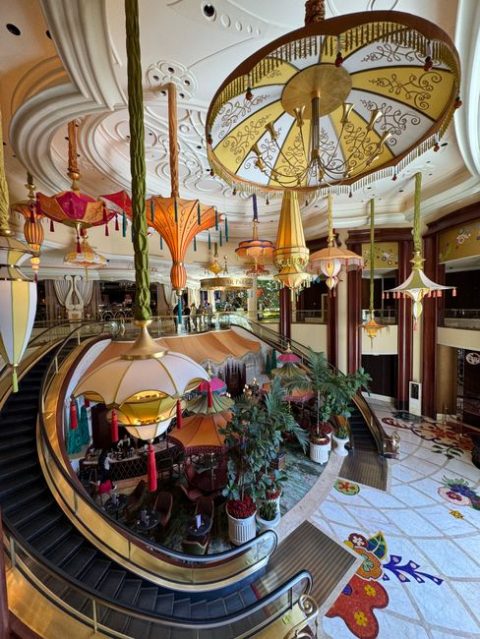
The Chandelier Bar
Tucked inside The Cosmopolitan, The Chandelier is a three-story cocktail bar built around a shimmering curtain of nearly two million crystal beads. Each level has its own personality: the ground floor buzzes with casino energy, the middle level (1.5) serves a secret, absinthe-inspired cocktail menu, and the top floor offers a quieter perch above the action. Bartenders craft inventive, ingredient-driven drinks that change seasonally, and the sheer visual spectacle of the space makes it a destination in its own right, not just a place to grab a drink. No cover charge and no reservations needed, though prime spots fill up fast on weekend nights. It is an ideal stop for travelers who want a uniquely Vegas atmosphere without committing to a full club experience, and photographs beautifully for anyone chasing that perfect nightlife shot.
Marquee Nightclub & Dayclub
At The Cosmopolitan, Marquee is a Vegas institution spanning a cavernous main room, an intimate Boombox Room for hip-hop and top-40, and an outdoor terrace with its own bar and dance floor. By day it transforms into a dayclub with a pool, cabanas, and daytime DJ sets that draw a lively sun-soaked crowd, while nights bring internationally known DJs and a packed dance floor under a striking video-wall ceiling. The scale of the production, from lighting rigs to pyrotechnics, is a step above many Strip clubs. Dress codes are enforced and lines can be long, so booking a table or getting on a guest list in advance saves considerable wait time. It suits visitors who want the full bottle-service, see-and-be-seen Vegas clubbing experience in one of the citys most talked-about venues.
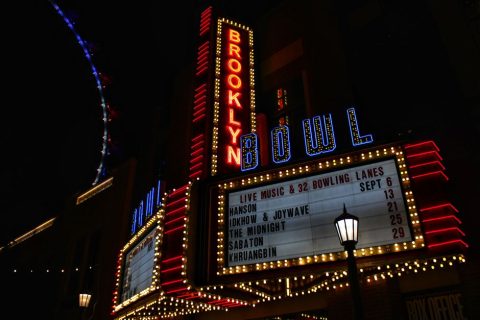
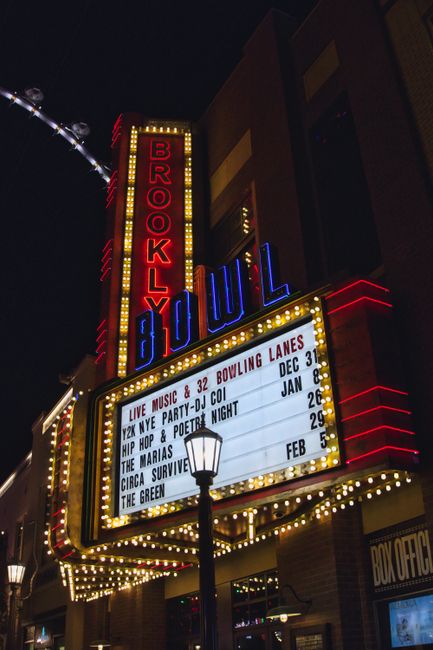
Brooklyn Bowl Las Vegas
Located at The LINQ Promenade, Brooklyn Bowl blends a full concert venue, 32-lane bowling alley, and Southern-inspired restaurant into one sprawling warehouse-style space. National touring acts and local bands play everything from indie rock to funk and hip-hop on a stage with excellent sound and sightlines, while bowlers can rent lanes even during live shows. The combination of bowling, food, and music gives it a looser, more communal feel than the Strips glossy dance clubs. Ticketed shows vary nightly, so checking the calendar ahead of a visit is worthwhile, though the bar and bowling areas often stay open without a ticket. It is a great pick for groups with mixed tastes, letting some members catch a set while others roll a few frames, all under one roof with genuinely great fried chicken on the side.
Tips for Nightlife & Entertainment
- Get on guest lists online before arriving to skip long entry lines and often waive cover charges
- Club dress codes typically ban sneakers, shorts, and sportswear for men — check requirements ahead
- Ladies often get discounted or free entry before a certain hour at most nightclubs
- Rooftop and lounge bars are a lower-cost, lower-hassle way to experience Strip nightlife without a cover
- Rideshare or taxi is safer and often faster than driving, since Strip parking and traffic get heavy after 10pm
Beyond the casino floors, Las Vegas has a genuinely fun side for families, with hands-on museums, indoor theme parks, and aquariums built for curious kids. Many are tucked inside Strip resorts, making it easy to mix a grown-up evening with a kid-friendly afternoon.
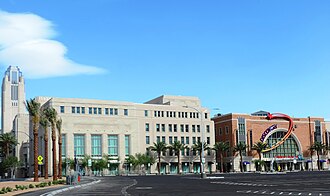
Discovery Children's Museum
This downtown museum is built entirely around hands-on play, with three floors of interactive exhibits covering science, art, and engineering. Kids can climb through The Summit, a nine-story tower of tunnels and slides, launch pretend rockets in the Toddler Town area, or experiment with water tables and a giant kinetic ball wall. Younger children gravitate toward the dedicated preschool zone, while older kids enjoy the sound studio and physics-based building exhibits. Staff regularly run scheduled demonstrations, and the museum stays comfortably air-conditioned, a welcome break from the summer heat. It sits right next to Springs Preserve and the Downtown area, making it easy to combine with other family stops. Strollers are welcome, and there is a small cafe on site for snacks. Plan for at least two hours, since most kids do not want to leave once they start exploring.
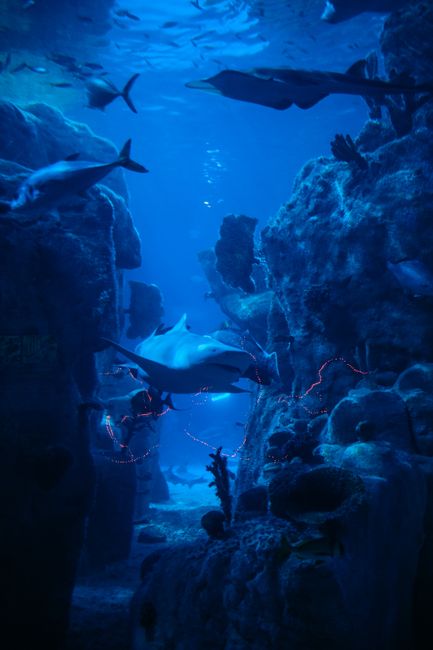
Shark Reef Aquarium at Mandalay Bay
Housed inside Mandalay Bay resort, this aquarium recreates a sunken temple environment where visitors walk through an acrylic tunnel surrounded by sharks, sea turtles, and golden crocodiles swimming overhead. The self-guided path moves through touch pools where kids can gently handle rays and small reef creatures under staff supervision, plus a jellyfish gallery lit in shifting colors. It is one of the few Strip attractions built specifically as an educational animal experience rather than a thrill ride, so it works well for a wide age range, including toddlers in strollers. The indoor, climate-controlled setting makes it a reliable choice on hot afternoons or when families need a quieter break from casino noise. Signage explains conservation efforts tied to each species, giving the visit some educational weight without feeling like a classroom. Expect a steady but unhurried pace through roughly a dozen themed zones.
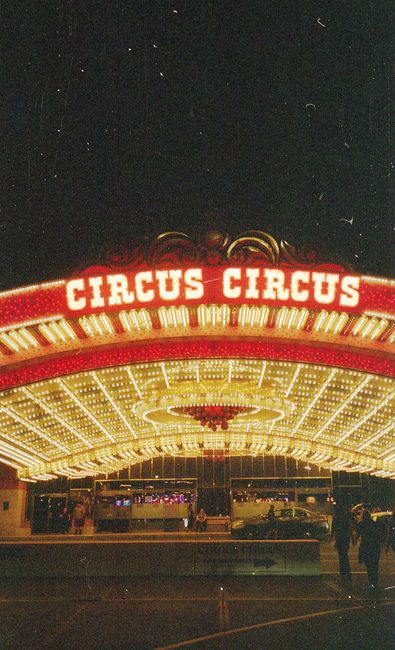
Adventuredome at Circus Circus
This glass-domed indoor amusement park sits behind Circus Circus and packs roller coasters, a log flume, bumper cars, and a classic carousel under one climate-controlled roof. The double-loop Canyon Blaster coaster is a highlight for older kids and thrill-seeking parents, while a separate soft-play area and gentler rides suit toddlers and younger children. Midway games, a 4D motion theater, and an arcade fill out the space, so families with kids of very different ages can each find something to do. Because it is fully enclosed, it is one of the few Vegas attractions unaffected by summer heat or occasional wind, and it stays open late into the evening. Pricing runs on a pay-per-ride or unlimited wristband model, so it is worth deciding in advance which suits your group. The circus-themed decor and free trapeze/acrobatic shows at Circus Circus above add extra entertainment value nearby.

SEA LIFE Aquarium at The LINQ
Tucked inside the LINQ Promenade near the High Roller, this compact aquarium walks visitors through themed zones representing local rivers, coral reefs, and open ocean habitats. A highlight is the 360-degree ocean tunnel where seahorses, rays, and reef fish glide overhead, along with a hands-on rock pool where kids can touch starfish and anemones with gentle guidance from staff. Because it sits along a pedestrian-only promenade lined with restaurants and shops, it is easy to fold into an afternoon of walking the LINQ area without needing a car. The scale is smaller than Mandalay Bay's aquarium, which actually makes it a better fit for toddlers or shorter attention spans. Interactive touchscreens throughout explain conservation topics in kid-friendly language. Combination tickets with the nearby High Roller wheel or Madame Tussauds can save money for families planning multiple stops in the same visit.
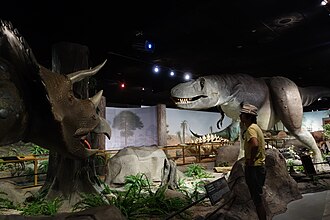
Las Vegas Natural History Museum
A short drive from Fremont Street, this modest but engaging museum covers everything from a roaring animatronic Tyrannosaurus rex in its dinosaur gallery to a wildlife safari room with African animal dioramas and a shark exhibit with a walk-through tank. A dedicated young explorers room offers puzzles, fossil rubbings, and gentle sensory activities suited to preschoolers, while a hands-on lab lets older kids examine real fossils and minerals. The museum is far less crowded than Strip attractions, making it a relaxed option for families who want a break from big crowds. It pairs naturally with a Downtown visit, since it sits close to the Fremont Street area and other historic sites. Admission is inexpensive relative to other Vegas family attractions, and the whole visit can comfortably fit into an hour or two. It is a solid rainy-day or extreme-heat backup option.
Tips for With Kids
- Indoor attractions like Adventuredome and the aquariums are the best options during summer heat, when Strip sidewalks can be unbearable for kids by midday.
- Buy timed tickets online in advance for Shark Reef and SEA LIFE to skip ticket lines, especially on weekends.
- Pair Discovery Children's Museum with a stop at Springs Preserve since they sit next to each other.
- Ask about combo tickets bundling the High Roller, SEA LIFE, and Madame Tussauds if visiting the LINQ Promenade with kids of different interests.
Las Vegas keeps a packed calendar of festivals, concert residencies, and seasonal celebrations that run alongside its casinos and shows. From desert spring food festivals to Strip-wide New Year fireworks, the city programs something new almost every month of 2026. Book hotels and tickets early since major dates overlap with convention season.
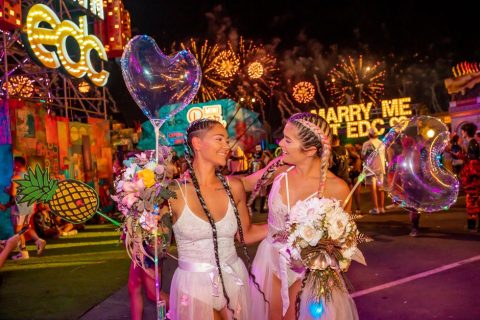
Life is Beautiful Music and Art Festival
Downtown Las Vegas transforms into a multi-block festival ground for Life is Beautiful, a three-day celebration of music, murals, and food trucks running from September 18 to September 20, 2026. Expect layered lineups across several outdoor stages, large-scale street art installations painted live by international artists, and a culinary village featuring Vegas chefs. The festival footprint covers the Fremont East Arts District, so wristband holders can wander between stages, bars, and pop-up galleries. Evenings close with headline sets while daytime hours lean toward local bands and interactive art. It is one of the few events that showcases Las Vegas beyond the casino floor, drawing a younger, design-conscious crowd. Advance tickets sell out, and single-day passes tend to disappear first for the Saturday lineup.
National Finals Rodeo
Every winter the National Finals Rodeo brings ten nights of championship roping, barrel racing, and bull riding to the Thomas and Mack Center, scheduled for December 3 to December 12, 2026. The event doubles as an unofficial cowboy takeover of the Strip, with western shops, trade shows, and themed bars filling nearby casinos for the full run. Competitors chase the richest purse in professional rodeo, and the arena atmosphere stays loud from the opening barrel to the final bull. Outside the arena, the NFR Cowboy Christmas gift show offers boots, art, and gear across a huge convention hall. Locals treat it as one of the biggest annual boosts to hotel occupancy. Seating is reserved and tends to sell out months ahead, so early booking is strongly advised for prime lower-bowl views.
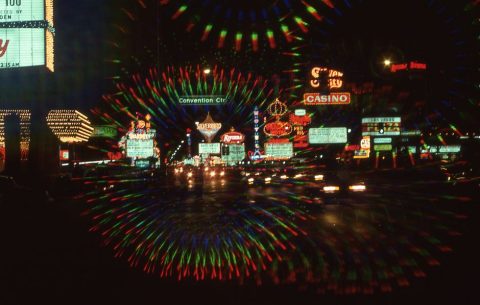
Las Vegas New Year Eve Fireworks on the Strip
On December 31, 2026, the Las Vegas Strip closes to traffic and becomes a pedestrian-only party for one of the largest fireworks displays in the country. At midnight, choreographed fireworks launch simultaneously from the rooftops of several Strip resorts, synchronized to a citywide soundtrack that can be heard from Sahara Avenue to Mandalay Bay. Crowds gather for hours beforehand, claiming sidewalk space near the Bellagio fountains and the Strip observation wheel for the best sightlines. Many hotels host their own rooftop or nightclub countdown parties as an alternative to the street crowds. The display typically runs about eight minutes and is visible from almost anywhere along the corridor. Arrive well before 10pm if aiming for a spot near the center Strip, since street closures begin early and re-entry is limited.
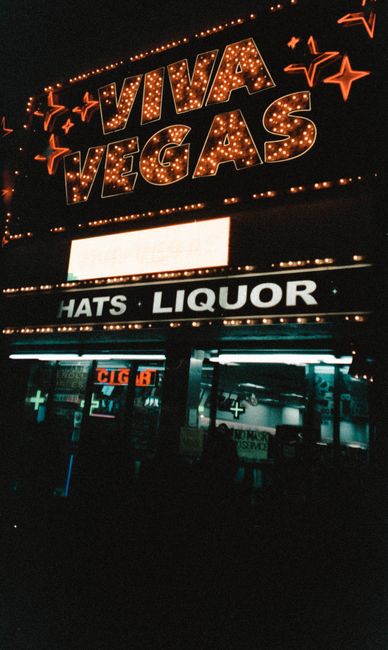
Viva Las Vegas Rockabilly Weekend
Held from April 2 to April 5, 2026, this rockabilly and vintage car festival fills the Plaza Hotel and downtown Las Vegas with 1950s-style fashion, hot rods, and live rockabilly bands. Attendees dress in full vintage regalia, and a massive classic car show lines the streets around Main Street Station, drawing collectors from across the country. Multiple ballrooms host dance competitions, pin-up contests, and live sets running well past midnight each night. A dedicated pool party stage keeps daytime energy high between car show hours. It is one of the largest gatherings of its kind worldwide and has grown into a fixture of the downtown spring calendar. Weekend passes cover most stages, though some late-night showcases require a separate ticket due to limited room capacity.
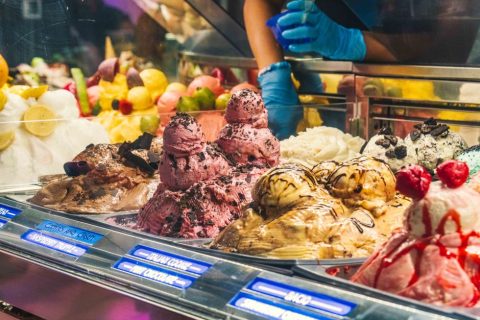
Great Italian Festival at Craig Ranch Park
Running October 10 to October 11, 2026, this two-day community festival at Craig Ranch Park in North Las Vegas celebrates Italian-American food, wine, and culture with dozens of vendor tents and a grape-stomping contest for kids and adults. Local restaurants serve pasta, pizza, and cannoli alongside imported olive oils and wines available for tasting. A main stage runs continuous entertainment, including opera performances, folk dancing troupes, and a bocce ball tournament open to walk-up entrants. The park setting keeps the event outdoors and family-friendly, with shaded seating areas and a dedicated kids zone. It draws a strong local crowd rather than tourists, offering a lower-key alternative to Strip-based festivals. Parking fills quickly on Saturday afternoon, so arriving early or using rideshare is recommended.
Tips for Events Calendar
- Book hotel rooms months ahead for NFR week and New Year Eve since rates spike citywide.
- Strip street closures for New Year Eve start early evening, so plan arrival and exit routes in advance.
- Festival wristbands and passes for Life is Beautiful and Viva Las Vegas often sell out before the event date.
- Check each event official site closer to 2026 for exact schedule updates, since dates can shift slightly year to year.
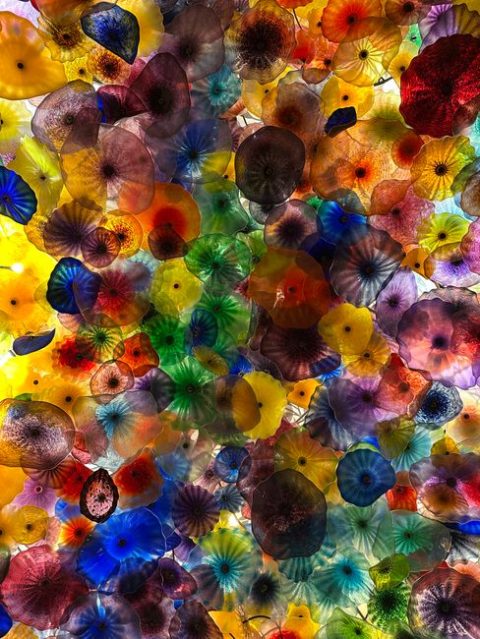

Real, highly-rated Restaurants in Las Vegas, sourced from Google Places (rating above 4★).
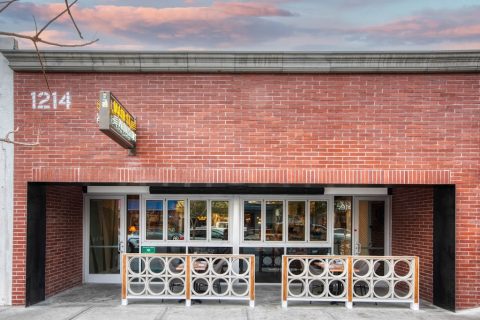
Main St. Provisions
Main St. Provisions is a highly-rated restaurant in Las Vegas, rated 4.8★ from 583 reviews. Located at 1214 S Main St, Las Vegas, NV 89104, USA.
Opening Hours
- Monday: 4:30 – 10:00 PM
- Tuesday: 4:30 – 10:00 PM
- Wednesday: 4:30 – 10:00 PM
- Thursday: 4:30 – 10:00 PM
- Friday: 4:30 – 10:00 PM
- Saturday: 4:00 – 10:00 PM
- Sunday: 4:00 – 9:00 PM
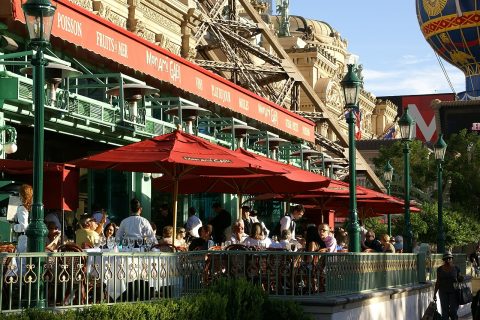
Mon Ami Gabi
Mon Ami Gabi is a highly-rated restaurant in Las Vegas, rated 4.7★ from 32663 reviews. Located at 3655 S Las Vegas Blvd South, Las Vegas, NV 89109, USA.
Opening Hours
- Monday: 7:00 AM – 10:00 PM
- Tuesday: 7:00 AM – 10:00 PM
- Wednesday: 7:00 AM – 10:00 PM
- Thursday: 7:00 AM – 10:00 PM
- Friday: 7:00 AM – 11:00 PM
- Saturday: 7:00 AM – 11:00 PM
- Sunday: 7:00 AM – 10:00 PM
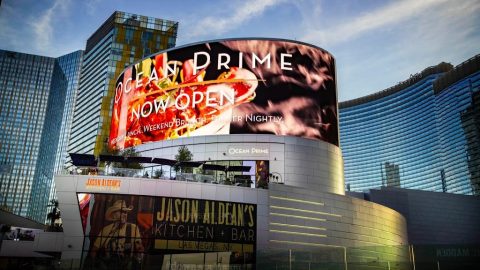
Ocean Prime Las Vegas
Ocean Prime Las Vegas is a highly-rated restaurant in Las Vegas, rated 4.7★ from 1093 reviews. Located at 3716 S Las Vegas Blvd #401, Las Vegas, NV 89158, USA.
Opening Hours
- Monday: 11:30 AM – 10:00 PM
- Tuesday: 11:30 AM – 10:00 PM
- Wednesday: 11:30 AM – 10:00 PM
- Thursday: 11:30 AM – 10:00 PM
- Friday: 11:30 AM – 11:00 PM
- Saturday: 12:00 – 11:00 PM
- Sunday: 12:00 – 10:00 PM
Explore Las Vegas on the Map
Seasonal Guide to Las Vegas
Spring (March-May): Widely considered the best season to visit - warm, dry days (20-30°C) without the extreme summer heat, ideal for both Strip exploring and desert day trips like Red Rock Canyon and Valley of Fire. Spring break weeks bring bigger crowds and higher hotel rates.
Summer (June-August): Brutally hot, with daytime highs regularly exceeding 40°C and sometimes topping 45°C. Pool culture and air-conditioned casinos make the heat manageable if you plan around it, and hotel rates can actually be lower midweek due to reduced demand, but outdoor day trips (Death Valley especially) require serious caution.
Autumn (September-November): Temperatures cool back into the comfortable 20-30°C range by October, crowds thin after Labor Day, and it's an excellent window for hiking and canyon day trips before winter. A strong second choice to spring.
Winter (December-February): Mild by most standards (10-18°C daytime) but noticeably cooler at night, occasionally near freezing. New Year's Eve on the Strip is one of the busiest, most expensive nights of the year; outside of that, winter offers the lowest hotel rates and thinnest crowds.
Getting Around Las Vegas
Arriving in Las Vegas
By Air: Harry Reid International Airport (LAS) sits just minutes from the south end of the Strip, with extensive domestic and growing international service. It's one of the most conveniently located major airports to its city center in the US.
On the Strip
Walking: The most common way to move between adjacent resorts, though distances are deceptively large - what looks like a short walk on a map can take 15-20 minutes given resort size and pedestrian bridge routing.
Las Vegas Monorail: Runs along the east side of the Strip connecting several major resorts, useful for longer hops without a car, though it doesn't reach every property directly.
Rideshare & Taxis: Uber, Lyft, and taxis are widely available and often the fastest way to cover longer Strip distances or reach downtown/Fremont Street.
Beyond the Strip
Rental Cars: Essential for day trips to Red Rock Canyon, Hoover Dam, Valley of Fire, or the national parks - none of these are realistically reachable by public transit or a short rideshare.
RTC Buses: The SDX route was eliminated; the Deuce serves the Strip and downtown, though they can be slow during peak traffic.
✈️ Airport Transfer
Harry Reid International Airport (LAS) to city center:
- RTC Deuce Bus: 24-hour double-decker bus to the Strip in about 20-30 minutes, $8 one-way
- Rideshare (Uber/Lyft): Pickup from Terminal 1 or 3 to the Strip in 10-20 minutes, typically $15-25
- Taxi: Airport-to-Strip taxi trips have flat zone fares, currently $21.25–$29.25.
- Private transfer: Pre-booked sedan or SUV direct to your hotel in 15-25 minutes, around $50-70
Shopping & Souvenirs
What to Buy
Neon & Vegas Memorabilia: Vintage-style neon signs, casino chips, and playing cards from Strip gift shops and the Neon Museum's own store make distinctive, unmistakably Vegas souvenirs.
Designer Fashion: The Strip hosts flagship stores for major luxury and contemporary fashion brands, concentrated in resort shopping centers like the Forum Shops and Crystals.
Local Food Products: Nevada-made hot sauces, prickly pear products, and desert-themed specialty foods available at Downtown Container Park vendors and local markets.
Where to Shop
The Forum Shops at Caesars Palace: A themed shopping mall with Roman-inspired architecture, ceiling that simulates a changing sky, and a strong mix of luxury and mainstream retailers.
Crystals at CityCenter: An architecturally striking, high-end shopping destination focused on top-tier luxury brands.
Downtown Container Park: The best spot for independent, locally made goods rather than chain retail.
The outlets are at 875 S Grand Central Parkway, near downtown; they are not downtown, useful for lower prices on major brands.
Festivals & Annual Events
Major Events
New Year's Eve on the Strip: One of the largest fireworks and street-party celebrations in the country, with several blocks of Las Vegas Boulevard closed to traffic for pedestrian-only celebration. Hotel rates spike dramatically and crowds are intense.
Electric Daisy Carnival - EDC (May): A massive multi-day electronic music festival held at the Las Vegas Motor Speedway, drawing hundreds of thousands of attendees and effectively taking over the city's nightlife scene for the weekend.
First Friday (Arts District, monthly): A free, family-friendly street festival with live art, music, and food trucks held on the first Friday of each month in the 18b Arts District.
National Finals Rodeo - NFR (December): A major professional rodeo championship that fills Strip hotels and brings a distinct Western crowd to the city for ten days.
Sports & Conventions
CES (January): One of the world's largest consumer electronics trade shows, filling hotels and driving up rates citywide for the week.
Formula 1 Las Vegas Grand Prix (November): A night race run partly along the Strip itself, closing sections of Las Vegas Boulevard and drawing a global motorsport crowd.
Sample Day Itineraries
Day 1: The Strip's Greatest Hits
Morning (10:00-13:00): Start at the Bellagio Conservatory, then walk south past Caesars Palace (Forum Shops) toward Paris Las Vegas.
Lunch (13:00-14:30): Casual lunch at one of the Strip's food halls.
Afternoon (14:30-18:00): Ride the Eiffel Tower Experience or High Roller for panoramic views; browse the Cosmopolitan and CityCenter's Crystals.
Evening (18:00+): Catch a Bellagio Fountains show at sunset, then dinner and a Cirque du Soleil performance.
Day 2: Downtown & History
Morning (9:00-12:00): Visit the Mob Museum, then walk to Fremont Street for Downtown Container Park.
Lunch (12:00-13:30): Lunch downtown or a short rideshare to Chinatown.
Afternoon (13:30-17:00): Neon Museum tour, then Old Las Vegas Mormon Fort if time allows.
Evening (18:00+): Return to Fremont Street for the light canopy show and SlotZilla zipline.
Day 3: Desert Day Trip
Morning (7:00-12:00): Drive to Hoover Dam for a tour, continuing to Valley of Fire State Park.
Lunch: Picnic or a stop in Boulder City en route.
Afternoon (12:00-17:00): Explore Valley of Fire's trails and petroglyphs, or substitute a full-day Grand Canyon West helicopter tour.
Evening: Return to the Strip for dinner and relax after a full day outdoors.
Day 4: Red Rock & Local Vegas
Morning (8:00-12:00): Red Rock Canyon's scenic drive and a short hike.
Lunch (12:00-13:30): Lunch in Summerlin.
Afternoon (13:30-17:00): Explore the Arts District galleries or Pinball Hall of Fame.
Evening: Casino gaming lesson followed by a food and cocktail tour.
Best Photography Locations
Iconic Landmarks
Welcome to Fabulous Las Vegas Sign: The classic Vegas photo. Best time: Early morning for shorter lines, or after dark when the neon glows fully.
Bellagio Fountains: Water arcs against the Strip skyline. Best time: Dusk shows, when the sky still has color but lights are on.
Elevated Views
High Roller or Eiffel Tower Experience: Sweeping Strip panoramas. Best time: Golden hour into blue hour, capturing both daylight and lit-up neon.
The STRAT Tower: 360-degree views including the desert mountains beyond the Strip. Best time: Clear days for maximum visibility.
Neon & Nightlife
Fremont Street Canopy: The LED ceiling and street performers. Best time: After dark during an hourly light show.
Neon Museum Boneyard: Vintage signage at night tours, some relit for photos. Best time: Night tours specifically - daytime visits miss the illuminated effect.
Desert Landscapes
Valley of Fire's Fire Wave: Striped red sandstone formations. Best time: Sunrise or sunset for the most saturated color.
Red Rock Canyon Scenic Overlooks: Layered sandstone cliffs. Best time: Late afternoon for warm side-lighting on the rock.
- Tripods are often restricted inside casinos - check with security before setting up
- Desert light is harsh at midday - early morning and late afternoon give far better color
- Bring a polarizing filter for red-rock landscapes to cut glare and boost color saturation
- Battery life drops faster in summer heat - keep spares in shade or an insulated bag
Electricity & Adapters
Voltage: The United States uses 120V, 60Hz.
Plug Type: Type A and Type B (flat parallel pins, Type B adds a grounding pin), standard across North America.
Adapters Needed:
- UK travelers: Yes - UK uses Type G, 230V
- EU travelers: Yes - continental Europe uses Type C/F, 230V
- Australia/NZ travelers: Yes - Australasia uses Type I, 230V
- Canada travelers: No adapter needed - same plug type and voltage
Voltage Converters: Most modern electronics (phones, laptops, cameras) are dual-voltage (100-240V) and only need a plug adapter, not a converter. Hair dryers and straighteners from 230V countries may need a voltage converter.
Where to Buy: Adapters available at the airport, drugstores (CVS, Walgreens), and most hotel gift shops on the Strip, though at a markup - cheaper to bring one from home.
Las Vegas Cuisine
Must-Try Experiences
Celebrity Chef Restaurants: The Strip hosts outposts from Gordon Ramsay, Wolfgang Puck, Joël Robuchon, and dozens of other internationally known chefs, making it one of the highest concentrations of celebrity dining anywhere in the world.
Buffets: Once a Vegas signature (and still worth doing once), high-end buffets like the Bacchanal at Caesars Palace offer an enormous range of cuisines in one sitting, at a correspondingly premium price.
24-Hour Dining: True to the city's round-the-clock culture, many casino restaurants and diners never close - useful after a late show or long night.
Local Specialties
Chinatown's Pan-Asian Food Scene: Widely regarded as some of the best value, most authentic dining in the city, well outside the Strip's price bracket.
Craft Cocktails: Las Vegas has a serious mixology scene, particularly downtown and in Fremont East, alongside the flashier Strip lounge culture.
In-N-Out & Local Chains: A quintessential quick, affordable West Coast burger stop, with several locations around the valley.
Dining Tips
Reservations: Book high-end Strip restaurants well ahead, especially for weekend dinners - many require reservations weeks in advance during peak periods.
Resort Fees: Many hotels add daily resort fees covering amenities like WiFi and pool access - factor this into your dining/entertainment budget.
Tipping: 18-20% standard at restaurants; tipping dealers, bartenders, and housekeeping is customary and expected throughout Vegas hospitality.
Where to Eat
On the Strip: Bacchanal Buffet (Caesars Palace), Gordon Ramsay Hell's Kitchen (Caesars Palace), Joël Robuchon (MGM Grand).
Downtown: eat. (Fremont East), various food stalls at Downtown Container Park.
Chinatown: Numerous highly rated, locally loved spots along Spring Mountain Road.
Where to Stay in Las Vegas
Downtown Las Vegas suits budget travelers and first-time visitors chasing old-school neon and cheaper rooms along Fremont Street, with easy access to casinos, live music, and walkable bars.
Arts District (18b) is a great pick for travelers who want nightlife without the megaresort price tag, offering craft cocktail bars, galleries, and live shows a short rideshare from the Strip.
- Chinatown Las Vegas: ideal for families and food-focused visitors who want authentic dining, supermarkets, and a quieter, more local pace away from casino crowds.
- Summerlin: best for business travelers and families seeking upscale suburban hotels, golf courses, and shopping centers, with a calmer atmosphere and quick freeway access into the city.
For first-time visitors wanting the classic experience, staying near the Strip itself (bordering Downtown or the Arts District) keeps major attractions within walking distance, while Summerlin or Chinatown work well for anyone prioritizing rest, value, or business meetings over casino proximity.
Is Las Vegas Worth Visiting?
Yes — Las Vegas delivers an entertainment density unmatched almost anywhere else on earth, from the neon spectacle of the Strip to world-class shows and dining that draw visitors year-round.
- Unrivaled entertainment: Residencies by top musicians, Cirque du Soleil productions, and celebrity chef restaurants mean there is always something new happening, even for repeat visitors.
- Surprising natural beauty nearby: Just outside the city, dramatic red-rock canyons and national parks like Red Rock Canyon and Valley of Fire offer hiking, scenic drives, and stunning desert landscapes that contrast sharply with the Strip.
- Something for every budget and travel style: Whether it is a high-roller casino weekend, a family trip to see the fountains and free attractions, or a quick day-trip base for exploring the Mojave Desert, the city adapts easily.
For travelers seeking a mix of nonstop entertainment and dramatic desert scenery within easy reach, 2026 remains a great time to plan a Las Vegas visit, especially with new resort openings and refreshed shows keeping the Strip feeling current.
Las Vegas Travel Budget
Las Vegas can flex from casino-comp cheap to five-star splurge, and daily costs depend heavily on which nights you visit and which resort you book. Figures below are per person, per day, in US dollars.
- Budget ($90-140/day): Off-Strip motel or hostel bed $35-60, food from casino food courts and buffets $30-40, RTC bus day pass around $8, and free entertainment like the Bellagio Fountains and Fremont Street Experience.
- Mid-range ($220-380/day): A 3-4 star Strip hotel room $130-220, sit-down meals plus a casual buffet $60-90, rideshare or monorail rides around $25, and one paid attraction such as the High Roller observation wheel or a mid-tier show ticket, roughly $60-100.
- Luxury ($600-1200+/day): Suite at a flagship resort like Bellagio or The Venetian $400-800, fine dining at celebrity-chef restaurants $150-250, private car transfers $60-100, and premium experiences such as a headline residency show, a helicopter tour over the Strip, or a VIP nightclub table $200-500.
Tip: resort fees of roughly $40-55 per night are usually added on top of the quoted room rate, and Strip parking is often no longer free, so budget an extra $15-25 daily if driving.
Tourist Passes
Go City Las Vegas Pass
A bundled attraction pass covering entry to the High Roller, STRAT Tower, Neon Museum, and dozens of other paid attractions, sold as either an all-inclusive pass (fixed number of days) or a build-your-own pass. Worthwhile for visitors planning to hit 4+ paid attractions during their stay.
Las Vegas Monorail Passes
1-day, 3-day, and multi-day unlimited-ride passes for the Strip monorail, useful for visitors staying at connected resorts and wanting to skip Strip-corridor traffic during peak hours.
Neon Museum Combo Tickets
The Neon Museum periodically offers combination tickets bundling standard boneyard entry with special night tours or nearby attraction discounts - check current offers directly with the museum before your visit.
www.neonmuseum.orgMore about Las Vegas
Photo credits (60)
- Welcome to Fabulous Las Vegas Sign: photo by Thomas Wolf, www.foto-tw.de, CC BY-SA 3.0, via Wikimedia Commons
- Bellagio Fountains: photo by Kashyap Hosdurga, CC BY 2.0, via Wikimedia Commons
- Eiffel Tower Experience (Paris Las Vegas): photo by Jürgen Matern, CC BY-SA 3.0, via Wikimedia Commons
- The STRAT Tower: photo by Keith Pomakis, CC BY-SA 2.5, via Wikimedia Commons
- High Roller Observation Wheel: photo by Fubaz, CC BY-SA 3.0, via Wikimedia Commons
- The Mob Museum: photo by Wtstoffs, CC BY-SA 3.0, via Wikimedia Commons
- Neon Museum: photo by APK, CC BY-SA 4.0, via Wikimedia Commons
- Bellagio Gallery of Fine Art: photo by David Shane, CC BY 2.0, via Wikimedia Commons
- Pinball Hall of Fame: photo by Driph, CC BY-SA 3.0, via Wikimedia Commons
- National Atomic Testing Museum: photo by Photo by zzyzx, CC BY-SA 3.0, via Wikimedia Commons
- A Little White Wedding Chapel: photo by Larry D. Moore, CC BY 4.0, via Wikimedia Commons
- Guardian Angel Cathedral: photo by Carol M. Highsmith, Public domain, via Wikimedia Commons
- Graceland Wedding Chapel: photo by Llaxina, CC BY-SA 4.0, via Wikimedia Commons
- Chapel of the Flowers: photo by Henrickson (talk) (Uploads), CC BY-SA 3.0, via Wikimedia Commons
- Old Las Vegas Mormon Fort State Historic Park: photo by Jrozwado, CC BY-SA 4.0, via Wikimedia Commons
- Clark County Museum: photo by Ron Mader, CC BY-SA 2.0, via Wikimedia Commons
- Nevada State Railroad Museum: photo by Barbmathers, CC BY-SA 3.0, via Wikimedia Commons
- Historic Fifth Street School: photo by Ron Mader, CC BY-SA 4.0, via Wikimedia Commons
- Fremont Street Experience: photo by Jean-Christophe BENOIST, CC BY 3.0, via Wikimedia Commons
- The Las Vegas Strip: photo by Mariordo (Mario Roberto Durán Ortiz), CC BY-SA 4.0, via Wikimedia Commons
- Fremont East Entertainment District: photo by Ken Lund, CC BY-SA 2.0, via Wikimedia Commons
- Downtown Container Park: photo by Lahti213, CC BY-SA 4.0, via Wikimedia Commons
- Downtown Las Vegas: photo by Mike McBey, CC BY 2.0, via Wikimedia Commons
- Arts District (18b): photo by ClearLight602, CC BY-SA 4.0, via Wikimedia Commons
- Chinatown Las Vegas: photo by Derek Jensen (Tysto), Public domain, via Wikimedia Commons
- Summerlin: photo by Rsilva13, CC BY-SA 4.0, via Wikimedia Commons
- Red Rock Canyon National Conservation Area: photo by Wilson44691, CC0, via Wikimedia Commons
- Bellagio Conservatory & Botanical Garden: photo by Tomás Del Coro from Las Vegas, Nevada, USA, CC BY-SA 2.0, via Wikimedia Commons
- Springs Preserve: photo by Renee Grayson from Las Vegas, USA, CC BY 2.0, via Wikimedia Commons
- Sunset Park: photo by Neaco (talk), CC BY-SA 3.0, via Wikimedia Commons
- Cirque du Soleil Shows: photo by Michael Gray, CC BY-SA 2.0, via Wikimedia Commons
- Grand Canyon Helicopter Tours: photo by Carsten Tolkmit from Kiel, Germany, CC BY-SA 2.0, via Wikimedia Commons
- SlotZilla Zipline: photo by Julian Lupyan, CC0, via Wikimedia Commons
- Grand Canyon West (Skywalk): photo by peter boy12qq12, CC BY 3.0, via Wikimedia Commons
- Hoover Dam & Lake Mead: photo by Doc Searls from Santa Barbara, USA, CC BY 2.0, via Wikimedia Commons
- Valley of Fire State Park: photo by Clément Bardot, CC BY-SA 3.0, via Wikimedia Commons
- Death Valley National Park: photo by Brocken Inaglory, CC BY-SA 3.0, via Wikimedia Commons
- Zion National Park: photo by Diliff, CC BY-SA 3.0, via Wikimedia Commons
- Magical Forest at Opportunity Village: photo by InSapphoWeTrust from Los Angeles, California, USA, CC BY-SA 2.0, via Wikimedia Commons
- Omnia Nightclub: photo by Jeremy Thompson, CC BY 2.0, via Wikimedia Commons
- The Chandelier Bar: photo by Jon Konrath, CC BY 2.0, via Wikimedia Commons
- Brooklyn Bowl Las Vegas: photo by Itsbydesign, CC BY-SA 4.0, via Wikimedia Commons
- Marquee Nightclub & Dayclub: photo by InvadingInvader, CC BY 4.0, via Wikimedia Commons
- Discovery Children's Museum: photo by June H. Johns, CC BY-SA 3.0, via Wikimedia Commons
- Shark Reef Aquarium at Mandalay Bay: photo by Holiday Point, CC BY 2.0, via Wikimedia Commons
- Adventuredome at Circus Circus: photo by Mariordo (Mario Roberto Durán Ortiz), CC BY-SA 4.0, via Wikimedia Commons
- Las Vegas Natural History Museum: photo by kennejima, CC BY 2.0, via Wikimedia Commons
- Life is Beautiful Music and Art Festival: photo by Jenstasi, CC BY-SA 4.0, via Wikimedia Commons
- National Finals Rodeo: photo by DHSgov, Public domain, via Wikimedia Commons
- Las Vegas New Year Eve Fireworks on the Strip: photo by InSapphoWeTrust from Los Angeles, California, USA, CC BY-SA 2.0, via Wikimedia Commons
- Viva Las Vegas Rockabilly Weekend: photo by Tomás Del Coro from Las Vegas, Nevada, USA, CC BY-SA 2.0, via Wikimedia Commons
- Seven Magic Mountains: photo by Maverick123456, CC BY-SA 4.0, via Wikimedia Commons
- Ethel M Chocolate Factory and Botanical Cactus Garden: photo by Ken Lund from Reno, Nevada, USA, CC BY-SA 2.0, via Wikimedia Commons
- Zak Bagans' The Haunted Museum: photo by Cory Doctorow from Beautiful Downtown Burbank, USA, CC BY-SA 4.0, via Wikimedia Commons
- Gold and Silver Pawn Shop: photo by Watts, CC BY 2.0, via Wikimedia Commons
- Mon Ami Gabi: photo by Hermann Luyken, CC0, via Wikimedia Commons
- Eiffel Tower Restaurant: photo by Rob Young from United Kingdom, CC BY 2.0, via Wikimedia Commons
- Peppermill Restaurant and Fireside Lounge: photo by Krista, CC BY 2.0, via Wikimedia Commons
- Yardbird: photo by Jeremy Thompson, CC BY 2.0, via Wikimedia Commons
- Mizumi: photo by Wynn Official - PR Limited, CC BY 4.0, via Wikimedia Commons


.jpg)


.jpg)
_Museum_Menus_Exhibit.jpg)


.jpg)


.jpg)
.jpg)


.jpg)
,_Hoover_Dam_and_Lake_Mead_-_12_June_2012.jpg)


.jpg)


.jpg)

_in_Las_Vegas,_Nevada,_December_6,_2025_-_2.jpg)
.jpg)
.jpg)

.jpg)


.jpg)
.jpg)
