Las Vegas sits within striking distance of some of America's most dramatic landscapes - canyons, dams, and national parks that make for unforgettable full-day escapes from the Strip.
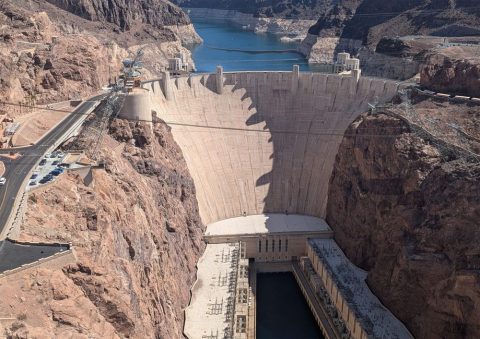
Hoover Dam & Lake Mead
An Art Deco engineering marvel completed in 1936, still one of the tallest concrete dams in the world, holding back the waters of Lake Mead, the largest reservoir in the United States. Guided tours descend into the dam's power plant and tunnels, and the drive there along US-93 crosses the dramatic Mike O'Callaghan-Pat Tillman Memorial Bridge with its own overlook.
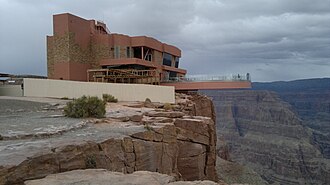
Grand Canyon West (Skywalk)
The closest section of the Grand Canyon to Las Vegas, roughly 2.5 hours by road, managed by the Hualapai Tribe and home to the glass-bottomed Skywalk extending 70 feet over the canyon rim. While not part of Grand Canyon National Park itself, it offers dramatic canyon views and is the most time-efficient full ground day trip from the city.
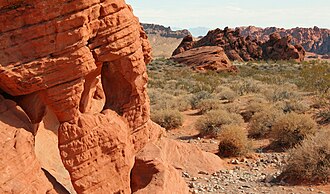
Valley of Fire State Park
Nevada's oldest state park, about an hour northeast of Las Vegas, named for its brilliant red Aztec sandstone formations that appear to glow at sunrise and sunset. Short, well-marked trails lead to ancient petroglyphs, natural arches, and slot canyons, making it one of the most photogenic and accessible desert landscapes near the city.
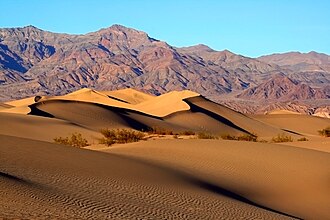
Death Valley National Park
The hottest, driest, and lowest national park in North America, about a 2-hour drive from Las Vegas, featuring otherworldly landscapes from the salt flats of Badwater Basin (the lowest point in the US) to the colorful hills of Zabriskie Point. Best visited October through April - summer temperatures regularly exceed 120°F (49°C) and can be genuinely dangerous.
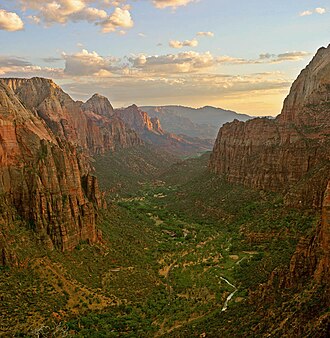
Zion National Park
A roughly 2.5-hour drive into Utah, Zion's towering sandstone cliffs and the Virgin River carve some of the most dramatic canyon scenery in the American Southwest. Popular hikes include the strenuous Angels Landing (permit required) and the wade-through-the-river Narrows, making it a rewarding but full-day-plus commitment best suited to travelers with an extra day to spare.
Tips for Day Trips & Excursions
- Rent a car or book a guided tour - none of these destinations are reachable by public transit
- Start early - most of these drives plus time on-site fill a full day, especially Zion and Death Valley
- Carry extra water and check weather - flash flooding and extreme heat are real risks in this desert terrain
- Hoover Dam and Valley of Fire can be combined into one long day if time is limited