Beyond the Strip and Fremont Street, Las Vegas has real, lived-in neighborhoods with their own dining scenes, arts communities, and suburban comforts - a side of the city most visitors never see but locals rely on.
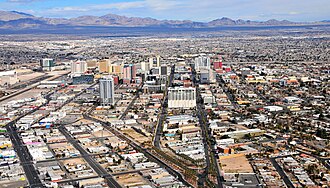
Downtown Las Vegas
The city's original core, anchored by Fremont Street but extending into government buildings, older casinos, and a growing wave of independent restaurants and bars. Downtown has undergone significant revitalization in the past decade, driven partly by tech investment, and now offers a genuinely walkable urban district distinct from the resort-corridor feel of the Strip.
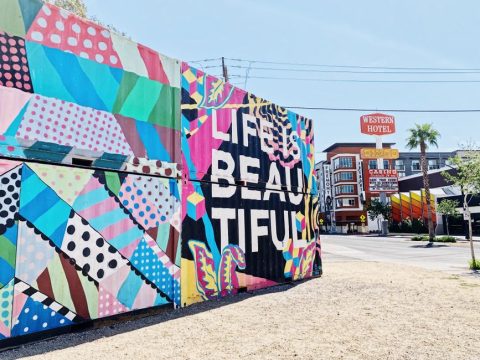
Arts District (18b)
A compact gallery and studio district just south of downtown, named for its 18 original blocks, now filled with independent art galleries, vintage shops, and coffee roasters. The neighborhood's monthly First Friday event turns the streets into an open-air festival with live art, music, and food vendors, drawing a distinctly local crowd.
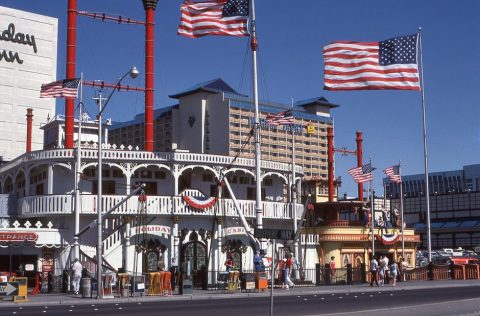
Chinatown Las Vegas
A sprawling stretch of Spring Mountain Road packed with authentic Chinese, Vietnamese, Korean, Japanese, and Filipino restaurants, alongside Asian grocery stores and strip-mall dessert shops. Despite the name, the district represents pan-Asian cuisine broadly and has become one of the most consistently recommended food destinations in the city, just west of the Strip.
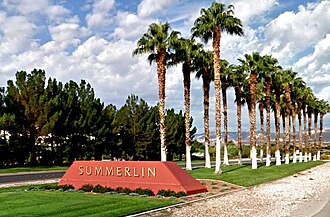
Summerlin
A large, well-planned suburban community on the western edge of the valley, closest to Red Rock Canyon and known for its upscale outdoor mall, Downtown Summerlin, and extensive walking trails. It's a good base for travelers wanting to combine city amenities with easy access to hiking and desert scenery without staying directly on the Strip.
Tips for Neighborhoods & Districts
- Chinatown is best reached by car or rideshare - it's a few miles from the Strip along Spring Mountain Road
- First Friday in the Arts District is free and family-friendly, held monthly
- Summerlin makes a quieter, more affordable base for travelers prioritizing Red Rock Canyon over Strip nightlife
- Reservations recommended at the most popular Chinatown restaurants, especially weekend evenings